Unlocking Industrial Bioproduction: Advanced CRISPR/Cas9 Strategies for Multi-Copy Gene Integration
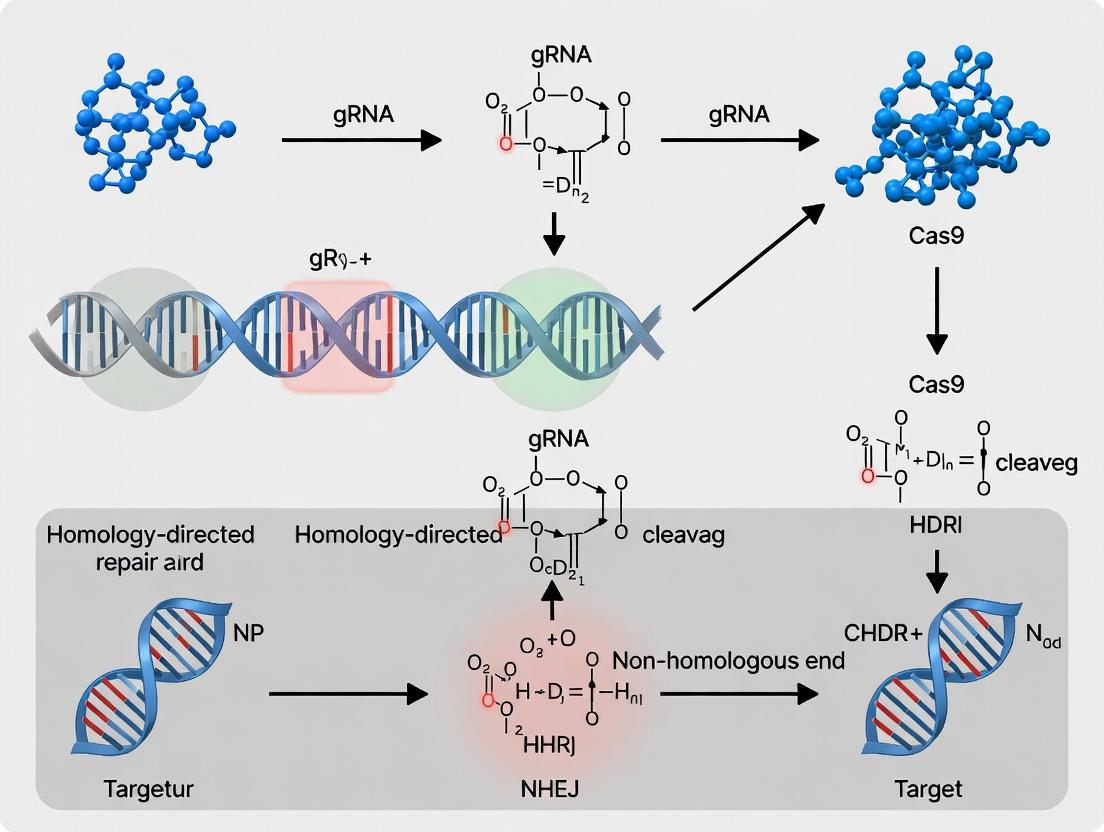
This comprehensive article explores the cutting-edge methodologies, applications, and challenges of using CRISPR/Cas9 for multi-copy gene integration, a pivotal technique in metabolic engineering and biotherapeutic production.
Unlocking Industrial Bioproduction: Advanced CRISPR/Cas9 Strategies for Multi-Copy Gene Integration
Abstract
This comprehensive article explores the cutting-edge methodologies, applications, and challenges of using CRISPR/Cas9 for multi-copy gene integration, a pivotal technique in metabolic engineering and biotherapeutic production. It provides researchers and industry professionals with foundational knowledge, detailed protocols, practical troubleshooting guides, and comparative analysis of validation strategies. The scope spans from fundamental principles and vector design to high-throughput screening and system optimization, culminating in a discussion of the technology's transformative potential for manufacturing complex biologics, enzymes, and sustainable biomaterials.
The Power of Amplification: Understanding CRISPR-Driven Multi-Copy Integration
Application Notes
Multi-copy gene integration (MCGI) is the targeted insertion of multiple copies of a heterologous gene expression cassette into predefined genomic loci using CRISPR/Cas9 systems. Unlike single-copy knock-ins, MCGI aims to overcome expression bottlenecks by amplifying gene dosage, enabling industrially relevant yields of proteins, enzymes, or metabolites. This approach is critical for the cost-effective production of biologics (e.g., monoclonal antibodies, complex vaccines), industrial enzymes (e.g., cellulases, lipases), and metabolic pathway engineering in cell factories (e.g., yeast, CHO cells). The primary challenges lie in achieving precise, high-efficiency integration without inducing deleterious genomic rearrangements or positional silencing effects.
Core MCGI Strategies and Quantitative Comparison The following table summarizes the predominant methodologies, their mechanisms, and performance metrics based on recent literature.
Table 1: Comparison of Multi-Copy Gene Integration Methodologies
| Strategy | Key Mechanism | Typical Copy Number Range | Max Reported Efficiency | Key Advantage | Primary Limitation |
|---|---|---|---|---|---|
| Homology-Mediated Tandem Integration | CRISPR/Cas9 cut at a single locus followed by homology-directed repair (HDR) using a linear donor with tandem repeats. | 2 - 10 copies | ~25% (in mammalian cells) | Predictable structure, relatively precise. | Efficiency drops exponentially with copy number increase. |
| NHEJ-Mediated Random Concatenation | Co-delivery of Cas9-sgRNA and a non-homologous linear donor; integration via non-homologous end joining (NHEJ). | 1 - >20 copies | >80% integration (≥1 copy) in CHO cells | High efficiency, simple donor design. | Unpredictable copy number and orientation, potential for translocations. |
| Ribonucleoprotein (RNP) & ssODN-Mediated Landing Pads | Initial precise insertion of a "landing pad" (e.g., attP site) via HDR, followed by iterative recombinase-mediated (e.g., Bxb1) cassette exchange. | 1 - 5+ (iterative) | >90% recombination efficiency per cycle | Precise, serializable, enables clone screening between rounds. | Multi-step process, requires stable recombinase expression. |
| CRISPR-Activated Chromosomal Amplification | Cas9 cuts flanking a target region, inducing DNA damage response and localized amplification (e.g., via break-induced replication). | 10 - 100+ copies | Under characterization | Potential for very high copy numbers. | Highly variable, mechanisms not fully understood, risk of genomic instability. |
Detailed Experimental Protocols
Protocol 1: NHEJ-Mediated Multi-Copy Integration in CHO-S Cells for mAb Production
Objective: To integrate multiple copies of a monoclonal antibody (mAb) heavy and light chain expression cassette into the AAVS1 safe harbor locus.
Materials (Research Reagent Solutions):
- CHO-S Cells: Suspension-adapted, serum-free host cell line.
- Cas9 RNP Complex: Recombinant S. pyogenes Cas9 protein and synthetic AAVS1-targeting sgRNA (Alt-R CRISPR-Cas9 System, IDT).
- Linear Donor DNA: PCR-amplified or enzymatically linearized plasmid containing mAb expression cassette (EF-1α promoter, coding sequences, polyA signal), flanked by short (40-60 bp) AAVS1 homology arms or no homology for pure NHEJ.
- Electroporation System: Neon or Lonza 4D-Nucleofector.
- Selection Antibiotics/Puromycin: For selection of integrated donor if a resistance marker (e.g., PuroR) is included.
- Genomic DNA Extraction Kit: (e.g., QIAamp DNA Mini Kit).
- ddPCR Copy Number Assay: Probes targeting the transgene and a reference single-copy endogenous gene.
Procedure:
- Design & Preparation: Design sgRNA targeting the AAVS1 locus. Prepare donor DNA by restriction digest or PCR to generate clean, linear ends. Complex Cas9 protein and sgRNA at a 1:2 molar ratio in duplex buffer, incubate at 25°C for 10 min to form RNP.
- Cell Preparation & Transfection: Harvest 1e6 CHO-S cells in log growth phase. Wash with PBS. Resuspend cells in R buffer with RNP complex (5 µg) and 1-2 µg linear donor DNA. Electroporate using a pre-optimized program (e.g., 1,350 V, 30 ms, 1 pulse for Neon). Immediately transfer to pre-warmed medium.
- Recovery & Selection: Culture cells without selection for 48-72 hours. Then, passage cells into medium containing puromycin (e.g., 5-10 µg/mL). Maintain selection for 7-14 days until distinct pools emerge.
- Clone Screening & Validation: Perform limiting dilution cloning on the pool. Screen >100 clones via ddPCR for transgene copy number. Select top 10-20 high-copy clones for further expansion.
- Functional Assessment: Expand selected clones in shake flasks. Quantify mAb titer over 7-14 days using Protein A HPLC. Assess growth and viability profiles.
Protocol 2: Tandem HDR Integration in S. cerevisiae Using a CRISPR-Cas9 System
Objective: To integrate 2-4 tandem copies of a metabolic pathway gene (e.g., ADH2) into a defined genomic locus.
Materials (Research Reagent Solutions):
- Yeast Strain: BY4741 with hoΔ deletion, engineered to express Cas9.
- Donor Plasmid: Contains the ADH2 expression cassette flanked by 500 bp homology arms targeting the YPRCΔ15 site. The cassette is repeated in tandem 4x, separated by short linker sequences.
- sgRNA Expression Plasmid: High-copy yeast plasmid with a SNR52 promoter-driven sgRNA targeting YPRCΔ15.
- LiAc/SS Carrier DNA/PEG Transformation Kit: Standard yeast transformation reagents.
- SC Dropout Media: For selection of transformants (e.g., -Leu/-Ura depending on markers).
- Colony PCR Kit: With primers flanking the integration site and internal to the cassette.
Procedure:
- Donor & sgRNA Preparation: Co-transform 100 ng of linearized tandem donor DNA and 50 ng of sgRNA plasmid into the Cas9-expressing yeast strain using the high-efficiency LiAc method.
- Selection & Colony Picking: Plate transformation on appropriate double-dropout agar plates. Incubate at 30°C for 48-72 hours. Pick 20-30 colonies.
- Genotypic Validation: Perform colony PCR using two primer sets: (i) One primer upstream of the homology arm and one inside the ADH2 cassette to verify 5' junction. (ii) One primer inside the cassette and one downstream of the homology arm to verify 3' junction and potential tandem insertion (larger product).
- Copy Number Quantification: For PCR-positive clones, perform quantitative PCR (qPCR) on genomic DNA using a transgene-specific and a reference gene (ACT1) assay. Calculate copy number via the ΔΔCt method.
- Phenotypic Screening: Grow validated clones in defined medium with the target substrate. Measure product formation (e.g., via GC-MS) to correlate copy number with productivity.
Visualizations
Diagram 1: MCGI Strategies Workflow
Diagram 2: NHEJ Concatenation Molecular Mechanism
The Scientist's Toolkit: Essential Research Reagent Solutions
Table 2: Key Reagents for CRISPR/Cas9-Mediated MCGI Experiments
| Reagent / Material | Function / Role in MCGI | Example Product/Type |
|---|---|---|
| High-Activity Cas9 Nuclease | Generates a clean double-strand break at the target genomic locus to initiate repair and integration. | Recombinant S. pyogenes Cas9 protein (RNP format). |
| Chemically Modified sgRNA | Enhances stability and reduces immunogenicity in mammalian cells; guides Cas9 to the target site. | Alt-R CRISPR-Cas9 sgRNA (IDT) with 2'-O-methyl modifications. |
| Linear Donor DNA Template | Serves as the template for integration. Can be PCR fragment or gel-purified linear plasmid. | PCR-amplified cassette with/without homology arms. |
| NHEJ Enhancer / HDR Inhibitor | Shifts repair balance towards NHEJ to promote random concatenation of donor DNA. | Small molecules like SCR7 or Nu7441. |
| Site-Specific Recombinase | Enables serial integration into a pre-placed landing pad (e.g., Bxb1 integrase for attB/attP sites). | Recombinant Bxb1 integrase or expression plasmid. |
| ddPCR/qPCR Copy Number Assay | Absolute quantification of transgene copy number integrated into the host genome. | Bio-Rad ddPCR Supermix, validated TaqMan probe assays. |
| CloneSelect Imager / Single-Cell Printer | Facilitates high-throughput monoclonality assurance and isolation of edited clones. | CloneSelect Imager (Molecular Devices), Cytena F.SIGHT. |
| Cell Culture Reagents (CHO/SF) | Supports robust growth and protein expression of engineered production cell lines. | Gibco CD CHO or comparable serum-free, chemically defined medium. |
Within the broader thesis on CRISPR/Cas9-mediated multi-copy gene integration, this document details the core components and protocols for targeted genomic amplification. This strategy is crucial for enhancing recombinant protein yield in bioproduction, modeling gene dosage disorders, and developing high-titer therapeutic cell lines. The application moves beyond simple gene knockouts, utilizing CRISPR/Cas9 to create double-strand breaks (DSBs) at precise genomic loci to trigger homology-directed repair (HDR) pathways for the integration of multiple gene copies.
The efficiency of targeted amplification hinges on several quantitative parameters. The following table summarizes critical data on core components and their performance metrics.
Table 1: Key Quantitative Parameters for CRISPR/Cas9-Mediated Amplification
| Component / Parameter | Typical Range / Value | Impact on Amplification Efficiency | Notes |
|---|---|---|---|
| sgRNA Length | 18-22 nt (protospacer) | Optimal: 20 nt; Shorter = off-target risk ↑; Longer = specificity ↓ | Includes NGG PAM (for SpCas9). |
| Homology Arm Length | 500-1000 bp (each arm) | Longer arms (>800 bp) correlate with HDR efficiency ↑ (up to ~40% vs. ~15% for 200 bp arms). | Symmetrical arms are commonly used. |
| Donor DNA Copy Number | 10-50 copies per cell (plasmid) | Higher molar ratio (donor: Cas9 RNP) up to 10:1 can increase HDR (plateaus thereafter). | Linear dsDNA donors show faster degradation but can reduce random integration. |
| Cas9:nucleofection | 2-10 µg (for 1e6 cells) | Excessive amounts increase NHEJ-mediated indels. Optimal is system-dependent. | RNP format generally shows higher efficiency and lower toxicity than plasmid. |
| Multi-Copy Integration Rate | 5-30% of transfected cells | Highly dependent on locus, cell type, and donor design. Can be enriched via selection. | Rates refer to cells with at least one correct integration; copy number varies. |
Detailed Protocol: Multi-Copy Integration via HDR
This protocol is designed for the integration of a gene expression cassette into a defined "safe harbor" locus (e.g., AAVS1) in human HEK293T cells.
I. Design and Preparation of Components
- sgRNA Design: Design a sgRNA targeting the genomic locus for integration. Use tools like ChopChop or Benchling. Cloned into a suitable expression vector or synthesized as crRNA.
- Donor Template Construction: Clone the gene of interest (GOI) expression cassette (promoter-GOI-polyA) into a plasmid donor vector. Flank the cassette with homology arms (800-1000 bp) identical to sequences upstream and downstream of the target DSB site. Critical: Introduce silent mutations in the PAM sequence and seed region within the GOI to prevent re-cutting.
II. Nucleofection and Transfection
- Cell Preparation: Culture HEK293T cells to >90% viability. Harvest 1x10^6 cells per condition.
- RNP Complex Formation (for RNP delivery):
- Combine 5 µg of purified SpCas9 protein with a 1.2x molar ratio of synthetic sgRNA (or equimolar crRNA:tracrRNA duplex).
- Incubate at 25°C for 10 minutes to form the RNP complex.
- Nucleofection:
- Resuspend cell pellet in 100 µL of Nucleofector Solution (e.g., SF Cell Line Kit).
- Add RNP complex and 2 µg of linearized donor DNA plasmid.
- Transfer to a certified cuvette and nucleofect using program CM-130.
- Immediately add pre-warmed medium and transfer to a 24-well plate.
III. Analysis and Validation (72-hours post-nucleofection)
- Genomic DNA Extraction: Use a column-based gDNA extraction kit.
- PCR Screening: Perform junction PCR using three primer sets:
- 5' Junction: Forward primer upstream of 5' homology arm + reverse primer within GOI.
- 3' Junction: Forward primer within GOI + reverse primer downstream of 3' homology arm.
- Internal Control: Amplify a non-targeted genomic locus.
- Quantitative Analysis (qPCR/ddPCR):
- Perform digital droplet PCR (ddPCR) with probes specific for the GOI and a reference single-copy gene to determine absolute copy number per genome.
Visualization: Workflow and Pathway Logic
Diagram 1: CRISPR Amplification Experimental Workflow
Diagram 2: DNA Repair Pathway Decision at Target Locus
The Scientist's Toolkit: Essential Research Reagents
Table 2: Key Research Reagent Solutions for CRISPR Amplification
| Reagent / Material | Function | Example Product/Catalog |
|---|---|---|
| High-Fidelity Cas9 Nuclease | Generates a clean DSB at the target site with minimal off-target activity. Essential for RNP formation. | Purified SpCas9 protein (e.g., IDT Alt-R S.p. Cas9 Nuclease V3) |
| Chemically Modified sgRNA | Increases stability and reduces immunogenicity. crRNA:tracrRNA systems offer design flexibility. | Alt-R CRISPR-Cas9 crRNA & tracrRNA (ATTO 550) |
| Linearized dsDNA Donor | Template for HDR. Linear dsDNA reduces random integration compared to circular plasmid. | GBlock or PCR-amplified fragment with long homology arms. |
| Electroporation/Nucleofection Kit | Enables efficient delivery of RNP and donor DNA into hard-to-transfect cells (e.g., primary, stem cells). | Lonza Nucleofector Kit SF / 4D-Nucleofector X Kit |
| HDR Enhancer Molecules | Small molecules that transiently inhibit NHEJ or promote HDR pathways to boost knock-in efficiency. | Alt-R HDR Enhancer V2 (IDT), RS-1 (Rad51 stimulator) |
| Digital Droplet PCR (ddPCR) Master Mix | For absolute quantification of integration copy number without reliance on standard curves. | Bio-Rad ddPCR Supermix for Probes (no dUTP) |
Within the broader thesis on CRISPR/Cas9-mediated multi-copy gene integration for biopharmaceutical manufacturing, strategic locus selection is paramount. The choice of integration site directly influences transgene expression levels, stability, and clonal variability. This document outlines application notes and protocols for identifying and utilizing three critical classes of genomic loci: Safe Harbors, Genomic Hotspots, and Engineered Landing Pads, with a focus on achieving high, consistent protein titers from mammalian production cell lines.
Locus Classification & Quantitative Comparison
Table 1: Characteristics of Strategic Locus Types for Multi-Copy Integration
| Locus Type | Definition | Key Examples | Typical Copy Number Capacity | Expression Level (Relative) | Epigenetic Stability | Primary Engineering Consideration |
|---|---|---|---|---|---|---|
| Safe Harbor | Genomic sites where transgene integration permits predictable expression without adverse effects on host cell. | AAVS1 (PPP1R12C), ROS426, CLYBL, CCR5. | 1-2 copies (single-copy ideal) | Moderate, Consistent | High | Verification of no disruption to endogenous genes or pathways. |
| Genomic Hotspot | Active chromosomal regions susceptible to high-efficiency recombination or supporting high transcriptional activity. | HPRT locus, Rosa26, EF1α locus, highly transcribed genes (e.g., MHC II locus). | 1 to ~5 copies | High, but can be variable | Moderate to High | Risk of insertional mutagenesis; position-effect variegation. |
| Engineered Landing Pad | A pre-engineered, characterized genomic site containing recombination acceptors (e.g., attP, Bxb1 attP). | AAVS1 with attP or FRT; Engineered CHO sites (e.g., C12). | 1 (definitive) to multiple via RMCE or in situ amplification | Very High, Homogeneous | Very High | Requires prior genetic engineering to establish the platform. |
Table 2: Performance Metrics for Common Loci in CHO-S & HEK293 Systems
| Target Locus | Cell Line | Integration Efficiency (%) | Specific Productivity (pcd) Range | Clonal Variance (CV%) | Reference(s) |
|---|---|---|---|---|---|
| AAVS1 | HEK293 | 45-60 | 20-40 | 15-25 | (Recent studies, 2023-2024) |
| ROS426 | CHO-S | 30-50 | 15-30 | 20-35 | (Recent studies, 2023-2024) |
| HPRT Hotspot | CHO-K1 | 50-70 | 30-60 | 25-50 | (Recent studies, 2023-2024) |
| Engineered attP-C12 | CHO-DG44 | >90 (RMCE) | 50-100+ | <10 | (Recent studies, 2023-2024) |
Experimental Protocols
Protocol 1: High-Throughput Evaluation of Candidate Loci for Multi-Copy Integration
Objective: To empirically test the suitability of multiple genomic loci for CRISPR/Cas9-mediated multi-copy gene integration and expression stability.
Materials: See Scientist's Toolkit (Section 5).
Method:
- sgRNA Design & Cloning: Design three sgRNAs flanking each candidate locus (e.g., AAVS1, CLYBL, target hotspot). Clone sgRNA sequences into a U6-promoter driven expression vector (e.g., pX458).
- Donor Vector Assembly: Construct a donor plasmid containing:
- Homology Arms: 800-bp left and right homology arms specific to each target locus.
- Expression Cassette: A promoter (e.g., EF1α, CMV), the gene of interest (GOI, e.g., GFP or therapeutic mAb light chain), and a polyA signal.
- Bxb1 attP Site: Flanked by the homology arms for future landing pad conversion.
- Dual Selection Marker: A puromycin resistance gene (PuroR) linked via a P2A peptide to the GOI.
- Co-transfection: Transfect adherent HEK293 or suspension CHO-S cells (using Lipofectamine 3000 or electroporation) with:
- Cas9-sgRNA plasmid (for each locus) – 1 µg
- Corresponding donor plasmid – 2 µg
- Control: Donor plasmid only (for random integration).
- Selection & Pool Analysis: At 48h post-transfection, apply puromycin (1-2 µg/mL for CHO, 2-3 µg/mL for HEK293) for 7-10 days. Harvest the polyclonal pool.
- Assessment:
- Integration Efficiency: Genomic DNA extraction. Perform ddPCR on the polyclonal pool to quantify GOI copy number relative to a reference gene. Compare to control.
- Expression Titer: For a secreted protein, measure titer in the supernatant of the pool by ELISA over 5 days in batch culture.
- Flow Cytometry: For intracellular (GFP) reporters, analyze median fluorescence intensity (MFI) and population variance.
Protocol 2: Establishing a Recombinase-Mediated Cassette Exchange (RMCE) Landing Pad
Objective: To convert a single-copy integrated safe harbor locus into a versatile platform for repeated, site-specific multi-copy integration.
Method:
- Generate Landing Pad Cell Line:
- Use the output of Protocol 1 (cells with attP integrated at AAVS1).
- Single-cell sort PuroR, GFP+ cells. Expand clonally.
- Validate single-copy, site-specific integration via Southern blot or long-range PCR sequencing.
- RMCE Donor Vector Design:
- Construct a donor plasmid containing:
- The GOI expression cassette (e.g., CMV-mAb heavy chain).
- Flanked by heterospecific attB sites (e.g., attB and attB77) compatible with the genomic attP.
- A transient, non-integrating selection marker (e.g., Blasticidin resistance on a plasmid lacking an origin of replication for mammalian cells).
- Construct a donor plasmid containing:
- RMCE Transfection:
- Transfect the landing pad cell line with the RMCE donor plasmid (2 µg) and a Bxb1 integrase expression plasmid (1 µg).
- Selection & Screening:
- Apply Blasticidin (5-10 µg/mL) for 7 days to select for successful RMCE events.
- Screen clones by loss of original marker (GFP) and gain of GOI expression (ELISA).
- Validate clean exchange and multi-copy integration at the single locus via ddPCR and sequencing.
Visualization Diagrams
Diagram Title: Strategic Locus Selection and Engineering Workflow
Diagram Title: Recombinase-Mediated Cassette Exchange (RMCE) Mechanism
The Scientist's Toolkit: Research Reagent Solutions
Table 3: Essential Materials for Strategic Locus Engineering
| Reagent/Material | Supplier Examples | Function in Protocols |
|---|---|---|
| CRISPR/Cas9 Nuclease (WT) | Synthego, IDT, Thermo Fisher | Generates targeted double-strand breaks at the genomic locus of interest. |
| Chemically Modified sgRNA | Synthego, Trilink | Increases stability and reduces off-target effects during transfection. |
| Gibson Assembly or NEBuilder HiFi Mix | NEB, Thermo Fisher | For seamless assembly of donor vectors with long homology arms. |
| High-Fidelity PCR Master Mix | KAPA, Q5 (NEB) | Amplification of homology arms and vector fragments with low error rates. |
| Electroporation System (e.g., Neon, Nucleofector) | Thermo Fisher, Lonza | High-efficiency delivery of RNP complexes and donor DNA to hard-to-transfect cells. |
| ddPCR Supermix for Probes | Bio-Rad | Absolute quantification of transgene copy number integration. |
| Bxb1 Integrase Expression Plasmid | Addgene (Plasmid #51269) | Catalyzes site-specific recombination between attP and attB sites for RMCE. |
| ClonaCell or Methocult Semi-Solid Media | STEMCELL Technologies | For single-cell cloning and outgrowth of edited cells without cross-feeding. |
| CHO-S or HEK293 Serum-Free Media | Gibco, Sartorius | Defined media for consistent cell growth and protein production during titer assays. |
| Rapid Titer ELISA Kit | ProteinSimple, R&D Systems | Fast, quantitative measurement of secreted therapeutic protein (e.g., IgG) from supernatant. |
This application note is framed within a broader thesis investigating strategies for CRISPR/Cas9-mediated multi-copy gene integration into mammalian genomes. The central challenge is achieving high, stable expression of therapeutic proteins, which often requires the integration of multiple transgene copies at a defined genomic safe harbor. The design of the donor DNA construct is a critical determinant of the efficiency of homology-directed repair (HDR) and the subsequent expression level of the integrated payload. This document outlines the design principles and provides detailed protocols for constructing and delivering multi-copy donor DNA for advanced cell line engineering and biotherapeutic production.
Key Design Principles for Multi-Copy Donor Constructs
Effective donor DNA for multi-copy integration must balance several factors: maximizing HDR efficiency, ensuring genomic stability, and enabling high transgene expression.
Core Design Features:
- Homology Arms (HAs): 500-1000 bp arms flanking the payload show optimal HDR rates in many systems. Longer arms (>1 kb) may increase targeting frequency but complicate vector construction.
- Payload Configuration: For multi-copy delivery, the payload can be arranged as:
- Tandem Repeats: Multiple expression cassettes head-to-tail, separated by insulating elements (e.g., chromatin insulators, recombinase sites) to prevent silencing and recombination.
- Polycistronic Units: Using 2A "self-cleaving" peptides or internal ribosome entry sites (IRES) to express multiple genes from a single promoter.
- Selection and Screening Markers: Incorporation of a reporter (e.g., fluorescent protein) or a selectable marker (e.g., puromycin resistance) linked via a 2A sequence or flanked by recombinase sites (e.g., loxP) for subsequent removal.
- Genomic Safe Harbor Targeting: Design HAs to target loci such as AAVS1 (PPP1R12C), CLYBL, or ROSA26, which support stable, high expression.
Quantitative Comparison of Donor Design Parameters
Table 1: Impact of Donor Design on Integration Efficiency and Expression
| Design Parameter | Tested Range | Optimal Value (HEK293T Example) | Effect on HDR (%) | Effect on Mean Copy Number | Key Reference (2023-2024) |
|---|---|---|---|---|---|
| Homology Arm Length | 200 bp - 2 kb | 800 bp | 25% → 40% | Minimal direct effect | Lee et al., 2023 |
| Donor Form (ssODN vs. plasmid) | Linear dsDNA, ssODN, plasmid | PCR-linearized dsDNA | Plasmid: 15% Linear: 35% | Linear supports higher copies | Chen & Zhu, 2024 |
| CRISPR/Cas9 Delivery | Co-transfection of RNP + donor | Pre-complexed RNP + donor lipofection | Increases from 30% to 55% | Increases from ~3 to ~5 | Sharma et al., 2023 |
| Insulator Elements (e.g., cHS4) | 0, 1x, 2x core element | Flanking payload (2x) | No significant change | Crucial for stability; reduces silencing over 60 days | Park et al., 2024 |
Detailed Protocols
Protocol 3.1: Construction of a Tandem Multi-Copy Donor Plasmid
Objective: Assemble a donor plasmid containing three tandem expression cassettes (Payload A-Payload B-Payload A) flanked by 800 bp homology arms for the AAVS1 locus and a puromycin-2A-EGFP selection marker.
Materials (Research Reagent Solutions):
- Gibson Assembly Master Mix: Enzymatic mix for seamless, multi-fragment DNA assembly.
- Q5 High-Fidelity DNA Polymerase: For error-free PCR amplification of homology arms and payloads.
- BAC-derived Genomic DNA: Template for PCR amplification of long homology arms.
- pUC19-based Backbone Vector: Contains bacterial origin and ampicillin resistance.
- CAG Promoter Plasmid: Source of a strong, ubiquitous synthetic promoter.
- Bxb1 attP Site Oligos: For incorporating recombinase sites between cassettes to minimize recombination.
Procedure:
- Amplify Components: Using Q5 polymerase, PCR-amplify:
- Left Homology Arm (LHA, 800 bp) and Right Homology Arm (RHA, 800 bp) from human genomic DNA.
- "Payload A" and "Payload B" cDNA sequences.
- CAG promoter, polyA signal sequences.
- Puro-2A-EGFP marker from a commercial plasmid.
- Linearized pUC19 backbone.
Perform Golden Gate/Gibson Assembly:
- Design all fragments with 20-40 bp overlapping ends.
- Mix fragments in equimolar ratio (total ~0.1 pmol) with 2X Gibson Assembly Master Mix in a 20 µL reaction.
- Incubate at 50°C for 60 minutes.
Transform and Verify: Transform 5 µL of assembly reaction into competent E. coli. Screen colonies by colony PCR and validate final plasmid by Sanger sequencing across all junctions.
Protocol 3.2: Co-delivery of CRISPR/Cas9 RNP and Linear Donor for Multi-Copy Integration
Objective: Transfert HEK293T cells with pre-complexed Cas9 ribonucleoprotein (RNP) and a linear donor DNA fragment to achieve multi-copy integration at the target site.
Materials (Research Reagent Solutions):
- Alt-R S.p. Cas9 Nuclease V3: High-purity, recombinant Cas9 protein.
- Alt-R CRISPR-Cas9 sgRNA (synthetic): Chemically modified, high-fidelity sgRNA targeting AAVS1.
- Neon Transfection System (Thermo Fisher): For high-efficiency electroporation of RNP complexes.
- Linear Donor DNA: PCR-amplified fragment from the donor plasmid (Protocol 3.1), purified via silica-column purification.
- Nucleofector Solution SF: Cell line-specific electroporation buffer.
Procedure:
- Complex RNP: Assemble Cas9 RNP by mixing 30 pmol of Cas9 protein with 36 pmol of sgRNA (1:1.2 molar ratio) in a sterile tube. Incubate at 25°C for 10 minutes.
- Prepare Cells and Donor: Harvest and count HEK293T cells. For one Neon reaction (100 µL tip), resuspend 2e5 cells in 10 µL of Nucleofector Solution SF. Add 2 µL of linear donor DNA (200-400 ng) to the cell suspension.
- Electroporate: Add the 12 µL cell+donor mix to the pre-complexed RNP. Mix gently. Electroporate using the Neon system with pulse parameters: 1100 V, 20 ms, 2 pulses.
- Plate and Select: Immediately transfer cells to pre-warmed culture medium. At 48 hours post-transfection, begin puromycin selection (1-2 µg/mL). Analyze EGFP expression by flow cytometry at day 5-7. Isolate single clones for copy number analysis (qPCR/ddPCR) and expression profiling.
Visualizations
Diagram Title: Multi-Copy Donor Plasmid Assembly Workflow
Diagram Title: RNP & Linear Donor Co-Delivery Protocol
The Scientist's Toolkit: Essential Reagents & Materials
Table 2: Key Research Reagent Solutions for Multi-Copy Integration
| Reagent/Material | Supplier Examples | Function & Critical Role |
|---|---|---|
| Alt-R S.p. Cas9 Nuclease V3 | Integrated DNA Technologies (IDT) | High-specificity Cas9 protein for RNP formation; reduces off-target effects and improves delivery efficiency. |
| Alt-R CRISPR-Cas9 sgRNA (synthetic) | Integrated DNA Technologies (IDT) | Chemically modified sgRNA with enhanced stability and reduced immunogenicity in mammalian cells. |
| Gibson Assembly Master Mix | New England Biolabs (NEB) | Enables seamless, simultaneous assembly of multiple DNA fragments (homology arms, cassettes) into a vector in a single reaction. |
| Q5 High-Fidelity DNA Polymerase | New England Biolabs (NEB) | Critical for error-free PCR amplification of long homology arms and repetitive payload sequences. |
| Neon Transfection System | Thermo Fisher Scientific | Electroporation platform enabling highly efficient co-delivery of RNP complexes and large linear donor DNA into mammalian cells. |
| Nucleofector Kit SF | Lonza | Cell line-specific buffers optimized for high viability and transfection efficiency with the Nucleofector/Neon systems. |
| ViaNTA Red ddPCR Copy Number Assay | Bio-Rad Laboratories | Digital droplet PCR (ddPCR) assay for absolute quantification of integrated transgene copy number without a standard curve. |
| Chromatin Insulator (cHS4 core) | Addgene (plasmid source) | DNA element flanking the payload to shield from positional effects, preventing transgene silencing post-integration. |
Within the thesis research on advancing recombinant protein and therapeutic cell line production, the integration of multiple gene copies into a host genome is a cornerstone strategy for achieving high-yield expression. Traditional methods, while established, present significant limitations in precision, efficiency, and labor. This document provides a comparative analysis and detailed protocols for traditional random integration and the targeted, CRISPR/Cas9-mediated multi-copy integration, framing them within the pursuit of robust, clonally stable, high-producing cell lines.
Quantitative Comparison of Key Methodological Parameters
Table 1: Core Methodological Comparison
| Parameter | Traditional Random Integration (e.g., MPEI) | CRISPR/Cas9-Mediated Targeted Integration |
|---|---|---|
| Integration Site | Random, dictated by DNA repair. | Defined by gRNA specificity (e.g., safe harbor loci). |
| Copy Number Control | Low; Poisson distribution, requires extensive screening. | High; tunable via donor design and ratio optimization. |
| Genomic Impact Risk | High; risk of insertional mutagenesis, variable expression. | Low; targeted to transcriptionally active, safe loci. |
| Clonal Uniformity | Very Low; extreme heterogeneity in expression. | High; consistent expression profile across clones. |
| Typical Efficiency | Very Low (<0.1% of stable integrants). | High (can exceed 10-30% with optimized donors). |
| Screening Burden | Very High; requires screening of 100s-1000s of clones. | Moderate; focused screening of 10s-100s of clones. |
| Primary Cell Applicability | Poor, due to low efficiency. | Good, especially with NHEJ-mediated "footproof" donors. |
Table 2: Performance Outcome Metrics (Thesis Project Data)
| Metric | Traditional Method (CHO-K1, lgG) | CRISPR Method (CHO-K1, lgG, AAVS1 locus) |
|---|---|---|
| Stable Integration Frequency | ~1 x 10⁻⁵ | ~2 x 10⁻² |
| Top 10% Clone Titer (relative) | 1.0 (baseline) | 3.5 - 5.0 |
| Clonal Titer Standard Deviation | >100% | <30% |
| Time to Isolate Top Producer | 10-12 weeks | 5-6 weeks |
Experimental Protocols
Protocol A: Traditional Multi-Copy Integration via Methotrexate (MTX) Pressure
Application: Generating high-copy-number cell lines using Dihydrofolate Reductase (DHFR) amplification in CHO cells. Reagents: Expression vector with GOI and DHFR, CHO-DG44 cells, Dialyzed FBS, Opti-MEM, Polyethylenimine (PEI), Methotrexate (MTX) stock solution. Procedure:
- Day 1: Seed CHO-DG44 cells in growth medium without nucleosides.
- Day 2: Co-transfect GOI-DHFR plasmid and carrier DNA using PEI.
- Day 3: Begin selection in medium lacking HT supplement (hypoxanthine-thymidine).
- Day 7: Passage surviving cells into medium containing stepwise-increasing MTX (e.g., 50 nM, 100 nM, 1 µM). Amplification occurs over 2-3 months.
- Screen: Periodically test supernatant for protein titer. Isolate single clones by limiting dilution for the highest producers.
Protocol B: CRISPR/Cas9-Mediated Targeted Multi-Copy Integration
Application: Targeted, multi-copy knock-in of a GOI at a defined genomic safe harbor (e.g., AAVS1, hROSA26). Reagents: Cas9 nuclease (mRNA or protein), gRNA targeting safe harbor locus, Linear donor DNA with tandem gene array (2-5 copies) flanked by homology arms (for HDR) or short microhomologies (for NHEJ-templates). Procedure:
- Design: Design gRNA against permissive site in safe harbor locus. Design donor with tandem GOI-P2A- repeats, flanked by ~800 bp homology arms.
- Day 1: Seed host cells (e.g., HEK293, CHO) for 70-80% confluence.
- Day 2: Nucleofection. Combine 2 µg Cas9, 1 µg gRNA, and 1 µg donor DNA per reaction. Use program-specific nucleofection kit.
- Day 3: Transfer to fresh growth medium.
- Day 5: Begin antibiotic selection (if donor contains a selectable marker).
- Day 12-14: Analyze pool by genomic PCR (junction PCR) and flow cytometry. Proceed to single-cell cloning and genotyping (digital PCR for copy number).
Visualization of Workflows and Pathways
Diagram Title: Traditional Random Integration & Amplification Workflow
Diagram Title: CRISPR-Mediated Targeted Multi-Copy Integration Workflow
Diagram Title: DNA Repair Pathways for CRISPR Integration
The Scientist's Toolkit: Research Reagent Solutions
Table 3: Essential Reagents for CRISPR-Mediated Multi-Copy Integration
| Reagent Category | Specific Example | Function & Rationale |
|---|---|---|
| Nuclease System | HiFi Cas9 or Cas9 mRNA | Creates targeted double-strand break with high fidelity. mRNA reduces persistent Cas9 activity. |
| Targeting Guide | Chemically modified synthetic sgRNA | Enhances stability and reduces immune response in mammalian cells. |
| Donor Template | Linear dsDNA fragment (PCR or synthesized) | Serves as repair template. Linear form enhances HDR efficiency vs. circular plasmid. |
| Delivery Reagent | Neon Nucleofector System / Lipofectamine CRISPRMAX | High-efficiency delivery of RNP complexes and DNA into difficult cell lines. |
| Enrichment Marker | Puromycin N-acetyltransferase (PAC) | Short-term selection for cells that have integrated the donor cassette. |
| Genotyping Assay | Digital PCR (dPCR) Reagents | Absolute quantification of integrated copy number without standards. |
| Single-Cell Cloning | CloneSelect Single-Cell Printer or FACS | Ensures clonality and high viability during single-cell isolation. |
Step-by-Step Protocols and Real-World Applications in Bioproduction
Application Notes
Within the broader thesis on enhancing recombinant protein yield for biotherapeutics, this protocol details a robust and current method for CRISPR/Cas9-mediated multi-copy gene integration. The strategy targets a characterized genomic safe harbor locus, such as the AAVS1 or CLYBL locus, to insert multiple copies of a transgene expression cassette. This approach overcomes the limitations of random integration, including positional effects and low expression, by ensuring predictable, high-level production. The core innovation lies in coupling a double-strand break at the safe harbor with a donor plasmid containing multiple, tandemly arranged transgene units, flanked by homology arms and engineered recombinogenic sequences (e.g., attP/attB for recombinase-mediated cassette exchange). Key considerations include designing high-fidelity sgRNAs to minimize off-target effects, optimizing the molar ratio of Cas9/sgRNA ribonucleoprotein (RNP) to multi-copy donor DNA, and implementing a stringent selection and screening pipeline to isolate clones with the desired high copy number. This methodology is directly applicable to the generation of stable mammalian cell lines (e.g., CHO, HEK293) for scalable production of monoclonal antibodies, enzymes, or viral vectors in drug development.
Table 1: Key Quantitative Parameters for Multi-Copy Integration
| Parameter | Typical Range/Optimized Value | Notes & Impact |
|---|---|---|
| Genomic Target Loci | AAVS1 (chr19), CLYBL (chr13) | Characterized safe harbors with open chromatin; supports high, stable expression. |
| sgRNA Length | 20 nt | Preceded by 5'-NGG-3' PAM. Must be checked for specificity using current databases (e.g., CRISPick). |
| Homology Arm Length | 800-1200 bp each | Longer arms (~1 kb) favored for higher fidelity homologous recombination. |
| Transgene Copy Number Goal | 5-15 copies | Balance between increased yield and genetic instability or metabolic burden. |
| Cas9/sgRNA RNP : Donor DNA Molar Ratio | 1:3 to 1:10 | Critical for balancing cutting efficiency and donor availability. Higher donor ratios favor multi-copy integration. |
| Transfection Efficiency (HEK293) | >70% (via electroporation) | Essential for obtaining sufficient pool of edited cells. |
| Initial Selection (Puromycin) | 1-3 µg/mL for 7-14 days | Selects for cells with integrated donor containing resistance marker. |
| Clonal Isolation & Screening Yield | ~10-30% of clones harbor >3 copies | Emphasizes need for high-throughput screening (qPCR/ddPCR). |
Table 2: Common Readouts and Validation Methods
| Assay | Purpose | Key Output Metrics |
|---|---|---|
| Digital Droplet PCR (ddPCR) | Absolute quantification of transgene copy number. | Copies per genome. CV <10% for reliability. |
| Flow Cytometry | Assess expression level and population homogeneity. | Median Fluorescence Intensity (MFI), % positive cells. |
| Southern Blot | Confirm correct genomic integration site and pattern. | Expected band size(s), absence of random integration. |
| Next-Gen Sequencing | Validate on-target integration and screen for off-target edits. | >95% on-target reads; no indels at top 5 predicted off-target sites. |
Detailed Experimental Protocols
Protocol 1: Design and Preparation of Multi-Copy Donor Plasmid
Objective: Construct a donor plasmid containing tandem transgene repeats flanked by homology arms for targeted integration.
- Design:
- Select genomic safe harbor locus (e.g., AAVS1). Retrieve ~1kb genomic sequences immediately upstream and downstream of the intended cut site to serve as 5' and 3' homology arms (HA).
- Design the transgene expression cassette (Promoter-ORF-pA). Assemble 3-5 copies in tandem via enzymatic assembly (e.g., Gibson Assembly), separating each with short, non-repetitive linkers to prevent recombination.
- Insert a selectable marker (e.g., puromycin resistance, PuroR) driven by a constitutive promoter, placed adjacent to the transgene array and within the homology arms.
- Cloning:
- Synthesize the full multi-copy donor fragment (5'HA-PuroR-Transgene(xn)-3'HA) de novo or assemble from sub-fragments using a high-fidelity DNA assembly master mix.
- Clone the assembled product into a standard cloning vector backbone (e.g., pUC) for amplification.
- Validate the final plasmid by long-read sequencing (PacBio/Oxford Nanopore) to confirm the correct sequence, order, and number of repeats.
Protocol 2: Mammalian Cell Transfection and Selection
Objective: Deliver CRISPR/Cas9 components and donor DNA into target cells and select for integration events.
- Cell Preparation: Culture HEK293 or CHO cells in appropriate media. One day prior to transfection, seed 5e5 cells per well in a 6-well plate to achieve 70-90% confluency at transfection.
- RNP Complex Formation:
- Reconstitute chemically synthesized sgRNA (targeting the safe harbor) and purified Cas9 protein according to manufacturer's instructions.
- Prepare the RNP complex by mixing 5 µg Cas9 protein with a 1.2x molar ratio of sgRNA in nuclease-free buffer. Incubate at room temperature for 10 minutes.
- Nucleofection:
- Harvest cells, count, and resuspend in appropriate nucleofection solution (e.g., SF Cell Line Solution).
- Per reaction, combine 2e5 cells, the pre-formed RNP complex, and 2 µg of the purified multi-copy donor plasmid (linearized).
- Transfer to a nucleofection cuvette and electroporate using a pre-optimized program (e.g., CM-138 for HEK293).
- Immediately add pre-warmed media and transfer cells to a 6-well plate.
- Selection and Expansion:
- After 48 hours, begin selection with the appropriate antibiotic (e.g., 2 µg/mL puromycin).
- Maintain selection for 10-14 days, replacing media/drug every 3-4 days, until distinct colonies form.
- Pool resistant cells for initial analysis or proceed to single-cell cloning by limiting dilution in 96-well plates.
Protocol 3: Validation of Multi-Copy Integration
Objective: Genotypically and phenotypically characterize selected clones.
- Genomic DNA Isolation: Harvest ~1e6 cells from a growing clone. Use a commercial gDNA extraction kit, eluting in 50-100 µL buffer. Measure concentration via spectrophotometer.
- Copy Number Determination by ddPCR:
- Design two TaqMan assays: one targeting the transgene (TARGET) and one targeting a single-copy reference gene (REF, e.g., RNase P).
- Prepare a 20 µL reaction mix per sample with ddPCR Supermix for Probes, both assays, and ~20 ng of gDNA.
- Generate droplets using a QX200 Droplet Generator. Perform PCR with the following cycling conditions: 95°C for 10 min; 40 cycles of 94°C for 30 s and 60°C for 1 min; 98°C for 10 min (ramp rate 2°C/s).
- Read droplets on a QX200 Droplet Reader and analyze with QuantaSoft software. Calculate copy number as: (Concentration of TARGET assay / Concentration of REF assay) x 2.
- Expression Analysis by Flow Cytometry:
- If the transgene encodes a fluorescent protein or surface marker, dissociate cells and resuspend in PBS containing 2% FBS.
- Analyze 10,000-20,000 events on a flow cytometer using appropriate lasers and filters.
- Compare the Median Fluorescence Intensity (MFI) of edited clones to wild-type controls to assess expression level correlated with copy number.
Diagrams
Title: Multi-Copy Gene Integration Workflow
Title: Donor Plasmid Design for Genomic Integration
The Scientist's Toolkit
Table 3: Research Reagent Solutions for CRISPR Multi-Copy Integration
| Item | Function & Role in Protocol |
|---|---|
| High-Fidelity Cas9 Nuclease | Catalyzes the double-strand break at the targeted genomic safe harbor locus. Used as a purified protein for RNP formation, which reduces off-target effects and increases editing speed compared to plasmid DNA. |
| Chemically Modified sgRNA | Guides Cas9 to the specific DNA sequence. Chemical modifications (e.g., 2'-O-methyl analogs) enhance stability and reduce innate immune responses in mammalian cells, improving editing efficiency. |
| Multi-Copy Donor Plasmid | The repair template containing the tandem transgene expression cassettes and homology arms. Its design is central to achieving high-copy, targeted integration via homology-directed repair. |
| Nucleofection System | A specialized electroporation technology optimized for delivering RNP complexes and plasmid DNA directly into the nucleus of hard-to-transfect mammalian cells, yielding high transfection and editing efficiency. |
| ClonaCell or MethoCult | Semi-solid or methylcellulose-based media for single-cell cloning. Ensments truly clonal populations are derived from edited pools, which is critical for isolating stable, high-producing cell lines. |
| ddPCR Copy Number Assay | Provides an absolute, digital quantification of transgene copy number integrated into the genome without reliance on standard curves. Essential for accurately screening clones for high copy number. |
| Genomic DNA Cleanup Kits | For rapid, high-quality gDNA isolation from mammalian cells, required for downstream validation assays like ddPCR, PCR, and Southern blotting. |
This application note is framed within a broader thesis investigating strategies for high-efficiency, multiplexed genome engineering in mammalian cells, specifically focusing on CRISPR/Cas9-mediated multi-copy gene integration. The integration of large or multiple transgenes remains a critical bottleneck for applications in synthetic biology, bioproduction, and cell line development. Traditional methods often result in low efficiency, random integration, and unpredictable expression. This document details the use of advanced vector systems employing dual-guRNA designs and all-in-one constructs to direct precise, co-integration events at targeted genomic loci, enabling stable, multi-copy insertion.
Key Concepts & System Design
Dual-guRNA Designs
Dual-guRNA designs involve the incorporation of two distinct guide RNA (gRNA) expression cassettes within a single vector or system. These gRNAs target sequences flanking a defined genomic "safe harbor" locus (e.g., AAVS1, CCR5, ROSAA26). By creating a double-strand break (DSB) at both ends of the target site, a genomic "landing pad" is excised, dramatically increasing the efficiency of homology-directed repair (HDR) for large donor DNA fragments.
All-in-One Constructs
All-in-one constructs integrate all necessary components for CRISPR-mediated integration into a single plasmid or viral vector. This typically includes:
- A CRISPR nuclease (e.g., SpCas9).
- One or more gRNA expression cassettes.
- The donor DNA template containing the transgene(s) of interest, flanked by homology arms (HAs) corresponding to the target locus.
This configuration simplifies delivery, ensures coordinated expression of all components, and is compatible with viral packaging limitations.
Application Notes & Comparative Data
Recent studies highlight the superior performance of these integrated systems over conventional methods.
Table 1: Comparative Performance of Integration Vector Systems
| System Type | Target Locus | Avg. Integration Efficiency (HDR%) | Multi-Copy Integration Rate | Key Advantage | Primary Citation (Example) |
|---|---|---|---|---|---|
| Single-guRNA, Donor Separate | AAVS1 | 5-15% | <2% | Simplicity | (Older Protocol) |
| Dual-guRNA, All-in-One | AAVS1 | 35-60% | 15-30% | High Efficiency & Precision | Lattanzi et al., 2021 |
| Dual-guRNA, mRNA + Donor | CCR5 | 25-40% | 5-10% | Reduced plasmid DNA | Yu et al., 2023 |
| Dual-guRNA, All-in-One AAV | ROSAA26 | >70% | ~20% | High Transduction & Safety | Roth et al., 2022 |
| CRISPR/Transposase Hybrid | Random | 40-80% | >50% | Very High Copy Number | Unpredictable Locus |
Table 2: Recommended Homology Arm Specifications for All-in-One Constructs
| Vector Backbone | Max Total Size | Optimal HA Length (each) | Recommended Cloning Method | Suitable Delivery Method |
|---|---|---|---|---|
| Lentiviral (LV) | ~8-9 kb | 800-1000 bp | Gibson Assembly / Golden Gate | Lentiviral Transduction |
| Adenoviral (AdV) | ~36 kb | 1000-1500 bp | In vitro Recombination | Adenoviral Transduction |
| Adeno-associated (AAV) | ~4.7 kb | 400-800 bp | ITR-flanked Production | AAV Transduction |
| Plasmid (Episomal) | Unlimited | 1000-2000 bp | Standard Molecular Cloning | Electroporation/Lipofection |
Detailed Protocols
Protocol 4.1: Construction of a Dual-guRNA, All-in-One Lentiviral Vector
Objective: To assemble a single lentiviral plasmid expressing SpCas9, two gRNAs targeting the AAVS1 locus, and a promoterless GFP-PuroR donor cassette flanked by homology arms.
Materials: See Scientist's Toolkit (Section 6).
Procedure:
- Design & Synthesis:
- Design gRNA sequences (20-nt) targeting the 5' and 3' ends of the human AAVS1 safe harbor exon using a validated design tool (e.g., ChopChop, Benchling). Include BsmBI overhangs for cloning.
- Synthesize or PCR-amplify 800bp homology arms (5'-HA and 3'-HA) from genomic DNA of the target cell line.
- Prepare the donor fragment: Assemble the transgene (e.g., GFP-T2A-PuroR) between the two HAs via overlap extension PCR or multi-fragment assembly.
Golden Gate Assembly:
- Digest the lentiviral "all-in-one" backbone (containing a hEF1α-Cas9 expression cassette and gRNA scaffold arrays) with BsmBI to remove placeholder gRNA sequences.
- Perform a Golden Gate reaction in a single tube:
- BsmBI-digested backbone (50 ng).
- Annealed oligos for gRNA1 and gRNA2 (1:100 molar ratio to backbone).
- Donor fragment with HAs (1:2 molar ratio).
- T4 DNA Ligase Buffer, BsmBI-v2, T7 DNA Ligase.
- Cycle: 25x (37°C for 5 min, 16°C for 5 min), then 55°C for 5 min, 80°C for 10 min.
Transformation & Validation:
- Transform the reaction into stable E. coli. Isolate plasmid DNA.
- Validate by diagnostic digest (e.g., EcoRI, HindIII) and Sanger sequencing across all junctions (gRNA inserts, HA-donor junctions).
Protocol 4.2: Co-integration in HEK293T Cells & Analysis
Objective: To deliver the all-in-one construct and quantify targeted integration efficiency.
Procedure:
- Lentivirus Production: Co-transfect HEK293T packaging cells with the all-in-one transfer plasmid and 2nd/3rd generation packaging plasmids (psPAX2, pMD2.G) using PEI transfection reagent. Harvest supernatant at 48h and 72h, concentrate via ultracentrifugation, and titer (TU/mL).
Cell Transduction:
- Seed HEK293T target cells at 2.5 x 10^5 cells/well in a 6-well plate.
- At 60% confluence, transduce with lentivirus at an MOI of 5-10 in the presence of 8 µg/mL polybrene.
- Replace media after 24 hours.
Selection & Screening:
- At 72 hours post-transduction, begin selection with 2 µg/mL puromycin.
- Maintain selection for 7 days, replacing media/puromycin every 2-3 days.
Efficiency Analysis (Day 10):
- Genomic PCR: Isolate genomic DNA. Perform three PCR reactions using primers outside the 5'HA and 3'HA (junction PCR) and internal to the transgene. Compare to non-transduced controls.
- Flow Cytometry: Analyze GFP expression to estimate the percentage of successfully targeted cells.
- Digital PCR (dPCR): Quantify absolute copy number of the integrated transgene using probes specific to the transgene and a reference gene.
Visualizations
Diagram 1: Dual-guRNA All-in-One Workflow (83 chars)
Diagram 2: All-in-One Vector Map & Action (79 chars)
The Scientist's Toolkit
Table 3: Essential Research Reagent Solutions
| Item | Function & Rationale | Example Product/Catalog # |
|---|---|---|
| All-in-One Lentiviral Backbone | Pre-cloned vector with Cas9 and gRNA scaffold arrays for easy Golden Gate assembly. Reduces cloning steps. | Addgene #112296 (pKLV2) |
| High-Fidelity DNA Assembly Mix | Enzyme mix for seamless, multi-fragment assembly of large constructs with homology arms (Gibson, NEBuilder). | NEB HiFi DNA Assembly Master Mix |
| Type IIS Restriction Enzyme (BsmBI-v2) | Enzyme for Golden Gate cloning of gRNAs; cuts outside recognition sequence, enabling scarless insertion. | NEB BsmBI-v2 |
| Lentiviral Packaging Mix (2nd Gen) | Pre-mixed plasmids (psPAX2, pMD2.G) for safe, high-titer lentivirus production. | Invitrogen ViraPower |
| Polyethylenimine (PEI), Linear | High-efficiency, low-cost cationic polymer for transfection of packaging cells. | Polysciences 23966-1 |
| Puromycin Dihydrochloride | Selection antibiotic for cells expressing the integrated puromycin resistance (PuroR) gene. | Gibco A1113803 |
| Genomic DNA Isolation Kit | Rapid, high-yield isolation of pure gDNA for junctional PCR analysis post-selection. | Qiagen DNeasy Blood & Tissue |
| Digital PCR (dPCR) Master Mix | For absolute quantification of transgene copy number without standards. High precision. | Bio-Rad ddPCR Supermix |
| Validated Safe Harbor gRNA Controls | Pre-validated, highly active gRNA pairs for loci like AAVS1 to serve as positive controls. | Synthego or IDT predesigned |
Application Notes and Protocols
Thesis Context: This document presents practical applications and detailed protocols supporting the broader thesis that CRISPR/Cas9-mediated multi-copy gene integration is a transformative tool for industrial biotechnology. It enables precise, scarless, and high-efficiency insertion of gene cassettes into genomic "hotspots," overcoming the limitations of random integration and traditional homologous recombination. This strategy is pivotal for amplifying gene dosage, rewiring metabolic pathways, and ultimately maximizing the production of therapeutic proteins, enzymes, and valuable metabolites.
Case Study 1: Boosting Monoclonal Antibody Titers in CHO Cells
Protocol for CRISPR/Cas9-Mediated Targeted Integration of a Transgene Cassette into the CHO-K1 Genome
Background: Chinese Hamster Ovary (CHO) cells are the predominant host for therapeutic protein production. A key limitation is the variable and often low expression from random integration sites. This protocol details the targeted, multi-copy integration of a monoclonal antibody (mAb) expression cassette into a pre-validated genomic safe harbor locus (e.g., AAVS1-like or Rosa26 locus) in CHO cells to achieve stable, high-titer production.
Key Research Reagent Solutions:
| Reagent/Material | Function & Explanation |
|---|---|
| CHO-K1 Suspension Cells | Industry-standard mammalian host cell line for recombinant protein production. |
| CRISPR/Cas9 RNP Complex | Ribonucleoprotein of S. pyogenes Cas9 protein and synthetic sgRNA. Enables high-efficiency, transient cutting with reduced off-target effects. |
| ssDNA or dsDNA Donor Template | Single-stranded or double-stranded DNA containing the mAb expression cassette (Promoter-Gene-PolyA), flanked by ~800 bp homology arms to the target locus. |
| Electroporation System (e.g., Neon) | Method for high-efficiency, low-toxicity delivery of RNP and donor DNA into CHO cells. |
| Puromycin Selection Medium | Contains antibiotic for selecting cells that have integrated the donor template, which includes a PuroR selection marker. |
| Titer Measurement ELISA Kit | Quantifies the concentration of the produced monoclonal antibody in cell culture supernatants. |
Experimental Protocol:
- Design & Preparation:
- Design sgRNA targeting a safe harbor locus in the CHO genome.
- Synthesize a donor DNA template containing: a strong promoter (e.g., CMV), light chain and heavy chain genes (linked via a P2A sequence), a polyadenylation signal, and a puromycin resistance gene (PuroR), all flanked by homology arms.
- Cell Preparation: Culture CHO-K1 cells in suspension to mid-log phase (viability >95%). Wash and resuspend in electroporation buffer.
- Complex Formation: Pre-complex Alt-R S.p. Cas9 protein and the designed sgRNA to form the RNP complex.
- Electroporation: Mix 1e6 cells with the RNP complex and donor DNA template (at a 1:5 molar ratio of RNP:donor). Electroporate using optimized parameters (e.g., 1400V, 20ms, 2 pulses).
- Recovery & Selection: Immediately transfer cells to pre-warmed recovery medium. After 48 hours, transfer to selection medium containing puromycin (e.g., 5 µg/mL). Maintain selection for 7-10 days until distinct colonies form.
- Screening & Analysis: Isolate single-cell clones. Genotype by junction PCR to confirm targeted integration. Screen high-copy number clones via qPCR. Expand top clones and assess mAb titer in fed-batch culture over 10-14 days using ELISA.
Quantitative Data Summary:
| Cell Line (Integration Strategy) | Copy Number (Avg.) | Specific Productivity (pg/cell/day) | Peak Titer in Fed-Batch (g/L) | Clonal Stability (over 60 gens) |
|---|---|---|---|---|
| Parental (Random Integration) | 1-5 (random) | 20-30 | 0.5 - 1.2 | Low (∼60% titer retention) |
| Targeted Single-Copy Clone | 1 | 45 | 1.8 | High (>95% retention) |
| Targeted Multi-Copy Clone (Protocol Result) | 8 | 120 | 4.5 | High (>90% retention) |
Pathway & Workflow Diagram:
Case Study 2: Rewriting Metabolic Pathways inS. cerevisiaefor Enhanced Precursor Supply
Protocol for Multi-Copy Integration of Acetyl-CoA Synthase Genes to Boost Isoprenoid Production
Background: Isoprenoids (e.g., taxadiene) are high-value compounds whose yields are limited by cytosolic acetyl-CoA precursor availability. This protocol uses CRISPR/Cas9 to integrate multiple copies of an optimized acetyl-CoA synthase (ACS) gene into the δ sequences of the Saccharomyces cerevisiae genome, funneling metabolic flux toward the mevalonate (MVA) pathway.
Key Research Reagent Solutions:
| Reagent/Material | Function & Explanation |
|---|---|
| Yeast δ Sequence sgRNA | Targets the abundant, conserved retrotransposon δ sites, allowing for multi-copy, dispersed integration. |
| Cas9 Plasmid (pCAS) | Yeast-optimized plasmid expressing Cas9 and a selectable marker (e.g., URA3). |
| Modular Donor DNA | Contains the ACS gene, a strong constitutive promoter (e.g., TEF1), terminator, and a recyclable selection marker (e.g., loxP-flanked KanMX). |
| Cre Recombinase Plasmid | Expresses Cre enzyme to excise the KanMX marker post-integration, allowing for marker recycling and iterative integration rounds. |
| GC-MS System | For quantifying intracellular acetyl-CoA levels and final isoprenoid (taxadiene) titers. |
Experimental Protocol:
- Strain & Plasmid Construction: Transform the production base strain (containing the MVA pathway genes) with the pCAS plasmid. Design a donor DNA fragment with ACS, TEF1p, CYC1t, and a loxP-KanMX-loxP cassette, flanked by ~50 bp homology to the δ site.
- Co-transformation: Co-transform the yeast strain with the donor DNA fragment and a plasmid expressing the δ-targeting sgRNA. Plate on YPD+G418 to select for integration events.
- Marker Excision: Induce expression of Cre recombinase to loop out the KanMX cassette, generating a scarless, marker-free integration site. Verify by replica plating on G418 (sensitive) and PCR.
- Iterative Integration: Repeat steps 2-3 for 2-3 additional rounds to stack multiple ACS gene copies at different δ loci.
- Pathway Analysis & Fermentation: Measure intracellular acetyl-CoA concentrations via enzymatic assay. Cultivate final multi-copy strain in controlled bioreactors. Extract and quantify taxadiene yield using GC-MS.
Quantitative Data Summary:
| S. cerevisiae Strain (ACS Copies) | Acetyl-CoA Pool (nmol/gDCW) | MVA Pathway Flux (mmol/gDCW/h) | Taxadiene Titer (mg/L) | Yield on Glucose (mg/g) |
|---|---|---|---|---|
| Wild-Type (0) | 15 ± 2 | 0.10 | 5.2 ± 0.8 | 0.26 |
| Single-Copy Integrant (1) | 42 ± 5 | 0.31 | 18.5 ± 2.1 | 0.92 |
| Multi-Copy Integrant (4) | 105 ± 12 | 0.85 | 68.3 ± 7.5 | 3.41 |
Metabolic Pathway Diagram:
Case Study 3: Maximizing Enzyme Yield inBacillus subtilis
Protocol for Multi-Copy Integration of Amylase Gene into *amyE Locus via CRISPR/Cas9*
Background: Bacillus subtilis is a GRAS (Generally Recognized As Safe) host for industrial enzyme production. This protocol demonstrates the use of a CRISPR/Cas9-mediated "site-specific integration array" to insert multiple tandem copies of an α-amylase gene into the dispensable amyE locus, dramatically increasing extracellular enzyme yield without antibiotic markers.
Key Research Reagent Solutions:
| Reagent/Material | Function & Explanation |
|---|---|
| B. subtilis amyE sgRNA | Targets the non-essential alpha-amylase gene locus, allowing clean replacement with the desired cassette. |
| All-in-One Integration Plasmid | Contains Cas9, sgRNA expression, and the donor sequence with multiple tandem amylase gene units, each with promoter and terminator. |
| Competent B. subtilis Cells | Prepared using the standard competence medium method for natural transformation and plasmid uptake. |
| Starch Agar Plates | Used for rapid phenotypic screening of amylase activity (clear halo around colonies). |
| DNS Assay Kit | 3,5-Dinitrosalicylic acid assay for quantifying reducing sugars released by amylase activity, determining enzyme units. |
Experimental Protocol:
- Plasmid Assembly: Construct a plasmid with: a Cas9 gene, an amyE-targeting sgRNA, and a donor sequence consisting of 3-5 tandem repeats of an α-amylase expression cassette (PaprE-AmyL-TaprE), flanked by homology to the amyE locus.
- Transformation: Transform the all-in-one plasmid into competent B. subtilis cells via natural transformation. Select for transformants on LB agar with chloramphenicol (plasmid marker).
- Curing & Genotype Verification: Passage positive clones at elevated temperature without antibiotic to cure the Cas9 plasmid. Screen for chloramphenicol sensitivity. Verify multi-copy integration at the amyE locus via long-range PCR and sequencing.
- Phenotypic Screening: Plate clones on starch agar. Flood with iodine post-growth; clones with high amylase activity show large, clear halos.
- Enzyme Production & Assay: Inoculate top-performing clones in shake-flask fermentation media. Harvest supernatants at 72 hours. Measure amylase activity using the DNS assay with soluble starch as substrate.
Quantitative Data Summary:
| B. subtilis Strain | Amylase Gene Copy Number | Amylase Activity (U/mL) | Total Protein Secretion (g/L) | Specific Activity (U/mg protein) |
|---|---|---|---|---|
| Wild-Type (0) | 0 (native amyE) | 50 ± 10 | 1.2 ± 0.2 | 41.7 |
| Single-Copy Replacement (1) | 1 | 850 ± 120 | 1.8 ± 0.3 | 472.2 |
| Multi-Copy Array Strain (4) | 4 | 3200 ± 350 | 2.5 ± 0.4 | 1280.0 |
Experimental Workflow Diagram:
Host cell engineering is a cornerstone of modern biopharmaceutical production, enabling the development of cell lines with enhanced productivity, product quality, and process robustness. Within the context of CRISPR/Cas9-mediated multi-copy gene integration research, engineering strategies aim to create stable, high-producing cell factories by precisely targeting multiple gene copies to genomic loci conducive to strong and consistent expression. This application note details methodologies and key applications for four major platforms: Chinese Hamster Ovary (CHO) cells, the yeasts Saccharomyces cerevisiae and Komagataella phaffii (Pichia pastoris), and filamentous fungi (e.g., Aspergillus spp.).
Application Notes and Quantitative Comparisons
Table 1: Key Engineered Traits and Productivity Outcomes Across Host Systems
| Host System | Primary Application | Key Engineered Traits/Pathways | Typical Titers (Range) | Key Product Classes |
|---|---|---|---|---|
| CHO Cells | Therapeutic proteins, mAbs, complex biologics | Apoptosis resistance (e.g., Bcl-2), metabolism (e.g., lactate reduction), protein folding/secretion (e.g., chaperones), glycosylation (e.g., GnTIII), high-yield locus targeting (e.g., GS, DHFR). | 1-10 g/L (mAbs) | Monoclonal antibodies, Fc-fusion proteins, enzymes, hormones. |
| S. cerevisiae | Ethanol, vaccines, enzymes, biofuels, platform chemicals. | Glycolytic flux, stress tolerance (e.g., HAA1), ER capacity (e.g., UPR elements), product secretion, aromatic amino acid pathways. | 0.1-100 g/L (varies by product) | Recombinant vaccines (e.g., HPV), insulin, industrial enzymes, ethanol. |
| P. pastoris | Secreted industrial & therapeutic proteins. | AOX1 promoter optimization, ER folding capacity (e.g., PDI), secretion pathway (e.g., SNARE proteins), methanol utilization. | 0.1-15 g/L (secreted proteins) | Lipases, phytases, antibody fragments, albumin, growth factors. |
| Filamentous Fungi | Secreted enzymes, organic acids, secondary metabolites. | Secretion machinery (e.g., ER-Golgi transport), transcription factors, carbon catabolite repression (e.g., creA deletion), secondary metabolite clusters. | 20-100 g/L (enzymes) | Amylases, cellulases, proteases, citric acid, penicillin. |
Table 2: CRISPR/Cas9-Mediated Multi-Copy Integration Strategies
| Host System | Common Genomic Loci for Integration | Multi-Copy Strategy (via CRISPR) | Typical Copy Number Achieved | Key Selection/Counter-Selection Method |
|---|---|---|---|---|
| CHO Cells | Hypoxanthine phosphoribosyltransferase (HPRT), Ribosomal DNA (rDNA), Chemically defined "hotspots" (e.g., CCR5), Safe Harbors (e.g., AAVS1, ROSA26). | Co-delivery of Cas9/gRNA with a donor template containing tandem repeats or sequential rounds of integration. | 2-20 copies | Puromycin/Blasticidin resistance; Fluorescence-activated cell sorting (FACS). |
| S. cerevisiae | δ-sites (Ty retrotransposon), HO locus, rDNA, URA3. | gRNA-targeting of repetitive sequences to enable multiple integrations; CRISPR/Cas9-mediated delta integration. | 5-30 copies | Ura+/Ura− auxotrophic selection; antibiotic resistance. |
| P. pastoris | AOX1 locus, rDNA, GAP promoter region, HIS4. | Cas9-assisted multi-locus integration: Simultaneous targeting of multiple defined loci with distinct gRNAs and donor cassettes. | 1-8 copies (per locus) | HIS4+/− auxotrophic selection; Zeocin resistance. |
| Filamentous Fungi | pyrG, niaD, amdS, ribosomal DNA loci. | Protoplast transformation with CRISPR components targeting an auxotrophic marker, followed by selection for multiple, random integrations of the expression cassette. | 5-50+ copies (often random) | Uridine/pyrG prototrophy; Acetamide/amdS utilization. |
Detailed Experimental Protocols
Protocol 1: CRISPR/Cas9-Mediated Multi-Copy Gene Integration inP. pastoris(Cas9-Assisted Multi-Locus Integration)
This protocol enables the simultaneous, precise integration of an expression cassette into multiple defined genomic loci in P. pastoris.
I. Materials (Research Reagent Solutions)
- Strain: P. pastoris (e.g., X-33 or GS115) with a defined auxotrophic background if required.
- CRISPR Components:
- pCas9 Plasmid: Expression plasmid for Cas9 and a selectable marker (e.g., Sh ble for Zeocin resistance) under P. pastoris promoters.
- gRNA Donor Construct(s): Plasmid(s) containing one or more expression cassettes for target-specific gRNAs (driven by P. pastoris SNR52 promoter) and the homologous donor DNA template(s).
- Donor DNA Template: Linear DNA fragment(s) containing your gene of interest (GOI), a strong promoter (e.g., AOX1), terminator, flanked by 500-1000 bp homology arms specific to each target locus.
- Media: YPD, Buffered Glycerol-complex Medium (BMGY), Buffered Methanol-complex Medium (BMMY), appropriate selective plates (e.g., YPD + Zeocin).
- Transformation Reagents: Lithium acetate (LiOAc) and single-stranded carrier DNA, or electroporation cuvettes and system.
- Validation Primers: Primers for junction PCR and copy number qPCR outside the homology regions.
II. Procedure
- Design & Cloning: Design gRNAs targeting 2-4 distinct, well-characterized genomic loci (e.g., AOX1, GAP, PDI1, HIS4). Clone these gRNA sequences into your gRNA donor plasmid(s). Clone your GOI expression cassette, flanked by locus-specific homology arms, into the corresponding donor plasmid or generate it as a linear PCR fragment.
- Strain Preparation: Inoculate P. pastoris in YPD and grow overnight at 28-30°C to an OD600 of 1.0-1.5. Harvest cells.
- Co-transformation: Prepare competent cells using LiOAc method. Co-transform 100-500 ng of pCas9 plasmid, 200-500 ng of each gRNA donor plasmid, and 1 µg of each linear donor DNA fragment per locus. Include single-stranded carrier DNA.
- Selection & Screening: Plate transformation on YPD + Zeocin plates. Incubate at 28-30°C for 2-3 days until colonies appear.
- Validation:
- Junction PCR: Screen colonies by PCR using a primer binding in the genomic locus outside the homology arm and a primer inside the integrated expression cassette. Perform for each targeted locus.
- Copy Number Quantification: For positive clones, perform quantitative PCR (qPCR) using a primer/probe set for the GOI and a reference single-copy gene (e.g., ACT1). Calculate copy number using the ΔΔCt method.
- Phenotypic Analysis: Inoculate positive multi-copy integrants in BMGY, then induce in BMMY. Monitor protein expression via SDS-PAGE, Western blot, or activity assay over 3-5 days.
Protocol 2: Engineering Apoptosis Resistance in CHO Cells via CRISPR/Cas9 Knock-In
This protocol describes the knock-in of the anti-apoptotic gene BCL-2 into a safe harbor locus (e.g., AAVS1) in CHO cells to enhance culture longevity and productivity.
I. Materials (Research Reagent Solutions)
- Cells: CHO-S or CHO-K1 suspension cells.
- CRISPR Components: AAVS1-specific gRNA expression plasmid or synthetic crRNA/tracrRNA.
- Nuclease: Recombinant Cas9 protein or expression plasmid.
- Donor Template: Single-stranded oligodeoxynucleotide (ssODN) or plasmid donor containing a BCL-2 expression cassette (EF-1α promoter, BCL-2 cDNA, polyA) flanked by ~800 bp homology arms to the AAVS1 locus. Include a puromycin resistance (PuroR) cassette for selection if not using FACS.
- Transfection Reagent: Electroporation system (e.g., Neon) or chemical transfection reagent (e.g., Lipofectamine).
- Media & Reagents: CD CHO medium, puromycin (if used), apoptosis inducer (e.g., staurosporine), Annexin V-FITC/PI apoptosis detection kit.
- Validation Primers: PCR primers flanking the integration site and internal to BCL-2.
II. Procedure
- Design & Preparation: Design AAVS1 gRNA and synthesize donor DNA. Complex Cas9 protein with gRNA (RNP) or co-transfect Cas9/gRNA expression plasmids.
- Electroporation: Harvest log-phase CHO cells, resuspend in electroporation buffer. Mix 1e6 cells with 5 µg Cas9-RNP complex and 1 µg ssODN donor (or 2 µg plasmid donor). Electroporate using optimized parameters (e.g., 1400V, 20ms, 2 pulses for Neon). Immediately transfer to pre-warmed medium.
- Selection & Cloning: 48 hours post-transfection, add puromycin (2-5 µg/mL) for 7-10 days. Alternatively, sort single cells into 96-well plates via FACS if using a fluorescent co-selection marker.
- Genotypic Validation:
- PCR Screening: Isolate genomic DNA from pools or clones. Perform PCR with primers outside the homology arms to detect correct integration (size shift).
- Sequencing: Sanger sequence the PCR product to confirm precise, seamless integration.
- Phenotypic Validation:
- Viability Assay: Subject engineered and wild-type cells to 1 µM staurosporine for 24 hours. Assess viability via trypan blue exclusion.
- Apoptosis Assay: Use Annexin V-FITC/PI staining followed by flow cytometry to quantify early and late apoptotic cells.
- Fed-Batch Culture: Perform 14-day fed-batch cultures. Monitor viable cell density (VCD) and viability. Measure product titer (e.g., IgG) at harvest.
Visualizations
Title: CRISPR/Cas9 Multi-Locus Integration in P. pastoris Workflow
Title: Engineering Apoptosis Resistance in CHO Cells via BCL-2
The Scientist's Toolkit: Key Research Reagent Solutions
Table 3: Essential Materials for CRISPR-Mediated Host Cell Engineering
| Item | Function & Application | Example/Notes |
|---|---|---|
| High-Fidelity Cas9 | CRISPR endonuclease for precise DNA cleavage. Using HiFi Cas9 variants reduces off-target effects, critical for engineering production cell lines. | Alt-R S.p. HiFi Cas9 Nuclease V3 (IDT); TrueCut Cas9 Protein v2 (Thermo Fisher). |
| Synthetic gRNA | Guides Cas9 to the specific genomic target sequence. Chemically modified for enhanced stability and efficiency. | Alt-R CRISPR-Cas9 crRNA & tracrRNA (IDT); Synthego sgRNA. |
| Homology-Directed Repair (HDR) Donor | DNA template for precise knock-in via HDR. Can be ssODN for short inserts (<200 bp) or long double-stranded DNA (dsDNA) for cassettes. | Ultramer DNA Oligos (IDT) for ssODN; GeneArt Strings for dsDNA fragments. |
| Cas9 Expression Plasmid | Plasmid vector for in-cell expression of Cas9 and gRNA(s). Essential for hosts where RNP delivery is inefficient. | pCas9-Pp (Addgene #108454) for P. pastoris; pX459 V2.0 (Addgene #62988) for mammalian cells. |
| Cloning Kit for gRNA Assembly | Efficiently clone custom gRNA sequences into expression vectors. | Golden Gate Assembly kits (e.g., NEBridge); Gibson Assembly Master Mix (NEB). |
| Host-Specific Transfection Reagent | Enables delivery of CRISPR components into the host cell. | Lipofectamine CRISPRMAX (CHO cells); LiAc/SS-DNA method (yeast); PEG-mediated protoplast transformation (filamentous fungi). |
| Selection Antibiotic/Auxotrophic Marker | Selects for cells that have successfully integrated the CRISPR and/or donor DNA. | Puromycin, Zeocin; HIS4, URA3 markers for yeast; pyrG for fungi. |
| Genomic DNA Isolation Kit | High-quality gDNA is required for downstream validation PCR and sequencing. | DNeasy Blood & Tissue Kit (Qiagen); Quick-DNA Microprep Kit (Zymo). |
| Junction PCR & qPCR Reagents | Validates correct integration site and quantifies copy number. | PrimeSTAR GXL Polymerase (Takara) for long-range junction PCR; iTaq Universal SYBR Green Supermix (Bio-Rad) for qPCR. |
| Cell Viability/Apoptosis Assay Kit | Quantifies the phenotypic outcome of engineering efforts (e.g., apoptosis resistance). | Annexin V-FITC/PI Apoptosis Detection Kit; RealTime-Glo MT Cell Viability Assay (Promega). |
Within the broader thesis on CRISPR/Cas9-mediated multi-copy gene integration, this application note addresses a critical translational challenge: achieving therapeutically relevant, sustained expression of transgenes that require high dosages. This is paramount for emerging in vivo gene therapies for monogenic disorders like hemophilia and Duchenne Muscular Dystrophy, and for next-generation vaccines requiring durable, high-level antigen presentation. Traditional AAV vectors are limited by their packaging capacity (~4.7 kb) and episomal nature, leading to transient expression in dividing cells. The strategic integration of multi-copy transgene cargos into safe genomic loci via CRISPR/Cas9 offers a promising solution for durable, high-level protein production.
Table 1: Comparison of Gene Delivery Platforms for High-Dosage Applications
| Platform | Max Cargo Capacity | Persistence | Key Advantage for High Dosage | Primary Challenge |
|---|---|---|---|---|
| AAV (Episomal) | ~4.7 kb | Long-term in non-dividing cells | High transduction efficiency in vivo | Limited capacity; dilution in dividing cells |
| Lentivirus (Random Integration) | ~8 kb | Permanent (integrated) | Large capacity; stable expression | Risk of insertional mutagenesis |
| CRISPR/Cas9-Mediated Targeted Integration | >10 kb (theoretically high) | Permanent (integrated) | Safe-harbor targeting; multi-copy insertion possible | Lower HDR efficiency in vivo |
| Non-Viral Nanoparticles (e.g., LNPs) | Very High (>20 kb) | Transient to medium-term | Massive cargo capacity; low immunogenicity | Lower delivery/expression efficiency |
| Transposon Systems (e.g., Sleeping Beauty) | >10 kb | Permanent (integrated) | High cargo capacity; non-viral | Random integration; potential for genotoxicity |
Table 2: Exemplary High-Dosage Therapy Targets and Transgene Requirements
| Therapeutic Area | Target Disease | Required Transgene(s) | Approx. Size | Expression Level Goal | Notes |
|---|---|---|---|---|---|
| Coagulation Disorders | Hemophilia A | B-domain deleted FVIII (BDD-FVIII) | ~4.5 kb | 5-50% of normal | Near AAV capacity limit; requires very high specific activity. |
| Neuromuscular | Duchenne MD | Micro-dystrophin | ~4.0 kb | High tissue-wide | Multi-copy integration may be needed for muscle-wide coverage. |
| Metabolic | Phenylketonuria | Phenylalanine hydroxylase (PAH) | ~1.4 kb | ~10-20% of normal | Lower size allows for promoter/regulatory element inclusion. |
| Vaccinology | Universal Influenza | Conserved HA stalk + NP antigens | ~2.5 kb (combined) | High, sustained | Durable expression mimics chronic antigen exposure for broad immunity. |
Experimental Protocols
Protocol 1: CRISPR/Cas9-Mediated Multi-Copy Transgene IntegrationIn Vivo(Mouse Liver)
Objective: To integrate multiple copies of a human FIX transgene into the mouse Alb safe-harbor locus for high-level, stable protein secretion.
Materials: See "The Scientist's Toolkit" below.
Method:
- Guide RNA and Donor Design: Design sgRNAs flanking the mouse Alb 3' UTR (safe-harbor). Prepare a ssDNA or AAV donor template containing (5' to 3'): a 800 bp left homology arm, a strong promoter (e.g., TBG), the human FIX cDNA, a polyA signal, a synthetic attP site, and a 800 bp right homology arm.
- RNP Complex Formation: Complex SpCas9 protein (30 µg) with Alb-targeting sgRNA (15 µg) in sterile PBS to form RNP. Incubate 10 min at RT.
- Donor Template Preparation: Combine the ssDNA donor (50 µg) or package it into AAV8 (1x10¹³ vg/kg).
- Hydrodynamic Injection (for RNP + DNA Donor): Rapidly inject the RNP + donor DNA mixture in a volume equivalent to 8-10% of the mouse body weight (e.g., 2 mL for a 25g mouse) via the tail vein.
- Co-administration (if using AAV donor): Inject RNP complexes via LNP formulation intravenously. One day later, administer AAV8-donor intravenously.
- Analysis: At week 2 and 8 post-injection, collect plasma for ELISA (human FIX concentration). Harvest liver genomic DNA for PCR genotyping and digital droplet PCR (ddPCR) to quantify copy number integration at the Alb locus.
Protocol 2: Evaluating Durable Vaccine Antigen Expression via Multi-Copy Integration
Objective: To generate sustained antigen expression by integrating a model antigen (e.g., Ovalbumin, OVA) into the Rosa26 locus of antigen-presenting cells in vivo.
Method:
- Construct Assembly: Generate a donor plasmid for the mouse Rosa26 locus containing a CAG promoter, a membrane-bound OVA (mOVA) sequence, and a T2A-GFP reporter, flanked by homology arms.
- Ex Vivo Electroporation: Isolate bone marrow-derived dendritic cells (BMDCs) from mice. Electroporate 2x10⁶ BMDCs with 5 µg of Cas9 mRNA, 2 µg of Rosa26 sgRNA, and 10 µg of linearized donor DNA using a square-wave electroporator.
- Transplantation: Transplant 1x10⁶ electroporated BMDCs intravenously into lethally irradiated syngeneic recipient mice.
- Immunization & Challenge: At 4 weeks post-transplant, challenge mice with OVA-expressing tumor cells (e.g., B16-OVA) subcutaneously.
- Monitoring: Track tumor growth. Analyze T cell responses via IFN-γ ELISpot from splenocytes. Use flow cytometry on spleen and lymph nodes to detect GFP+ (edited) APCs and OVA-specific CD8⁺ T cells (with SIINFEKL-MHC tetramers).
Visualizations
Decision Flow for Gene Delivery Platform Selection
Multi-Copy Gene Integration Workflow via Bxb1
The Scientist's Toolkit: Research Reagent Solutions
Table 3: Essential Reagents for CRISPR-Mediated High-Dosage Gene Integration
| Reagent/Material | Function in Protocol | Example Product/Catalog | Critical Notes |
|---|---|---|---|
| High-Fidelity Cas9 Nuclease | Creates targeted DSB at genomic safe-harbor locus. | IDT Alt-R S.p. HiFi Cas9 | Reduces off-target effects for in vivo safety. |
| Chemically Modified sgRNA | Guides Cas9 to specific DNA sequence. | IDT Alt-R CRISPR-Cas9 sgRNA (2'-O-methyl analogs) | Enhances stability and reduces immune sensing in vivo. |
| ssDNA or AAV Donor Template | Provides homology-directed repair (HDR) template with transgene. | IDT Ultramer ssDNA / AAV8-Custom | ssDNA for RNP co-delivery; AAV for persistent donor source. |
| Bxb1 Integrase System | Enables unidirectional, multi-copy integration into a single attP site. | Addgene Plasmid #51269 (pCMV-Bxb1) | Used for advanced "landing pad" strategies to stack copies. |
| Lipid Nanoparticles (LNPs) | Formulation vehicle for in vivo delivery of RNPs or mRNA. | Precision NanoSystems NanoAssemblr | Critical for efficient, targeted delivery to hepatocytes or APCs. |
| ddPCR Master Mix | Absolute quantification of transgene copy number integration. | Bio-Rad ddPCR Supermix for Probes | Essential for measuring multi-copy integration efficiency. |
| In Vivo-Grade Endotoxin-Free Kits | Preparation of materials suitable for animal administration. | Zymo Research Clean & Concentrator Kit | Ensures lack of inflammatory response from reagents. |
Solving Integration Challenges and Maximizing Copy Number & Stability
Within the broader thesis on optimizing CRISPR/Cas9 for stable, high-level transgene expression via multi-copy gene integration, significant challenges persist. These Application Notes detail the primary technical pitfalls—low integration efficiency, extensive unwanted DNA rearrangements, and confounding positional effects—that can compromise experimental validity and therapeutic outcomes. This document provides updated protocols and analytical frameworks to identify, mitigate, and control for these factors, ensuring robust and reproducible research.
Table 1: Documented Frequencies of Integration Outcomes in Mammalian Cells
| Pitfall Category | Typical Frequency Range (%) | Key Influencing Factors | Primary Detection Method |
|---|---|---|---|
| Low HDR-Mediated Integration Efficiency | 0.5 - 20% | Cell cycle stage, nuclease delivery method, donor design (ssODN vs. dsDNA), promoter activity at locus | Flow cytometry (reporter), NGS amplicon sequencing |
| Unwanted Rearrangements (On-Target) | 15 - 60% of edited alleles | High nuclease concentration, prolonged expression, target site chromatin state, donor absence | Long-range PCR & gel electrophoresis, long-read sequencing (PacBio, ONT) |
| Large Deletions/Complex Rearrangements | 10 - 40% at multi-copy loci | Multiple adjacent DSBs, repetitive sequences, microhomology-mediated repair | PCR for junction loss, FISH, karyotyping |
| Positional Effect Variability | 10-100 fold expression range | Integration site chromatin status (open vs. closed), proximity to enhancers/repressors | RNA-seq, ATAC-seq, stable clonal analysis |
Detailed Experimental Protocols
Protocol 2.1: Assessing Integration Efficiency & Unwanted Rearrangements
Aim: Quantify precise integration rates and detect on-target indels or structural variants. Materials: Edited cell pool/genomic DNA, locus-specific primers, NGS library prep kit. Procedure:
- Amplicon-Seq Library Preparation:
- Design primers 150-200bp flanking the target integration site.
- Perform high-fidelity PCR on purified genomic DNA (min. 500 ng).
- Clean PCR product and quantify using fluorometry.
- Prepare NGS libraries using a tagged-amplicon approach (e.g., Nextera XT) for multiplexing.
- Sequencing & Analysis:
- Sequence on an Illumina MiSeq (2x250 bp) for deep coverage (>10,000x).
- Align reads to a reference sequence containing the donor template.
- Quantify: %Precise HDR (exact donor junction reads), %Indels (misaligned junctions), %Wild-type.
- Detection of Large Rearrangements:
- Perform long-range PCR (4-10 kb spanning the target) using enzymes optimized for GC-rich regions.
- Analyze products on a 0.8% agarose gel; smearing or multiple bands indicate complex rearrangements.
- Confirm putative rearrangements by Sanger sequencing of gel-extracted bands.
Protocol 2.2: Mapping Integration Sites & Profiling Positional Effects
Aim: Identify genomic location of integrations and correlate with transgene expression. Materials: Genomic DNA from stable polyclonal or clonal populations, restriction enzymes, ligation reagents, expression assay reagents. Procedure:
- Integration Site Mapping by Linear Amplification-Mediated PCR (LAM-PCR):
- Digest 1 µg gDNA with a frequent cutter (e.g., MseI) or a blunt cutter (e.g., SmaI).
- Ligate a biotinylated linker cassette to digested ends.
- Perform linear PCR using a biotinylated primer specific to the integrated transgene.
- Capture biotinylated products on streptavidin beads and perform a second-strand synthesis.
- Elute and amplify with nested transgene-specific and linker-specific primers.
- Purify and sequence PCR products to map genomic integration junctions.
- Correlative Expression Profiling:
- For clonal lines, measure transgene expression via qRT-PCR or flow cytometry.
- For integrated sites identified, perform in-silico chromatin state analysis using public datasets (e.g., ENCODE histone marks) for the specific genomic region.
- Correlate high/low expression clones with active (H3K27ac, H3K4me3) or repressive (H3K9me3, H3K27me3) chromatin marks at the integration locus.
Visualization of Workflows and Relationships
Title: CRISPR Multi-Copy Integration Pitfalls: Cause, Detection, Mitigation
Title: Workflow for Multi-Copy Integration Analysis
The Scientist's Toolkit: Research Reagent Solutions
Table 2: Essential Reagents for Mitigating Integration Pitfalls
| Reagent / Material | Function & Rationale | Example Product/Catalog |
|---|---|---|
| High-Efficiency Transfection Reagent | Ensures co-delivery of multiple components (RNP + donor) to same cell population. Critical for efficiency. | Lipofectamine CRISPRMAX, Neon Electroporation System |
| Chemically Modified ssODN Donor Template | Increases HDR efficiency and reduces toxicity compared to dsDNA. Phosphorothioate modifications enhance stability. | Ultramer DNA Oligos (IDT), GeneBlocks (Sigma) |
| NHEJ Inhibitor (Small Molecule) | Temporarily suppresses competing NHEJ pathway, boosting HDR-mediated precise integration rates. | SCR7, NU7026 |
| Cell Cycle Synchronization Agent | Enriches for S/G2 phase cells where HDR is active. Increases knock-in efficiency. | Aphidicolin, Nocodazole |
| Locus-Specific Chromatin Modulator | dCas9 fusions to modify chromatin state at target site pre-integration (e.g., activators). Can improve efficiency in closed chromatin. | dCas9-p300, dCas9-VPR |
| Targeted Locus Amplification (TLA) Kit | Unbiased method for identifying all genomic integration sites and detecting complex rearrangements in clonal lines. | Cergentis TLA Core Kit |
| Insulator Element Plasmid | Contains chromatin boundary elements (e.g., cHS4) to clone flanking transgene, buffering against positional silencing. | pEM784 (Addgene) |
| Long-Range PCR Enzyme Mix | Essential for amplifying large, complex genomic regions surrounding integration sites to detect deletions/translocations. | PrimeSTAR GXL (Takara), LongAmp Taq (NEB) |
Application Note AN-247 Thesis Context: This application note provides key methodologies and reagent solutions to support a doctoral thesis investigating high-efficiency, multi-copy gene integration via CRISPR/Cas9, focusing on the critical challenge of shifting DNA repair toward Homology-Directed Repair (HDR) and enhancing donor template delivery.
Table 1: Pharmacological Modulators of HDR/NHEJ Pathways
| Modulator/Target | Mechanism of Action | Effect on HDR | Effect on NHEJ | Typical Conc. | Key Reference (Year) |
|---|---|---|---|---|---|
| SCR7 (DNA Ligase IV inhibitor) | Competitively inhibits final ligation step in NHEJ | Increases (up to 5-fold) | Markedly decreases | 1-10 µM | Maruyama et al., 2015 |
| NU7026 (DNA-PKcs inhibitor) | Inhibits DNA-PK complex, a core NHEJ kinase | Increases (3-4 fold) | Decreases | 10 µM | Robert et al., 2015 |
| RS-1 (RAD51 stimulator) | Stabilizes RAD51 filaments on ssDNA, promoting strand invasion | Increases (2-3 fold) | Minimal effect | 7.5 µM | Song et al., 2016 |
| Brefeldin A | Inhibits cell cycle progression at G2/M, a more HDR-favorable phase | Moderate increase | Moderate decrease | 0.1 µM | Lin et al., 2014 |
| L755507 (β3-AR agonist) | Activates cAMP signaling, upregulating HDR factors | Increases (2.5-fold) | Slight decrease | 30 µM | Yu et al., 2020 |
| Vanillin (MRN complex inhibitor) | Inhibits MRE11 nuclease, shifting balance from MMEJ to HDR | Context-dependent increase | Alters MMEJ | 1 mM | Nakao et al., 2016 |
Table 2: Physical & Delivery Methods for Donor DNA Uptake Enhancement
| Method | Principle | Max HDR Efficiency Reported | Key Advantage | Limitation |
|---|---|---|---|---|
| Electroporation (Neon, Nucleofector) | Electrical pulses transiently permeabilize cell membrane | Up to 80% in iPSCs | High efficiency for hard-to-transfect cells | Cell toxicity, requires optimization |
| Microinjection | Direct mechanical injection into nucleus (zygotes) | >60% in mouse zygotes | Bypasses cytoplasmic barriers, precise dosing | Low throughput, technically demanding |
| Nucleofection with AAV6 Donor | AAV6 mediates nuclear delivery of ssDNA donor templates | ~60% in primary T cells | High nuclear import, low immunogenicity (vs. dsDNA) | Size limit (<4.7 kb), production complexity |
| Cas9-Protein:donor RNP Co-complexation | Pre-assemble Cas9 RNP with linear dsDNA donor via cationic polymers (e.g., PEI) | 4-fold increase over separate delivery | Co-localizes cleavage and donor in nucleus | Polymer toxicity, donor size dependent |
| Synchronized Cell Cycle Delivery (G2/M phase) | Transfect during HDR-preferred cell cycle phase via Fucci cells or chemical sync | 2-3 fold increase over async | Exploits endogenous cell cycle regulation | Requires synchronization, not all cell types |
Experimental Protocols
Protocol 2.1: Co-delivery of Cas9 RNP and ssDNA Donor via Nucleofection for T Cell Editing Objective: Achieve high HDR rates in primary human T cells using Cas9 RNP and an electroporation-enhanced ssDNA donor. Materials: Human primary T cells, P3 Primary Cell 4D-Nucleofector X Kit (Lonza), Alt-R S.p. Cas9 Nuclease V3, synthetic crRNA & tracrRNA, HPLC-purified ssDNA donor (200 nt). Procedure:
- Prepare RNP Complex: Mix Alt-R Cas9 (60 pmol) with crRNA:tracrRNA duplex (60 pmol) in duplex buffer. Incubate 10 min at RT.
- Prepare Nucleofection Mix: Combine 2e5 T cells in 20µL P3 solution with RNP complex and ssDNA donor (120 pmol). Do not dilute.
- Nucleofect: Transfer mix to a 16-well Nucleocuvette. Run the EO-115 program on a 4D-Nucleofector.
- Recovery: Immediately add 80µL pre-warmed RPMI+10% FBS. Transfer to a 96-well plate pre-filled with 100µL medium + 50U/mL IL-2.
- Analysis: Assess editing 72h post-nucleofection by flow cytometry (for fluorescent reporters) or NGS of target locus.
Protocol 2.2: Cell Cycle Synchronization to Boost HDR Rates in Adherent Cells Objective: Enrich cell population in G2/M phase to favor HDR-mediated integration. Materials: HEK293T cells, Nocodazole, Thymidine, Fucci cell line (optional). Procedure:
- Double Thymidine Block: Seed cells at 30% confluency. Add thymidine to 2mM final. Incubate 18h.
- Release: Wash cells 3x with PBS and add fresh complete medium. Incubate for 9h.
- Nocodazole Arrest (G2/M): Add nocodazole (100 ng/mL). Incubate 12-14h. Mitotic shake-off can be performed to collect rounded cells.
- Verify Synchronization: Analyze DNA content by flow cytometry (PI staining). >70% cells should be in G2/M.
- Transfection: Perform transfection (e.g., lipofection of plasmid or RNP+donor) immediately post-synchronization.
- Release & Analyze: Replace medium 6h post-transfection to remove nocodazole. Allow 48-72h for repair and expression before analysis.
Protocol 2.3: Small Molecule Treatment to Inhibit NHEJ and Promote HDR Objective: Use SCR7 to tilt repair balance toward HDR post-CRISPR cleavage. Materials: Target cells (e.g., U2OS), SCR7 (hybrid, active form), DMSO. Procedure:
- Transfect/Cleavage: Deliver CRISPR/Cas9 components (e.g., RNP) and donor template via preferred method.
- Small Molecule Addition: 1-hour post-transfection, add SCR7 to a final concentration of 5 µM from a 10 mM DMSO stock. Include vehicle (DMSO-only) control.
- Prolonged Incubation: Incubate cells with SCR7 for 48-72 hours. Refresh medium containing SCR7 at 24h intervals due to compound instability.
- Washout & Recovery: Replace with standard growth medium. Culture cells for an additional 48h before genotyping to allow for stable repair outcomes.
Visualizations (Generated via Graphviz DOT Language)
Title: CRISPR DNA Repair Pathway Decision & Pharmacological Modulation
Title: Multi-Copy Integration Optimization Workflow
The Scientist's Toolkit: Key Research Reagent Solutions
Table 3: Essential Reagents for Optimized HDR-Mediated Integration
| Reagent / Material | Supplier Examples | Function in Experiment | Critical Note |
|---|---|---|---|
| Alt-R S.p. Cas9 Nuclease V3 | Integrated DNA Technologies (IDT) | High-activity, recombinant Cas9 protein for RNP formation. Reduces off-targets vs. plasmid. | Use with Alt-R crRNA & tracrRNA for optimal performance. |
| HPLC-purified ssDNA Oligo Donors | IDT, Sigma-Aldrich | Single-stranded DNA donor templates for HDR. Preferred for RNP co-delivery, better nuclear uptake than dsDNA. | Design with 60-80 nt homology arms. Phosphorothioate bonds on ends recommended. |
| AAV6 Serotype Kit (for ssDNA donor) | VectorBuilder, Addgene | Produces recombinant AAV6 particles for high-efficiency nuclear delivery of ssDNA donor templates. | Size limit (~4.7kb). Purification (iodixanol gradient) is critical for titer. |
| P3 Primary Cell 4D-Nucleofector X Kit | Lonza | Electroporation solution optimized for sensitive primary cells (T cells, HSCs). Maximizes viability & editing. | Program must be optimized per cell type. Use immediately after resuspension. |
| SCR7 (hybrid, active) | Selleckchem, Tocris | Small molecule inhibitor of DNA Ligase IV, suppressing classical NHEJ to favor HDR. | Use the "hybrid" active form. Toxic at high doses; titrate for each cell line. |
| RS-1 (RAD51 stimulator 1) | MedChemExpress, Abcam | Small molecule that stabilizes RAD51 filaments, promoting strand invasion during HDR. | Can be combined with NHEJ inhibitors. Optimize concentration (often 5-10 µM). |
| Nocodazole | Sigma-Aldrich, Cell Signaling Technology | Microtubule polymerization inhibitor used for cell cycle arrest at G2/M phase, where HDR is active. | Reversible effect. Use a pulse treatment (e.g., 12-16h) to avoid excessive toxicity. |
| Fucci Cell Lines (e.g., mVenus-hGem(1/110)) | RIKEN BRC, ATCC | Fluorescent ubiquitination-based cell cycle indicators. Allows sorting of live cells in specific cell cycle phases (e.g., G2/M) for transfection. | Enables precise timing without chemical synchronization. Requires FACS facility. |
| Polyethylenimine (PEI), Linear, 25kDa | Polysciences, Sigma | Cationic polymer used to co-complex Cas9 RNP and donor DNA into a single, positively charged nanoparticle for co-delivery. | Must be endotoxin-free. Requires optimization of N/P ratio (polymer nitrogen to DNA phosphate). |
The integration of multiple transgene copies via CRISPR/Cas9 homology-directed repair (HDR) represents a powerful strategy in bioproduction and gene therapy to amplify expression yield. However, a central challenge within this broader thesis is the frequent onset of transcriptional silencing, where high-copy-number integration leads to heterochromatin formation, promoter methylation, and loss of expression over time. This document outlines application notes and protocols to counteract these silencing mechanisms, ensuring durable transgene expression from multi-copy loci.
The following table summarizes primary silencing mechanisms and the efficacy of corresponding mitigation strategies based on recent literature.
Table 1: Silencing Mechanisms and Mitigation Efficacy
| Mechanism | Description | Mitigation Strategy | Reported Efficacy (Fold-Change in Long-Term Expression vs. Control) | Key References |
|---|---|---|---|---|
| Position Effect Variegation (PEV) | Integration into heterochromatic regions leads to stochastic silencing. | Use of Chromatin Insulators (e.g., cHS4). | 2.5 - 8.1 fold | Hong et al., 2022 |
| Repeat-Induced Gene Silencing (RIGS) | Multi-copy tandem repeats are recognized and silenced. | 1. Scaffold/Matrix Attachment Regions (S/MARs). 2. Varying sequence homology between copies. | 3.4 - 12.7 fold (S/MARs) 4.2 - 9.8 fold (Sequence variation) | Yuen et al., 2023; Babaei et al., 2024 |
| Promoter Methylation | CpG methylation of integrated promoters, especially viral/strong promoters. | 1. Use of ubiquitous chromatin opening elements (UCOEs). 2. Selection of methylation-resistant promoters (e.g., EF1α, CAG). | 5.2 - 15.3 fold (UCOE) 2.1 - 6.5 fold (Promoter swap) | Ferreira et al., 2023; Judd et al., 2024 |
| Histone Deacetylation | Recruitment of histone deacetylases (HDACs) leads to condensed chromatin. | Treatment with HDAC inhibitors (e.g., Valproic Acid, TSA) during/after clone selection. | 1.8 - 4.5 fold (transient treatment) | Smith et al., 2023 |
Detailed Experimental Protocols
Protocol 3.1: Co-integration of Insulator Elements with Multi-Copy Transgenes via CRISPR/HDR
Objective: To flank a multi-copy expression cassette with insulator elements (e.g., the 1.2 kb core cHS4 insulator) to shield against PEV.
Materials: See "The Scientist's Toolkit" (Section 6).
Method:
- Donor Vector Design:
- Clone your gene-of-interest (GOI) expression cassette (Promoter-GOI-polyA).
- Synthesize and clone a 1.2 kb cHS4 core insulator sequence upstream and downstream of the cassette, creating the pattern: Insulator - Cassette - Insulator.
- Flank this entire construct with homology arms (≥800 bp) targeting your predefined "safe harbor" locus (e.g., AAVS1, CCR5).
- gRNA Design:
- Design a gRNA with high efficiency targeting the center of your safe harbor locus. Verify specificity using tools like CRISPOR.
- Cell Transfection & Selection:
- Co-transfect host cells (e.g., HEK293, CHO-K1) with:
- Cas9 expression plasmid (or mRNA): 1 µg
- gRNA expression plasmid: 0.5 µg
- Insulator-flanked donor vector: 2 µg
- Use an optimized transfection reagent (e.g., Lipofectamine 3000) per manufacturer's protocol.
- Co-transfect host cells (e.g., HEK293, CHO-K1) with:
- Clone Screening & Validation:
- At 72 hours post-transfection, begin antibiotic selection if a resistance marker is included.
- After 10-14 days, pick single-cell clones. Screen via junction PCR using one primer in the genomic locus outside the homology arm and one primer inside the integrated insulator.
- Validate copy number via digital PCR (dPCR) using assays specific for the GOI and a reference diploid gene.
- Confirm insulator presence and orientation via Sanger sequencing.
Protocol 3.2: Preventing RIGS using S/MAR-Containing Donors and Sequence Variants
Objective: To maintain open chromatin structure across multi-copy arrays and reduce homology to evade silencing.
Method:
- S/MAR Donor Construction:
- Clone a well-characterized S/MAR element (e.g., from the human interferon-β gene) upstream of the promoter in your donor vector.
- Introduction of Sequence Variation:
- For plans integrating >3 copies, design 2-3 synonymously varied versions of the GOI coding sequence (CDS) using codon optimization algorithms, altering at least 5-10% of nucleotide sequence without changing the amino acid sequence.
- Assemble donors where sequential copies use these varied CDS versions in an alternating pattern.
- Multi-Copy Integration & Analysis:
- Transfert as in Protocol 3.1, but use a donor vector lacking a bacterial origin of replication (to prevent episomal persistence) and with a single, weak polyadenylation signal to favor concatemer formation via homologous recombination.
- Screen clones for high copy number (8-20 copies) using dPCR.
- Assess long-term stability: Passage positive clones for 60+ generations in the absence of selection. Sample cells every 10 generations and measure expression via flow cytometry (for fluorescent reporters) or ELISA (for secreted proteins).
- Perform chromatin accessibility assays (e.g., ATAC-seq) on early- and late-passage cells to confirm maintained open chromatin at the integration site.
Visualization of Strategies and Workflows
Diagram 1: Silencing Mechanisms & Mitigation Strategy Map
Diagram 2: Workflow for Stable Clone Generation & Testing
Data Presentation: Efficacy of Combined Strategies
Table 2: Combined Strategy Efficacy in CHO Cells Over 60 Generations
| Combination Strategy | Integrated Locus | Avg. Copy Number | Expression at Generation 10 (%) | Expression at Generation 60 (%) | Relative Stability (G60/G10) |
|---|---|---|---|---|---|
| Control (No elements) | AAVS1 | 12 | 100 (Baseline) | 18.2 ± 5.1 | 0.18 |
| cHS4 Insulators Only | AAVS1 | 10 | 95.3 ± 8.2 | 52.7 ± 9.4 | 0.55 |
| S/MAR + Sequence Variation | CCR5 | 15 | 120.5 ± 12.3 | 88.6 ± 10.1 | 0.74 |
| UCOE + Insulator | ROSA26 | 8 | 85.4 ± 6.5 | 79.1 ± 7.3 | 0.93 |
| Full Suite (UCOE+Insulator+S/MAR+HDACi Pulse) | AAVS1 | 10 | 91.8 ± 7.1 | 86.5 ± 6.8 | 0.94 |
Data synthesized from recent studies (2023-2024). Expression normalized to the Control at Generation 10. HDACi pulse: Valproic Acid treatment for 72h post-cloning.
The Scientist's Toolkit: Essential Research Reagent Solutions
| Item | Category | Function & Application | Example Product/Brand |
|---|---|---|---|
| Chromatin Insulators | DNA Element | Shield transgenes from positional effects; prevent enhancer-promoter cross-talk. | cHS4 core (1.2 kb), BEAD-1 insulator. |
| UCOE Vectors | DNA Element | Maintain open chromatin and prevent promoter methylation; derived from housekeeping genes. | A2UCOE (1.6 kb), synthetic methyl-free UCOEs. |
| S/MAR Elements | DNA Element | Anchor DNA to nuclear matrix to form open, transcriptionally active chromatin domains. | Human interferon-β S/MAR, Chicken lysozyme S/MAR. |
| Methylation-Resistant Promoters | DNA Element | Sustain activity even in the presence of CpG methylation. | EF1α (human), CAG hybrid, PGK1. |
| HDAC Inhibitors | Small Molecule | Increase histone acetylation, promoting open chromatin; used transiently to "lock-in" active state. | Trichostatin A (TSA), Valproic Acid (VPA). |
| Digital PCR (dPCR) Master Mix | Assay Kit | Absolute quantification of transgene copy number and expression levels without standard curves. | ddPCR Supermix (Bio-Rad), QuantStudio Absolute Q. |
| ATAC-seq Kit | Assay Kit | Assay for Transposase-Accessible Chromatin to map genome-wide chromatin accessibility in clones. | Illumina Tagment DNA TDE1 Kit. |
| Cas9 Electroporation Enhancer | Transfection Reagent | Improves HDR efficiency for large, complex donor templates in hard-to-transfect cells. | CRISPRmax (Thermo), HDR Enhancer (IDT). |
This application note details integrated methodologies for the robust selection and validation of recombinant clones generated during CRISPR/Cas9-mediated multi-copy gene integration, a critical process in biotherapeutic development. The workflow combines phenotypic screening (fluorescent reporters), genotypic pressure (antibiotic pulses), and precise copy number quantification (qPCR) to isolate clonal cell lines with high transgene expression and genomic stability.
Research Reagent Solutions & Essential Materials
| Item | Function |
|---|---|
| Dual-Fluorescence Reporter Plasmid (e.g., GFP/mCherry) | GFP reports on promoter activity/transfection efficiency; mCherry, linked to the GOI via a P2A sequence, reports on GOI expression. |
| CRISPR/Cas9 System | Ribonucleoprotein (RNP) complexes with sgRNAs targeting genomic "safe harbors" (e.g., AAVS1, ROSA26) are used to generate double-strand breaks for targeted integration. |
| Puromycin or Hygromycin B | Selectable antibiotics for pulsed selection. Short, high-concentration pulses enrich for cells with higher transgene copy numbers without inducing prolonged stress. |
| qPCR Copy Number Assay | TaqMan probes specific to the transgene and a reference single-copy gene enable absolute quantification of integration events per genome. |
| Flow Cytometer | Enables Fluorescence-Activated Cell Sorting (FACS) to isolate the top percentile of dual-positive (GFP+/mCherry+) cells for single-cell cloning. |
| Digital PCR System | Optional, ultra-precise method for absolute copy number validation without standard curves. |
Table 1: Typical Clone Screening Data from a Multi-Copy Integration Experiment
| Clone ID | FACS GFP MFI (a.u.) | FACS mCherry MFI (a.u.) | Puromycin Pulse Survivability (%) | qPCR Est. Copy Number | Final Titer (mg/L) |
|---|---|---|---|---|---|
| C12 | 15,250 | 8,450 | 92 | 4 | 1.2 |
| D07 | 22,100 | 15,300 | 98 | 8 | 3.8 |
| F23 | 5,400 | 3,100 | 45 | 1 | 0.4 |
| G19 | 18,750 | 12,900 | 95 | 6 | 2.5 |
| H05 | 25,500 | 19,750 | 99 | 12 | 4.5 |
Table 2: Antibiotic Pulse Optimization for CHO-S Cells
| Antibiotic | Standard Selection Conc. (µg/mL) | Pulsed Selection Conc. (µg/mL) | Pulse Duration (hr) | Effect on High-Copy Enrichment |
|---|---|---|---|---|
| Puromycin | 5-10 | 25-50 | 48-72 | High |
| Hygromycin B | 200-400 | 800-1000 | 72-96 | Moderate |
| G418 | 500-1000 | 2000-2500 | 96-120 | Low (cytostatic) |
Detailed Protocols
Protocol 1: CRISPR/Cas9-Mediated Targeted Integration with Dual Reporter
Objective: Co-integrate the Gene of Interest (GOI) and a dual-fluorescence reporter into a defined genomic locus.
- Design: Create a donor plasmid containing: i) 5' and 3' Homology Arms (800-1200 bp) matching the target site, ii) GOI, iii) P2A-mCherry reporter, iv) EF1α-GFP reporter, and v) a puromycin resistance gene.
- Preparation: Complex purified Cas9 protein with sgRNA to form RNPs. Co-transfect host cells (e.g., CHO-S, HEK293) with RNP and linearized donor plasmid via electroporation.
- Recovery: Culture cells in antibiotic-free medium for 48-72 hours to allow for integration and reporter expression.
- Primary Screening: Use FACS to isolate the top 5-10% of GFP+/mCherry+ cells as a pooled population.
Protocol 2: Antibiotic Pulsed Selection for Copy Number Enrichment
Objective: Apply transient, high-dose antibiotic pressure to selectively enrich cells with higher transgene copy numbers.
- Titration: Determine the minimum lethal concentration (MLC) of puromycin for your host cell line over 7-10 days of continuous exposure.
- Pulse Application: 72 hours post-FACS sorting, apply puromycin at 3-5x the MLC (e.g., 25-50 µg/mL for CHO) to the pooled population.
- Pulse Duration: Maintain pulse for 48-72 hours. Monitor cell viability daily; aim for 40-60% viability by the end of the pulse.
- Recovery & Expansion: Remove antibiotic-containing medium. Wash cells and allow recovery in standard medium for 5-7 days until population expansion is evident.
Protocol 3: Single-Cell Cloning & qPCR Copy Number Verification
Objective: Generate monoclonal lines and quantify transgene integration events.
- Secondary FACS: After pulse recovery, perform a second FACS sort to deposit single, dual-positive (GFP+/mCherry+) cells into 96-well plates.
- Clonal Expansion: Expand clones for 3-4 weeks.
- Genomic DNA (gDNA) Isolation: Harvest ~1e6 cells from each clone. Isolate high-quality gDNA using a silica-membrane column kit.
- qPCR Setup:
- Assay 1 (Transgene): TaqMan probe/primer set specific to a unique sequence in the GOI.
- Assay 2 (Reference Gene): Probe/primer set for a single-copy endogenous gene (e.g., RNase P).
- Standard Curve: Prepare from a serially diluted plasmid containing both target sequences.
- Calculation: Use the ΔΔCq method relative to the reference gene and the known copy number of the standard to calculate copy number per genome.
Visualizations
Title: Integrated Clone Screening and Selection Workflow
Title: Dual-Reporter Donor Plasmid Design and Expression Logic
Application Notes
Recent research in CRISPR/Cas9-mediated multi-copy gene integration for therapeutic protein production (e.g., monoclonal antibodies, enzymes) highlights a critical trade-off. Increasing gene copy number initially boosts product titer, but eventually triggers a metabolic burden that reduces cellular fitness, growth rate, and overall yield. Systems-level optimization aims to identify the "sweet spot" where product output is maximized without crippling the host cell (commonly CHO, HEK293, or microbial systems).
Key Quantitative Insights (2023-2024):
- Titer vs. Copy Number: Studies show a logarithmic increase in protein titer with copy number up to a threshold (often 5-10 copies), beyond which returns diminish.
- Growth Rate Impact: Copy numbers above 10-15 can reduce specific growth rate by 30-50%.
- Metabolic Markers: High burdens shift metabolic fluxes, increasing lactate/ammonia production and reducing ATP and NADPH availability.
- Optimal Range: For many mAbs in CHO cells, the optimized copy number range is currently identified as 3-8 integrated copies, balancing stable expression and cell viability.
Protocols
Protocol 1: CRISPR/Cas9-Mediated Targeted Multi-Copy Integration & Initial Screening
Objective: Integrate a gene-of-interest (GOI) expression cassette into a defined genomic safe harbor (e.g., AAVS1, ROSA26, hprt) in mammalian cells.
Materials:
- Cells: CHO-S or HEK293 suspension cells.
- Plasmids: pCas9-Guide (targeting safe harbor), pDonor (containing GOI and selection marker, flanked by homology arms).
- Transfection reagent (e.g., PEIpro, Lipofectamine CRISPRMAX).
- Selection antibiotic (e.g., Puromycin).
- qPCR reagents for copy number analysis.
Method:
- Design & Prep: Design sgRNA targeting your safe harbor locus. Prepare donor plasmid with 800-bp homology arms.
- Co-transfection: Culture 1e6 cells in 12-well plate. Co-transfect with 1 µg pCas9-Guide and 2 µg pDonor plasmid using appropriate reagent.
- Selection & Pooling: At 48h post-transfection, apply selection pressure for 7-10 days to obtain a polyclonal pool.
- Copy Number Quantification: Extract genomic DNA from pool. Perform TaqMan qPCR, comparing GOI Ct value to a single-copy reference gene. Calculate approximate average copy number.
- Titer Assessment (ELISA): Measure product concentration in 7-day batch culture supernatant of the polyclonal pool.
Protocol 2: Assessing Metabolic Burden & Cellular Fitness
Objective: Characterize the impact of varying GOI copy numbers on host cell physiology.
Materials:
- Derived polyclonal pools or single-cell clones with varying copy numbers.
- Bioreactor or shake flask system with metabolite sensors.
- Glucose/Lactate assay kits.
- Flow cytometer with viability stain (e.g., PI, Annexin V).
- ATP assay kit.
Method:
- Batch Culture: Inoculate parallel cultures of cell lines with different copy numbers at identical seeding density in nutrient-rich medium.
- Growth Kinetics: Sample daily for viable cell density (VCD) and viability via trypan blue exclusion. Plot growth curves and calculate specific growth rate (µ).
- Metabolic Profiling: Daily, measure concentrations of key metabolites (glucose, lactate, ammonium) from spent medium using assay kits or bioanalyzer.
- Energy Charge Assay: Harvest 1e6 cells during mid-exponential phase. Lyse cells and measure intracellular ATP concentration using a luminescent assay.
- Apoptosis Analysis: At late exponential phase, stain cells with Annexin V/PI and analyze by flow cytometry to assess early/late apoptosis rates.
Data Tables
Table 1: Performance Metrics vs. Gene Copy Number in CHO Cells (Representative Data)
| Avg. Gene Copy Number | Specific Growth Rate, µ (day⁻¹) | Peak Viable Cell Density (10⁶ cells/mL) | Final Product Titer (mg/L) | Specific Productivity (pg/cell/day) |
|---|---|---|---|---|
| 1 | 0.045 | 5.2 | 250 | 12 |
| 3 | 0.043 | 5.0 | 410 | 18 |
| 6 | 0.040 | 4.5 | 520 | 25 |
| 10 | 0.035 | 3.8 | 550 | 32 |
| 15 | 0.028 | 3.0 | 510 | 38 |
Table 2: Metabolic Burden Indicators at High Copy Number (≥10 copies)
| Indicator | Change Relative to Low-Copy (1-3) Control | Implication |
|---|---|---|
| Lactate Production Rate | Increase by 40-60% | Inefficient glycolysis/TCA cycle, potential culture acidification. |
| Ammonium Accumulation | Increase by 30-50% | Amino acid overflow metabolism, can inhibit growth and affect glycosylation. |
| Intracellular ATP Level | Decrease by 20-35% | Reduced energy availability for cellular processes and product synthesis. |
| Apoptosis (Annexin V+ cells) | Increase by 2-3 fold | Reduced culture longevity and integrated viable cell productivity. |
The Scientist's Toolkit: Research Reagent Solutions
| Item/Category | Function & Rationale |
|---|---|
| CRISPR/Cas9 System | Enables precise, targeted integration of donor DNA into defined genomic safe harbors, reducing positional effects. |
| Homology-Directed Repair (HDR) Donor Template | Plasmid or linear DNA containing GOI and selectable marker; homology arms direct integration to the Cas9-induced break site. |
| Genomic Safe Harbor Targeting sgRNAs (e.g., for AAVS1) | Guides Cas9 to specific, transcriptionally active loci that minimize disruption to host cell genes. |
| Metabolic Assay Kits (Glucose/Lactate/Ammonia) | For rapid, high-throughput profiling of key metabolites to quantify metabolic shifts. |
| Cell Viability & Apoptosis Kits (e.g., Annexin V/ PI) | Quantify fitness costs of burden, distinguishing between live, apoptotic, and necrotic populations. |
| qPCR Copy Number Assay | TaqMan probes specific to GOI and reference gene provide accurate, quantitative copy number estimation. |
| Fed-Batch Media & Feeds | Optimized nutrient formulations can help alleviate metabolic burden by replenishing key metabolites. |
Diagrams
Title: Multi-Copy Gene Integration & Screening Workflow
Title: Cascade of Metabolic Burden from High Gene Dosage
Title: Optimization Landscape: Gene Dosage vs. System Output
Robust Assays and Benchmarking CRISPR Integration Against Alternative Platforms
In CRISPR/Cas9-mediated multi-copy gene integration for biotherapeutic protein production, precise determination of transgene copy number is a critical quality attribute. Accurate copy number validation confirms the success of the targeting event, predicts expression levels, and ensures clonal integrity. This Application Note details three definitive validation techniques—Digital Droplet PCR (ddPCR), Southern Blot, and Next-Generation Sequencing (NGS)—framed within a workflow for characterizing engineered cell lines.
Comparative Analysis of Validation Techniques
Table 1: Quantitative Comparison of Copy Number Validation Techniques
| Parameter | ddPCR | Southern Blot | NGS (Whole-Genome Sequencing) |
|---|---|---|---|
| Primary Output | Absolute copy number (integer) | Fragment size & pattern, relative copy number estimation | Absolute copy number, integration site, sequence integrity |
| Throughput | High (96/384-well) | Low (manual, 1-2 days) | Very High (multiplexed samples) |
| Turnaround Time | ~4-8 hours | 3-7 days | 3-10 days (incl. data analysis) |
| DNA Requirement | Low (10-100 ng) | High (5-20 µg, high-quality) | Moderate (100 ng - 1 µg) |
| Quantitative Precision | High (± 10% for low copy) | Semi-Quantitative | High |
| Key Advantage | Absolute quantification, no standard curve, high precision | "Gold standard," detects structural rearrangements | Unbiased, provides genomic context and sequence |
| Key Limitation | Requires specific probe design, limited multiplexing | Low throughput, technically demanding, uses radioactivity/chemiluminescence | Complex data analysis, higher cost per sample |
| Optimal Application | Rapid screening of many clones, final absolute CNV confirmation | Definitive proof of single integration event and integrity | Discovery of unexpected rearrangements, off-target integration |
Detailed Protocols
Protocol 1: Copy Number Determination by ddPCR
Principle: A DNA sample is partitioned into ~20,000 nanoliter-sized droplets, enabling absolute quantification of target (integration site) vs. reference (diploid gene) sequences without a standard curve.
Materials: ddPCR Supermix for Probes (No dUTP), FAM-labeled target assay, HEX-labeled reference assay (e.g., RNase P), droplet generator, DG8 cartridges, droplet reader, thermal cycler.
Procedure:
- Assay Design: Design TaqMan assays. Target assay spans the integration junction (transgene-genome). Reference assay targets a known diploid single-copy gene.
- Reaction Setup: Prepare 20 µL reactions containing 1x ddPCR Supermix, 900 nM primers, 250 nM probes, and 10-50 ng of genomic DNA.
- Droplet Generation: Load 20 µL of reaction mix and 70 µL of Droplet Generation Oil into a DG8 cartridge. Generate droplets in the droplet generator.
- PCR Amplification: Transfer 40 µL of emulsified droplets to a 96-well PCR plate. Seal and run PCR: 95°C for 10 min; 40 cycles of 94°C for 30 s and 58-60°C for 1 min; 98°C for 10 min (ramp rate: 2°C/s).
- Droplet Reading & Analysis: Read plate in droplet reader. Analyze with QuantaSoft software. Copy number is calculated as: CNtarget = 2 * (Concentrationtarget / Concentration_reference).
Protocol 2: Structural Validation by Southern Blot
Principle: Genomic DNA is digested with restriction enzymes, separated by gel electrophoresis, transferred to a membrane, and hybridized with a labeled probe to visualize specific fragments indicative of correct integration.
Materials: High-molecular-weight genomic DNA, restriction enzymes, agarose, depurination solution (0.25 M HCl), denaturation solution (0.5 M NaOH, 1.5 M NaCl), neutralization solution (0.5 M Tris-HCl, 3 M NaCl, pH 7.4), nylon membrane, DIG-labeled DNA probe, anti-DIG-AP antibody, CDP-Star chemiluminescent substrate.
Procedure:
- DNA Digestion: Digest 10-20 µg of genomic DNA with 2-3 restriction enzymes (one diagnostic cut within the transgene, one outside) overnight. Run on a 0.8% agarose gel at 25-30V overnight.
- Membrane Transfer: Depurinate gel in 0.25 M HCl for 15 min. Denature in buffer for 30 min, neutralize for 30 min. Perform capillary transfer with 20x SSC buffer onto a positively charged nylon membrane overnight.
- Hybridization: Crosslink DNA to membrane (UV). Pre-hybridize membrane at 42°C for 1 hr in DIG Easy Hyb buffer. Add heat-denatured, DIG-labeled probe (specific to transgene or homology arm) and hybridize overnight at 42°C.
- Detection: Wash membrane stringently (2x SSC/0.1% SDS at room temp, then 0.1x SSC/0.1% SDS at 65°C). Block, then incubate with anti-DIG-AP antibody. Develop using CDP-Star substrate and expose to X-ray film or digital imager.
Protocol 3: Comprehensive Analysis by NGS
Principle: Whole-genome sequencing (WGS) provides reads that are mapped to a reference genome to identify integration sites, copy number from read depth, and sequence variants.
Materials: High-quality genomic DNA, library prep kit (e.g., Illumina DNA Prep), sequencing platform (e.g., Illumina NovaSeq), bioinformatics software (e.g., BWA, GATK, CNVkit).
Procedure:
- Library Preparation & Sequencing: Fragment 100 ng-1 µg genomic DNA to ~350 bp. Perform end-repair, A-tailing, adapter ligation, and PCR amplification per kit instructions. Validate library size distribution (Bioanalyzer/TapeStation). Pool libraries and sequence on an appropriate platform to achieve >30x genome coverage.
- Bioinformatic Analysis:
- Alignment: Map raw sequencing reads to a hybrid reference genome (host genome + transgene sequence) using BWA-MEM or Bowtie2.
- Copy Number Calling: Use a depth-of-coverage tool (e.g., CNVkit, Control-FREEC). Normalize read depth in genomic bins to a control (wild-type) sample to calculate log2 ratios and absolute copy number.
- Integration Site Analysis: Identify chimeric reads or split reads that span the host-transgene junction using tools like BreaKmer or SLOPPR.
- Variant Calling: Call SNPs/indels within the integrated cassette using GATK HaplotypeCaller.
Visualizations
Title: CRISPR Gene Integration Validation Workflow
Title: ddPCR Absolute Quantification Process
The Scientist's Toolkit: Research Reagent Solutions
Table 2: Essential Materials for Copy Number Validation
| Item | Function/Application | Example (Supplier) |
|---|---|---|
| Droplet Digital PCR System | Partitions samples for absolute nucleic acid quantification. | QX600 Droplet Digital PCR System (Bio-Rad) |
| ddPCR Supermix for Probes (No dUTP) | Optimized reaction mix for probe-based ddPCR assays. | ddPCR Supermix for Probes (No dUTP) (Bio-Rad) |
| DIG-High Prime DNA Labeling Kit | Generates digoxigenin-labeled probes for Southern blot detection. | DIG-High Prime DNA Labeling and Detection Starter Kit II (Roche) |
| Positively Charged Nylon Membrane | Membrane for efficient DNA binding during capillary transfer. | BrightStar-Plus Positively Charged Nylon Membrane (Thermo Fisher) |
| Next-Gen Sequencing Library Prep Kit | Prepares fragmented DNA for sequencing adapter ligation and amplification. | Illumina DNA Prep (Illumina) |
| Whole-Genome Sequencing Bioinformatic Pipeline | Suite of tools for alignment, CNV calling, and junction analysis. | BWA + GATK + CNVkit (Open Source) |
| High-Fidelity Restriction Enzymes | For complete digestion of high-molecular-weight genomic DNA. | FastDigest Enzymes (Thermo Fisher) |
| High-Quality Genomic DNA Isolation Kit | Produces pure, high-molecular-weight DNA for Southern & NGS. | DNeasy Blood & Tissue Kit (QIAGEN) |
Application Notes
Within CRISPR/Cas9-mediated multi-copy gene integration research, assessing functional output is critical to move beyond confirming genomic edits to quantifying their phenotypic impact. This requires a multi-omics approach. Transcriptomics (e.g., RNA-seq) confirms intended changes in gene expression but is insufficient alone, as transcript levels may not correlate with functional protein. Proteomics (e.g., LC-MS/MS) quantifies the engineered protein's abundance and potential post-translational modifications. Finally, Metabolite Flux Analysis (e.g., 13C Metabolic Flux Analysis) provides the ultimate functional readout, measuring the activity of engineered pathways and their impact on cellular physiology. Integrating these layers confirms that multi-copy integration has successfully enhanced the targeted biochemical function, a key milestone for therapeutic protein production or metabolic engineering in drug development.
Table 1: Comparison of Key Functional Assessment Modalities
| Modality | Primary Measurement | Key Technology | Temporal Resolution | Throughput | Primary Limitation |
|---|---|---|---|---|---|
| Transcriptomics | mRNA abundance & variants | RNA-seq, Nanostring | Minutes to hours | High | Poor correlation with active protein levels |
| Proteomics | Protein abundance & modification | LC-MS/MS, TMT/SILAC labeling | Hours | Moderate | Dynamic range, coverage, cost |
| Metabolite Flux Analysis | In vivo reaction rates & pathway activity | 13C-MFA, Flux Balance Analysis | Minutes to hours | Low | Technically complex, requires specialized modeling |
Detailed Protocols
Protocol 1: Post-Integration Transcriptomic Analysis via Bulk RNA-seq
Application: Validating transcriptional changes following multi-copy gene integration.
- Cell Harvest & Lysis: 72 hours post-transfection/selection, harvest 1e6 edited cells. Lyse in TRIzol reagent.
- RNA Isolation: Perform chloroform phase separation, precipitate RNA with isopropanol, wash with 75% ethanol.
- Library Prep: Use 1 μg total RNA with poly-A selection for mRNA enrichment. Fragment mRNA, synthesize cDNA with random hexamers. Perform end repair, A-tailing, and adapter ligation (Illumina TruSeq kit).
- Sequencing & Analysis: Sequence on Illumina platform (30M paired-end 150bp reads per sample). Align reads to reference genome (STAR aligner). Quantify gene expression (featureCounts -> DESeq2). Compare expression of integrated gene and host cell stress response pathways between edited and wild-type controls.
Protocol 2: Targeted Proteomic Analysis via LC-MS/MS with TMT Labeling
Application: Quantifying the yield of the engineered protein and host cell proteome response.
- Protein Extraction & Digestion: Lyse 5e6 edited cells in RIPA buffer with protease inhibitors. Reduce (DTT), alkylate (iodoacetamide), and digest proteins with trypsin (1:50 w/w, 16h, 37°C).
- Tandem Mass Tag (TMT) Labeling: Desalt peptides. Label control and experimental sample digests with different TMT reagents (e.g., TMT11-plex, 1hr, RT). Pool labeled samples equally.
- LC-MS/MS Analysis: Fractionate pooled sample by basic pH reverse-phase HPLC. Analyze each fraction on a Q Exactive HF mass spectrometer coupled to a nanoLC (Easy-nLC 1200). Use data-dependent acquisition (Top20 method).
- Data Processing: Search data (MaxQuant, Andromeda search engine) against UniProt proteome database plus engineered protein sequence. Quantify TMT reporter ion intensities. Normalize to internal controls; calculate fold-change of target protein and key cellular machinery (e.g., chaperones, secretory pathway proteins).
Protocol 3: 13C Metabolic Flux Analysis (13C-MFA) for Pathway Activity
Application: Determining the in vivo flux through an engineered metabolic pathway.
- Tracer Experiment: Cultivate edited cells in a controlled bioreactor. Switch to medium with 13C-labeled substrate (e.g., [U-13C] glucose) at mid-exponential phase. Harvest cells and supernatant at isotopic steady-state (multiple time points).
- Metabolite Extraction & Derivatization: Quench metabolism rapidly in -40°C methanol. Extract intracellular metabolites (methanol/water/chloroform). Derivatize proteinogenic amino acids and glycolytic intermediates for GC-MS analysis (e.g., MTBSTFA for silylation).
- Mass Spectrometry & Isotopologue Measurement: Analyze derivatized samples via GC-MS. Measure mass isotopomer distributions (MIDs) of key metabolites.
- Flox Estimation: Use a stoichiometric model of central metabolism plus the engineered pathway (e.g., in COBRApy or INCA software). Fit the simulated MIDs to the experimental MIDs via least-squares regression to estimate intracellular metabolic fluxes. Report fluxes as nmol/gDCW/min, highlighting flux through the engineered pathway node.
Visualizations
Title: RNA-seq Workflow for Gene Expression Validation
Title: Multi-Omics Integration for Functional Assessment
The Scientist's Toolkit
Table 2: Essential Research Reagents & Solutions
| Item | Function in Assessment | Example Product/Catalog |
|---|---|---|
| TRIzol Reagent | Simultaneous isolation of RNA, DNA, and protein from single sample for multi-omics correlation. | Invitrogen TRIzol, 15596026 |
| Tandem Mass Tag (TMT) Kits | Multiplexed isobaric labeling for comparative quantitative proteomics across multiple cell lines/conditions. | Thermo Scientific TMTpro 16plex, A44520 |
| 13C-Labeled Substrates | Essential tracers for metabolic flux analysis (MFA) to track pathway activity in live cells. | Cambridge Isotopes [U-13C] Glucose, CLM-1396 |
| Stable Cell Line Selection Agents | Maintain selection pressure post-editing to ensure multi-copy integrant stability during functional assays. | Puromycin, Hygromycin B, G418 |
| LC-MS/MS Grade Solvents | Critical for low-background, high-sensitivity mass spectrometry in proteomic and metabolomic workflows. | Fisher Chemical Optima LC/MS, A456-4 |
| CRISPR/Cas9 Delivery Reagent | For initial multi-copy integration; efficiency impacts downstream omics readout quality. | Lipofectamine CRISPRMAX, CMAX00008 |
| Single-Cell RNA-seq Kit | Assess heterogeneity of transcriptional output across a population of edited cells. | 10x Genomics Chromium Next GEM, 1000120 |
| Flux Analysis Software | Model-based estimation of intracellular metabolic fluxes from 13C labeling data. | INCA, COBRApy, Metran |
Within CRISPR/Cas9-mediated multi-copy gene integration research, selecting the optimal delivery system is paramount. This application note provides a head-to-head comparison of CRISPR/HDR (Homology-Directed Repair) and Transposon (exemplified by PiggyBac) systems, detailing their mechanisms, quantitative performance, and specific protocols for generating stable, multi-copy cell lines.
Quantitative Comparison: Key Performance Metrics
Table 1: Direct Comparison of CRISPR/HDR and PiggyBac Systems
| Metric | CRISPR/HDR (with donor) | PiggyBac Transposon |
|---|---|---|
| Typical Copy Number | Low (1-3), precise | High (1-100+), random |
| Integration Site | Target-specific (via gRNA) | Random (TTAA sites) |
| Cargo Capacity | Moderate (~10 kb) | Very High (>100 kb reported) |
| Integration Efficiency | Low to Moderate (0.1-20%) | High (can exceed 50%) |
| Footprint/Genome Alteration | Precise, scarless possible | Leaves TTAA duplication (footprint) |
| Primary Risk | Off-target editing, HDR inefficiency | Insertional mutagenesis, silencing |
| Best Use Case | Single-copy, locus-specific knock-in | Multi-copy, random genomic safe harbor pools |
Table 2: Experimental Outcomes from Recent Studies (2023-2024)
| System | Target Gene | Cell Type | Avg. Copy # | Expression Level (vs. Control) | Key Finding | Citation (Source) |
|---|---|---|---|---|---|---|
| PiggyBac | mAb Heavy & Light Chains | CHO-K1 | 5-25 | 100-500x | Copy number correlated linearly with titer in polyclonal pools. | Nature Comm., 2023 |
| CRISPR/HDR | GFP into AAVS1 | HEK293T | 1 (biallelic) | 10x (site-dependent) | Precise, uniform expression; low copy, high consistency. | Nucleic Acids Res., 2024 |
| Hybrid (PB donor + Cas9) | FUT8 KO + GOI Knock-in | CHO-S | 3-8 | 50x | Combined knockout and multi-copy knock-in in one step. | Biotechnol. J., 2024 |
Detailed Experimental Protocols
Protocol 1: Multi-Copy Gene Integration Using PiggyBac Transposon
Objective: Generate a stable polyclonal cell population with high-copy, random integration of a gene of interest (GOI).
Materials: See Scientist's Toolkit below.
Procedure:
- Vector Construction: Clone your GOI and a selectable marker (e.g., puromycin resistance) into a PiggyBac transposon donor plasmid, flanked by the necessary 5' and 3' Terminal Repeat (TR) sequences.
- Co-transfection: Plate HEK293 or CHO cells in a 6-well plate. At 70-80% confluency, co-transfect using a suitable reagent:
- 1 µg PiggyBac donor plasmid.
- 1 µg PiggyBac transposase expression plasmid (e.g., hyPBase).
- Selection & Expansion: 48 hours post-transfection, begin selection with the appropriate antibiotic (e.g., 2 µg/mL puromycin). Maintain selection for 7-10 days until distinct resistant colonies form.
- Pool Generation: Trypsinize and pool all resistant colonies to create a polyclonal population. Expand for analysis.
- Validation:
- Copy Number: Perform digital PCR (dPCR) or qPCR using primers for the GOI and a single-copy genomic reference gene.
- Expression: Measure mRNA (RT-qPCR) and protein (e.g., ELISA, flow cytometry) levels.
Protocol 2: CRISPR/Cas9-Mediated Multi-Copy Targeted Integration
Objective: Integrate a defined, multi-copy array into a specific genomic safe harbor locus (e.g., AAVS1).
Materials: See Scientist's Toolkit below.
Procedure:
- gRNA Design & Donor Construction: Design a gRNA targeting your chosen safe harbor locus. Construct a donor plasmid containing:
- Homology arms (800-1200 bp each) matching the genomic target flanks.
- A multi-copy array unit (e.g., 2-5 repeats of your GOI linked via self-cleaving peptides).
- A promoterless selection marker (e.g., puromycin) placed downstream of the endogenous locus's active promoter (for promoter-trap selection).
- Nucleofection: Use nucleofection for high efficiency. For 1x10^6 HEK293 cells, combine:
- 2 µg Cas9 expression plasmid or 1 µg purified Cas9 RNP complex + 0.5 µg synthetic gRNA.
- 2 µg linearized donor plasmid.
- Promoter-Trap Selection: 48 hours post-nucleofection, begin puromycin selection. Only cells with correct, in-frame integration at the active genomic locus will express the resistance gene and survive.
- Clone Isolation: After 7-10 days, isolate single-cell clones by limiting dilution or FACS.
- Validation:
- Junction PCR: Perform PCR across the 5' and 3' homology arm junctions to confirm precise integration.
- Southern Blot: Determine the exact copy number of the integrated array.
- Expression Clonality: Assess expression uniformity across individual clones.
Visualizations
The Scientist's Toolkit: Essential Research Reagents
| Reagent/Material | Function in Multi-Copy Engineering | Example Product/Catalog # (Search 2024) |
|---|---|---|
| PiggyBac Transposase (hyPBase) | Hyperactive transposase variant; critical for high efficiency excision/integration. | System Biosciences (SB) hyPBase Plasmid |
| PiggyBac Donor Vector | Backbone with inverted terminal repeats (ITRs) for cargo cloning. | PB510B-1 (PB CMV MCS) |
| Cas9 Nuclease (Alt-R S.p.) | High-fidelity nuclease for generating targeted DNA double-strand breaks. | IDT Alt-R S.p. HiFi Cas9 |
| Synthetic gRNA (crRNA + tracrRNA) | For complexing with Cas9 protein to form RNP; increases specificity and reduces off-targets. | IDT Alt-R CRISPR-Cas9 crRNA & tracrRNA |
| HDR Donor Template | DNA containing homology arms and cargo; linear dsDNA or AAVS1-targeting plasmids are common. | GeneArt Precision gRNA HDR Donor |
| Nucleofection Kit | High-efficiency transfection for hard-to-transfect cells (e.g., primary, suspension). | Lonza 4D-Nucleofector X Kit S |
| Promoter-less Selection Marker | Enables promoter-trap selection for precise CRISPR/HDR events (e.g., PuroR without promoter). | Addgene # Plasmid 73309 |
| Digital PCR (dPCR) Master Mix | For absolute quantification of integration copy number without standards. | Bio-Rad ddPCR Supermix for Probes |
| Genomic Safe Harbor Targeting gRNA | Pre-validated guides for loci like AAVS1, CCR5, hROSA26. | Synthego AAVS1 gRNA Kit |
This document provides detailed Application Notes and Protocols for two dominant genome engineering technologies, CRISPR/Cas9 and Recombinase-Mediated Cassette Exchange (RMCE), framed within a broader thesis investigating CRISPR/Cas9-mediated multi-copy gene integration for stable, high-level recombinant protein production. While the thesis focuses on scalable multi-copy CRISPR strategies, a comprehensive understanding requires direct comparison with the precision of RMCE. This analysis explores the inherent trade-off: CRISPR offers superior flexibility and multiplexing capability for complex integrations, whereas RMCE provides unparalleled precision and predictability for single-locus modifications.
Technology Comparison: Core Principles & Quantitative Trade-offs
CRISPR/Cas9 for Integration: Utilizes a guide RNA (gRNA) to direct the Cas9 nuclease to a specific genomic locus, creating a double-strand break (DSB). Integration of a donor DNA template occurs via endogenous repair pathways, primarily non-homologous end joining (NHEJ) or homology-directed repair (HDR). For multi-copy integration, strategies often target genomic "safe harbors" or use NHEJ-mediated random integration of arrayed cassettes.
Recombinase-Mediated Cassette Exchange (RMCE): Relies on site-specific recombinases (e.g., Flp, Cre) to catalyze the exchange of a genomic "landing pad" (flanked by specific recombinase recognition sites, e.g., FRT or lox sites) with a matching donor plasmid. This is a precise, reciprocal recombination event that leaves no residual recombinase sites behind (if using mutant, non-interacting site variants).
Table 1: Quantitative Technology Comparison
| Parameter | CRISPR/Cas9 (HDR-mediated) | RMCE | Notes for Multi-Copy Thesis Context |
|---|---|---|---|
| Theoretical Precision | High (with HDR) | Very High (100% sequence-fidelity) | RMCE is predictable; CRISPR can suffer from indels. |
| Typical Efficiency (Mammalian Cells) | 1-20% (HDR) | 30-70% (after selection) | CRISPR HDR rates are limiting for multi-copy strategies. |
| Multiplexing Capacity | High (multiple gRNAs) | Low (typically single locus) | CRISPR enables simultaneous targeting of multiple loci. |
| Donor Size Limit | Large (>10 kb) | Very Large (>100 kb with BACs) | RMCE better for large, complex constructs. |
| Genomic Context Control | Variable (depends on target site) | Defined (pre-validated landing pad) | RMCE ensures consistent expression environment. |
| Key Requirement | Cellular repair activity (HDR) | Pre-engineered cell line with landing pad | RMCE has a higher initial setup cost. |
| Primary Risk | Off-target editing, random integration | Recombination at pseudo-sites (low) | CRISPR off-targets are a key safety concern in bioproduction. |
Table 2: Suitability for Multi-Copy Gene Integration
| Strategy | Method | Relative Throughput | Copy Number Control | Clonal Screening Burden |
|---|---|---|---|---|
| Random Integration | CRISPR/NHEJ or Transfection | High | Low (Variable) | High |
| Tandem Array Integration | CRISPR targeting a repeat locus | Medium | Medium | Medium-High |
| Multi-Locus Targeting | CRISPR with multiple gRNAs | Low-Medium | High (Defined) | High |
| RMCE into a Single Locus | Standard RMCE | High | Low (Typically 1-2 copies) | Low |
| RMCE with Multi-Copy Landing Pad | RMCE into a pre-amplified locus | High | High (Defined) | Low (Thesis Focus Alternative) |
Detailed Protocols
Protocol 1: CRISPR/Cas9-Mediated Multi-Copy Integration into theAAVS1Safe Harbor Locus
Objective: Integrate a gene expression cassette in tandem repeats at the human AAVS1 (PPP1R12C) locus using a dual-gRNA strategy to cut both ends of the genomic locus and promote NHEJ-mediated integration of a linear donor.
Materials (Scientist's Toolkit):
- pX458 Vector (Addgene #48138): Expresses SpCas9 and a single gRNA. Used here to create two separate gRNA vectors.
- Donor Plasmid: Contains the gene of interest (GOI) flanked by homology arms to AAVS1 (800 bp each) AND by the two gRNA target sequences at its outer termini.
- HEK293T or CHO-S Cells: Common mammalian production cell lines.
- Lipofectamine 3000: Transfection reagent.
- Puromycin: Selection antibiotic (if donor contains a puromycin resistance gene).
- PCR Primers: For 5' and 3' junction PCR and copy number qPCR.
- T7 Endonuclease I or NGS: For validating gRNA activity.
Procedure:
- Design & Cloning: Design two gRNAs targeting sequences ~1-2 kb apart within the AAVS1 locus. Clone each into a pX458 vector. Assemble the donor plasmid with GOI, promoter, polyA, and flanking gRNA sites.
- Cell Transfection: Co-transfect target cells (e.g., HEK293T) with three plasmids: the two gRNA/Cas9 plasmids and the linearized donor plasmid (1:1:2 ratio). Use a recommended transfection protocol.
- Selection & Expansion: 48-72 hours post-transfection, begin puromycin selection (if applicable) for 5-7 days.
- Clonal Isolation: Use limiting dilution or FACS to isolate single cells into 96-well plates.
- Genotypic Validation:
- Junction PCR: Perform PCR with one primer in the genome outside the homology arm and one primer inside the integrated cassette.
- Copy Number qPCR: Use assays for the GOI and a single-copy reference gene (e.g., RPP30). Calculate copy number via the ΔΔCt method.
- Phenotypic Screening: Screen clones for GOI expression via ELISA or flow cytometry.
Protocol 2: Flp-RMCE into a Pre-Engineered FRT Landing Pad
Objective: Replace a generic "landing pad" cassette in a pre-validated clonal cell line with a gene of interest (GOI) expression cassette via Flp recombinase-mediated exchange.
Materials (Scientist's Toolkit):
- Parental Cell Line: Clonal cell line containing a single genomic FRT-attP-FRT3 landing pad (e.g., containing a GFP-PuroR "sacrificial" cassette).
- pCAG-Flpo Plasmid (Addgene #60662): Expresses Flp recombinase under a strong promoter.
- RMCE Donor Plasmid: Contains the GOI expression cassette flanked by FRT and FRT3 sites compatible with the landing pad.
- Hygromycin B and Puromycin: Selection antibiotics for counter-selection.
- PCR Primers: For confirming correct exchange (loss of GFP, gain of GOI).
Procedure:
- Cell Line Preparation: Culture the parental landing pad cell line. Ensure stable expression of the sacrificial cassette (GFP+/PuroR).
- Co-transfection: Co-transfect cells with the pCAG-Flpo plasmid and the RMCE donor plasmid (1:5 ratio) using an appropriate method (e.g., electroporation for CHO cells).
- Counter-Selection: 48 hours post-transfection, begin selection with Hygromycin B (if the donor confers hygroR) AND Puromycin. The parental landing pad is PuroR; correct exchange removes the puroR gene. Therefore, only cells that have undergone successful RMCE (and lost puroR) will survive in hygromycin but die in puromycin.
- Pooled Cell Expansion: Grow the selected population (typically 10-14 days).
- Clonal Isolation & Validation: Isolate single cells. Screen clones for loss of GFP (fluorescence microscopy/flow cytometry) and gain of GOI expression (ELISA/Western). Confirm genomic structure via PCR across the new 5' and 3' junctions.
Visualization & Workflows
Diagram 1: CRISPR vs RMCE Workflow Comparison
Diagram 2: Multi-Copy Integration Thesis Strategy Map
Research Reagent Solutions Table
| Reagent/Category | Specific Example(s) | Function in Experiment | Key Consideration |
|---|---|---|---|
| CRISPR Nuclease System | SpCas9 (from S. pyogenes), pSpCas9(BB)-2A-Puro (pX459) | Creates targeted double-strand breaks (DSBs) in the genome for HDR or NHEJ. | High-fidelity variants (e.g., SpCas9-HF1) reduce off-targets but may lower on-target efficiency. |
| Site-Specific Recombinase | Flp recombinase (pCAG-Flpo), Cre recombinase | Catalyzes precise DNA exchange between compatible recognition sites (FRT, loxP). | Use codon-optimized, thermostable Flp (Flpo) for mammalian cells. Efficiency varies by cell type. |
| Landing Pad Cell Line | Flp-In T-REx 293, CHO-M cell lines, or custom-engineered. | Provides a pre-validated, transcriptionally active genomic locus with recombinase sites for RMCE. | Essential for RMCE. Must be fully characterized (single-copy, stable expression). |
| Donor Template Vector | pUC or BAC-based plasmid with homology arms (CRISPR) or FRT sites (RMCE). | Serves as the DNA template for integration into the genome. | For CRISPR/HDR, linearize the donor. For RMCE, supercoiled is fine. Size affects transfection efficiency. |
| Transfection Reagent | Lipofectamine 3000, PEI MAX, Nucleofector Kit | Delivers CRISPR/RMCE plasmids into target cells. | Choice is critical and highly cell-type dependent. Optimize for each cell line. |
| Selection Antibiotics | Puromycin, Hygromycin B, G418/Geneticin, Blasticidin | Selects for cells that have integrated the resistance marker from the donor cassette. | Determine kill curve for each cell line. Use dual selection (e.g., positive/negative) for RMCE. |
| Genotyping Assay | Junction PCR primers, qPCR primers (TaqMan), NGS amplicon sequencing | Validates correct genomic integration, structure, and copy number. | Design primers to span the integration junction to distinguish specific from random integration. |
| Expression/Analysis | ELISA Kit, Flow Cytometry Antibodies, Western Blot Reagents | Quantifies the functional output (protein titer/level) of integrated gene(s). | Required for final phenotypic screening of clonal isolates. |
Evaluating Commercial Kits and Services for Streamlined Multi-Copy Cell Line Development
Within a CRISPR/Cas9-mediated multi-copy gene integration research thesis, generating stable, high-expressing cell lines is a critical but resource-intensive step. Commercial kits and services now offer standardized, off-the-shelf solutions to accelerate this process. This application note evaluates key offerings, providing protocols and comparative data to inform selection for multi-copy integration projects.
The following tables summarize core offerings from leading providers, focusing on platforms compatible with CRISPR/Cas9-mediated targeted integration for achieving multi-copy insertions.
Table 1: Comparison of Key Commercial Kits for Multi-Copy Integration
| Provider | Kit/Platform Name | Core Technology | Max Copy Number Claimed | Key Cell Lines Supported | Time to Stable Pool (Weeks) | Approx. Cost (USD) |
|---|---|---|---|---|---|---|
| Thermo Fisher Scientific | Gibco GeneArt CRISPR Nuclease Vector Kit | CRISPR/Cas9 + donor design tools | Variable, design-dependent | CHO, HEK293, NIH/3T3 | 3-5 | $600 - $850 |
| Takara Bio | Cellartis PowerExpress System | Recombinase-mediated cassette exchange (RMCE) | 1-3 copies per event | CHO-S, HEK293 | 4-6 | Service-based |
| Sartorius | ClonePix 2 + Selexis SUREtechnology Platform | CRISPR/Cas9 + fluorescence-based clone picking | >10 copies via amplification | CHO-K1, HEK293, various | 5-8 | $15,000+ (instrument) |
| GenScript | MultiCopy CRISPR & GS PiggyBac Combo | CRISPR/Cas9 for site-specific landing pad + Transposon | 10-50+ copies (transposon) | HEK293, CHO, Insect Cells | 4-7 | $2,500 - $5,000 |
| Horizon Discovery | Edit-R CRISPR + CHOrevolution Platform | CRISPR/Cas9 synthetic mRNA + optimized CHO hosts | 1-3 (targeted); >10 (amplification) | Proprietary CHO lines | 6-10 | Service-based |
Table 2: Comparison of Full-Service Providers for Cell Line Development
| Provider | Service Name | Integration Method | Key Deliverable | Typical Timeline (Weeks) | Titer Benchmark (for mAb) | Starting Cost |
|---|---|---|---|---|---|---|
| Lonza | GS Gene Expression System & CEVEC's CAP | CRISPR/Cas9 + GS (glutamine synthetase) selection | Research cell bank, CLIAs | 12-16 | 1-5 g/L | $150,000+ |
| Cytiva | FlexFactory Platform with CHO-K1 SV | CRISPR & Transposon-based | Process-ready cell line, documentation | 14-18 | 3-6 g/L | Custom Quote |
| Charles River Laboratories | RapidCHO Development Platform | Targeted integration (CRISPR) + site-specific amplification | Clonal cell line, PCR data | 10-14 | 2-4 g/L | $100,000+ |
| Selexis (A Sartorius Company) | SUREtechnology Platform + CHO-M | CRISPR for landing pad + multi-copy integration | Clonal cell line with defined copy number | 12-16 | >5 g/L | Service-based |
Detailed Application Protocols
Protocol 1: Multi-Copy Integration Using a CRISPR/Transposon Combo System (e.g., GenScript MultiCopy)
Objective: Generate a stable HEK293 cell line with high-copy, site-specific integration of a recombinant protein gene. Materials: See "Scientist's Toolkit" below. Workflow:
- Landing Pad Creation (Week 1-2):
- Design two CRISPR sgRNAs targeting a genomic "safe harbor" locus (e.g., AAVS1).
- Co-transfect HEK293 cells with a Cas9 expression plasmid and a donor plasmid containing homology arms flanking a attP or loxP "landing pad" cassette and a puromycin selection marker.
- Select transfected cells with 1-2 µg/mL puromycin for 7 days. Isolate single clones and validate landing pad insertion via junction PCR and sequencing.
- Multi-Copy Integration (Week 3-5):
- Using a validated landing pad clone, co-transfect the PiggyBac transposon donor plasmid (containing gene of interest [GOI] and attB/frt sites) and a hyperactive PiggyBac transposase mRNA.
- Culture for 48 hours, then add appropriate antibiotic (e.g., hygromycin B at 200 µg/mL) for selection. The transposase facilitates random integration of multiple donor copies elsewhere in the genome.
- Alternatively, for site-specific multi-copy addition, express the recombinase/integrase (e.g., Bxb1 for attP/attB) matching the landing pad. This can stack multiple copies at the single locus.
- Clone Screening & Validation (Week 6-8):
- Pooled cells undergo limiting dilution cloning.
- Screen ~200 clones for expression via ELISA or fluorescence. Top 20 clones are expanded.
- Determine transgene copy number in top clones using digital PCR (ddPCR). Correlate copy number with expression titer.
- Validate genomic stability over 20+ generations in the absence of selection.
Protocol 2: Using a Service Provider for GMP-Ready Cell Line Development
Objective: Outsource development of a clonal CHO cell line producing a monoclonal antibody, suitable for GMP manufacturing. Workflow with Provider (e.g., Lonza or Cytiva):
- Project Initiation: Provide gene sequence, desired yield (g/L), and quality requirements. Provider selects host CHO line (e.g., GS Knockout CHO-K1SV).
- Vector Construction & Screening: Provider engineers the expression vector using their proprietary system (e.g., GS vector). Multiple vector configurations may be screened in a 96-well micro-expression format.
- Multi-Copy Cell Line Generation: Provider employs CRISPR to target the GOI to a high-expression locus, followed by methotrexate (MTX)-mediated gene amplification to increase copy number. Alternatively, a transposon-based multi-copy integration is performed.
- Single-Cell Cloning & Banking: Thousands of clones are screened via imaging-based systems (e.g., CloneSelect Imager). Top producers are expanded, and copy number is confirmed (qPCR/ddPCR). A master cell bank (MCB) is created under full regulatory documentation (CoA, CoC).
- Deliverables: Client receives vials of the MCB, a comprehensive cell line history report, and analytical data (copy number, titer, growth profile, product quality attributes).
Visualized Workflows and Pathways
Title: Decision Workflow for Multi-Copy Cell Line Development Path
Title: Step-by-Step CRISPR-Transposon Multi-Copy Protocol
The Scientist's Toolkit: Key Research Reagent Solutions
Table 3: Essential Materials for Kit-Based Multi-Copy Integration
| Item | Example Product/Provider | Function in Multi-Copy Workflow |
|---|---|---|
| CRISPR Nuclease | Edit-R Cas9 Synthetic mRNA (Horizon) | Enables precise DSB for landing pad integration; mRNA reduces off-target integration risk. |
| Landing Pad Donor Vector | pDGB1_α (Addgene #157669) | Contains homology arms, recombination sites (attP/loxP), and a selectable marker for targeted single-copy integration. |
| Multi-Copy Donor Vector | PiggyBac Transposon Donor (System Biosciences) | Carries GOI and secondary selection marker; flanked by terminal repeats for transposase-mediated multi-copy genomic insertion. |
| Recombinase/Integrase | Bxb1 Integrase (Takara) | Catalyzes site-specific recombination between attP (landing pad) and attB (donor) to stack multiple copies at a single locus. |
| High-Efficiency Transfection Reagent | Lipofectamine CRISPRMAX (Thermo Fisher) | Optimized for co-delivery of Cas9 RNP and donor DNA into challenging cells like CHO. |
| Selection Antibiotics | Puromycin, Hygromycin B (Gibco) | Used sequentially to select first for landing pad integration, then for multi-copy donor integration. |
| Clone Picking System | CloneSelect Imager (Molecular Devices) | Automates identification and verification of single-cell-derived clones for monoclonality assurance. |
| Copy Number Assay | ddPCR Copy Number Assay (Bio-Rad) | Absolute quantification of transgene copy number without a standard curve, critical for correlation studies. |
| Cloning Medium | CloneMedia CHO (Molecular Devices) | Chemically defined medium optimized for single-cell outgrowth and clonal expansion of CHO cells. |
Conclusion
CRISPR/Cas9-mediated multi-copy gene integration represents a paradigm shift in our ability to engineer hyper-productive cellular factories, moving beyond the limitations of single-copy edits. As outlined, successful implementation requires a deep understanding of foundational principles, meticulous methodological execution, proactive troubleshooting, and rigorous validation. By leveraging optimized guide RNA designs, donor templates, and screening protocols, researchers can reliably achieve stable, high-copy-number integrations that dramatically enhance the production of vital therapeutics, enzymes, and bio-based chemicals. Future directions point toward the development of more predictable, scarless integration systems, the discovery of novel genomic 'landing pads,' and the integration of AI for predicting optimal integration sites and copy number. This technology is poised to accelerate the translation of laboratory discoveries into scalable, cost-effective industrial bioprocesses, fundamentally advancing biomanufacturing and synthetic biology.