The Hidden World of Tumors
Engineered Models Revealing Cancer's Ecosystem
Introduction: More Than Just Cancer Cells
Imagine a bustling city with diverse inhabitants, complex communication networks, and unique environmental conditions. Now picture this city working not for the public good, but to promote the growth of a dangerous entity within its borders. This is essentially what scientists have discovered about tumors—they're not just masses of cancer cells but complex ecosystems teeming with different cell types, communication signals, and physical structures that together determine whether the tumor lives or dies, spreads or remains contained.
At the heart of this realization is the tumor microenvironment (TME), the neighborhood where cancer cells reside. This microenvironment includes immune cells, blood vessels, connective tissue cells, and an extracellular matrix that acts as the architectural scaffolding 5 . The critical insight that has transformed cancer research is that cancer cells don't act alone—they constantly communicate with and manipulate their surrounding environment to support their growth and survival 9 .
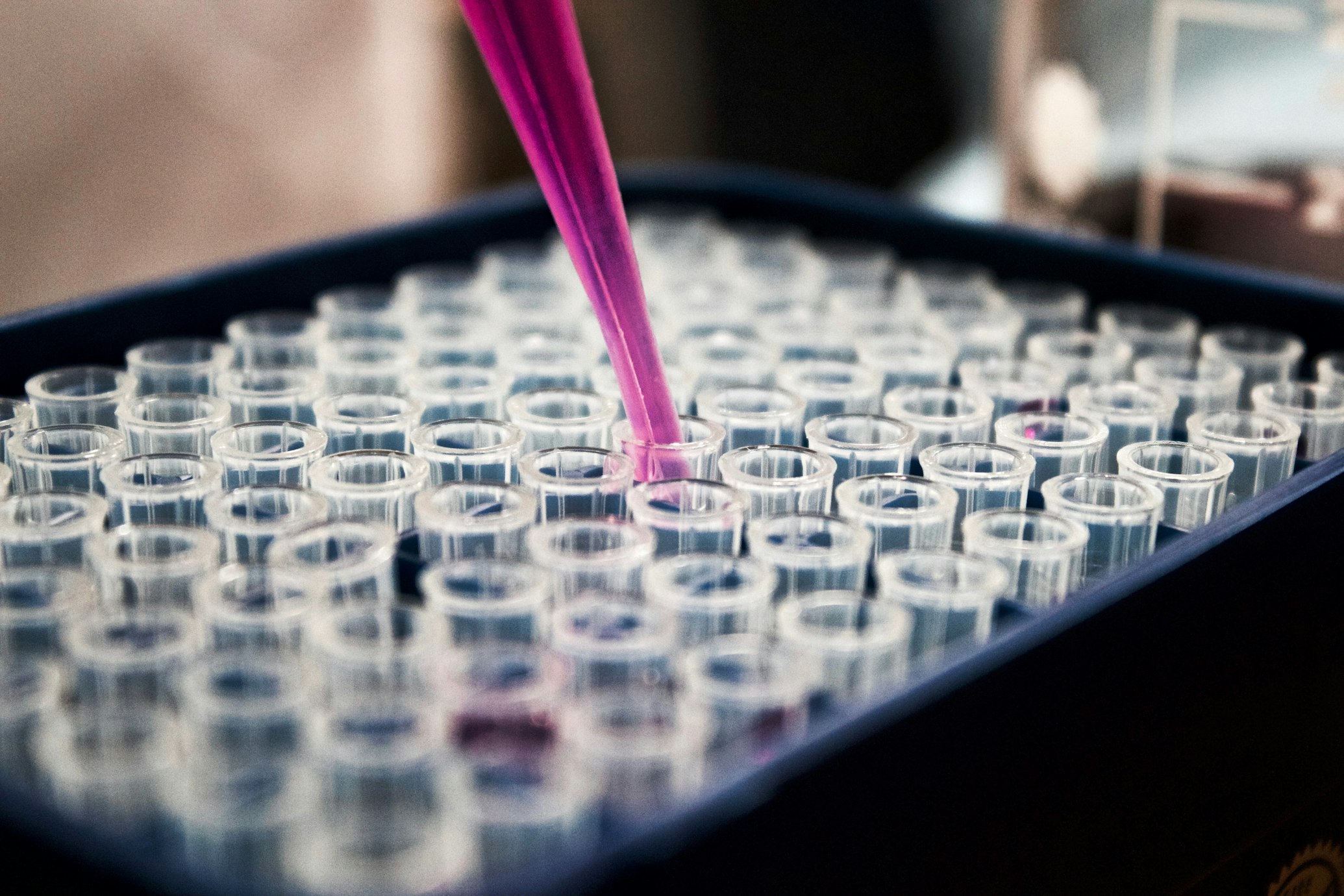
For decades, cancer researchers primarily studied tumors in simplistic two-dimensional Petri dishes, but these models failed to capture the complex reality of how tumors behave in the human body. Today, revolutionary engineered culture models are allowing scientists to recreate these tumor "cities" in the laboratory, opening unprecedented opportunities to understand cancer biology and develop more effective treatments.
The Evolution of Tumor Models: From Flat Sheets to 3D Worlds
Limitations of Traditional 2D Models
For most of the 20th century, cancer research relied heavily on two-dimensional (2D) cell cultures, where cells grow in a single layer on flat plastic surfaces. While these models are cost-effective, easy to use, and excellent for high-throughput drug screening, they suffer from a critical flaw: they don't replicate the three-dimensional environment where tumors naturally develop 8 .
In 2D cultures, cells experience unnatural physical constraints, receive uniform exposure to nutrients and oxygen, and lack the complex cell-to-cell and cell-to-matrix interactions that occur in living tissues. Consequently, cancer cells grown in 2D often behave differently than their in vivo counterparts, showing altered gene expression, metabolism, and drug responses 8 .
The Rise of 3D Models
The recognition of these limitations sparked a revolution in cancer modeling, leading to the development of sophisticated three-dimensional (3D) culture systems that better mimic the actual tumor environment 8 . These advanced models include:
- Multicellular spheroids: Simple spherical clusters of tumor cells
- Organoids: Miniature, simplified versions of tumors
- Organs-on-chips: Microfluidic devices that simulate organ functions
- 3D bioprinting: Precise arrangements of different cell types
Comparison of 2D vs. 3D Tumor Culture Models
| Parameter | 2D Culture | 3D Culture |
|---|---|---|
| Cell morphology | Flat | Close to in vivo morphology |
| Cell growth | Rapid cell proliferation; Contact inhibition | Slow cell proliferation |
| Cell function | Functional simplification | Close to in vivo cell function |
| Cell communication | Limited cell-cell communication | Cell-cell communication, cell-matrix communication |
| Cell polarity and differentiation | Lack of polarity or even disappearance; incomplete differentiation | Maintain polarity; Normal differentiation |
Source: 8
These 3D models don't just look more like real tumors—they behave more like them too. Studies have shown that drug responses in 3D models often more accurately predict how patients will respond to treatments compared to traditional 2D cultures 8 . This is particularly important for cancer drug development, where many compounds that show promise in conventional screens fail when tested in human patients.
A Closer Look at a Key Experiment: Decoding Tumor-Immune Interactions
The Experimental Approach
One of the most exciting applications of engineered tumor models is understanding how cancer cells interact with the immune system. A pioneering study demonstrated how tumor organoids co-cultured with immune cells could reveal critical insights into these interactions 4 .
The researchers developed a sophisticated co-culture platform combining peripheral blood lymphocytes with tumor organoids derived from patients with mismatch repair-deficient colorectal cancer and non-small cell lung cancer 4 .
Experimental Steps
- Tumor organoid establishment
- Optimized culture conditions
- Immune cell incorporation
- Real-time monitoring
- Therapeutic assessment
Key Components of Tumor Organoid Cultures
| Component | Function | Examples |
|---|---|---|
| Extracellular Matrix | Provides structural support and biochemical signals | Matrigel, collagen |
| Growth Factors | Support stem cell maintenance and proliferation | Wnt3A, R-spondin-1, EGF |
| Small Molecule Inhibitors | Create permissive environment for specific cell types | TGF-β receptor inhibitors |
| Nutrient Base | Provides essential nutrients for cell survival | Advanced culture media |
Source: 4
Findings and Implications
The results from this experiment were striking. The researchers successfully enriched tumor-reactive T cells from patients' peripheral blood and demonstrated that these cells could effectively mount a cytotoxic attack against the matched tumor organoids 4 .
Even more fascinating, the researchers observed that the pancreatic cancer organoids in their co-culture system triggered the activation of cancer-associated fibroblasts and promoted lymphocyte infiltration into the tumor-like structures 4 .
Research Significance
This experimental approach represents a significant advancement because it preserves the genetic characteristics of the original patient tumors while allowing researchers to study critical interactions between cancer cells and immune cells in a controlled environment.
The platform enables the evaluation of immunotherapy effectiveness at an individual level, potentially paving the way for more personalized cancer treatment strategies.
The Scientist's Toolkit: Key Reagents for Engineered Tumor Models
Creating these sophisticated tumor models requires specialized reagents and materials that provide the right structural and biochemical environment for cells to thrive and behave naturally.
Essential Research Reagents for Advanced Tumor Models
| Reagent Category | Specific Examples | Functions in Tumor Models |
|---|---|---|
| Extracellular Matrices | Matrigel, collagen, synthetic hydrogels | Provide 3D scaffolding that mimics tissue architecture; influence cell signaling and behavior |
| Cell Culture Media | Specialized media formulations with growth factors | Support cell survival, proliferation, and maintenance of organ-specific functions |
| Growth Factors & Cytokines | EGF, Wnt3A, R-spondin-1, Noggin | Direct cell differentiation and organization; maintain stem cell populations |
| Cell Separation Reagents | Enzymatic digestion cocktails, density gradient media | Isolate specific cell types from patient samples for co-culture systems |
| Analysis Reagents | Antibodies, fluorescent probes, tissue clearing reagents | Enable visualization and quantification of cell interactions and drug responses |
Each component plays a critical role in ensuring that these engineered models accurately represent real tumors. For instance, the extracellular matrix isn't just a passive scaffold—it actively influences cell behavior through biochemical and mechanical signals 8 . Similarly, the precise combination of growth factors can determine whether certain cell types survive and maintain their authentic functions in culture.
Future Directions: Where Are Tumor Models Heading?
The field of engineered tumor models continues to evolve at a rapid pace, with several exciting technologies poised to further enhance their capabilities:
Integration with Artificial Intelligence
Researchers are beginning to combine advanced tumor models with artificial intelligence (AI) and machine learning algorithms. Although this integration is still in its early stages, the potential is enormous 1 .
3D Bioprinting and Spatial Analysis
3D bioprinting offers unprecedented precision in arranging different cell types and extracellular matrix components to create increasingly accurate replicas of tumor ecosystems 1 .
Overcoming the Hypoxia Challenge
Researchers are also developing better ways to control oxygen levels in tumor models, as hypoxia (low oxygen) is a critical feature of most solid tumors 2 .
Spatial Transcriptomics Insights
One groundbreaking study used spatial technologies to identify "tumor microregions"—distinct cancer cell clusters separated by stromal components—and found that these regions vary significantly in size, density, and genetic activity across different cancer types 6 .
The study also revealed that immune cells are not randomly distributed throughout tumors but show specific patterns, with certain T cells concentrating within microregions and macrophages predominantly residing at tumor boundaries 6 .
Advanced Microfluidic Systems
Advanced microfluidic systems now allow precise control over oxygen concentrations while enabling real-time observation of cell behavior, overcoming limitations of traditional methods that either use chemical inducers of hypoxia or cumbersome sealed chambers 2 .
These systems provide more physiologically relevant models for studying how hypoxia influences cancer cell metabolism and resistance to therapy.
Conclusion: A New Era in Cancer Understanding
The development of sophisticated engineered culture models represents a paradigm shift in cancer research. By moving from simple 2D sheets of identical cancer cells to complex 3D ecosystems that incorporate multiple cell types and physical environments, scientists are finally able to study tumors in conditions that closely resemble how they exist in the human body.
These advanced models are already providing unprecedented insights into how cancer cells manipulate their surroundings, evade immune attacks, and develop resistance to treatments. More importantly, they serve as powerful platforms for drug discovery and personalized medicine, allowing researchers to test hundreds of potential therapies on miniature replicas of patient tumors before ever administering them to people.
As these technologies continue to evolve—incorporating AI, advanced bioprinting, and even more sophisticated biological components—they hold the promise of not only deepening our understanding of cancer biology but fundamentally transforming how we diagnose and treat this complex disease. The hidden world of tumors is finally being revealed, bringing us closer to a future where cancer can be more effectively controlled and ultimately defeated.