The Fungal Alchemist
How a Versatile Microbe Turns Palm Oil into Biochemical Gold
Article Navigation
Introduction: Nature's Molecular Factories
In the hidden world of microbial metabolism, a remarkable fungus named Phialemonium curvatum performs biochemical feats that could revolutionize sustainable biotechnology. When this unassuming organism encounters a droplet of palm oil, it launches a metabolic symphony radically different from when it feeds on simple sugars. Scientists are now decoding these molecular transformations through comparative metabolomics—a cutting-edge approach that analyzes hundreds of metabolites simultaneously. The revelations are profound: this fungus can rewire its entire metabolism based on its food source, activating specialized biochemical pathways that convert fats into valuable compounds 1 2 .
Key Discovery
P. curvatum produces 13× more intracellular lipids when grown on palm oil versus glucose, demonstrating remarkable metabolic flexibility.
Sustainability Impact
This research offers pathways to replace petroleum-based chemicals with sustainable fungal alternatives.
Why does this matter? With global industries seeking sustainable alternatives to petroleum-based chemicals, microbes that efficiently process plant oils offer thrilling possibilities. P. curvatum isn't just surviving on palm oil—it thrives, producing organic acids, biofuels, and pharmaceuticals while offering a blueprint for greener manufacturing 3 9 .
Decoding Metabolic Magic
Key Concepts: Metabolomics and Metabolic Flexibility
Metabolomics as a Molecular Microscope
At its core, metabolomics involves cataloging all small molecules (metabolites) in a cell. When scientists compare metabolomes—like those of P. curvatum grown on glucose versus palm oil—they uncover which energy pathways and biosynthetic routes the microbe prioritizes. Two approaches shine here:
Carbon Sources as Metabolic Switches
Glucose, the classic lab sugar, funnels into the tricarboxylic acid (TCA) cycle—the cell's powerhouse for energy. Palm oil, however, is a triglyceride. To use it, P. curvatum first secretes acid-tolerant lipases (enzymes breaking fats into fatty acids). These acids then enter:
This metabolic flexibility lets fungi store carbon as lipid bodies (intracellular oil droplets) or redirect flux toward valuable products 6 .
Landmark Experiment: Palm Oil vs. Glucose Showdown
Methodology: Tracking Molecular Transformations
In a pivotal 2020 study, researchers cultivated P. curvatum in minimalist mineral salt media (MSM) with either crude palm oil (MSM-P) or glucose (MSM-G) as the sole carbon source 2 .
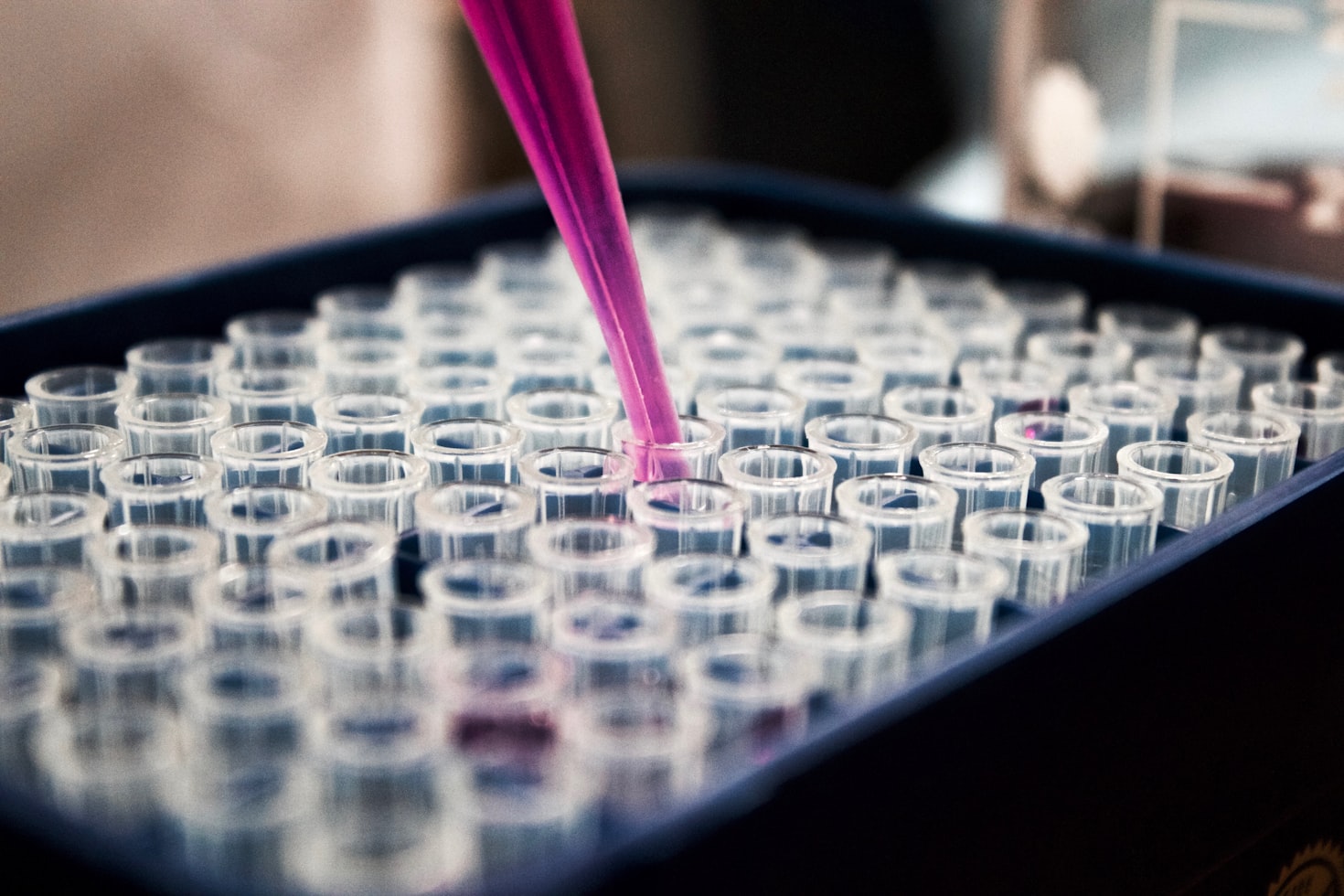
Experimental setup for fungal cultivation and metabolite analysis
- Growth Tracking: Radial growth on plates and biomass in liquid cultures were measured for 12 days.
- Enzyme Assays: Lipase activity was quantified using colorimetric substrates.
- Metabolite Extraction: Cells were flash-frozen, and metabolites extracted using liquid chromatography (LC) and gas chromatography (GC) separations.
- Mass Spectrometry (MS) Analysis:
- Targeted: LC-MS/MS-TripleQ and GC-MS measured TCA/glyoxylate cycle acids
- Untargeted: LC-MS/MS-QTOF profiled polar/semi-polar metabolites 1
- Data Crunching: Multivariate statistics (PCA, PLS-DA) pinpointed metabolite differences, validated via MetaboAnalyst 4
Table 1: Growth Performance of P. curvatum on Different Carbon Sources
| Growth Parameter | Glucose (MSM-G) | Palm Oil (MSM-P) |
|---|---|---|
| Radial Growth Rate (mm/day) | 5.5 ± 0 | 5.5 ± 0 |
| Biomass (Day 5, g/L) | 4.35 ± 0.2 | 4.49 ± 1.6 |
| Biomass (Stationary Phase, g/L) | 4.0 (Day 6) | 10.0 (Day 12) |
| Lipase Activity (U/100mL) | Undetectable | >300 |
Results & Analysis: Metabolic Metamorphosis
- Lipid Processing Powerhouse: On palm oil, P. curvatum produced 13× more intracellular lipids than on glucose. Microscopy revealed elongated lipid bodies acting as energy reserves 2 .
- Organic Acid Surge: Targeted metabolomics showed 4–8-fold increases in key acids when fungi switched to palm oil:
- Citric acid: ↑ 7.9×
- Malic acid: ↑ 5.2×
- Succinic acid: ↑ 4.1×
- Oxaloacetic acid: ↑ 6.7× 1
- Pathway Switching: Enzymatic assays confirmed palm oil triggered the glyoxylate cycle (fat adaptation), while glucose favored the full TCA cycle.
- Seven Key Metabolites: Untargeted analysis identified seven significantly altered molecules. Trehalose (a stress protector) dropped 4-fold in palm oil cultures, suggesting reduced metabolic stress versus glucose 2 .
Table 2: Organic Acid Changes in Central Carbon Metabolism
| Organic Acid | Fold-Change (Palm Oil vs. Glucose) | Role in Metabolism |
|---|---|---|
| Citric acid | 7.9× ↑ | TCA cycle starter |
| Malic acid | 5.2× ↑ | Glyoxylate cycle output |
| Succinic acid | 4.1× ↑ | Energy shuttle |
| Oxaloacetic acid | 6.7× ↑ | Precursor for amino acids |
Table 3: Top Metabolites Altered by Carbon Source
| Metabolite | Change (Palm vs. Glucose) | Function |
|---|---|---|
| Trehalose | 4.0× ↓ | Stress protection |
| Glycerophosphocholine | Significant ↓ | Membrane component |
| sn-Glycero-3-phospho-1-inositol | Significant ↓ | Signaling molecule |
| Citric acid | 7.9× ↑ | Central metabolic hub |
The Scientist's Toolkit: Metabolomics Essentials
Table 4: Key Research Reagents and Tools for Fungal Metabolomics
| Reagent/Tool | Function | Example in P. curvatum Study |
|---|---|---|
| Minimal Salt Media (MSM) | Controls nutrients; isolates carbon effects | MSM-P (palm oil) vs. MSM-G (glucose) |
| Triple Quadrupole LC-MS | Quantifies target metabolites sensitively | Measured TCA acids via LC-MS/MS |
| QTOF Mass Spectrometer | Detects unknown metabolites via high accuracy | Untargeted profiling via LC-MS/QTOF |
| MetaboAnalyst Software | Statistical analysis & pathway mapping | PCA/PLS-DA of 144 metabolites |
| Lipase Activity Assay | Confirms triglyceride breakdown capability | Detected >300 U/100mL in MSM-P |
| Cryogenic Grinders | Preserves metabolic state during extraction | Flash-frozen mycelia processing |
Conclusion: From Fungus to Future Factories
Phialemonium curvatum's metabolic agility illuminates a path toward sustainable bio-production. By channeling palm oil into the glyoxylate cycle, it generates precursors for organic acids—valuable in food, pharmaceuticals, and biodegradable plastics 1 . Moreover, its acidic lipases offer enzymes for industrial waste processing, while its 13-fold lipid storage hints at biofuel potential 2 6 .
Industrial Applications
Potential for biofuel production and waste processing
Pharmaceuticals
Production of valuable compounds like 4-hydroxybenzoic acid
Agriculture
Production of plant hormones like indole-3-acetic acid
Future research aims to engineer these pathways further. As one researcher notes: "Understanding carbon flux in omnipotent fungi allows us to reprogram them as cell factories for green chemistry." Already, this fungus produces 4-hydroxybenzoic acid (a preservative) and indole-3-acetic acid (a plant hormone) 9 —just a glimpse of its hidden talents.
In the quest to replace petroleum with biology, such metabolic alchemy isn't just fascinating—it's foundational. As metabolomics tools advance, we'll keep decoding nature's blueprints, one fungal cell at a time.