Nature's Red Gold: Brewing Plant Pigments in High-Tech Bioreactors
Harnessing the power of Perilla frutescens cells to produce vibrant, sustainable red pigments through cutting-edge biotechnology.
Article Navigation
Why Go Through All This Trouble?
The demand for natural colors is exploding. Consumers are increasingly wary of synthetic dyes like Red No. 40, seeking cleaner labels and healthier options . But sourcing natural reds from plants can be slow, land-intensive, and subject to the whims of weather and season. The answer? Bring the entire process indoors. By using plant cells in bioreactors, we can produce pure, consistent, and sustainable pigments year-round, with a fraction of the environmental footprint . The star of this story is Perilla frutescens, a plant whose cells are packed with a powerful red compound called anthocyanin.
Traditional Challenges
Seasonal variations, pesticide use, and large land requirements make traditional pigment extraction inefficient and environmentally taxing.
Bioreactor Solution
Controlled environments enable year-round production with minimal resources, creating consistent, high-quality pigments.
From Leaf to Lab: The Magic of Plant Cell Cultures
So, how do you get a plant to produce color without the plant itself? The process is a marvel of modern biotechnology.
The Starter Culture
It all begins with a tiny piece of a perilla plant—a leaf, a stem, or even a root. This piece, called an explant, is placed on a sterile, jelly-like growth medium containing nutrients and plant hormones. This encourages the cells to dedifferentiate, turning them into a fast-dividing, chaotic mass called callus.
Suspension Culture
Fragments of this callus are then transferred to a liquid growth medium in a flask and placed on a shaker. The motion breaks up the clumps, creating a free-floating soup of individual plant cells and small cell aggregates. This is your "cell line."
Scaling Up
Once a robust cell line is established, it's transferred to the main event: the bioreactor. This high-tech vessel gives scientists precise control over temperature, oxygen levels, pH, and nutrient supply, creating perfect conditions for pigment production.
Process Timeline
Day 0-7: Culture Initiation
Explant selection and sterilization, callus induction on solid medium.
Day 7-14: Suspension Establishment
Transfer to liquid medium, establishment of cell suspension culture.
Day 14-21: Bioreactor Inoculation
Scale-up to bioreactor systems, optimization of growth parameters.
Day 21+: Pigment Production
Elicitor addition, pigment accumulation, and harvest.
A Deep Dive: The Two-Stage Bioreactor Experiment
A pivotal experiment in this field demonstrates the clever strategy needed to turn plant cells into efficient factories. The core challenge is that the conditions for cell growth are often different from the conditions for pigment production. The solution? A two-stage process .
Stage 1: Multiplication Phase
Goal: Biomass Build-Up
- Rich "growth medium" with nutrients and hormones
- Optimized for rapid cell division
- Lasts several days until high cell density achieved
- Culture appears pale yellow and turbid
Stage 2: Production Phase
Goal: Color Elicitation
- Switch to "production medium" with elicitors
- Deliberately stressful conditions trigger defense mechanisms
- Cells produce protective anthocyanin pigments
- Culture turns deep red within 24-48 hours
Understanding Elicitors
Elicitors are molecules that trick the plant cells into thinking they are under attack by a pathogen or experiencing environmental stress . In response, the cells activate their defense mechanisms, which, in the case of perilla, involves producing copious amounts of protective red anthocyanin pigments.
Results and Analysis: A Dramatic Color Shift
The results of this two-stage approach are visually and quantitatively stunning. During Stage 1, the culture remains a pale, yellowish color. But within 24-48 hours of switching to Stage 2 and adding elicitors, the entire bioreactor broth begins to turn a deep, vibrant red.
Table 1: Cell Growth and Pigment Production Over Time in a Two-Stage Bioreactor
| Day (Stage) | Dry Cell Weight (g/L) | Anthocyanin Content (mg/L) | Culture Appearance |
|---|---|---|---|
| 0 (Start of S1) | 1.5 | 5 | Pale Yellow, Clear |
| 7 (End of S1) | 15.2 | 22 | Light Yellow, Turbid |
| 10 (48h in S2) | 15.8 | 185 | Deep Red, Opaque |
| 14 (End of S2) | 16.1 | 210 | Very Deep Red, Opaque |
This data shows how cell mass increases primarily in Stage 1 (Growth), while pigment production skyrockets only after the switch to the stressful Stage 2 (Production) environment.
Table 2: Effect of Different Elicitors on Pigment Yield
| Elicitor Type | Anthocyanin Yield (mg/L) | Relative Increase |
|---|---|---|
| None (Control) | 25 | - |
| Yeast Extract | 165 | 660% |
| Methyl Jasmonate | 210 | 840% |
| Chitosan Oligosaccharide | 190 | 760% |
Elicitors like Methyl Jasmonate (a plant stress hormone) are extremely effective at triggering the cells' pigment production pathways, leading to yields many times higher than un-elicited cells .
Table 3: Comparison of Anthocyanin Production Methods
| Parameter | Traditional Field Cultivation | Bioreactor Cell Culture |
|---|---|---|
| Land Use | High (acres per kg) | Very Low (single vessel) |
| Production Time | 3-4 months (seasonal) | 2-3 weeks (year-round) |
| Purity & Consistency | Variable (weather, soil) | Highly Consistent |
| Water & Pesticide Use | Significant | Minimal to None |
Bioreactor production offers a more reliable and environmentally friendly alternative to traditional agriculture for high-value pigments .
Visualizing the Process
Stage 1: Growth Phase
Pale yellow culture focused on biomass accumulation
Stage 2: Production Phase
Deep red culture after elicitor addition
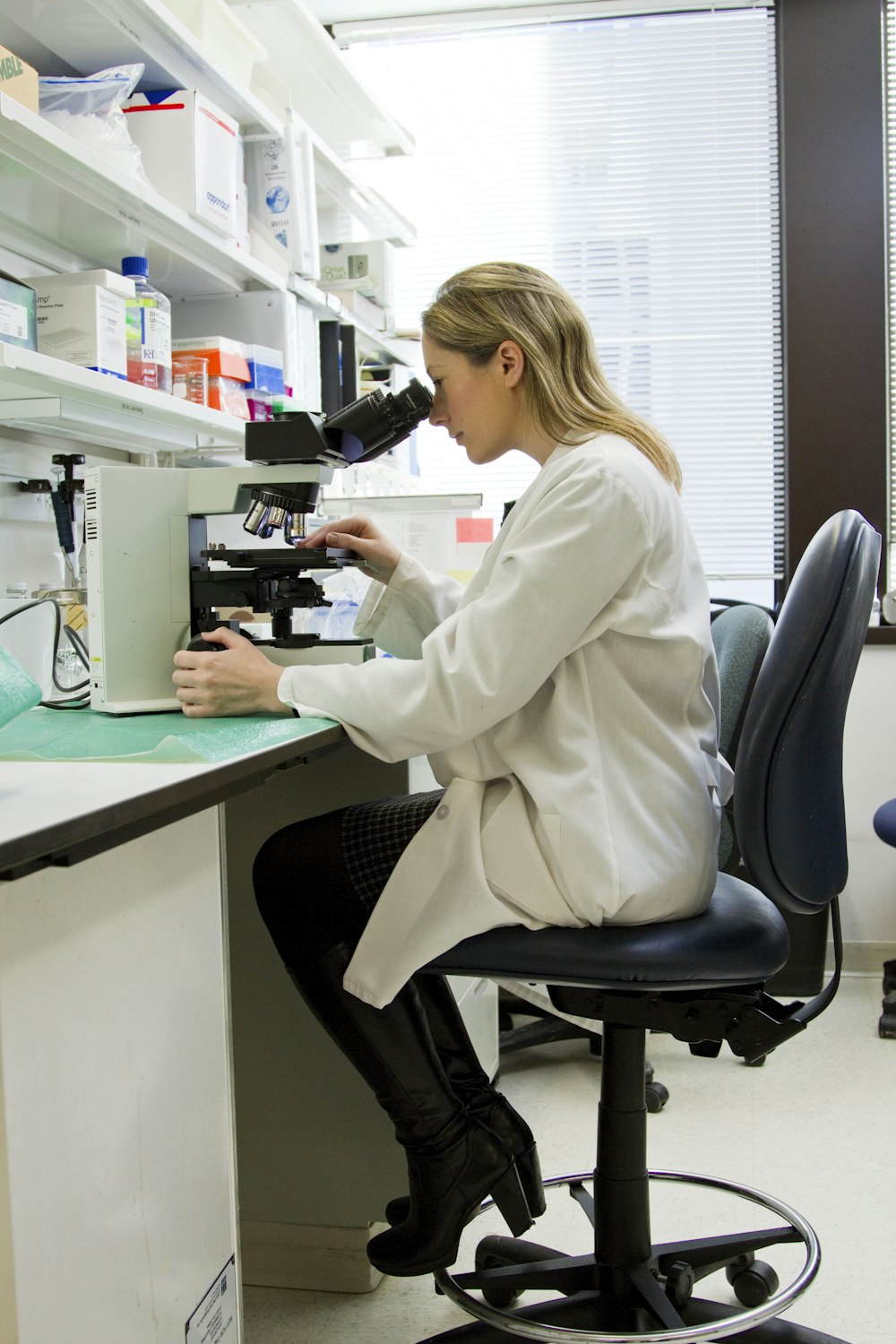
Modern Bioreactor
Precision-controlled environment for optimal production
The Scientist's Toolkit: Brewing Color in a Lab
What does it take to run these colorful experiments? Here's a look at the essential "ingredients."
Murashige and Skoog (MS) Medium
The classic, all-purpose liquid "food" for plant cells, providing essential salts, vitamins, and sugars.
Plant Growth Regulators
Synthetic hormones (e.g., 2,4-D) that keep cells in a fast-dividing state, perfect for building biomass.
Elicitors
Stress-inducing compounds (e.g., Yeast Extract) added in Stage 2 to trigger pigment production.
Sterile Bioreactor
A sealed vessel that allows for precise control of aeration, temperature, mixing, and pH.
Cell Line SC-1
A specific, high-yielding strain of Perilla frutescens cells, selected over many generations for stability and productivity.
"The precision of bioreactor technology allows us to create conditions that would be impossible in nature, optimizing every parameter for maximum pigment yield while minimizing resource consumption."
A Greener, More Colorful Future
The work of cultivating perilla cells in bioreactors is more than a laboratory curiosity; it's a blueprint for a new kind of agriculture.
Sustainable
Minimal land and water use compared to traditional agriculture
Efficient
Year-round production with consistent quality and yield
Versatile
Applications in food, cosmetics, textiles, and pharmaceuticals
It demonstrates that we can harness the intricate chemical factories within plant cells without the ecological cost of traditional farming. The vibrant reds produced in these tanks hold the promise for a future where our food, cosmetics, and textiles are colored by nature's own palette, brewed sustainably in a high-tech symphony of biology and engineering. The age of farming pigments, not just plants, has arrived.
