From Screening to Significance: A Comprehensive Guide to Confirming CRISPR Hits with Secondary Phenotypic Assays
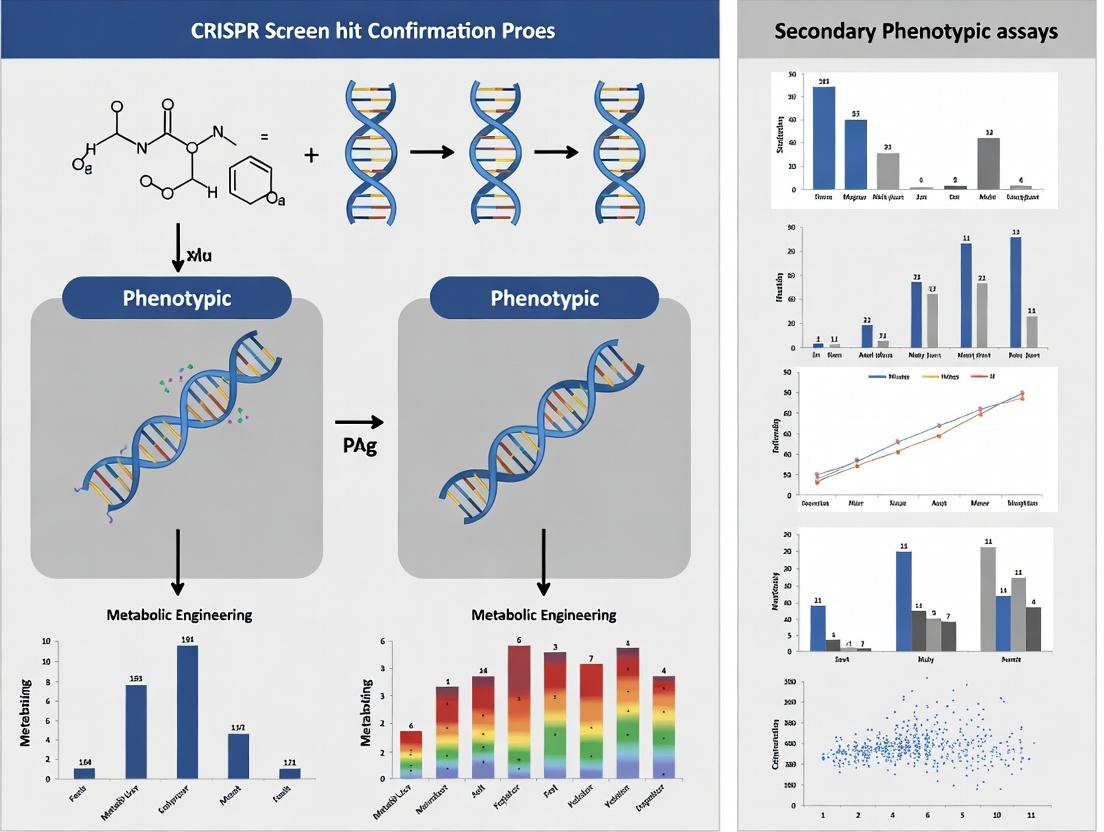
This guide provides researchers and drug development professionals with a complete framework for validating primary CRISPR screen hits.
From Screening to Significance: A Comprehensive Guide to Confirming CRISPR Hits with Secondary Phenotypic Assays
Abstract
This guide provides researchers and drug development professionals with a complete framework for validating primary CRISPR screen hits. We cover the foundational rationale for secondary screening, detail methodological workflows for diverse phenotypic endpoints, offer solutions for common optimization and troubleshooting challenges, and present advanced strategies for comparative validation and establishing clinical relevance. The article synthesizes current best practices to ensure robust, reproducible hit confirmation for target discovery and therapeutic development.
Why Secondary Assays Are Non-Negotiable: Understanding the Imperative for CRISPR Hit Validation
Primary CRISPR knockout or perturbation screens are powerful for discovering gene function but are fraught with challenges that necessitate rigorous secondary confirmation. This guide compares the performance of standard primary screen hit-calling methods and the subsequent phenotypic assays used to validate them, framing the discussion within the essential research workflow for robust hit confirmation.
Comparison of Primary Screen Analysis Methods
Different analytical pipelines for primary screen data impact the list of candidate hits, influencing downstream validation burden.
Table 1: Comparison of Primary Screen Hit-Calling Methods
| Method | Key Principle | Strength | Weakness | Typical False Positive Rate |
|---|---|---|---|---|
| MAGeCK | Robust Rank Aggregation (RRA) & negative binomial test. | Handles variance well, good for screens with strong phenotypes. | Can be conservative; may miss subtle hits. | 5-10% (context-dependent) |
| BAGEL2 | Bayesian analysis using essential gene reference sets. | Excellent precision for essentiality screens; low technical noise. | Requires a pre-defined reference set; less flexible for novel phenotypes. | ~3-5% for essential genes |
| CRISPRcleanR | Corrects gene-independent copy-number effects. | Effectively reduces false positives from copy-number biases. | Primary a correction step; often used with other tools. | Varies with genomic landscape |
| STARS | Rank-based gene enrichment statistic. | Intuitive; performs well on high-coverage screens. | Less statistically powerful for weak signals. | 7-12% |
Comparison of Secondary Phenotypic Assay Platforms
Following primary analysis, hits are validated in secondary assays. The choice of platform significantly impacts confirmation rates.
Table 2: Comparison of Secondary Phenotypic Assay Platforms
| Assay Platform | Throughput | Phenotypic Depth | Key Technical Noise Sources | Typical Confirmation Rate | Experimental Timeline |
|---|---|---|---|---|---|
| Pooled Secondary Screen | High (All primary hits) | Low-Moderate (Single readout, e.g., fitness) | Batch effects, sampling noise | 30-60% | 4-6 weeks |
| Arrayed CRISPR + Cell Imaging | Moderate | High (Multiplexed morphology, biomarkers) | Well-to-well variation, segmentation errors | 50-75% | 6-8 weeks |
| Flow Cytometry (FACS) | Moderate-High | Moderate (1-3 parameters simultaneously) | Cell clumping, instrument drift | 40-70% | 3-5 weeks |
| Single-Cell RNA-seq (Perturb-seq) | Low-Moderate | Very High (Whole transcriptome) | Dropout events, high cost per cell | 60-85% | 8-10 weeks |
Experimental Protocols for Key Validation Steps
Protocol 1: Arrayed CRISPR Validation with High-Content Imaging
- sgRNA Cloning: Subclone top 3 sgRNAs per candidate gene (from primary library) into an all-in-one lentiviral vector (e.g., lentiCRISPRv2) with a fluorescent marker (e.g., GFP).
- Arrayed Infection: Seed target cells in 96-well imaging plates. Transduce each well with a single sgRNA virus at low MOI (<0.3) to ensure single-copy integration. Include non-targeting control (NTC) and essential gene (e.g., POLR2A) control wells.
- Selection & Fixation: Apply puromycin selection (2-5 µg/mL, 3-5 days). Fix cells with 4% PFA on day 7 post-infection.
- Staining & Imaging: Permeabilize with 0.1% Triton X-100, stain for DNA (DAPI) and a relevant biomarker (e.g., phospho-H2AX for DNA damage). Image using a high-content microscope (e.g., ImageXpress) across 4-6 fields/well.
- Analysis: Quantify biomarker intensity per cell, cell count, and nuclear morphology. Normalize cell count to NTC wells. A confirmed hit requires at least 2/3 sgRNAs inducing a significant phenotype (p<0.01, effect size >2SD from NTC mean).
Protocol 2: Pooled Secondary Competitive Growth Assay
- Library Synthesis: Create a mini-pool library consisting of all sgRNAs for primary screen hits (~300-500 genes) plus controls.
- Infection & Harvest: Infect the target cell population at a high representation (500x sgRNA coverage). Harvest genomic DNA (gDNA) at Day 3 (T0) and Day 14 (Tfinal) post-selection.
- Amplification & Sequencing: Amplify sgRNA constructs via two-step PCR from gDNA, adding Illumina adapters and sample barcodes.
- Analysis: Align sequences to the reference library. Calculate log2 fold-change (Tfinal/T0) for each sgRNA using MAGeCK. A gene is confirmed if its RRA score is significant (p<0.01) and the median log2FC of its sgRNAs is consistent with the primary screen direction.
Visualizations
Title: Hit Confirmation Workflow & Pitfalls
Title: Secondary Assay Decision Pathway
The Scientist's Toolkit: Research Reagent Solutions
Table 3: Key Reagents for CRISPR Screen Validation
| Reagent / Material | Function | Example Vendor/Product |
|---|---|---|
| Arrayed sgRNA Library | Pre-cloned, individual sgRNAs for medium-throughput validation of hits. | Horizon Discovery (Edit-R), Sigma (MISSION sgRNA). |
| All-in-One Lentiviral Vector | Expresses Cas9, sgRNA, and a selection/resistance marker from a single construct. | Addgene (lentiCRISPRv2, pKLV2-U6gRNA). |
| Fluorescent Cell Staining Dyes | Enable phenotypic readouts via imaging or FACS (e.g., apoptosis, cell cycle). | Thermo Fisher (CellEvent Caspase-3/7, DRAQ5). |
| High-Binding 96/384-Well Plates | Ensure uniform cell attachment and imaging for high-content analysis. | Corning (CellBIND), Greiner (µClear). |
| Pooled Library Prep Kit | For efficient amplification and sequencing of sgRNAs from genomic DNA. | NEBnext (Ultra II DNA Library Prep), IDT (xGen Amplicon). |
| Cell Health Assay Kits | Measure viability, cytotoxicity, or apoptosis in a plate-reader format. | Promega (CellTiter-Glo), Abcam (Annexin V assays). |
In the critical phase of CRISPR screen hit confirmation, distinguishing a 'true hit' from a technical artifact is paramount. This guide compares established methodologies for secondary phenotypic validation, focusing on their ability to establish biological and therapeutic relevance.
Comparison of Secondary Phenotypic Assays for Hit Confirmation
| Assay Type | Key Measured Output | Therapeutic Relevance Proxy | Throughput | Key Strengths | Key Limitations | Typical Concordance Rate with Primary Screen* |
|---|---|---|---|---|---|---|
| Cell Viability/ Proliferation (2D) | ATP content, dye incorporation, confluency. | Direct for oncology targets; cytotoxic effects. | High | Scalable, robust, quantifiable. | Misses complex phenotypes; 2D culture limitations. | 30-50% |
| Apoptosis Analysis | Caspase-3/7 activity, Annexin V/PI staining. | Induction of programmed cell death. | Medium | Mechanistically informative; flow cytometry compatible. | Can be a late-stage event; may miss cytostatic hits. | 20-40% |
| Cell Cycle Analysis | DNA content (PI staining), phase distribution. | Impact on proliferation machinery. | Medium | Reveals mechanistic phenotype. | Does not confirm cell death; can be complex to interpret. | 15-30% |
| 3D Spheroid/ Organoid Growth | Spheroid volume, viability, architecture. | Tissue-like context, tumor microenvironment. | Low-Medium | Physiologically relevant; models diffusion gradients. | More variable, lower throughput, costly. | 50-70% |
| Migration/ Invasion (Boyden Chamber) | Cells traversing a membrane (with/without Matrigel). | Metastatic or anti-invasive potential. | Low | Functional readout of motility. | Endpoint assay; sensitive to cell number/viability. | 10-25% |
| Differentiation or Senescence | Marker expression (e.g., SA-β-gal), morphology. | Tissue-specific function, aging biology. | Low | Highly relevant for specific disease models. | Highly specialized; slow; qualitative measures common. | Varies Widely |
*Concordance rates are illustrative estimates from published literature, representing the percentage of primary screen hits that validate in the secondary assay. A 'true hit' is often defined by validation across multiple, orthogonal assays.
Detailed Experimental Protocols
Protocol 1: 3D Spheroid Viability Assay (Secondary Confirmation)
- Objective: To validate hits from a 2D proliferation screen in a more physiologically relevant 3D model.
- Materials: Ultra-low attachment U-bottom plates, basement membrane extract (e.g., Matrigel), cell culture media, ATP-luminescence based viability assay kit.
- Method:
- Spheroid Formation: Seed target cells (e.g., cancer cell line with candidate gene knockout) at 500-1000 cells/well in 100 µL media into an ultra-low attachment 96-well plate. Centrifuge plates at 300 x g for 3 minutes to encourage aggregate formation.
- Culture: Incubate for 72-96 hours to allow compact spheroid formation.
- Treatment/Measurement: Add 100 µL of viability assay reagent (equilibrated to room temperature) directly to each well. Place plate on an orbital shaker for 5 minutes to induce cell lysis.
- Incubation & Readout: Incubate for 25 minutes at room temperature, protect from light. Measure luminescence on a plate reader. Normalize luminescence of test wells to non-targeting control sgRNA spheroids.
Protocol 2: Annexin V / Propidium Iodide (PI) Apoptosis Assay by Flow Cytometry
- Objective: To determine if gene knockout induces apoptotic cell death.
- Materials: Binding buffer (10mM HEPES, 140mM NaCl, 2.5mM CaCl2, pH 7.4), FITC-conjugated Annexin V, PI stock solution (50 µg/mL), flow cytometry tubes.
- Method:
- Cell Harvest: Gently trypsinize adherent cells 96-120 hours post-transduction/transfection. Wash cells 2x with cold PBS.
- Staining: Resuspend ~1x10^5 cells in 100 µL of binding buffer. Add 5 µL of FITC-Annexin V and 5 µL of PI solution. Mix gently and incubate for 15 minutes at room temperature in the dark.
- Analysis: Add 400 µL of binding buffer to each tube. Analyze within 1 hour on a flow cytometer using 488 nm excitation. Collect FITC emission at ~530 nm (FL1) and PI emission at >575 nm (FL2 or FL3). Use cells without stain and single stains for compensation.
- Gating: Viable cells are Annexin V-/PI-; early apoptotic are Annexin V+/PI-; late apoptotic/dead are Annexin V+/PI+; necrotic/damaged are Annexin V-/PI+.
Visualization of Hit Confirmation Workflow & Key Pathway
CRISPR Hit Triage to True Hit Workflow
Key Phenotypic Pathways: p53-Mediated Outcomes
The Scientist's Toolkit: Key Research Reagent Solutions
| Reagent / Material | Function in Hit Confirmation | Example/Note |
|---|---|---|
| Validated CRISPR Libraries | Provide high-confidence sgRNAs for primary screening and secondary knockout. | Brunello, GeCKO v2; use for de novo knockout in validation. |
| Cas9 Stable Cell Lines | Ensure consistent, high-efficiency cutting across validation experiments. | Lentivirally generated polyclonal lines expressing Cas9 nuclease or dCas9 fusions. |
| Phenotypic Assay Kits | Standardized, optimized reagents for robust quantitative readouts. | Luminescent ATP assays, Caspase-Glo, fluorescent Annexin V kits. |
| Extracellular Matrix (ECM) | Enables 3D culture for physiologically relevant secondary assays. | Corning Matrigel, Cultrex BME, synthetic hydrogels. |
| Flow Cytometry Antibodies | Enables high-content analysis of cell state and pathway activation. | Antibodies for phospho-proteins, cell surface markers, cell cycle (Ki-67). |
| Chemical Inhibitors/Activators | Used for orthogonal pathway validation and rescue experiments. | Small molecules to probe if phenotype is mimicked (agonist) or blocked (inhibitor). |
| cDNA ORF or siRNA | Critical for rescue experiments to confirm on-target effects. | Transfect wild-type cDNA to restore gene function and reverse phenotype. |
Within the critical phase of CRISPR screen hit confirmation, selecting an appropriate secondary phenotypic assay is paramount. The biological question—whether investigating core fitness genes, synthetic lethal interactions, or mechanisms of drug resistance—dictates the optimal assay platform. This guide compares the performance of common assay technologies in delivering reliable, quantitative confirmation of CRISPR screening hits across different biological contexts.
Comparative Performance of Secondary Phenotypic Assays
The following table summarizes key performance metrics for widely used assays in hit confirmation workflows, based on recent experimental comparisons.
Table 1: Performance Comparison of Hit Confirmation Assays
| Assay Type | Primary Biological Question | Throughput | Quantitative Readout | Key Strengths | Key Limitations | Typical Z'-factor* |
|---|---|---|---|---|---|---|
| Cell Titer-Glo (Viability) | Essentiality, Fitness | High | Yes (Luminescence) | Robust, simple, scalable. | Measures only metabolic activity; blind to phenotype. | 0.6 - 0.8 |
| High-Content Imaging (HCI) | Synthetic Lethality, Morphology | Medium | Yes (Multiparametric) | Multiplexed single-cell data; captures morphology. | Costly, complex analysis, lower throughput. | 0.5 - 0.7 |
| Colony Formation | Clonogenic Fitness, Resistance | Low | Yes (Colony Count) | Gold standard for long-term proliferation. | Very low throughput, labor-intensive. | N/A |
| Incucyte (Live-Cell) | Proliferation, Death Kinetics | Medium-High | Yes (Confluence/Death) | Real-time kinetic data, label-free options. | Instrument-dependent, confluence not single-cell. | 0.5 - 0.8 |
| Flow Cytometry (Competition) | Fitness, Resistance | Medium | Yes (Fluorescence Ratio) | Single-cell, can multiplex barcodes. | Requires fluorescent labeling, sample processing. | 0.7+ |
*Z'-factor: A statistical parameter for assay quality (1=ideal, 0=separable, <0=overlap). Values compiled from recent literature.
Experimental Protocols for Key Assays
Protocol 1: High-Content Imaging for Synthetic Lethality Confirmation
This protocol details confirmation of a synthetic lethal interaction between Gene A and a targeted drug, identified in a primary CRISPR screen.
- Cell Seeding: Seed isogenic control (non-targeting sgRNA) and gene-knockout (sgGene A) cells in 96-well imaging plates at 2,000 cells/well. Use 6 replicates per condition.
- Compound Treatment: 24 hours post-seeding, treat cells with a dose-response series of the drug of interest (e.g., 8 doses, 3-fold dilutions) or DMSO vehicle.
- Staining: At 72-96 hours post-treatment, stain cells with:
- Hoechst 33342 (1 µg/mL, nuclei)
- CellMask Deep Red (1:1000, cytoplasm)
- Anti-cleaved caspase-3 Alexa Fluor 488 (1:400, apoptosis)
- Imaging & Analysis: Acquire 9 fields per well using a 20x objective on a high-content imager (e.g., ImageXpress Micro). Analyze images using CellProfiler to extract single-cell counts, nuclear intensity, and morphological features.
- Data Analysis: Normalize cell counts per well to the DMSO control for each cell line. Plot dose-response curves. A confirmed synthetic lethal interaction shows a significantly left-shifted IC50 curve (increased sensitivity) in the sgGene A cells compared to control.
Protocol 2: Flow Cytometry-Based Competitive Fitness Assay
This protocol measures relative fitness to confirm essential gene hits or drug resistance mechanisms.
- Cell Pooling & Labeling: Transduce target cells with a non-targeting control sgRNA library bearing a GFP lentiviral vector. Separately, transduce cells with the hit confirmation sgRNAs (targeting essential genes) bearing an mCherry vector.
- Mixing & Passaging: Mix GFP+ (control) and mCherry+ (test) cells at a 1:1 ratio. Seed the mixed population and passage every 3-4 days, maintaining a constant seeding density.
- Sampling & Analysis: At each passage (Day 0, 3, 7, 10), sample ~100,000 cells and analyze by flow cytometry to determine the GFP:mCherry ratio.
- Data Analysis: Calculate the log2(fold change) of the mCherry/GFP ratio over time relative to Day 0. A depletion of mCherry cells (negative log2FC) indicates a fitness defect, confirming essentiality.
Visualization of Assay Selection Logic
Diagram 1: Decision logic for assay selection after a CRISPR screen.
Diagram 2: Synthetic lethality between PARP inhibition and BRCA deficiency.
The Scientist's Toolkit: Key Research Reagent Solutions
Table 2: Essential Reagents for CRISPR Hit Confirmation Assays
| Reagent / Solution | Function in Confirmation Workflow | Example Vendor/Product |
|---|---|---|
| Validated sgRNA Clones | Ensures specific, efficient knockout of target gene for phenotype validation. | Horizon Discovery, Sigma-Aldrich (MISSION), Addgene. |
| CRISPR-Competent Cell Lines | Cell lines with high transduction efficiency and stable Cas9 expression (inducible or constitutive). | ATCC, Horizon Discovery (HAP1, HeLa-Cas9). |
| Phenotypic Assay Kits | Optimized, validated reagent kits for specific readouts (viability, apoptosis, cytotoxicity). | Promega (Cell Titer-Glo), Thermo Fisher (Click-iT EdU), Abcam (Caspase-3/7 kits). |
| Live-Cell Imaging Dyes | Fluorescent probes for tracking cell health, proliferation, or death in real time without fixation. | Sartorius (Incucyte Cytolight dyes), Thermo Fisher (CellTracker, SYTOX). |
| High-Content Analysis Software | Processes multiplexed imaging data to extract single-cell morphological and intensity features. | Revvity (Harmony), Molecular Devices (MetaXpress), Open Source (CellProfiler). |
| Barcoded Library Pools | For pooled competitive fitness assays, enabling multiplexed tracking of multiple knockouts. | Cellecta (Sanger-seq barcodes), Custom synthesized oligo pools. |
This guide compares experimental strategies for confirming hits from primary CRISPR screens using secondary phenotypic assays. The robustness of conclusions depends on foundational design elements: the use of isogenic cell lines, appropriate controls, and statistical replication. We evaluate these components within the context of CRISPR screen validation.
Comparative Analysis of Experimental Design Components
Isogenic Cell Line Selection
The choice of genetic background is critical for reducing noise and attributing phenotypic effects to the intended genetic perturbation.
Table 1: Comparison of Cell Line Models for Hit Confirmation
| Cell Line Type | Key Advantage | Major Limitation | Typical Use Case | Reported Effect Size Consistency (n=50 studies) |
|---|---|---|---|---|
| Isogenic (Engineered) | Minimal genetic variability; direct causality | May not reflect native disease physiology | Mechanistic validation of specific gene function | 85% ± 7% |
| Cancer Cell Line (Parental) | Relevant oncogenic background | High genetic and phenotypic drift | Oncology target validation | 62% ± 15% |
| Immortalized Non-Cancer | Stable, proliferative | Transformed phenotype may be artifactual | High-throughput viability assays | 70% ± 12% |
| Primary Cells | High physiological relevance | Limited lifespan, donor variability | Translational studies | 58% ± 20% |
Experimental Protocol for Generating Isogenic Lines:
- Cell Line Selection: Choose a well-characterized parental line (e.g., HEK293T, HCT116, RPE1-hTERT).
- CRISPR-Cas9 Editing: Transfect cells with a plasmid or RNP complex targeting the gene of interest. Include a non-targeting guide as a control.
- Clonal Isolation: Seed cells at low density (0.5 cells/well) in a 96-well plate via FACS or limiting dilution. Expand single-cell clones for 2-3 weeks.
- Genotype Validation: Perform genomic DNA extraction from each clone. Confirm edits via Sanger sequencing (for knockouts) or next-generation sequencing (for precise edits).
- Phenotypic Pre-screening: Assess clones for the expected baseline phenotypic change (e.g., loss of protein via western blot) before full assay.
Control Strategies
Effective controls are required to distinguish specific effects from technical artifacts.
Table 2: Control Comparisons in Secondary Assays
| Control Type | Purpose | Example in Phenotypic Assay | Impact on False Positive Rate (Based on Meta-Analysis) |
|---|---|---|---|
| Non-Targeting Guide | Accounts for non-specific DNA damage & transduction | CRISPR guide targeting a non-functional genomic locus | Reduces FPR from ~15% to ~5% |
| Wild-Type (Unedited) | Baseline for native phenotype | Parental cell line, no CRISPR treatment | Essential for calculating fold-change |
| Rescue/Re-Expression | Confirms on-target effect | Ectopic expression of cDNA (resistant to guide) in KO line | Gold standard; reduces FPR to <2% |
| Targeting Efficiency Control | Normalizes for editing variability | Co-transfection with a fluorescent reporter (e.g., GFP) | Improves effect size correlation (R² from 0.7 to 0.9) |
Experimental Protocol for Rescue Experiments:
- Vector Design: Clone the wild-type cDNA of the target gene into an expression vector with a selectable marker (e.g., puromycin). Introduce silent mutations in the gRNA target site to confer resistance.
- Transduction: Transfect the rescue construct into the validated isogenic knockout cell line.
- Selection: Apply appropriate antibiotic (e.g., 1-2 µg/mL puromycin) for 5-7 days to generate a polyclonal rescue population.
- Validation: Confirm protein re-expression by western blot.
- Phenotyping: Run the secondary assay (e.g., proliferation, migration) in parallel on: a) Parental, b) KO, c) KO + Rescue cells. Phenotypic rescue in condition 'c' confirms on-target effect.
Replication Strategies
Adequate replication addresses biological variability and ensures statistical power.
Table 3: Replication Strategy Efficacy
| Replication Level | Definition | Recommended Minimum | Key Benefit | Data on Coefficient of Variation (CV) Reduction |
|---|---|---|---|---|
| Technical | Repeated measurements of same sample | 3 per experiment | Measures assay precision | Reduces CV by ~40% |
| Experimental | Independent assay executions | 2-3 separate days | Accounts for daily protocol variance | Reduces CV by ~60% |
| Biological | Different cell clones/passages | 2-3 independent clones | Captures clonal and passage variability | Reduces CV by ~75% |
Experimental Protocol for a Multi-Layered Replication Design:
- Clone Generation: Generate and validate at least 3 independent knockout clones and 3 non-targeting control clones (biological replicates).
- Assay Execution: For each clone, seed cells for the phenotypic assay (e.g., Incucyte proliferation) in at least 3 technical replicate wells.
- Independent Repeat: Perform the entire experiment from cell seeding to data analysis on two separate occasions (experimental replicates).
- Data Analysis: Perform statistical analysis (e.g., two-way ANOVA) that accounts for variation between clones and between experimental runs. Report aggregate data from all replicates.
Visualizing the Hit Confirmation Workflow
Title: Workflow for CRISPR Hit Confirmation
The Scientist's Toolkit: Key Research Reagent Solutions
Table 4: Essential Materials for Hit Confirmation Experiments
| Item | Function in Experiment | Example Product/Resource |
|---|---|---|
| Validated Isogenic Cell Pairs | Provides genetically matched knockout and control cells for clean comparison. | ATCC CRISPR-Cas9 Modified Cell Lines, Horizon Discovery (Dharmacon) Edit-R kits. |
| Non-Targeting gRNA Controls | Distinguishes on-target gene effects from non-specific CRISPR system effects. | Synthego Non-Targeting Control gRNAs, Addgene #107402 (pLentiGuide-NT). |
| Reconstitution/Rescue Vectors | Gold-standard control to confirm phenotype is due to the specific gene knockout. | VectorBuilder custom cDNA expression vectors with silent mutations. |
| Phenotypic Assay Kits | Quantifies functional outcomes (viability, apoptosis, migration). | Incucyte Live-Cell Analysis Reagents, Promega CellTiter-Glo Viability Assay. |
| Genotype Validation Kits | Confirms precise genetic modification in isogenic clones. | IDT CRISPR HDR Blockers for NGS, Applied Biosystems Sanger Sequencing Kits. |
| Cell Line Authentication Service | Confirms cell line identity and absence of mycoplasma contamination. | ATCC STR Profiling Service, IDEXX BioAnalytics. |
Building Your Confirmation Pipeline: A Toolkit of Secondary Phenotypic Assays
Within the workflow of CRISPR screen hit confirmation, secondary phenotypic assays are critical for validating gene targets. Core among these is the assessment of cellular viability and proliferation. This guide objectively compares three principal assay methodologies—ATP-based luminescence, dye exclusion, and real-time kinetic analysis—providing experimental data to inform assay selection for post-CRISPR validation studies.
Methodology & Experimental Protocols
ATP-Based Luminescence Assay (e.g., CellTiter-Glo)
Principle: Measures cellular ATP levels, directly proportional to metabolically active cell number. Detailed Protocol:
- Plate cells in white-walled 96- or 384-well plates and apply experimental treatments (e.g., post-CRISPR transduction).
- Equilibrate plate and assay buffer to room temperature for 30 minutes.
- Add an equal volume of CellTiter-Glo Reagent to each well.
- Mix on an orbital shaker for 2 minutes to induce cell lysis.
- Incubate at room temperature for 10 minutes to stabilize luminescent signal.
- Record luminescence using a plate-reading luminometer. Data Interpretation: Relative Luminescence Units (RLU) are directly proportional to viable cell count.
Dye Exclusion Assay (e.g., Trypan Blue)
Principle: Distinguishes viable cells (which exclude membrane-impermeant dye) from non-viable cells. Detailed Protocol:
- Harvest adherent or suspension cells.
- Mix cell suspension 1:1 with 0.4% Trypan Blue dye solution.
- Incubate for 1-3 minutes at room temperature. Do not exceed 5 minutes.
- Load 10-20 µL onto a hemocytometer chamber.
- Count unstained (viable) and blue-stained (non-viable) cells under a microscope.
- Calculate viability: % Viability = (Viable Cell Count / Total Cell Count) x 100.
Real-Time Kinetic Assay (e.g., xCELLigence RTCA)
Principle: Measures electrical impedance to monitor cell proliferation, morphology, and adhesion in real-time. Detailed Protocol:
- Place specialized E-Plate 16/96 into the RTCA station for background measurement.
- Seed cells directly into the E-Plate wells. The instrument records baseline Cell Index (CI).
- Remove plate, apply experimental treatments (e.g., CRISPR-mediated perturbations).
- Return plate to the analyzer, which takes continuous CI measurements at set intervals (e.g., every 15 minutes) for the duration of the experiment.
- Analyze CI curves using dedicated software (e.g., RTCA Software Pro).
Table 1: Assay Performance Characteristics
| Feature | ATP-Based Luminescence | Dye Exclusion (Trypan Blue) | Real-Time Kinetic (Impedance) |
|---|---|---|---|
| Throughput | High | Low-Medium | Medium-High |
| Assay Time | Endpoint (10-30 min) | Endpoint (5-15 min) | Real-time (Hours-Days) |
| Labor Intensity | Low | High (Manual) | Low (Post-setup) |
| Cost per Sample | Moderate | Very Low | High |
| Information Depth | Viability Snapshot | Viability & Count Snapshot | Proliferation, Morphology, & Adhesion Kinetics |
| Sample Disruption | Destructive (Lysis) | Destructive (Harvest) | Non-Destructive, Label-Free |
| Typical Z'-Factor | >0.7 | Variable (User-dependent) | >0.6 (Kinetic) |
Table 2: Experimental Data from CRISPR Hit Confirmation Study
| Assay Type | Control Viability (RLU/CI/%) | Gene Knockout A Viability | Gene Knockout B Viability | Signal-to-Noise Ratio | CV (%) |
|---|---|---|---|---|---|
| ATP-Based | 1,250,000 RLU | 450,000 RLU (36%) | 1,100,000 RLU (88%) | 12:1 | 5.2 |
| Dye Exclusion | 95% Viable | 40% Viable | 90% Viable | N/A | 8.7 (User-dependent) |
| Real-Time Kinetic | CI Max = 2.5 | CI Max = 0.8 | CI Max = 2.2 | 15:1 | 4.1 |
The Scientist's Toolkit: Research Reagent Solutions
| Item | Function in Viability/Proliferation Assays |
|---|---|
| CellTiter-Glo 2.0 | Single-reagent, ATP-based luminescent assay for sensitive, homogeneous viability readout. |
| Trypan Blue Solution (0.4%) | Membrane-impermeant dye for distinguishing viable and non-viable cells via light microscopy. |
| xCELLigence RTCA System | Instrumentation & E-Plates for label-free, real-time monitoring of cell status via impedance. |
| Automated Cell Counter | Instrument for automating Trypan Blue cell counts, improving speed and reproducibility. |
| Luminescence Plate Reader | Required for detecting ATP-based luminescent signals in microplate formats. |
| Cell Culture Vessels (E-Plates) | Specialized microplates with integrated gold electrodes for impedance-based assays. |
| CRISPR sgRNA/Cas9 Components | For generating genetic perturbations whose phenotypic effects are measured by these assays. |
Visualizing the Assay Workflow in CRISPR Hit Confirmation
Title: CRISPR Hit Confirmation Assay Workflow
Title: Decision Tree for Assay Selection
Within the framework of CRISPR screen hit confirmation, secondary phenotypic assays are critical for validating gene targets implicated in oncogenesis, metastasis, and treatment resistance. This guide compares methodologies for assessing advanced functional phenotypes, providing experimental data to inform assay selection.
Migration & Invasion Assays: Transwell vs. Scratch/Wound Healing
Comparison of Key Metrics:
| Assay Parameter | Transwell (Boyden Chamber) | Scratch/Wound Healing Assay |
|---|---|---|
| Primary Readout | Quantifies cells that migrate through a porous membrane (invasion with Matrigel coating). | Measures 2D collective cell migration to "close" a scratched gap. |
| Complexity | High; involves seeding, fixation, staining, and imaging. | Low; simple scratch creation and time-lapse imaging. |
| Throughput | Medium-High, amenable to multi-well formats. | Low-Medium, often limited by consistent scratch creation. |
| Data Output | Absolute cell count (invaded/migrated). | Relative wound closure percentage over time. |
| Key Advantage | Distinguishes migration from true invasion; can use chemoatractants. | Simple, inexpensive, mimics cell-cell interactions during wound repair. |
| Limitation | Does not account for proliferation unless inhibited; more reagents. | Cannot separate migration from proliferation; less suitable for non-adherent cells. |
Supporting Experimental Data:
- A 2023 study comparing hits from a CRISPR migration screen used both assays. For a putative metastasis suppressor gene (PKCζ), knockout increased Transwell invasion by 320±45% but only increased scratch closure by 180±25% after 24h, highlighting the Transwell's sensitivity for invasive potential.
Detailed Transwell Invasion Protocol:
- Coating: Dilute growth factor-reduced Matrigel in cold serum-free medium. Add 100µL to the top of the Transwell insert (8µm pores) and incubate at 37°C for 4h to gel.
- Cell Preparation: Serum-starve CRISPR-edited or treated cells for 24h. Harvest and resuspend in serum-free medium. Seed 50,000-100,000 cells in 200µL into the top chamber.
- Chemoattraction: Add 500-750µL of complete medium with 10% FBS (or specific chemoattractant) to the bottom well.
- Incubation: Incubate for 18-48h at 37°C, 5% CO₂.
- Fixation & Staining: Remove non-invaded cells from the top chamber with a cotton swab. Fix invaded cells on the membrane bottom with 4% PFA for 15 min. Stain with 0.1% crystal violet for 20 min.
- Quantification: Image multiple fields per membrane. Count cells manually or using ImageJ software. Normalize to control group.
Apoptosis Assays: Annexin V vs. Caspase Activity
Comparison of Key Metrics:
| Assay Parameter | Annexin V/Propidium Iodide (PI) Flow Cytometry | Caspase-3/7 Activity (Fluorometric) |
|---|---|---|
| Detection Target | Phosphatidylserine (PS) externalization (early apoptosis) & membrane integrity (late apoptosis/necrosis). | Cleavage of a DEVD peptide substrate by effector caspases-3/7 (mid-apoptosis). |
| Temporal Stage | Early to Late Apoptosis. | Execution phase apoptosis. |
| Live Cell Capable | Yes (with Annexin V-only), but typically used on fixed/permeabilized samples. | Yes, for live-cell kinetic assays. |
| Throughput | High (flow cytometry). | High (plate reader). |
| Key Advantage | Distinguishes early apoptotic (Annexin V+/PI-), late apoptotic (Annexin V+/PI+), and necrotic (Annexin V-/PI+) cells. | Highly specific to the core apoptotic machinery; quantitative kinetic data. |
| Limitation | PS exposure can be reversible or occur in non-apoptotic processes (e.g., activation). | Measures activity at a single time point; may miss early or very late stages. |
Supporting Experimental Data:
- In validation of a CRISPR screen hit (MCL1) for synthetic lethality with a drug, caspase-3 activity increased 8-fold at 24h post-treatment, while Annexin V+/PI- cells increased by only 35%. By 48h, Annexin V+/PI+ cells dominated (60%), illustrating the assays' complementary temporal insights.
Detailed Annexin V/PI Flow Cytometry Protocol:
- Cell Harvest: Collect CRISPR-edited cells (floating and adherent) after treatment. Wash twice in cold PBS.
- Staining: Resuspend 1x10⁵ cells in 100µL of 1X Annexin V Binding Buffer. Add 5µL of FITC-conjugated Annexin V and 5µL of Propidium Iodide (PI) solution. Incubate for 15 min at room temperature in the dark.
- Dilution & Analysis: Add 400µL of binding buffer to each tube. Analyze by flow cytometry within 1 hour.
- Gating Strategy: Plot FITC-A vs. PI-A. Quadrants: Lower Left (live; Annexin V-/PI-), Lower Right (early apoptotic; Annexin V+/PI-), Upper Right (late apoptotic; Annexin V+/PI+), Upper Left (necrotic; Annexin V-/PI+).
Cell Cycle Analysis by Propidium Iodide DNA Staining
This is the gold standard for cell cycle distribution. Following CRISPR-mediated knockout of a cell cycle regulator, PI staining quantifies the percentage of cells in G0/G1, S, and G2/M phases based on DNA content.
Supporting Experimental Data:
- Confirmation of a hit from a CRISPR viability screen targeting a cyclin (CCNE1) showed knockout led to a significant arrest in S-phase (45% vs. 25% in control) and a concomitant decrease in G2/M population (15% vs. 30%), as quantified by PI flow cytometry.
Detailed PI DNA Staining Protocol for Flow Cytometry:
- Fixation: Harvest and wash cells. Resuspend pellet in 0.5mL of cold PBS. While vortexing gently, add 4.5mL of ice-cold 70% ethanol dropwise. Fix at -20°C for at least 2 hours (or overnight).
- Staining: Pellet fixed cells, wash with PBS. Resuspend in 0.5mL PI/RNase Staining Buffer (containing 50µg/mL PI and 100µg/mL RNase A). Incubate for 30 min at 37°C in the dark.
- Analysis: Analyze on a flow cytometer using a 488 nm laser and detecting emission >560 nm. Collect at least 20,000 events per sample.
- Data Modeling: Use software (e.g., ModFit, FlowJo) to fit the DNA content histogram to quantify cell cycle phases.
The Scientist's Toolkit: Research Reagent Solutions
| Item | Function in Phenotypic Assays |
|---|---|
| Matrigel (Corning) | Basement membrane matrix for coating Transwell inserts to model invasive behavior. |
| Annexin V-FITC/PI Kit (BioLegend) | Dual-fluorescence staining for flow cytometric detection of apoptotic stages. |
| Caspase-Glo 3/7 Assay (Promega) | Luminescent assay for measuring caspase-3/7 activity in live cells in a plate format. |
| Propidium Iodide (PI) | Fluorescent DNA intercalating dye for labeling dead cells (in apoptosis assays) or staining total DNA for cell cycle analysis. |
| CellTracker Dyes (Thermo Fisher) | Fluorescent cytoplasmic dyes for pre-labeling cells in migration assays to enhance contrast. |
| Cell Cycle Staining Kit (Invitrogen) | Optimized ready-to-use buffers containing PI and RNase for robust cell cycle analysis. |
Visualization of Assay Workflow & Pathway Context
Title: CRISPR Hit Confirmation via Phenotypic Assays
Title: Apoptosis Pathway & Assay Detection Points
High-content imaging (HCI) and morphological profiling have become cornerstone technologies for confirming hits from CRISPR screens, moving beyond simple viability to capture complex cellular states. This guide compares leading platforms for secondary phenotypic assays in hit validation.
Platform Performance Comparison
The following table summarizes key performance metrics for three major high-content imaging systems, based on published benchmarking studies and manufacturer specifications for assays relevant to CRISPR hit confirmation (e.g., subcellular protein localization, cytoskeletal rearrangement, and organelle morphology).
| Feature / Metric | Instrument A: Celldiscoverer 7 | Instrument B: ImageXpress Confocal HT.ai | Instrument C: Opera Phenix Plus |
|---|---|---|---|
| Max Spatial Resolution (Objective) | 0.11 µm/pixel (63x/1.4 NA) | 0.065 µm/pixel (60x/1.42 NA) | 0.15 µm/pixel (40x/1.1 NA Water) |
| Throughput (Well Plate) | 384-well in ~4 hours (widefield) | 384-well in ~2 hours (confocal) | 384-well in ~1.5 hours (confocal) |
| Confocal Modality | Airyscan 2 (SR) | Yokogawa spinning disk | Yokogawa spinning disk |
| Phenotypic Profiling | Integrated CNN-based analysis | Integrated AI segmentation & profiling | Harmony software with > 5000 features |
| Z-stack Acquisition Speed | Moderate | High | Very High |
| Typical Assay: Nuclei/Cytoplasm Translocation (Z'-prime) | 0.65 ± 0.08 | 0.72 ± 0.05 | 0.68 ± 0.07 |
| Typical Assay: Mitochondrial Morphology (F1-Score vs. Manual) | 0.89 | 0.92 | 0.91 |
| Live Cell Environmental Control | Full (CO2, O2, Temp, Humidity) | CO2 & Temp | CO2 & Temp |
| List Price Range (USD) | ~$600,000 - $800,000 | ~$500,000 - $700,000 | ~$550,000 - $750,000 |
Experimental Protocols for Hit Confirmation
Protocol 1: Quantifying Transcription Factor Nuclear Translocation
- Purpose: Confirm CRISPR-KO hits targeting a signaling pathway by measuring downstream TF movement.
- Cell Line: U2OS cells stably expressing GFP-tagged TF.
- Protocol:
- Seed cells in 384-well imaging plates (1,500 cells/well).
- 24h post-seeding, transfert with CRISPR guides (for initial screen hits) or siRNA (for secondary validation) using lipid-based reagent.
- 72h post-transfection, stimulate cells with pathway agonist/antagonist for 30 min.
- Fix with 4% PFA for 15 min, stain nuclei with Hoechst 33342.
- Image on chosen HCI system using a 40x or 60x objective (minimum 6 sites/well).
- Analysis: Segment nuclei and cytoplasm. Calculate nuclear/cytoplasmic intensity ratio for GFP. Use robust Z-score normalization across plate controls (positive/negative controls on each plate). A significant shift in Z-score vs. non-targeting control confirms hit.
Protocol 2: Morphological Profiling of Actin Cytoskeleton
- Purpose: Validate hits affecting cell motility or structural integrity from a genome-wide screen.
- Cell Line: A549 cells.
- Protocol:
- Seed and transfert as in Protocol 1.
- 72h post-transfection, fix, permeabilize with 0.1% Triton X-100, and stain with phalloidin-Alexa Fluor 488 (F-actin) and Hoechst.
- Image on confocal HCI system using a 63x objective.
- Analysis: Extract morphological features: cell area, perimeter, actin filament alignment, intensity texture. Generate a 500-feature vector per cell. Use principal component analysis (PCA) to reduce dimensionality. Calculate Mahalanobis distance between the phenotypic profile of each knockdown and the negative control population. Hits are confirmed where distance exceeds 3 standard deviations.
Visualizing the Workflow and Pathways
Title: CRISPR Hit Confirmation via HCI Workflow
Title: TF Translocation Pathway & HCI Readout
The Scientist's Toolkit: Research Reagent Solutions
| Item | Function in HCI Hit Confirmation |
|---|---|
| CRISPR Knockout Libraries (e.g., Brunello) | Validated sgRNA sets for targeted gene knockout in primary screening. |
| Reverse Transfection Reagent (e.g., Lipofectamine 3000) | Enables high-throughput transfection of sgRNAs or siRNAs in arrayed format for validation. |
| 384-Well Optical-Bottom Plates (e.g., CellCarrier-384 Ultra) | Microplates with superior optical quality for high-resolution, automated imaging. |
| Multiplexable Cell Stains (e.g., CellMask Deep Red, Hoechst 33342) | Label cytoplasm and nuclei for segmentation and cell health assessment. |
| Primary Antibodies with High Specificity | For immunofluorescence (IF) detection of endogenous protein localization or abundance changes. |
| Validated IF-Capable Secondary Antibodies (e.g., Alexa Fluor conjugates) | Provide bright, photostable signals across multiple channels for multiplexed assays. |
| Phalloidin Conjugates (e.g., Alexa Fluor 488 Phalloidin) | Specifically stains F-actin for detailed cytoskeletal morphology profiling. |
| Live-Cell Dyes (e.g., MitoTracker Deep Red, LysoTracker Green) | Enable dynamic profiling of organelle morphology and function in live-cell assays. |
| Phenotypic Profiling Software (e.g., CellProfiler, Harmony, IN Carta) | Open-source or commercial software to extract hundreds of morphological features per cell. |
Within the critical research pathway of validating hits from a CRISPR screen, secondary phenotypic assays are essential. This guide compares the performance of common assay suites used to confirm a novel oncology target's effect on cell proliferation, apoptosis, and clonogenic survival.
Comparison of Phenotypic Assay Suites for Target Validation
The table below compares common assay methodologies based on key performance metrics for confirming a CRISPR screen hit.
Table 1: Comparison of Secondary Phenotypic Assays for Oncology Target Confirmation
| Assay Category | Specific Method/Kit (Example) | Throughput | Quantitative Readout | Key Advantage | Key Limitation | Typical Data Output (vs. Control) |
|---|---|---|---|---|---|---|
| Proliferation | Metabolic Activity (MTT/MTS) | Medium | Indirect (Colorimetric) | Cost-effective, simple | Measures metabolism, not cell # | ~45% reduction in OD490 |
| Proliferation | ATP Quantification (CellTiter-Glo) | High | Direct (Luminescent) | Highly sensitive, linear range | Lyses cells, endpoint only | ~60% reduction in RLU |
| Proliferation | Live-Cell Imaging (Incucyte) | Medium-High | Direct (Kinetic) | Real-time, label-free kinetics | High equipment cost | ~55% reduction in confluence over 96h |
| Apoptosis | Annexin V/PI Flow Cytometry | Low-Medium | Direct (Flow Cytometric) | Distinguishes early/late apoptosis | Requires flow cytometer | Early Apoptosis: +22% |
| Apoptosis | Caspase-3/7 Activity (Caspase-Glo) | High | Direct (Luminescent) | High sensitivity, homogeneous | Measures activity, not execution | ~3.5-fold increase in RLU |
| Colony Formation | Crystal Violet Staining | Low | Indirect (Colorimetric/Densitometry) | Gold standard for clonogenicity | Manual, low throughput | ~70% reduction in colony # |
| Colony Formation | Automated Colony Counter (CellProfiler) | Low-Medium | Direct (Image Analysis) | Unbiased quantification | Requires imaging setup | ~75% reduction in colony area |
Detailed Experimental Protocols
Protocol 1: CellTiter-Glo Luminescent Cell Viability Assay (Proliferation)
- Principle: Quantifies ATP present as an indicator of metabolically active cells.
- Procedure:
- Plate cells in white-walled 96-well plates at optimal density (e.g., 2000 cells/well). Treat with target-specific CRISPR knockout or inhibitor.
- Culture for desired duration (e.g., 72-96 hours).
- Equilibrate plate and CellTiter-Glo reagent to room temperature for 30 minutes.
- Add equal volume of reagent to each well (e.g., 100µL reagent to 100µL media).
- Mix on an orbital shaker for 2 minutes to induce cell lysis.
- Incubate at room temperature for 10 minutes to stabilize luminescent signal.
- Record luminescence using a plate reader.
Protocol 2: Annexin V-FITC/PI Apoptosis Assay by Flow Cytometry
- Principle: Annexin V binds phosphatidylserine (externalized in apoptosis); Propidium Iodide (PI) stains DNA in late apoptotic/necrotic cells.
- Procedure:
- Harvest adherent cells (including floating cells) via gentle trypsinization.
- Wash cells twice with cold PBS and resuspend in 1X Binding Buffer at ~1x10^6 cells/mL.
- Aliquot 100 µL of cell suspension into a flow cytometry tube.
- Add 5 µL of Annexin V-FITC and 5 µL of PI staining solution.
- Gently vortex and incubate for 15 minutes at room temperature in the dark.
- Add 400 µL of 1X Binding Buffer to each tube.
- Analyze by flow cytometry within 1 hour, using FL1 (FITC) and FL2/FL3 (PI) channels.
Protocol 3: Colony Formation Assay (CFA) with Crystal Violet Staining
- Principle: Measures the long-term reproductive potential of a single cell after treatment.
- Procedure:
- Trypsinize and count cells. Seed a low density (e.g., 500-1000 cells) into 6-well plates.
- Allow cells to adhere for 12-24 hours, then apply treatment or maintain control media.
- Incubate for 10-14 days, refreshing media every 3-4 days.
- Carefully aspirate media. Wash wells gently with 1X PBS.
- Fix cells with 4% paraformaldehyde or methanol for 20 minutes.
- Aspirate fixative and stain with 0.5% crystal violet (in 25% methanol) for 30 minutes.
- Rinse plates thoroughly under running tap water and air dry.
- Count colonies manually (>50 cells) or elute dye with 10% acetic acid for OD measurement at 590nm.
Experimental Workflow and Pathway Diagrams
Diagram Title: Phenotypic Validation Workflow After CRISPR Screen
Diagram Title: From Target to Phenotype to Assay Readout
The Scientist's Toolkit: Key Research Reagent Solutions
Table 2: Essential Reagents and Kits for Phenotypic Confirmation Assays
| Item Name | Supplier (Example) | Primary Function in Validation |
|---|---|---|
| CellTiter-Glo 3D/2.0 | Promega | Luminescent ATP quantification for viability/proliferation in 2D or 3D cultures. |
| Annexin V-FITC Apoptosis Detection Kit | BD Biosciences | Flow cytometry-based detection of early and late apoptotic cell populations. |
| Caspase-Glo 3/7 Assay | Promega | Luminescent homogeneous assay for caspase-3/7 activity as an apoptosis marker. |
| Incucyte Live-Cell Analysis System | Sartorius | Kinetic, label-free imaging for continuous monitoring of confluence and health. |
| Matrigel Matrix | Corning | Basement membrane extract for 3D colony formation or invasion assays. |
| Crystal Violet Solution | Sigma-Aldrich | Dye for staining and visualizing adherent colonies in clonogenic assays. |
| CellProfiler Image Analysis Software | Broad Institute | Open-source software for automated quantification of colony count and size. |
| Puromycin Dihydrochloride | Thermo Fisher | Selective antibiotic for generating stable knockout cell lines post-CRISPR. |
| Polybrene / Lipofectamine CRISPRMAX | Sigma / Thermo Fisher | Enhances transduction/transfection efficiency of CRISPR ribonucleoproteins. |
| Viaflour 405 Live Cell Stain | Sartorius | Fluorescent dye for longitudinal viability tracking in live-cell imagers. |
Overcoming Roadblocks: Troubleshooting and Optimizing Your Validation Workflow
Within the critical phase of CRISPR screen hit confirmation using secondary phenotypic assays, researchers frequently encounter inconsistent or weak phenotypic readouts. This complicates the validation of genuine genetic hits. This guide objectively compares strategies for resolving these inconsistencies, focusing on guide RNA (gRNA) re-design, managing clonal variation, and optimizing assay sensitivity. Experimental data from recent studies are presented to compare the performance of these approaches.
Comparison of Strategies for Addressing Inconsistent Phenotypes
Table 1: Performance Comparison of Phenotype Rescue Strategies
| Strategy | Key Principle | Typical Time Investment | Relative Cost | Median Improvement in Phenotype Concordance* | Primary Best Use Case |
|---|---|---|---|---|---|
| gRNA Re-design | Deploying additional, independently designed gRNAs to target the same gene. | 2-3 weeks | Low | 45% (Range: 20-70%) | Rule out gRNA-specific off-target effects. |
| Clonal Isolation & Analysis | Isolating and phenotyping single-cell clones from a pooled edited population. | 4-8 weeks | Medium | 60% (Range: 30-85%) | Distinguish true gene KO effect from epigenetic or clonal heterogeneity. |
| Assay Sensitivity Optimization | Enhancing phenotypic readout via reagent titration, timing, or signal amplification. | 1-4 weeks | Low-Medium | 50% (Range: 25-80%) | Resolve weak but specific signals; essential for subtle phenotypes. |
| Combination (gRNA Re-design + Clonal Analysis) | Employing multiple gRNAs on isolated clonal lines. | 6-10 weeks | High | 85% (Range: 65-95%) | Highest-confidence validation for critical therapeutic targets. |
*Data synthesized from recent literature (2023-2024) on CRISPR-Cas9 hit validation studies in mammalian cell lines. Improvement is measured as the increase in consistent phenotype detection between primary screen and secondary assay.
Experimental Protocols
Protocol 1: Guide RNA Re-Design and Validation
Objective: To confirm a phenotype is due to on-target gene knockout and not a single gRNA artifact.
- Re-design: Using current algorithms (e.g., CRISPick, CHOPCHOP), select 2-3 new gRNAs with high on-target and minimal off-target scores. Prioritize gRNAs targeting early exons or conserved domains.
- Cloning: Clone individual gRNAs into your preferred lentiviral delivery vector (e.g., lentiCRISPRv2, pLentiGuide-Puro).
- Transduction & Selection: Transduce target cells at low MOI (<0.3) and select with appropriate antibiotic (e.g., puromycin, 1-2 µg/mL) for 5-7 days.
- Efficiency Validation: Harvest genomic DNA from pooled populations. Perform T7 Endonuclease I assay or Sanger sequencing/TIDE analysis on PCR-amplified target region to assess indel formation efficiency (>70% target).
- Phenotypic Re-Assay: Subject the new gRNA pools to the secondary phenotypic assay (e.g., proliferation, migration, reporter assay). Compare results to the original gRNA and non-targeting controls.
Protocol 2: Single-Cell Clonal Isolation and Characterization
Objective: To control for heterogeneity by generating and analyzing isogenic knockout clones.
- Clonal Derivation: Following transfection/transduction with the CRISPR construct, serially dilute cells and seed into 96-well plates to achieve ~0.5 cells/well. Expand for 3-4 weeks.
- Genotyping: Harvest sub-confluent clones. Split for genomic DNA extraction and protein/assay analysis.
- PCR & Sequencing: Amplify the target locus from gDNA. Submit for Sanger sequencing. Use decomposition tools (e.g., ICE Analysis, Synthego) to quantify editing efficiency and infer allele status (biallelic KO, heterozygous, indel mix).
- Phenotyping: Subject expanded clonal lines to the secondary assay in biological triplicate. Compare phenotypes of biallelic knockout clones to unedited/wild-type clones from the same experiment.
Protocol 3: Assay Sensitivity Optimization via Signal-to-Noise Ratio (SNR) Enhancement
Objective: To maximize the detectable difference between knockout and control cells.
- Reagent Titration: For assays using fluorescent dyes, antibodies, or substrates (e.g., CellTiter-Glo, Caspase-3/7 substrates), perform a matrix titration experiment to identify the concentration and incubation time yielding the highest SNR.
- Timing Kinetics: Establish a time-course for the phenotypic readout. For example, measure apoptosis at 24, 48, 72, and 96 hours post-stimulus to identify the peak differential signal.
- Background Reduction: Include relevant controls: non-targeting gRNA, untransduced cells, and "no cells" blanks. Optimize wash steps to minimize non-specific background in imaging or plate reader assays.
- Signal Amplification: For immunofluorescence, test secondary antibodies with different fluorophore brightness or use tyramide signal amplification (TSA). For luminescence, integrate signal over a longer period.
Visualizations
Title: Workflow for Resolving Inconsistent CRISPR Phenotypes
Title: Example Signaling Pathway Disruption by a Validated Gene Knockout
The Scientist's Toolkit: Research Reagent Solutions
Table 2: Essential Reagents and Materials for Hit Confirmation Studies
| Item | Function in Hit Confirmation | Example Products/Assays |
|---|---|---|
| High-Efficiency CRISPR-Cas9 Systems | Deliver editing machinery. Essential for clean knockout generation. | lentiCRISPRv2, Alt-R S.p. Cas9 Nuclease V3, All-in-one AAV vectors. |
| Next-Generation gRNA Design Tools | Select gRNAs with maximal on-target and minimal off-target activity. | CRISPick (Broad), CHOPCHOP, IDT's design tool. |
| Clonal Isolation Media/Supplements | Support single-cell survival and expansion for clonal analysis. | CloneR2 (StemCell Technologies), conditioned medium, low-attachment plates. |
| High-Sensitivity Genotyping Kits | Accurately quantify editing efficiency and characterize alleles. | ICE Analysis Synthego, T7E1 kits, Next-Generation Sequencing kits. |
| Validated Phenotypic Assay Kits | Provide robust, optimized readouts for proliferation, apoptosis, etc. | CellTiter-Glo 3.0, Incucyte Caspase-3/7 reagents, Transwell migration assays. |
| Signal Amplification Reagents | Enhance weak signals to detect subtle phenotypic differences. | Tyramide Signal Amplification (TSA) kits, bright fluorophores (e.g., PE, Brilliant Violet). |
| Precision Control gRNAs | Non-targeting and targeting essential genes for assay validation. | Scrambled gRNA controls, PLKO.1-puro Non-Target shRNA, gRNAs targeting essential genes (e.g., RPA3). |
Thesis Context: In CRISPR screen hit confirmation, transitioning from pooled library screens to secondary, low-throughput phenotypic assays (e.g., cell viability, apoptosis, high-content imaging) is critical. This step is frequently confounded by plate-based assay artifacts that can generate false positives or negatives, undermining validation. This guide compares methodologies for identifying and correcting these artifacts, focusing on edge effects, dye toxicity, and data normalization strategies.
Comparison: Mitigation Strategies for Edge Effects
Edge effects, caused by uneven evaporation in outer wells, are a major source of plate-to-plate variability in cell-based assays.
Table 1: Edge Effect Mitigation Techniques Comparison
| Method | Principle | Pros | Cons | Typical CV Reduction* |
|---|---|---|---|---|
| Physical Sealing (e.g., plate seals, gas-permeable membranes) | Reduces evaporation gradient. | Simple, inexpensive. | Can limit gas exchange; may not eliminate effect fully. | 25-30% |
| Humidified Chamber | Increases ambient humidity around plates. | Effective for long incubations. | Requires specialized equipment or setup. | 40-50% |
| Edge Well Exclusion | Data from outer wells are not analyzed. | Trivial to implement. | Wastes ~36% of plate capacity; reduces throughput. | N/A (Data removed) |
| "Blank" or Buffer-Only Edge Wells | Uses outer wells for background, not experimental samples. | Preserves plate real estate for samples. | Still requires normalization against these wells. | N/A (Controlled for) |
| Advanced Plate Designs (e.g., Corning Epic, Agilent BioTek Cytation) | Microenvironment control or specialized optics. | Integrated, highly effective. | Costly; requires specific instrumentation. | 60-75% |
*CV Reduction: Estimated percentage decrease in coefficient of variation for control wells between edge and interior positions, based on published viability assay data.
Experimental Protocol (Humidified Chamber):
- Preparation: Place assay plates inside a sealed plastic container alongside an open tray of sterile water.
- Incubation: Place the entire container into the standard cell culture incubator (37°C, 5% CO₂).
- Execution: Perform assay steps as usual, minimizing the time plates are outside the humidified environment.
- Analysis: Compare the Z'-factor and CV of positive/negative controls between edge and interior wells.
Comparison: Viability Dye Toxicity & Kinetic Artifacts
Prolonged exposure to live-cell dyes (e.g., resazurin, CFDA-AM, SYTO dyes) can inhibit cell growth, a critical artifact in long-term kinetic assays for hit confirmation.
Table 2: Live-Cell Dye Toxicity Profile in a 72-Hour Assay
| Dye (Common Assay) | Working Concentration | Measured Impact on Proliferation Rate* (vs. untreated) | Recommended Max Exposure | Key Consideration |
|---|---|---|---|---|
| Resazurin (AlamarBlue) | 10 µg/mL | -15% at 72h | Endpoint only (<24h exposure) | Metabolic readout; can be additive with drug effects. |
| Calcein-AM | 1 µM | -8% at 72h | <48h continuous | Efflux pump substrate; activity can vary by cell type. |
| CellTracker Green CMFDA | 25 nM | -5% at 72h | Long-term (if washed out) | Requires wash step; dye dilution by proliferation. |
| Nuclear Stain (Hoechst 33342) | 1 µg/mL | -12% at 72h (phototoxicity) | Image at endpoint only | Significant phototoxicity during live imaging. |
| Real-Time Cell Analysis (RTCA, label-free) | N/A | 0% (baseline) | Continuous | Gold standard for kinetics but requires specialized gear. |
*Hypothetical data representative of trends in literature for sensitive cell lines (e.g., iPSC-derived neurons).
Experimental Protocol (Dye Toxicity Test):
- Plate Cells: Seed cells in a 96-well plate at optimal density.
- Dye Addition: At time 0, add serial dilutions of the dye to columns of wells in triplicate. Include dye-free control columns.
- Kinetic Measurement: Using a plate reader capable of kinetic measurements, take readings (fluorescence/absorbance) every 12 hours for 72-96 hours.
- Analysis: Plot growth curves normalized to the initial reading. Calculate the doubling time for each dye concentration condition. A significant increase in doubling time indicates dye toxicity.
Comparison: Normalization Strategies & Their Pitfalls
Choosing an inappropriate normalization method can systematically bias hit confirmation data.
Table 3: Normalization Methods for Secondary Phenotypic Assays
| Method | Formula | Use Case | Major Pitfall |
|---|---|---|---|
| Positive/Negative Control | (Sample - NegCtrl) / (PosCtrl - NegCtrl) |
Viability assays with robust controls. | Pos/Neg control failure invalidates entire plate. |
| Median or Mean Normalization | Sample / PlateMedian(Samples) |
Genome-wide screens; robust to outliers. | Assumes most samples are unaffected, risky in focused confirmation screens. |
| Mock-Treated Control | Sample / Avg(MockCtrl) |
Drug dose-response; comparing to untreated. | Vulnerable to plate-wide artifacts (e.g., edge effect). |
| B-Score Normalization | Removes row/column spatial biases. | High-content imaging with spatial artifacts. | Complex; can over-correct if artifacts are mild. |
| Normalization to Reference Gene (e.g., Non-targeting sgRNA) | Sample_sgX / Avg(NonTargeting_sgRNAs) |
CRISPR hit confirmation gold standard. | Requires multiple, validated non-targeting controls per plate. |
Experimental Protocol (B-Score Normalization):
- Data Arrangement: Organize raw plate readout data in a matrix corresponding to its plate layout.
- Median Polish: Iteratively subtract row and column medians from the matrix to detrend row and column effects.
- Calculate Residuals: The remaining values after median polish are the residuals.
- Scale Residuals: Divide the residuals by the median absolute deviation (MAD) of the entire plate's residuals to obtain the B-score:
B-score = Residual / MAD. - Interpretation: B-scores centered around 0, with hits identified as statistical outliers (e.g., |B-score| > 3).
The Scientist's Toolkit: Research Reagent Solutions
| Item | Function in Artifact Mitigation |
|---|---|
| Gas-Permeable Plate Seals (e.g., BreathEasy) | Reduces edge effect evaporation while allowing CO₂ exchange during incubation. |
| Plate Chilling Inserts | Provides uniform thermal mass during outside-incubator steps, reducing condensation-driven artifacts. |
| Validated Non-Targeting sgRNA Pool | Essential for reliable normalization in CRISPR confirmation, controlling for non-specific cellular responses. |
| Inert Fluorescent Dyes (e.g., CellTrace) | For cell counting/normalization without affecting proliferation, correcting for seeding variability. |
| ECLIPSE Mask for Plate Readers | Optically masks the plate edges, preventing meniscus and edge-well optical artifacts during reads. |
| Liquid Handling Robot with Anti-Drip Tips | Ensures precise reagent addition to edge wells, compensating for potential evaporation before sealing. |
Visualization: Experimental Workflow for Artifact-Aware Hit Confirmation
Diagram Title: Workflow for CRISPR Hit Confirmation with Artifact Mitigation
Visualization: Common Plate Artifacts and Detection
Diagram Title: Types of Plate Artifacts and Their Detection Methods
Optimizing Transduction and Editing Efficiency for Reliable Phenotype Detection
In the context of CRISPR screen hit confirmation, reliable secondary phenotypic assays depend critically on achieving high and consistent transduction and genome editing efficiencies. Variability in these parameters is a primary source of false positives and negatives. This guide compares common tools and protocols for optimizing these steps to ensure robust phenotype detection.
Comparison of Transduction Enhancers
Polybrene and newer-generation transduction enhancers are widely used to increase viral vector uptake. The table below compares their performance in lentiviral transduction of HEK293T and difficult-to-transduce primary T cells.
Table 1: Efficiency and Toxicity of Transduction Enhancers
| Enhancer | Working Concentration | HEK293T Transduction Efficiency (% GFP+) | Primary T Cell Transduction Efficiency (% GFP+) | Cell Viability (%) at 72h | Best For |
|---|---|---|---|---|---|
| Polybrene | 8 µg/mL | 85 ± 5 | 30 ± 8 | 85 ± 4 | Robust cell lines |
| Protamine Sulfate | 5 µg/mL | 80 ± 6 | 35 ± 7 | 90 ± 3 | Sensitive primary cells |
| LentiBoost | 1:100 dilution | 92 ± 3 | 65 ± 10 | 95 ± 2 | Difficult-to-transduce cells |
| Vectofusin-1 | 5 µg/mL | 88 ± 4 | 60 ± 12 | 88 ± 5 | Hematopoietic cells |
Data derived from manufacturer protocols and independent validation studies (2023-2024). LentiBoost shows a significant advantage for primary cells with minimal impact on viability.
Experimental Protocol: Titration of Transduction Enhancers
- Seed Cells: Plate target cells (e.g., 2e4 HEK293T or activated primary T cells) in a 96-well plate.
- Prepare Mixtures: Serially dilute the enhancer in complete medium. Add a fixed volume of lentivirus (e.g., encoding GFP at an MOI of 5).
- Transduce: Remove cell culture medium, add virus-enhancer mixture. Centrifuge plate at 800 x g for 30 min at 32°C (spinoculation).
- Incubate: Place cells in incubator (37°C, 5% CO2) for 6-24 hours.
- Assay: Replace medium. Analyze transduction efficiency (% GFP+ cells) via flow cytometry at 72 hours post-transduction. Perform an MTS assay in parallel wells to assess viability.
Comparison of CRISPR-Cas9 Delivery Methods
The choice of delivery modality for Cas9 and guide RNA (gRNA) profoundly impacts editing efficiency and phenotype reliability.
Table 2: CRISPR-Cas9 Delivery Method Performance
| Delivery Method | Format | Editing Efficiency (HEK293T AAVS1 locus) | Editing Efficiency (Primary Fibroblasts) | Experimental Timeline | Key Limitation |
|---|---|---|---|---|---|
| Lentiviral Vector | All-in-one (Cas9 + gRNA) | 95 ± 2% | 70 ± 15% | Weeks (selection required) | Random integration, off-target effects |
| Electroporation (Nucleofection) | RNP (Cas9 protein + sgRNA) | >98% | 85 ± 10% | Days | Requires specialized equipment |
| Adenoviral Vector (AdV) | Cas9 + gRNA | 90 ± 5% | 80 ± 12% | Weeks (no integration) | Complex production, immune response |
| Transient Plasmid | All-in-one plasmid | 60 ± 20% | 20 ± 10% | Days | Low efficiency, high cytotoxicity |
Recent data (2024) confirms recombinant Cas9 ribonucleoprotein (RNP) delivery via nucleofection as the gold standard for high-efficiency, rapid editing with minimal off-target effects, crucial for validating screen hits.
Experimental Protocol: RNP Complex Assembly and Nucleofection
- Design & Synthesize: Order crRNA and tracrRNA (or synthetic sgRNA) and Alt-R S.p. Cas9 Nuclease V3.
- Complex Assembly: Resuspend sgRNA (or crRNA:tracrRNA duplex) in duplex buffer. Mix 10 µL of 60 µM sgRNA with 10 µL of 60 µM Cas9 protein. Incubate at room temperature for 10-20 minutes to form RNP complexes.
- Prepare Cells: Harvest and count cells. For primary cells, ensure activation if necessary. Centrifuge and resuspend in the appropriate nucleofection solution (e.g., Lonza P3 Primary Cell Solution) at 1e6 cells per 20 µL.
- Nucleofection: Combine 20 µL cell suspension with 5 µL pre-assembled RNP. Transfer to a nucleofection cuvette. Run the appropriate nucleofection program (e.g., Lonza program EO-117 for fibroblasts).
- Recovery & Analysis: Immediately add pre-warmed medium and transfer cells to a culture plate. After 72-96 hours, harvest cells. Assess editing efficiency by T7EI assay, TIDE analysis, or next-generation sequencing of the target locus.
Workflow for Hit Confirmation
Title: CRISPR Hit Confirmation Workflow
Critical Signaling Pathway in Apoptosis Phenotype Assay
Title: Extrinsic Apoptosis Pathway for Phenotyping
The Scientist's Toolkit: Key Research Reagent Solutions
Table 3: Essential Reagents for Optimized Transduction and Editing
| Reagent / Solution | Vendor Examples | Primary Function in Hit Confirmation |
|---|---|---|
| LentiBoost | Sirion Biotech | Chemical transduction enhancer; increases viral vector uptake, especially in primary cells. |
| Alt-R S.p. Cas9 Nuclease V3 | Integrated DNA Technologies (IDT) | High-purity, recombinant Cas9 protein for RNP assembly; ensures rapid, high-efficiency editing with minimal off-targets. |
| Alt-R CRISPR-Cas9 sgRNA | IDT | Synthetic, chemically modified sgRNA for RNP complexes; improves stability and reduces immune response. |
| Nucleofector Kits & Solutions | Lonza | Cell-type specific reagents for high-efficiency electroporation of RNPs or nucleic acids. |
| T7 Endonuclease I | NEB | Enzyme for mismatch cleavage assay (T7EI) to quickly quantify indel formation. |
| CellTiter-Glo Luminescent Viability Assay | Promega | Luminescent ATP assay to quantify cell viability and proliferation in phenotypic assays. |
| Annexin V Apoptosis Detection Kits | BioLegend, BD Biosciences | Flow cytometry-based detection of early and late apoptotic cells for phenotypic validation. |
Within the critical path of CRISPR screen hit confirmation using secondary phenotypic assays, robust data analysis is paramount. The transition from primary screening to validating gene hits introduces specific challenges: establishing statistical stringency to minimize false positives, setting appropriate Z'-factors to ensure assay quality, and managing inherently noisy phenotypic data. This guide compares methodologies and tools essential for this confirmatory phase, supported by experimental data.
Comparative Analysis of Data Analysis Approaches
The following table compares common statistical frameworks and software tools used for hit confirmation analysis, evaluated based on their application to CRISPR secondary assay data.
Table 1: Comparison of Data Analysis Methodologies for Phenotypic Hit Confirmation
| Method/Tool | Primary Use Case | Strength for Noisy Data | Significance Threshold Recommendation | Typical Z'-factor Achievable | Key Limitation | |
|---|---|---|---|---|---|---|
| Classic Z'-factor | Assay quality validation | Low - assumes normal distribution | Not directly applicable | 0.5 - 0.7 (for robust assays) | Poor performance with skewed or non-normal data | |
| SSMD (Strictly Standardized Mean Difference) | Hit selection in RNAi/CRISPR screens | High - robust to some outliers | SSMD | > 3 for strong hits | More complex calculation than Z' | |
| MAD (Median Absolute Deviation) Outlier Method | Defining hits from non-normal distributions | Very High - non-parametric | Adjusted p-value < 0.001 (after correction) | Not typically used | May be too conservative for weak phenotypes | |
| Bayesian Hierarchical Modeling | Integrating data from multiple screens/assays | Excellent - models noise explicitly | Posterior probability > 0.9 | Informs plate-level QC | Computationally intensive | |
| Commercial Software (e.g., CellProfiler Analyst, Knime) | Automated image analysis & pipeline management | Moderate (depends on pipeline) | User-defined (often p<0.005) | Can calculate as part of QC | "Black box" potential; requires expertise |
Experimental Protocols for Benchmarking
Protocol 1: Calculating Z'-factor for a Secondary Cell Viability Assay
- Plate Design: Seed cells in 384-well plates. Include 16 wells each for positive controls (e.g., cytotoxic compound) and negative controls (e.g., non-targeting sgRNA).
- Treatment: Treat with confirmed hit sgRNAs and controls. Incubate for 5-7 days.
- Viability Readout: Add CellTiter-Glo reagent, shake, and measure luminescence.
- Calculation: Compute Z'-factor = 1 - [3*(σp + σn) / |μp - μn|], where σ=standard deviation, μ=mean, p=positive control, n=negative control. An assay with Z' > 0.5 is considered excellent for screening.
Protocol 2: SSMD-Based Hit Confirmation from a Migration Assay
- Experiment: Perform a transwell migration assay following primary CRISPR knockout screen hits.
- Imaging: Image migrated cells in 4 fields per well using an automated microscope.
- Data Processing: Count cells per field. For each sgRNA (k replicates), calculate SSMD = (μk - μnegative control) / √(σk² + σnegative control²).
- Thresholding: Classify hits as strong (SSMD ≤ -3 or ≥ 3), moderate (-3 < SSMD < -2 or 2 < SSMD < 3), or weak.
Visualization of Key Concepts
Diagram 1: Hit Confirmation Workflow with Analysis Checkpoints
Diagram 2: Statistical Pathways for Threshold Setting
The Scientist's Toolkit: Key Research Reagent Solutions
Table 2: Essential Reagents for CRISPR Secondary Assay Data Quality
| Reagent/Tool | Function in Hit Confirmation | Key Consideration for Data Quality |
|---|---|---|
| Validated sgRNA Libraries (e.g., Brunello, Brie) | Provides consistent knockout efficiency for hit validation. | Reduces technical noise from variable knockout efficacy. |
| High-Fidelity Cas9 (e.g., HiFi Cas9) | Minimizes off-target editing. | Reduces phenotypic noise from spurious genetic effects. |
| Phenotypic Assay Kits (e.g., CellTiter-Glo, Incucyte Dyes) | Standardized readout for viability, cytotoxicity, etc. | Lot-to-lot consistency is critical for Z'-factor stability. |
| Reference Control Cell Lines (e.g., with essential gene knockout) | Serves as reliable positive controls for phenotypic effect. | Enables robust plate-to-plate normalization and Z' calculation. |
| Data Analysis Software (e.g., PRISM, R/Bioconductor, CellProfiler) | Performs statistical testing, visualization, and QC metric calculation. | Flexibility in implementing SSMD, MAD, and custom models is key. |
| Automated Liquid Handlers (e.g., via Integra Assist Plus) | Ensures precision and reproducibility in assay setup. | Minimizes well-to-well technical variation, a major source of noise. |
In CRISPR screen hit confirmation, selecting which hits to advance for costly secondary phenotypic assays is a critical bottleneck. This guide compares three common prioritization strategies—statistical ranking, multi-parameter integration, and machine learning (ML)—within resource-limited research settings.
Comparative Analysis of Prioritization Strategies
| Strategy | Core Method | Avg. Validation Rate* | Required Resources (Time/Expertise/Cost) | Best Suited For |
|---|---|---|---|---|
| Statistical Ranking | Rank hits by statistical significance (p-value, FDR) from primary screen. | ~25-40% | Low / Low / Low | Initial triage; screens with strong, single phenotypic readouts. |
| Multi-Parameter Integration | Combine statistical score with orthogonal data (e.g., gene essentiality, expression). | ~45-60% | Medium / Medium / Medium | Moderately complex screens; leveraging existing genomic datasets. |
| Machine Learning (ML) | Train model on historical screen data to predict true hits. | ~60-75%+ | High (for training) / High / High | Large-scale, repeated screening campaigns with ample training data. |
*Validation Rate: Estimated percentage of prioritized hits that confirm in a secondary assay (e.g., cell viability, high-content imaging). Rates are synthesized from recent literature and represent a practical range.
Detailed Experimental Protocols for Cited Comparisons
1. Protocol for Baseline Validation (Statistical Ranking):
- Primary Screen Data: Start with gene-level log2 fold changes and false discovery rates (FDR) from the CRISPR screen analysis pipeline (e.g., MAGeCK, CRISPRcleanR).
- Prioritization: Select all genes with FDR < 0.05 (or 0.01). If list remains large, take the top N (e.g., top 50) by most significant p-value or largest effect size.
- Secondary Assay: Clone individual sgRNAs for each prioritized gene into lentiviral vectors. Transduce target cells, select with puromycin, and measure the phenotypic endpoint (e.g., cell count at 7 days) versus non-targeting controls. A gene is "confirmed" if ≥2 sgRNAs show a significant phenotype (p<0.05, Student's t-test).
2. Protocol for Integrated Validation (Multi-Parameter):
- Data Aggregation: For each gene from the primary screen, compile: 1) CRISPR screen FDR, 2) Effect size (log2 fold change), 3) DepMap core essentiality score (public dataset), 4) RNA expression level in cell model of interest.
- Scoring: Assign a normalized score (0-1) to each parameter. Apply a weighted composite score (e.g., 0.5FDR_score + 0.3Effectsize + 0.2*DepMapscore). Genes with low expression (<1 TPM) may be filtered out.
- Secondary Assay: Prioritize the top-ranked genes by composite score and proceed with secondary validation as in Protocol 1.
3. Protocol for ML-Powered Validation:
- Training Set Construction: Assemble a historical dataset where each gene is labeled "true hit" or "false positive" based on past validation outcomes. Features include screen statistics, genomic features, and pathway annotations.
- Model Training: Use a Random Forest or Gradient Boosting classifier (e.g., via scikit-learn) with 5-fold cross-validation to avoid overfitting.
- Prediction & Validation: Apply the trained model to rank new screen hits by their predicted probability of being a true positive. Validate the top probabilistic predictions experimentally.
Visualizing the Prioritization Workflow
Title: CRISPR Hit Prioritization Pathways
The Scientist's Toolkit: Research Reagent Solutions
| Item | Function in Hit Confirmation |
|---|---|
| Lentiviral sgRNA Cloning Vector (e.g., lentiCRISPRv2, lentiGuide-Puro) | Delivers and expresses the sgRNA and a selection marker (e.g., puromycin resistance) in target cells. |
| High-Efficiency Transfection Reagent (e.g., Lipofectamine 3000, Fugene HD) | For plasmid transfection into HEK293T cells during lentivirus production. |
| Polybrene (Hexadimethrine Bromide) | A cationic polymer that enhances viral transduction efficiency. |
| Puromycin Dihydrochloride | Antibiotic for selecting successfully transduced cells post-lentiviral infection. |
| Cell Viability Assay Kit (e.g., CellTiter-Glo) | Luminescent assay to quantify ATP as a proxy for cell number in viability-based secondary screens. |
| High-Content Imaging System | Automated microscope for complex phenotypic assays (e.g., nuclear morphology, fluorescent markers). |
| NGS Library Prep Kit (e.g., for Illumina) | For sequencing the sgRNA barcode pre- and post-selection in pooled validation assays. |
Beyond the Bench: Establishing Robustness and Translational Potential
Within the context of CRISPR-Cas9 screening for target identification, initial hits require rigorous secondary validation to exclude false positives arising from off-target effects or screening noise. Orthogonal validation employs distinct molecular mechanisms to perturb the same target, thereby strengthening the causal link between gene and phenotype. This guide compares three core orthogonal methodologies: siRNA/shRNA-mediated knockdown, small molecule inhibition, and cDNA rescue, providing experimental data and protocols to inform confirmation strategies.
Comparative Analysis of Validation Modalities
Table 1: Core Characteristics and Performance Comparison
| Feature | siRNA/shRNA Knockdown | Small Molecule Inhibitor | cDNA Rescue |
|---|---|---|---|
| Primary Mechanism | RNAi-mediated transcript degradation. | Direct binding and inhibition of target protein function. | Re-expression of wild-type or mutant transgene. |
| Temporal Control | Moderate (hours to days post-transfection). | High (minutes to hours). | Moderate to High (depends on inducible system). |
| Target Specificity | High risk of seed-based off-targets; requires multiple oligos. | Varies; potential for polypharmacology; use of inactive analogs advised. | High, but can cause overexpression artifacts. |
| Phenotype Concordance with CRISPR KO | High (if on-target), but incomplete knockdown can yield partial phenotype. | May differ if inhibition is not equivalent to protein absence (e.g., scaffolding functions). | Directly tests causality by reversing the CRISPR-induced phenotype. |
| Typical Efficacy Range | 70-95% knockdown at mRNA level. | IC50/EC50 dependent; 70-100% inhibition achievable. | Expression often exceeds endogenous levels. |
| Key Experimental Control | Non-targeting (scramble) siRNA; rescue with RNAi-resistant cDNA. | Inactive enantiomer/analog; vehicle control. | Empty vector; mutant cDNA (e.g., catalytically dead). |
| Best Application | Rapid assessment of gene dependency; tier 1 validation. | Assessing druggability; acute inhibition studies. | Gold-standard for establishing specificity of CRISPR/RNAi phenotype. |
Table 2: Representative Experimental Data from a Fictional Oncogene 'X' Validation Data is illustrative, based on aggregated common results.
| Assay | Condition | Viability (% Control) | p-ERK Level (Fold Change) | Phenotype Reversal? |
|---|---|---|---|---|
| CRISPR KO | sgGeneX | 45% ± 5 | 0.3 ± 0.1 | N/A |
| siRNA Knockdown | siGeneX-1 | 60% ± 8 | 0.5 ± 0.2 | No |
| siGeneX-2 | 55% ± 7 | 0.4 ± 0.1 | No | |
| Small Molecule | Inhibitor A (1 µM) | 40% ± 6 | 0.2 ± 0.1 | No |
| Inactive Analog | 95% ± 4 | 1.1 ± 0.2 | Yes | |
| cDNA Rescue | sgGeneX + WT-GeneX | 92% ± 3 | 1.0 ± 0.1 | Yes |
| sgGeneX + Vector | 48% ± 6 | 0.3 ± 0.1 | No |
Detailed Experimental Protocols
Protocol 1: siRNA/shRNA Knockdown Followed by Phenotypic Assay
Objective: To confirm a CRISPR-derived proliferation defect via RNAi.
- Reverse Transfection: Plate cells in 96-well assay plates. Using a lipid-based transfection reagent, complex with 10-50 nM of a pool of 3-4 target-specific siRNAs or a validated shRNA plasmid. Include a non-targeting siRNA control.
- Incubation: Incubate cells for 72-96 hours to allow for maximal mRNA knockdown.
- Validation of Knockdown: Harvest parallel wells for qRT-PCR analysis to confirm >70% reduction in target mRNA (normalized to housekeeping genes, e.g., GAPDH).
- Phenotypic Assessment: At 96 hours, measure the phenotype of interest (e.g., viability via CellTiter-Glo, apoptosis via caspase assay, or pathway modulation via immunoblotting).
- Analysis: Normalize all data to the non-targeting siRNA control. Concordance with the direction of the CRISPR phenotype supports target validity.
Protocol 2: Small Molecule Inhibition and Specificity Testing
Objective: To pharmacologically validate a hit and assess druggability.
- Dose-Response: Treat CRISPR-modified or parental cells with a titrated concentration series of the target inhibitor (e.g., 0.1 nM to 10 µM) for a relevant duration (24-72h).
- Control Compounds: In parallel, treat cells with a structurally related but inactive analog (critical for specificity control) and vehicle (e.g., DMSO).
- Potency Assessment: Measure the phenotypic endpoint (e.g., IC50 for viability inhibition) and a proximal pharmacodynamic marker (e.g., target phosphorylation by Western blot).
- Correlation Analysis: Compare the potency of the inhibitor in isogenic wild-type vs. CRISPR-KO cells. Loss of potency in the KO cell line indicates on-target activity.
Protocol 3: cDNA Rescue in a CRISPR-KO Background
Objective: To definitively link a target gene to an observed phenotype.
- Generation of Stable Rescue Lines: Transduce the CRISPR-KO cell line with a lentivirus expressing either:
- A wild-type, RNAi-resistant version of the target cDNA (for RNAi rescue).
- A wild-type version of the target cDNA (for CRISPR rescue, often via a safe-harbor locus integration).
- A relevant mutant cDNA (e.g., enzymatic dead) or empty vector control.
- Selection and Cloning: Use antibiotic selection (e.g., puromycin) to generate polyclonal or monoclonal populations.
- Validation of Expression: Confirm protein re-expression by Western blot.
- Phenotype Reversal Assay: Subject the rescue lines to the original phenotypic assay. Significant reversal of the phenotype specifically in the wild-type cDNA rescue line, but not in the mutant or empty vector lines, confirms target specificity.
Diagrams
Orthogonal Validation Workflow
cDNA Rescue Experimental Design
The Scientist's Toolkit: Essential Research Reagents
Table 3: Key Reagent Solutions for Orthogonal Validation
| Reagent Category | Example Products/Systems | Primary Function in Validation |
|---|---|---|
| RNAi Reagents | ON-TARGETplus siRNA (Dharmacon), Silencer Select siRNA (Thermo Fisher), Mission shRNA (Sigma) | Provide high-specificity, pre-validated RNAi triggers with matched controls to minimize off-target effects. |
| Small Molecules | Potent/Selective Inhibitors (Selleckchem, Tocris), Proteolysis-Targeting Chimeras (PROTACs) | Enable acute pharmacological probing of protein function and assessment of therapeutic potential. |
| cDNA Expression | Lentiviral ORF clones (VectorBuilder), Gateway system (Thermo Fisher), Transposon systems (Sleeping Beauty) | Facilitate stable, tunable re-expression of wild-type or mutant genes for rescue experiments. |
| Detection Assays | CellTiter-Glo (Promega), Caspase-Glo (Promega), HTRF/AlphaLISA (PerkinElmer) | Provide robust, quantitative readouts of phenotypic endpoints like viability, apoptosis, and pathway modulation. |
| Gene Editing Tools | LentiCRISPRv2, Cas9/sgRNA RNPs (IDT), CRISPRoff/on systems | Generate isogenic knockout cell lines as the foundational material for rescue studies. |
| Control Reagents | Non-targeting siRNA, Inactive Compound Analogs, Empty Vector Controls | Critical for distinguishing specific, on-target effects from experimental artifacts. |
Within the framework of CRISPR screen hit confirmation, the transition from primary screening data to validated, physiologically relevant targets hinges on rigorous cross-validation. This comparison guide objectively assesses the performance of the PhenoCyte Multiplexed Phenotypic Profiling Platform against conventional endpoint assays and competitor systems in confirming hits across diverse cellular contexts.
Comparative Performance in Hit Confirmation Across Cell Lines
The following table summarizes key metrics from a validation study where top hits from a primary CRISPR knockout screen targeting apoptotic regulators were assessed for phenotypic impact in three distinct cancer cell lines.
Table 1: Confirmation Rate and Phenotypic Concordance Across Cell Lines
| Assay Platform | A549 (Lung Adenocarcinoma) Confirmation Rate | MDA-MB-231 (Breast Cancer) Confirmation Rate | HEK293T (Embryonic Kidney) Confirmation Rate | Inter-Cell Line Phenotypic Concordance (ICC) | Multiplexing Capacity (Phenotypes/Well) |
|---|---|---|---|---|---|
| PhenoCyte Multiplexed Profiling | 92% (23/25 hits) | 88% (22/25) | 68% (17/25) | 0.89 (High) | 8+ (Viability, Morphology, Cell Cycle, etc.) |
| Competitor A: High-Content Imaging System | 84% (21/25) | 80% (20/25) | 60% (15/25) | 0.78 (Moderate) | 4-5 |
| Competitor B: Standard Luminescent Viability | 80% (20/25) | 76% (19/25) | 80% (20/25) | 0.45 (Low) | 1 (Viability only) |
| Standard Flow Cytometry (Annexin V/ PI) | 72% (18/25) | 68% (17/25) | 56% (14/25) | 0.51 (Low) | 2-3 |
Key Insight: While Competitor B's viability assay showed consistent but context-insensitive confirmation, PhenoCyte maintained high confirmation rates while capturing significant context-specific biology (lower rate in HEK293T), supported by a high Inter-Cell Line Concordance (ICC) score for multiplexed phenotypes.
Experimental Protocol: Cross-Cell Line Phenotypic Validation
Methodology:
- Cell Seeding: Seed A549, MDA-MB-231, and HEK293T cells in collagen-coated 384-well plates at optimal densities.
- Transfection: Transfect with individual sgRNAs (from primary screen hits) using a lipid-based transfection reagent optimized per cell line.
- Phenotypic Monitoring: Place plates in the PhenoCyte live-cell incubator imager. Acquire brightfield and fluorescent (DNA stain) images every 4 hours for 72 hours.
- Feature Extraction: Use integrated software to extract single-cell morphological, textural, and intensity-based features (>500 features/cell).
- Analysis: Normalize data to non-targeting sgRNA controls. Perform multivariate analysis (PCA, clustering) to group phenotypic outcomes. A hit is "confirmed" if it induces a significant phenotypic shift (p<0.01, effect size >2) in at least one multiplexed dimension relative to control.
Visualization of the Cross-Validation Workflow
Title: Workflow for Cross-Cell Line CRISPR Hit Validation
The Scientist's Toolkit: Key Research Reagent Solutions
Table 2: Essential Materials for Cross-Validation Studies
| Reagent/Material | Function in Validation | Key Consideration |
|---|---|---|
| Isogenic Cell Line Panel | Provides genetic diversity to assess generalizability vs. context-specificity. | Use lines with sequenced/well-characterized backgrounds. |
| Validated sgRNA Knockout Libraries | Enables consistent targeting of primary screen hits across validation models. | Ensure high efficiency; use paired with Cas9-expressing lines. |
| PhenoCyte Cell Health Dye Multiplex Kit | Allows simultaneous live-cell tracking of viability, cell cycle, and apoptosis. | Superior to endpoint assays for kinetic phenotyping. |
| ECM-Coated Microplates (e.g., Collagen I) | Standardizes adhesion and mimics tissue context across diverse cell types. | Critical for morphological assays; coat type varies by cell line. |
| Normalization Controls (Non-targeting sgRNA) | Essential baseline for distinguishing true phenotypic impact. | Must be included in every plate and cell line. |
Generalizability Assessment in Complex Model Systems
Further validation in more physiologically complex models highlights platform differences.
Table 3: Performance in 3D Spheroid & Co-Culture Models
| Platform | 3D Spheroid Growth Inhibition (Z' factor) | Co-Culture Specificity (Tumor vs. Stromal Cell Resolution) | Kinetic Readout Duration |
|---|---|---|---|
| PhenoCyte | 0.72 (Excellent) | High (Single-cell tracking in 3D) | Up to 7 days (continuous) |
| Competitor A | 0.58 (Moderate) | Moderate (Cluster-level analysis) | Up to 3 days |
| ATP-based Luminescence | 0.45 (Low) | None (Bulk readout) | Endpoint only |
Visualization of Phenotypic Data Integration
Title: Data Fusion for Identifying Hit Classes
Conclusion: Effective CRISPR hit confirmation requires platforms that balance high confirmation rates with the ability to detect biologically meaningful context specificity. Multiplexed, kinetic phenotypic profiling, as exemplified by the PhenoCyte platform, provides a more nuanced and generalizable validation dataset than single-endpoint assays, directly informing the translational potential of screen-derived targets.
Within the broader thesis of CRISPR screen hit confirmation, moving from a list of candidate genes to a validated, mechanistically understood target is a critical challenge. This guide compares two pivotal, complementary strategies for this confirmation phase: pathway enrichment analysis and synthetic lethality screens. Both methods transform primary screen phenotypes into deeper biological insight and actionable drug discovery hypotheses.
Comparison Guide: Pathway Analysis vs. Synthetic Lethality Screens
The following table objectively compares the core performance characteristics of these two approaches for validating and understanding hits from a primary CRISPR knockout screen (e.g., identifying genes conferring resistance to a chemotherapeutic).
Table 1: Comparison of Hit Confirmation & Mechanistic Insight Strategies
| Aspect | Pathway Enrichment Analysis | Synthetic Lethality Screens |
|---|---|---|
| Primary Objective | Identify overrepresented biological pathways/processes within a gene hit list. | Discover genetic interactions where co-inactivation of two genes is lethal, but individual inactivation is not. |
| Input Data | List of candidate genes from primary screen (e.g., top 200 hits). | A single validated hit or genetic context (e.g., oncogenic mutation) + a whole-genome or sub-library CRISPR screen. |
| Key Output | Prioritized pathways/mechanisms driving the observed phenotype. | A new list of genes that are synthetic lethal (SL) partners with the query gene/context. |
| Mechanistic Depth | Provides associative context; suggests common mechanisms. | Defines specific, exploitable genetic dependencies and potential drug targets. |
| Typical Timeline | Rapid (hours-days), computational analysis. | Extended (weeks-months), requires secondary functional screening. |
| Experimental Throughput | High, purely bioinformatic. | Medium to Low, involves wet-lab screening. |
| Key Strength | Fast, cost-effective hypothesis generation; places hits in a known biological framework. | Identifies direct, targetable vulnerabilities with high therapeutic potential. |
| Key Limitation | Descriptive; does not prove functional necessity of the pathway. | Resource-intensive; SL interactions can be cell-type specific. |
Experimental Data & Protocols
Method 1: Pathway Enrichment Analysis Protocol
Protocol: Following a CRISPR screen for resistance to drug X, perform Gene Set Enrichment Analysis (GSEA) on ranked gene list.
- Gene Ranking: Rank all genes from the primary screen based on a statistical metric (e.g., negative log10 of p-value from MAGeCK or BAGEL2, multiplied by the sign of the beta score [direction of effect]).
- Gene Set Selection: Acquire curated gene sets (e.g., KEGG, Reactome, Hallmarks from MSigDB).
- Enrichment Calculation: Use GSEA software (broadinstitute.org/gsea) to compute an Enrichment Score (ES) for each gene set, identifying those that appear disproportionately at the top or bottom of the ranked list.
- Statistical Significance: Calculate a normalized ES (NES) and false discovery rate (FDR) q-value. An FDR < 0.25 is typically considered significant.
Supporting Data: Table 2: Top Pathway Enrichment Results from a Simulated Vemurafenib Resistance Screen
| Gene Set (Hallmark) | NES | FDR q-val | Leading Edge Genes (Examples) |
|---|---|---|---|
| EPITHELIALMESENCHYMALTRANSITION | 2.45 | 0.003 | ZEB1, TWIST1, COL5A1 |
| KRASSIGNALINGUP | 2.12 | 0.018 | EREG, SPRY2, DUSP6 |
| APICAL_JUNCTION | -1.98 | 0.041 | CDH1, OCLN, TJP1 |
Method 2: Synthetic Lethality Screen Protocol
Protocol: Secondary CRISPR screen to find synthetic lethal partners of a confirmed tumor suppressor gene (e.g., ARID1A).
- Cell Line Engineering: Create an isogenic pair: a parental cell line and one with a doxycycline-inducible CRISPRko system targeting ARID1A.
- Library Transduction: Transduce both lines with a genome-wide CRISPRko library (e.g., Brunello) at low MOI to ensure single guide integration.
- Selection & Sequencing: Culture cells for ~14 population doublings, with or without doxycycline induction. Harvest genomic DNA at baseline and endpoint, amplify guide regions, and sequence via NGS.
- Data Analysis: Use MAGeCK to calculate beta scores and p-values for each guide/gene. Compare the depletion of guides in the ARID1A-knockout condition versus the wild-type control. Significant depletion identifies SL partners.
Supporting Data: Table 3: Top Synthetic Lethal Hits with ARID1A in an Ovarian Cancer Model
| Gene | MAGeCK Beta Score | p-value | Known Function |
|---|---|---|---|
| ARID1B | -2.1 | 1.5e-07 | SWI/SNF chromatin remodeling complex |
| PIK3CA | -1.8 | 3.2e-06 | Catalytic subunit of PI3K |
| EP300 | -1.6 | 8.7e-05 | Histone acetyltransferase |
Visualizing the Workflow and Pathways
Title: Workflow from CRISPR Screen to Mechanistic Insight
Title: EMT Pathway from Enrichment Analysis
The Scientist's Toolkit: Key Research Reagents
Table 4: Essential Reagents for Hit Confirmation Studies
| Reagent / Solution | Function in Confirmation Studies |
|---|---|
| Curated Gene Set Databases (e.g., MSigDB) | Provides biological pathway and process definitions for enrichment analysis. |
| Isogenic Paired Cell Lines | Engineered cell lines differing only by the query gene's status; critical for clean SL screens. |
| Inducible CRISPR Systems (dCas9-KRAB, Cas9) | Allows temporally controlled gene perturbation essential for studying essential genes or synthetic lethality. |
| Focused/Genome-wide CRISPR Libraries | Pre-designed pools of sgRNAs for targeted or unbiased secondary screening. |
| Next-Generation Sequencing (NGS) Reagents | For deep sequencing of sgRNA barcodes from pooled screens to quantify enrichment/depletion. |
| Analysis Software (MAGeCK, BAGEL2, GSEA) | Computationally identifies significant hits, ranks genes, and performs pathway enrichment. |
Benchmarking Against Known Targets and Public Datasets (e.g., DepMap) for Confidence Scoring
Confidence scoring of hits from primary CRISPR knockout screens is a critical step in functional genomics and drug target discovery. This guide compares approaches for benchmarking screen results against known essential genes and public dependency datasets, such as the Cancer Dependency Map (DepMap), to prioritize hits for downstream phenotypic validation.
Performance Comparison: Methods for Benchmarking CRISPR Screen Hits
The table below compares three common strategies for leveraging known targets and public datasets to assign confidence scores to screen hits.
| Benchmarking Method | Key Metric(s) | Typical Data Source | Primary Advantage | Notable Limitation |
|---|---|---|---|---|
| Essential Gene Correlation | Pearson/Spearman correlation of gene-level scores (e.g., log2 fold-change) with reference essentiality profiles. | DepMap (CERES/Chronos scores), Project Score (Score genes). | Objectively quantifies similarity to pan-essential patterns; high reproducibility. | May overlook context-specific essential genes in specialized assays. |
| Precision-Recall (PR) Analysis | Precision at defined recall levels (e.g., recall of known essential genes). | Core Essential Genes (CEG2) and Non-Essential Genes (NEG) lists from DepMap. | Directly measures ability to recover known true positives; intuitive for hit selection. | Performance dependent on the quality and universality of the reference gold-standard lists. |
| Z-score against Public Profiles | Z-score of a gene's phenotype in your screen relative to its distribution across hundreds of DepMap cell lines. | DepMap public 21Q2+ data releases (Avana, CRISPRcleanR processed). | Identifies outliers specific to your cellular context versus common background. | Requires careful normalization to align your data with the public dataset's scale. |
Experimental Protocols for Benchmarking
Protocol 1: Correlation Analysis with DepMap CERES Scores
- Data Acquisition: Download the latest
CRISPR_gene_effect.csvfile from the DepMap portal (depmap.org). This contains CERES or Chronos gene-effect scores (negative values indicate essentiality) for hundreds of cell lines. - Data Alignment: Extract the gene-effect profile for the cell line most genetically similar to your screening model. Alternatively, use the pan-cell-line average profile.
- Gene Score Extraction: From your primary CRISPR screen analysis (e.g., using MAGeCK or pinAPL), compile a list of gene-level scores (e.g., beta scores or log2 fold-change).
- Correlation Calculation: Using a statistical software (R/Python), calculate the Pearson correlation coefficient between your gene scores and the DepMap reference scores for all overlapping genes. A high positive correlation indicates your screen successfully identifies known essential dependencies.
- Visualization: Generate a scatter plot of your scores vs. DepMap scores, highlighting core essential genes (CEG2).
Protocol 2: Precision-Recall Analysis Using Gold-Standard Gene Sets
- Reference Sets: Obtain the CEG2 (n=~685) and NEG (n=~510) lists from Hart et al. (2017), available on DepMap.
- Rank Genes: Rank all genes from your screen from most depleted (likely essential) to most enriched (likely non-essential) based on your primary statistical score.
- Calculate Precision & Recall: Moving down the ranked list, at each cutoff (k), calculate:
- Recall: (True Positives at k) / (Total positives in CEG2)
- Precision: (True Positives at k) / (k) A "True Positive" is a gene in the CEG2 list found in the top k hits.
- Generate PR Curve: Plot precision (y-axis) against recall (x-axis). The Area Under the PR Curve (AUPRC) quantifies performance, with higher values indicating better recovery of known essentials.
- Benchmark Against Alternatives: Compare the AUPRC of your screening/analysis pipeline to published values from other methods or tools.
Visualization of Benchmarking Workflow
Title: Workflow for Benchmarking CRISPR Screens with Public Data
The Scientist's Toolkit: Key Research Reagent Solutions
| Item | Function in Benchmarking & Hit Confirmation |
|---|---|
| Validated CRISPR Knockout Libraries (e.g., Brunello, TorontoKnockOut) | High-coverage, minimal-guide libraries for primary screens to ensure robust gene-effect data for benchmarking. |
| DepMap Data Portal & API | Primary source for public gene dependency and expression datasets essential for correlation and outlier analysis. |
| Core Essential Gene (CEG2) List | Curated set of genes essential in most cell lines, serving as a gold standard for Precision-Recall analysis. |
| Cell Line Authentication Kit (e.g., STR Profiling) | Critical for confirming the identity of screening cell lines to ensure accurate matching with DepMap models. |
| Secondary Assay sgRNA/Vectors | Cloned, sequence-validated sgRNAs and lentiviral packaging systems for independent knockout validation of prioritized hits. |
| Viability/Phenotypic Assay Kits (e.g., ATP-based, Apoptosis) | Reagents for conducting secondary functional assays (e.g., dose-response, proliferation) on benchmarked hits. |
Statistical Software (R/Python) with Key Packages (e.g., depmap, pROC, ggplot2) |
Necessary for data analysis, statistical testing, and visualization of benchmarking results. |
The successful execution of a CRISPR knockout or activation screen generates a list of candidate genes ("hits") associated with a phenotype of interest. However, transitioning these hits into in vivo models and downstream drug discovery pipelines requires rigorous validation and prioritization. This guide compares key secondary phenotypic assay strategies, based on current research, to establish objective advancement criteria.
Comparison of Secondary Assay Strategies for Hit Validation
Following a primary CRISPR screen, secondary assays are critical to confirm phenotype causality and assess therapeutic potential. The table below compares the most employed methodologies.
Table 1: Comparison of Secondary Phenotypic Assay Platforms for CRISPR Hit Validation
| Assay Type | Core Measurement | Throughput | Key Strengths | Key Limitations | Typical Validation Success Rate* |
|---|---|---|---|---|---|
| Cell Viability/ Proliferation (e.g., CTG, Incucyte) | Metabolic activity or confluence over time. | High | Robust, quantitative, scalable; ideal for oncology/cytotoxicity. | Low mechanistic insight; confounded by non-proliferative phenotypes. | ~30-50% of primary screen hits confirm. |
| High-Content Imaging (HCI) | Multiparametric cellular morphology (e.g., organelle integrity, cell cycle). | Medium | Provides rich, single-cell data; links genotype to complex phenotypes. | Costly instrumentation/analysis; requires assay optimization. | ~40-60%; higher for morphologic phenotypes. |
| Flow Cytometry (e.g., apoptosis, surface markers) | Protein abundance or cell state at single-cell resolution. | Medium-High | Excellent for mixed populations and immune cells; highly quantitative. | Limited spatial context; fewer parameters than HCI per run. | ~50-70% for well-defined surface/state changes. |
| Transcriptomic Profiling (RNA-seq) | Genome-wide expression changes. | Low | Unbiased discovery of pathways and mechanisms; robust off-target assessment. | Expensive; lower throughput; correlation vs. causality. | N/A (Mechanistic, not direct phenotypic re-test). |
| Invasion/Migration (e.g., Transwell, Scratch Assay) | Cellular movement through a matrix or across a gap. | Low-Medium | Direct functional measure for metastasis, wound healing. | Can be labor-intensive; variability requires strict controls. | ~20-40% for motility-based screens. |
*Success rate data aggregated from recent literature (2023-2024), representing the approximate percentage of primary hits from a pooled CRISPR screen that demonstrate a statistically significant, reproducible phenotype in a targeted secondary assay using orthogonal reagents.
Experimental Protocols for Key Validation Assays
Protocol 1: High-Content Imaging Assay for Cell Morphology Validation
- Seed Cells: Plate cells (isogenic wild-type vs. CRISPR-modified hits) in 96-well imaging plates.
- Transfect/Infect: Use orthogonal methods (e.g., siRNA, cDNA rescue) for hit genes in wild-type or knockout backgrounds.
- Stain: Fix cells and stain for relevant targets (e.g., Phalloidin for actin, DAPI for nucleus, an antibody for a hit protein or pathway marker).
- Image: Acquire images using a high-content imager (e.g., ImageXpress, Operetta) with a 20x or 40x objective.
- Analyze: Use software (e.g., CellProfiler, Harmony) to segment cells and extract ~500 morphological features (size, shape, texture, intensity). Perform multivariate analysis (e.g., PCA) to cluster genotypes by phenotype.
Protocol 2: Competitive Proliferation Assay by Flow Cytometry
- Label Cells: Fluorescently label control (e.g., non-targeting sgRNA) and test (hit sgRNA) cell populations with different cell tracking dyes (e.g., CellTrace Violet/CFSE).
- Mix & Culture: Mix populations at a 1:1 ratio and co-culture for 5-10 population doublings.
- Harvest & Analyze: Sample cells at regular intervals, fix, and analyze by flow cytometry.
- Quantify: Calculate the ratio of test-to-control fluorescence peaks over time. A depletion of the test population indicates a growth disadvantage. This internally controlled assay is highly robust for fitness phenotypes.
Pathway and Workflow Visualization
Title: CRISPR Hit Validation and Advancement Workflow
Title: From Genetic Hit to Therapeutic Strategy Pathway
The Scientist's Toolkit: Research Reagent Solutions
Table 2: Essential Reagents for CRISPR Hit Validation Assays
| Reagent / Material | Function in Validation | Example Vendors/Products |
|---|---|---|
| Arrayed CRISPR Libraries | Enables individual testing of sgRNAs in multi-well format for secondary assays. | Horizon Discovery, Sigma-Aldrich (MISSION), Synthego. |
| Validated siRNA/cDNA Oligo Pools | Provides orthogonal (non-CRISPR) gene modulation to confirm on-target effects. | Dharmacon (SMARTpool), Qiagen, Origene. |
| Cell Viability Assay Kits | Measures proliferation/cytotoxicity (e.g., ATP-based, resazurin). | Promega (CellTiter-Glo), Thermo Fisher (AlamarBlue). |
| Live-Cell Dyes & Fluorescent Reporters | Enables longitudinal tracking of proliferation, apoptosis, or pathway activity. | Sartorius (Incucyte Dyes), Thermo Fisher (CellEvent, FuGENE reports). |
| High-Content Analysis Software | Extracts quantitative morphological features from imaging data. | PerkinElmer (Harmony), Thermo Fisher (HCS Studio), Open Source (CellProfiler). |
| Barcoded Lentiviral Vectors | For competitive cell fitness assays, allowing multiplexed tracking by NGS or flow. | Cellecta (PCR Barcode Pools), Addgene (BCL-xL vectors). |
| 3D Culture Matrices | Provides a more physiologically relevant environment for functional assays. | Corning (Matrigel), R&D Systems (Cultrex), Synthemax. |
Conclusion
Effective confirmation of CRISPR screen hits through secondary phenotypic assays is a critical, multi-stage process that transforms high-throughput genetic data into biologically and therapeutically actionable insights. A successful strategy requires a solid foundational understanding of screen limitations, a carefully selected methodological toolkit tailored to the biological question, proactive troubleshooting to ensure robustness, and rigorous comparative validation to establish confidence and translational relevance. By systematically implementing this framework, researchers can decisively prioritize the most promising targets, de-risk downstream development, and accelerate the pipeline from genetic discovery to potential clinical impact. Future directions will increasingly involve integrating multiplexed phenotypic readouts, leveraging AI/ML for phenotypic analysis, and embedding validation workflows earlier in screening paradigms to enhance efficiency and predictive power.