CRISPR-Cas Genome Engineering for Chassis Development: A Comprehensive Guide for Synthetic Biology and Drug Discovery
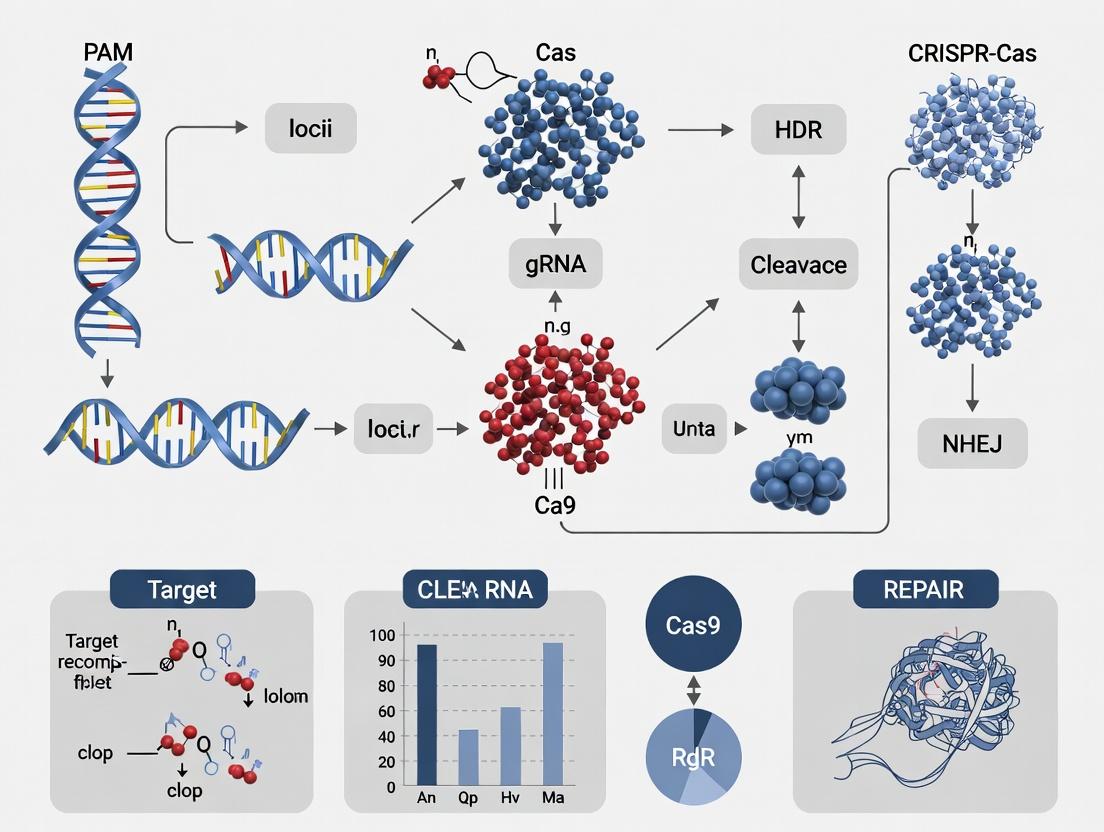
This article provides a detailed, current guide for researchers and drug development professionals on leveraging CRISPR-Cas systems for advanced chassis organism engineering.
CRISPR-Cas Genome Engineering for Chassis Development: A Comprehensive Guide for Synthetic Biology and Drug Discovery
Abstract
This article provides a detailed, current guide for researchers and drug development professionals on leveraging CRISPR-Cas systems for advanced chassis organism engineering. We cover the foundational principles of CRISPR biology and chassis design, explore cutting-edge methodologies for precise genetic manipulation in key hosts (bacteria, yeast, mammalian cells), address common troubleshooting and optimization strategies for efficiency and multiplexing, and finally, compare and validate different CRISPR tools and engineered chassis for robust industrial and therapeutic applications. The goal is to offer a systematic resource for building optimized, predictable, and scalable biological platforms.
CRISPR and Chassis 101: Core Principles for Engineering Biological Platforms
Application Notes
The strategic development of optimized microbial and mammalian host chassis is a cornerstone of modern industrial bioproduction. Within the broader thesis on CRISPR-Cas genome engineering for chassis development, this document delineates the transition from prokaryotic (E. coli) to eukaryotic (CHO cell) systems, highlighting their distinct applications and the pivotal role of genome engineering in enhancing their capabilities.
1.1 Escherichia coli as a Foundational Chassis: E. coli remains the workhorse for recombinant protein production, especially for non-glycosylated therapeutics, enzymes, and bio-based chemicals. Its advantages include rapid growth, high density cultivation, well-characterized genetics, and extensive synthetic biology toolkits. Modern engineering focuses on overcoming historical limitations such as endotoxin production, inclusion body formation, and the lack of post-translational modification machinery. CRISPR-Cas mediated multiplex knockouts of proteases, incorporation of secretion systems, and engineering of orthogonal protein translocation pathways have significantly improved yield and product quality.
1.2 Chinese Hamster Ovary (CHO) Cells as the Mammalian Gold Standard: CHO cells dominate the biopharmaceutical industry for the production of complex glycoproteins, monoclonal antibodies, and vaccines. Their ability to perform human-like post-translational modifications, particularly glycosylation, is critical for drug efficacy and pharmacokinetics. The central research thrust, enabled by CRISPR-Cas, involves creating "designer" CHO chassis with targeted knock-ins of desirable genes (e.g., apoptosis inhibitors, productivity enhancers) and knockouts of undesirable ones (e.g., immunogenic glycosyltransferases, viral receptors). The development of clonally derived, stable cell lines with precise genomic edits has reduced development timelines and improved product consistency.
1.3 Comparative Metrics for Bioproduction Chassis: The selection between E. coli and CHO chassis is dictated by product complexity, required scale, and cost considerations.
Table 1: Quantitative Comparison of E. coli and CHO Chassis for Bioproduction
| Parameter | E. coli Chassis | CHO Cell Chassis |
|---|---|---|
| Typical Product Titer | 1-5 g/L (intracellular), 0.1-2 g/L (secreted) | 1-10 g/L (stable pools/clones) |
| Development Timeline | Weeks to months | 6-12 months for stable clone generation |
| Growth Media Cost | Low ($) | High ($$$) |
| Glycosylation Capacity | None (requires engineered pathways) | Native, human-compatible |
| CRISPR Editing Efficiency | Very High (>80% for knockouts) | Moderate to High (10-60% varies by locus) |
| Scale-Up Potential | Excellent (fermenters > 100,000 L) | Good (bioreactors typically 10,000-20,000 L) |
Experimental Protocols
Protocol 2.1: CRISPR-Cas9 Mediated Multiplex Gene Knockout in E. coli for Reduced Proteolytic Degradation
Objective: To simultaneously knock out three periplasmic protease genes (degP, tsp, ptr) in a production E. coli strain to enhance recombinant protein stability.
Materials:
- E. coli production strain (e.g., BL21(DE3) derivative).
- pCas9-cr4.0 plasmid (or similar, expresses Cas9 and λ-Red recombinase).
- pCRISPR-sgRNA plasmid with three tandem sgRNA expression cassettes targeting degP, tsp, and ptr.
- Oligonucleotides for sgRNA template and 90-bp homologous repair donors for each gene.
- SOC Outgrowth Medium.
- LB agar plates with appropriate antibiotics (Kanamycin, Spectinomycin).
- Isopropyl β-d-1-thiogalactopyranoside (IPTG), Arabinose, L-rhamnose.
- PCR reagents for genotyping.
Procedure:
- Donor and Plasmid Preparation: Clone three sgRNA sequences into the pCRISPR vector. Synthesize single-stranded oligodeoxynucleotide (ssODN) donors with 45-bp homology arms flanking a silent mutation or a small deletion within each target gene's coding sequence.
- Transformation: Co-transform pCas9-cr4.0 and the pCRISPR-sgRNA(degP,tsp,ptr) plasmid into the target E. coli strain via electroporation. Recover in SOC medium for 1 hour at 30°C and plate on LB + Kan + Spec. Incubate at 30°C for 36 hours.
- Induction of Editing: Inoculate a single colony into 5 mL LB + Kan + Spec and grow at 30°C to OD600 ~0.5. Add IPTG (0.5 mM) and arabinose (0.2% w/v) to induce Cas9 and λ-Red. Incubate for 1 hour.
- Curing of Plasmids: Make a 1:1000 dilution and grow cells in LB + 0.2% L-rhamnose at 37°C for 4-6 hours to induce the cas9 repressor and cure the pCas9 plasmid. Plate dilutions on LB + Spec (only pCRISPR remains) and incubate at 37°C.
- Screening and Validation: Screen 10-20 colonies by colony PCR across each target locus. Sequence-confirmed clones are then grown at 37°C in plain LB to cure the pCRISPR plasmid. The final strain is antibiotic-sensitive and genomically modified.
Protocol 2.2: CRISPR-Cas9 Mediated Knock-in of a Productivity Enhancer Gene at a Safe-Harbor Locus in CHO Cells
Objective: To integrate a gene encoding a survival factor (e.g., Bcl-2) into the CCR5 safe-harbor locus of a CHO-K1 host to improve culture longevity and product titer.
Materials:
- CHO-K1 suspension cells.
- Nucleofector Kit for Primary Mammalian Cells.
- Cas9-gRNA RNP complexes: Alt-R S.p. Cas9 Nuclease V3 and Alt-R CRISPR-Cas9 sgRNA targeting the CHO CCR5 locus.
- HDR Donor: A linear double-stranded DNA donor fragment containing the Bcl-2 ORF, flanked by 800-bp homology arms to the CCR5 locus and a puromycin resistance gene linked via a T2A peptide.
- Selection medium: CD CHO medium + 5 µg/mL Puromycin.
- Genomic DNA extraction kit.
- PCR and sequencing primers for 5'/3' junction analysis.
Procedure:
- RNP and Donor Assembly: Complex 30 pmol of Cas9 protein with 36 pmol of sgRNA in duplex buffer to form RNP. Incubate at room temperature for 10 minutes. Dilute the linear dsDNA donor to 1 µg/µL.
- Cell Preparation and Nucleofection: Harvest 1x10^6 log-phase CHO cells. Resuspend cells in 100 µL Nucleofector Solution. Add 5 µL of RNP complex and 3 µg of donor DNA. Transfer to a cuvette and nucleofect using program CA-137.
- Recovery and Selection: Immediately add 500 µL pre-warmed recovery medium. Transfer to a 12-well plate with 1.5 mL growth medium. After 48 hours, transfer cells to selection medium containing puromycin.
- Clone Isolation and Screening: After 10-14 days of selection, pick single colonies via limiting dilution or clone picker. Expand clones in 96-well plates. Isolate genomic DNA and perform PCR across both the 5' and 3' junctions between the host genome and the inserted cassette. Confirm correct integration via Sanger sequencing of PCR products.
- Functional Validation: Perform fed-batch cultures of positive clones and parental control. Assess viable cell density (VCD), viability over 14 days, and final recombinant protein titer via ELISA.
Mandatory Visualizations
Diagram 1: CRISPR-Cas9 E. coli Multiplex Knockout Workflow (94 chars)
Diagram 2: HDR-Mediated Knock-in at CHO Safe Harbor Locus (96 chars)
The Scientist's Toolkit: Research Reagent Solutions
Table 2: Essential Reagents for CRISPR-Based Chassis Engineering
| Reagent / Material | Function & Brief Explanation |
|---|---|
| Alt-R S.p. Cas9 Nuclease V3 | High-purity, research-grade Streptococcus pyogenes Cas9 protein for RNP complex formation, reducing off-target effects compared to plasmid delivery. |
| pCas9-cr4.0 Plasmid System | All-in-one E. coli engineering plasmid expressing Cas9, λ-Red genes, and a temperature-sensitive origin for easy curing. |
| Chemically Modified sgRNAs | End-modified (e.g., 2'-O-methyl) sgRNAs with increased stability and reduced immunogenicity in mammalian cells. |
| Long ssODN Donors (200nt) | Single-stranded oligo donors for HDR in E. coli and yeast; cost-effective for introducing point mutations or small tags. |
| Linear dsDNA Donor Fragments | PCR-amplified or synthesized double-stranded DNA with long homology arms (≥800bp) for precise knock-ins in CHO cells. |
| ClonePlus CHO Serum-Free Medium | Chemically defined, animal-component-free medium optimized for high-density growth and recombinant protein production in CHO lines. |
| Nucleofector 4D System & Kits | Electroporation-based system for high-efficiency delivery of RNP and DNA into hard-to-transfect CHO suspension cells. |
| Puromycin Dihydrochloride | Selection antibiotic for mammalian cells; used to select for cells that have integrated a puromycin resistance gene via HDR. |
| Cell Viability Stain (e.g., Trypan Blue) | Dye used to distinguish live from dead cells during culture, critical for monitoring chassis performance post-engineering. |
Application Notes: Core Mechanisms and Quantitative Comparison
CRISPR-Cas systems are adaptive immune mechanisms in prokaryotes repurposed for precise genome engineering. For chassis development—creating optimized host organisms for synthetic biology—selection of the appropriate Cas effector is predicated on its molecular mechanism, targeting requirements, and downstream effects.
Table 1: Quantitative Comparison of Key Type II & V Cas Effectors for Chassis Engineering
| Feature | Cas9 (Type II, e.g., SpCas9) | Cas12a (Type V, e.g., AsCas12a) | Cas12f (Type V, e.g., AsCas12f) |
|---|---|---|---|
| Guide RNA | Dual: crRNA + tracrRNA (can be fused as sgRNA) | Single crRNA only | Single short crRNA (~43 nt) |
| PAM Sequence | 5'-NGG-3' (SpCas9, canonical) | 5'-TTTV-3' (AsCas12a) | 5'-TTN-3' (AsCas12f) |
| DNA Cleavage | Blunt-ended DSB | Staggered DSB with 5' overhangs | Staggered DSB |
| RuvC Domain | Yes (cleaves non-target strand) | Yes (cleaves both strands) | Yes |
| HNH Domain | Yes (cleaves target strand) | No | No |
| Trans-cleavage Activity | No | Yes (robust after target binding) | Minimal/No |
| Protein Size | ~1368 aa (~160 kDa) | ~1300 aa (~150 kDa) | ~400-700 aa (~45-70 kDa) |
| Primary Chassis Application | Gene knock-outs, large insertions | Multiplexed editing, transcriptional regulation | Delivery via small vectors (e.g., AAV) |
Experimental Protocols for Chassis Development
Protocol 1: Multiplexed Gene Knock-Out in Bacterial Chassis Using Cas12a
Objective: To simultaneously disrupt multiple genes in E. coli to create a metabolic engineering chassis with reduced byproduct formation.
Materials (Research Reagent Solutions):
- AsCas12a Nuclease: Type V effector for multiplexed crRNA processing and DNA cleavage.
- Custom crRNA Array Plasmid: Contains a single promoter driving expression of a crRNA array with direct repeats separating target sequences for genes ackA, pta, and ldhA.
- Electrocompetent E. coli MG1655: High-efficiency transformation host.
- SOC Recovery Medium: Rich medium for cell recovery post-electroporation.
- LB Agar Plates with Selective Antibiotic: For plasmid selection post-editing.
- PCR Genotyping Primers: Sets flanking each target locus to screen for deletions/indels.
- T7 Endonuclease I or Next-Generation Sequencing Kit: For detection of editing efficiencies.
Procedure:
- Cloning: Clone the designed crRNA array into the Cas12a expression plasmid downstream of the promoter.
- Transformation: Introduce 100 ng of the assembled plasmid into 50 µL of electrocompetent E. coli via electroporation (1.8 kV, 5 ms).
- Recovery: Immediately add 950 µL of pre-warmed SOC medium and recover cells at 37°C with shaking (250 rpm) for 1 hour.
- Outgrowth: Plate 100 µL of recovered culture on selective LB agar. Incubate overnight at 37°C.
- Screening: Pick 10-20 colonies for inoculation in liquid culture. Isolate genomic DNA.
- Analysis: Perform PCR amplification of each target locus (~500-600 bp amplicons). Assess editing efficiency via T7E1 assay (digest 200 ng PCR product per manufacturer's protocol) or confirm by Sanger sequencing of individual clones.
Protocol 2: High-Throughput Knock-In Screening in Yeast Chassis using Cas9
Objective: To integrate a heterologous biosynthetic pathway (~5 kb) into the safe-haven HO locus of S. cerevisiae via homology-directed repair (HDR).
Materials (Research Reagent Solutions):
- SpCas9 Expression Plasmid: Constitutively expressed Cas9 with a selectable marker.
- sgRNA Expression Cassette: Targeting the HO locus (PAM: 5'-NGG-3') with minimal off-targets in the yeast genome.
- Linear Donor DNA Fragment: Containing the 5 kb pathway cassette flanked by 500 bp homology arms identical to sequences upstream and downstream of the Cas9 cut site.
- Yeast PEG/LiAc Transformation Kit: For high-efficiency yeast transformation.
- Auxotrophic Drop-out Media Plates: For selection of transformants with integrated pathway and Cas9 plasmid.
- Colony PCR Master Mix: For rapid screening of correct genomic integration.
Procedure:
- Strain Preparation: Transform the Cas9 plasmid into the yeast chassis strain and maintain on selective media.
- Donor Preparation: Generate the linear donor fragment via PCR assembly or enzymatic digestion. Purify.
- Co-transformation: In the Cas9-containing strain, co-transform 1 µg of linear donor DNA and 500 ng of the sgRNA expression plasmid using the PEG/LiAc method.
- Selection: Plate transformation mix on appropriate double-selection plates. Incubate at 30°C for 2-3 days.
- Colony PCR: Pick ~96 colonies. Resuspend each in 10 µL lysis buffer, heat at 95°C for 10 min, and use 1 µL as template for PCR with integration-check primers (one primer outside the homology arm, one inside the inserted cassette).
- Validation: Confirm positive clones by analytical restriction digest of the PCR product and ultimately by pathway functionality assay.
Mandatory Visualizations
Cas9 Mechanism: RNA-Guided DNA Cleavage
Cas12a: Multiplexed Editing & Trans-Cleavage
CRISPR Chassis Engineering Workflow
Chassis organisms, such as Escherichia coli, Saccharomyces cerevisiae, and Bacillus subtilis, serve as foundational platforms for industrial biotechnology, enabling the sustainable production of chemicals, pharmaceuticals, and materials. The central challenge in chassis development is the precise, rapid, and large-scale rewiring of metabolic and regulatory networks. CRISPR-Cas genome engineering has emerged as a revolutionary toolkit that directly addresses this challenge, offering unprecedented capabilities in precision, speed, and scalability for chassis optimization. This document provides detailed application notes and protocols, framing CRISPR's role within a broader thesis on genome engineering for next-generation chassis development.
Quantitative Impact: CRISPR vs. Traditional Methods
Table 1: Comparison of Key Engineering Metrics for Chassis Development
| Engineering Metric | Traditional Methods (e.g., Homologous Recombination, Random Mutagenesis) | CRISPR-Cas Based Engineering | Improvement Factor |
|---|---|---|---|
| Editing Precision | Low to Moderate (off-target effects, random integrations) | High (sgRNA-directed, nucleotide-level) | >100x (reduction in off-targets) |
| Strain Construction Time | Weeks to months for multiplexed edits | Days to a week for multiplexed edits | ~4-10x faster |
| Multiplex Editing Capacity | Typically 1-2 loci | 5-25+ loci in a single experiment | >10x increase |
| Editing Efficiency (%) | 0.1 - 10% (depends heavily on organism and method) | 50 - 100% (with proper counter-selection) | 5-1000x more efficient |
| Library Generation for Screening | Laborious, low diversity | Facilitated, high diversity (CRISPRi/a, base editing) | >1000x library size scalability |
Application Notes & Core Methodologies
Note: Multiplexed Knockout for Metabolic Pathway Derepression
Objective: Simultaneously disrupt multiple genes encoding repressors or competing pathway enzymes to flux carbon toward a desired product. CRISPR Tool: Cas9 nuclease with plasmid-borne expression of multiple sgRNAs. Key Insight: CRISPR's speed allows for rapid iteration of knockout combinations to identify optimal chassis backgrounds without cumulative sequential engineering.
Note: CRISPR-Mediated Transcriptional Control (CRISPRi/a) for Tuning
Objective: Fine-tune expression levels of pathway genes without altering genomic sequence to optimize metabolic balance. CRISPR Tool: dCas9 (nuclease-dead) fused to transcriptional repressor (CRISPRi) or activator (CRISPRa) domains. Key Insight: Enables scalable mapping of expression-fitness landscapes, crucial for identifying optimal chassis states.
Objective: Introduce precise, stable point mutations (e.g., to alter enzyme specificity or regulatory protein binding sites) without leaving foreign DNA. CRISPR Tool: Cas9 nickase fused to deaminase (Base Editor) or complexed with engineered reverse transcriptase (Prime Editor). Key Insight: Achieves high-precision chassis engineering unattainable with traditional methods, essential for evolving endogenous proteins.
Note:In VivoGenome Scanning and Evolution
Objective: Identify genomic loci that confer desired phenotypes (e.g., stress resistance) when modified. CRISPR Tool: dCas9 pooled library screens or Cas9-directed mutagenesis libraries. Key Insight: CRISPR's scalability allows for genome-wide functional genomics directly in the non-model chassis organism of interest.
Detailed Experimental Protocols
Protocol 1: One-Step Multiplex Gene Knockout inE. coliChassis
Purpose: To delete up to 5 non-essential genes in a single transformation for pathway remodeling.
Materials:
- Strain: E. coli chassis strain.
- Plasmids: pTarget series plasmids (expressing sgRNA arrays) and pCas9 (expressing Cas9 and λ-Red recombinase genes).
- Reagents: Chemically competent cells, donor DNA fragments (for HDR if needed), LB media, antibiotics (spectinomycin, kanamycin), arabinose, IPTG.
Procedure:
- Design: Design 20-nt spacer sequences for each target gene using a validated design tool (e.g., CHOPCHOP). Clone up to 5 sgRNA expression cassettes into a pTarget plasmid.
- Preparation: Generate linear donor DNA fragments with 50-bp homology arms flanking a resistance marker (for knockout via HDR) or design sgRNAs to induce double-strand breaks within the gene (for NHEJ-mediated knockout in optimized strains).
- Transformation: Co-transform the pCas9 and the multiplex pTarget plasmid into chemically competent E. coli chassis cells.
- Induction & Editing: Plate on selective media. Inoculate a colony and grow in liquid media with arabinose (to induce λ-Red) and IPTG (to induce Cas9/sgRNAs).
- Curing: Grow edited colonies at 37°C without inducers to cure the pTarget plasmid. Verify edits via colony PCR and Sanger sequencing.
Protocol 2: CRISPRi for Titratable Gene Repression inB. subtilis
Purpose: To create a gradient of repression for a key metabolic gene to identify optimal expression levels for product yield.
Materials:
- Strain: B. subtilis chassis strain with genomically integrated dCas9-SunTag and scFv-TRIP repressor modules.
- Reagents: sgRNA expression plasmid or genomic integration cassette, LB media, antibiotic, inducer (e.g., xylose for sgRNA expression).
Procedure:
- sgRNA Design: Design sgRNAs targeting the non-template strand near the transcription start site (-50 to +300) of the target gene.
- Strain Construction: Transform the chassis strain with the sgRNA expression construct.
- Titration Experiment: In a 96-deep well plate, inoculate strains with varying sgRNA designs. Grow with a gradient of inducer concentration.
- Phenotyping: Measure both target gene mRNA levels (via RT-qPCR) and the desired metabolic output (e.g., product titer via HPLC).
- Analysis: Correlate repression level with phenotype to identify the optimal sgRNA/induction condition.
(Diagram 1: CRISPRi Transcriptional Repression Mechanism)
(Diagram 2: Multiplex Knockout Workflow in E. coli)
The Scientist's Toolkit: Research Reagent Solutions
Table 2: Essential Reagents for CRISPR Chassis Engineering
| Reagent / Solution | Function & Importance in Chassis Development | Example Product/Catalog |
|---|---|---|
| Cas9/dCas9 Expression Systems | Provides the programmable DNA-binding/cleaving core. Integration into the chassis genome ensures stable expression. | pCas9 (Addgene #62225), dCas9-SunTag integration kits. |
| Modular sgRNA Cloning Vectors | Enables rapid assembly of single or multiplex sgRNA expression cassettes tailored to the host chassis. | pTarget series plasmids, Golden Gate assembly kits. |
| HDR Donor DNA Templates | Synthetic dsDNA or ssDNA with homology arms for precise insertions or edits. Critical for scarless engineering. | gBlocks Gene Fragments, ultramer oligos. |
| Base & Prime Editor Plasmids | All-in-one systems for introducing point mutations without double-strand breaks or donor templates. | BE4max, PE2 editor plasmids. |
| CRISPRi/a Fusion Proteins | dCas9 fused to repressors (e.g., Mxi1) or activators (e.g., VP64-p65-Rta) for transcriptional control. | dCas9-VPR, dCas9-SOSG chromatin opening systems. |
| Chassis-Specific Delivery Tools | Optimized electroporation protocols, conjugation systems, or polymer-based transformation reagents for efficient CRISPR component delivery. | Species-specific competent cell preparation kits. |
| Off-Target Prediction & Validation Kits | Software tools and sequencing-based kits (e.g., GUIDE-seq, CIRCLE-seq) to ensure engineering precision in the chassis genome. | In silico design tools (CHOPCHOP), GUIDE-seq reagent kits. |
CRISPR-Cas technology has fundamentally transformed the paradigm of chassis development. Its precision enables targeted, scarless modifications at the nucleotide level. Its speed allows for the construction of complex genetic designs in a fraction of the time required by previous methods. Most importantly, its scalability—from multiplexed editing to genome-wide screening—provides a systematic, high-throughput framework for chassis optimization. Integrating these CRISPR protocols into a research thesis underscores a modern, iterative, and rational approach to building robust microbial cell factories for the future of biomanufacturing.
This application note is framed within the broader thesis of applying CRISPR-Cas genome engineering for the rational development of optimized microbial and cellular chassis. Efficient chassis engineering requires precise, predictable genomic modifications, the foundation of which is high on-target activity. This document details the fundamental rules and current best practices for selecting genomic targets and designing single guide RNAs (sgRNAs) to maximize on-target editing success.
Key Determinants of On-Target Efficiency
Genomic Context and Target Site Selection
The local genomic environment significantly influences Cas9 accessibility and cutting efficiency. Key considerations include:
- Chromatin State: Open chromatin (marked by H3K4me3, H3K9ac, DNase I hypersensitivity) enhances accessibility.
- DNA Methylation: High CpG methylation, particularly at the PAM and seed region, can inhibit Cas9 binding.
- Transcriptional Status: Actively transcribed regions are generally more accessible.
- Functional Domain: Consider whether the target is within a coding exon, regulatory element, or intron, based on the desired outcome (knockout, knockdown, knock-in).
gRNA Sequence Features
The 20-nucleotide spacer sequence upstream of the PAM is critical for specificity and efficiency. The following sequence features are predictive of high activity:
Table 1: gRNA Spacer Sequence Features Correlating with High On-Target Activity
| Feature | Optimal Characteristic | Rationale & Impact |
|---|---|---|
| GC Content | 40-60% | Very low (<20%) or very high (>80%) GC content reduces stability and efficiency. |
| Seed Region (PAM-proximal 8-12 nt) | High stability, no secondary structure | Critical for R-loop initiation; mismatches here drastically reduce cleavage. |
| 5' Terminal Nucleotide | Guanosine (G) or Adenosine (A) | Improves transcription by RNA Polymerase III U6 promoter. |
| Poly-T Tracts | Avoid >4 consecutive T's | Acts as a termination signal for Pol III promoters. |
| Specific Positional Nucleotides | e.g., G at position 20, A/T at position 19 (for SpCas9)* | Based on empirical scoring models (e.g., Doench ‘16, Moreno-Mateos). |
| Self-Complementarity | Minimal, especially at 3' end | Prevents gRNA folding that impedes Cas9 binding. |
| Off-Target Potential | Unique in genome with >=3 mismatches to other sites | Minimizes off-target cleavage; validated via in silico tools. |
*Position-specific preferences vary by Cas nuclease variant.
PAM Specificity and Nuclease Choice
The Protospacer Adjacent Motif (PAM) requirement is the primary determinant of targetable sites. Expanding the toolkit of Cas nucleases broadens targetable genomic space.
Table 2: Common CRISPR-Cas Nucleases and Their PAM Requirements
| Nuclease | Common PAM Sequence | Key Characteristics for Chassis Engineering |
|---|---|---|
| SpCas9 | 5'-NGG-3' | Standard nuclease; broad use, well-validated. |
| SpCas9-VQR | 5'-NGAN-3' | Engineered variant; useful for GC-rich regions. |
| SpCas9-NG | 5'-NG-3' | Relaxed PAM; significantly increases targetable sites. |
| SaCas9 | 5'-NNGRRT-3' | Smaller than SpCas9; beneficial for viral delivery. |
| Cas12a (Cpf1) | 5'-TTTV-3' | Creates sticky ends; processes own crRNA, useful for multiplexing. |
Protocol: Integrated Workflow for Target Selection and gRNA Validation
This protocol outlines a comprehensive workflow from in silico design to initial validation of gRNAs for chassis engineering projects.
Protocol 3.1: In Silico Design and Prioritization
Objective: To computationally identify and rank high-probability on-target gRNAs for a gene of interest. Materials: Computer with internet access, target genome sequence file. Procedure:
- Define Target Region: Input the genomic locus (e.g., RefSeq ID) or DNA sequence of your target gene.
- Scan for PAM Sites: Use a design tool (e.g., Benchling, CRISPOR, IDT) to identify all possible gRNA spacer sequences with the appropriate PAM for your chosen nuclease.
- Filter by Genomic Uniqueness: For each candidate, run a BLAST search against the host genome. Discard gRNAs with perfect or near-perfect (≤2 mismatch) matches elsewhere.
- Score for Efficiency: Use embedded algorithms (e.g., Azimuth, CFD score) to predict on-target activity. Prioritize gRNAs with scores >50.
- Final Prioritization: Select 3-5 top-ranked gRNAs per target that also pass GC content, poly-T, and 5'-end checks from Table 1.
Protocol 3.2: Experimental Validation of On-Target Editing (T7 Endonuclease I Assay)
Objective: To empirically assess the cleavage efficiency of designed gRNAs. Materials: Cultured chassis cells, transfection/reagent, plasmids: Cas9 expression vector, gRNA expression vector (or synthetic gRNA + Cas9 RNP), lysis buffer, PCR reagents, T7EI enzyme (NEB), gel electrophoresis system. Procedure:
- Deliver CRISPR Components: Introduce the Cas9 and gRNA constructs into your chassis cells via your standard method (e.g., electroporation, transformation, transfection).
- Harvest Genomic DNA: 48-72 hours post-delivery, harvest cells and isolate genomic DNA.
- PCR Amplify Target Locus: Design primers ~300-500 bp flanking the target site. Perform PCR.
- Denature and Reanneal: Purify PCR product. Denature at 95°C for 5 min, then slowly reanneal (ramp from 95°C to 25°C at -0.3°C/sec). This allows formation of heteroduplex DNA if indels are present.
- T7EI Digestion: Incubate reannealed DNA with T7 Endonuclease I (cleaves mismatched DNA) at 37°C for 1 hour.
- Analysis: Run digested products on agarose gel. Cleaved bands indicate successful genome editing. Calculate indel frequency as: % Indel = 100 * (1 - sqrt(1 - (b+c)/(a+b+c))), where a=uncut band intensity, b and c=cut band intensities.
Visualization: gRNA Design and Validation Workflow
Title: gRNA Design and Validation Process
The Scientist's Toolkit: Essential Reagent Solutions
Table 3: Key Research Reagents for CRISPR Target Selection and Validation
| Reagent / Material | Function & Application in Chassis Engineering |
|---|---|
| High-Fidelity Cas9 Expression Vector | Provides stable, accurate nuclease expression. Critical for precise editing in chassis strains. |
| U6-gRNA Cloning Vector or Synthetic gRNA | For gRNA expression. Synthetic gRNA (with chemical modifications) offers rapid testing and RNP delivery. |
| Cas9 Nuclease Protein (for RNP formation) | Enables delivery as Ribonucleoprotein (RNP) complexes. Reduces off-targets and is ideal for non-transformable chassis. |
| Next-Generation Sequencing (NGS) Library Prep Kit | For deep sequencing of target loci. Gold standard for quantifying editing efficiency (indel %) and specificity. |
| T7 Endonuclease I / Surveyor Nuclease | Mismatch-cleavage enzymes for rapid, gel-based quantification of editing efficiency (Protocol 3.2). |
| Genomic DNA Extraction Kit | For high-quality DNA isolation from your specific chassis organism post-editing. |
| In Silico Design Tool (e.g., Benchling, CRISPOR) | Integrated platform for gRNA design, off-target prediction, and sequence analysis. |
| HR Donor Template DNA Fragment | Single-stranded or double-stranded DNA with homology arms for precise knock-in or repair in chassis. |
The selection of a host organism, or chassis, is a foundational decision in genome engineering programs utilizing CRISPR-Cas systems. The optimal chassis balances genetic tractability, growth requirements, functional complexity, and application-specific needs. The following tables provide a quantitative comparison of the most common chassis organisms in contemporary research.
Table 1: Fundamental Characteristics and Genetic Engineering Potential
| Characteristic | E. coli (Bacteria) | S. cerevisiae (Yeast) | A. niger (Fungi) | HEK293 (Mammalian) |
|---|---|---|---|---|
| Doubling Time | 20-30 min | 90-120 min | 1-2 hours | 24-36 hours |
| Genome Size | ~4.6 Mb | ~12.1 Mb | ~34.9 Mb | ~3.2 Gb |
| Ploidy | Haploid | Haploid/Diploid | Haploid/Multinucleate | Diploid |
| NHEJ Efficiency | Very Low | Moderate | High | High (Dominant) |
| HDR Efficiency | Very High | High | Low-Moderate | Low |
| CRISPR Delivery | Plasmid (100%) | Plasmid (High) | Plasmid/RNP (Moderate) | Viral/RNP (Variable) |
| Cost per Experiment | $ | $$ | $$ | $$$$ |
Table 2: Application-Specific Suitability and Key Metrics
| Application | Preferred Chassis | Key Advantage | Typical Editing Efficiency | Primary CRISPR System |
|---|---|---|---|---|
| Metabolic Pathway Engineering | E. coli, S. cerevisiae | Rapid growth, well-characterized | 80-99% (HDR) | SpCas9, Cas12a |
| Protein Secretion & Glycosylation | S. cerevisiae, Mammalian | Secretory pathway, human-like glycosylation | 30-60% (Yeast), 10-30% (Mammalian) | SpCas9 |
| Secondary Metabolite Production | Filamentous Fungi (A. niger) | Natural metabolite factories | 10-40% (HDR) | SpCas9, Cas12a |
| Gene Function & Disease Modeling | Mammalian Cells (HEK293, iPSCs) | Physiological relevance | 5-25% (HDR) | SpCas9, HiFi Cas9 |
| Biosensor Development | E. coli, S. cerevisiae | Rapid phenotype detection | 70-95% (HDR) | SpCas9 |
Detailed Protocols for CRISPR-Cas Genome Engineering
Protocol 2.1: CRISPR-Cas9 Mediated Gene Knockout inSaccharomyces cerevisiae
Objective: To generate a clean gene deletion using homologous recombination (HDR) in yeast. Principle: A CRISPR-Cas9-induced double-strand break (DSB) at the target locus is repaired using a linear donor DNA fragment containing a selectable marker flanked by homology arms, resulting in the target gene's replacement.
Materials & Reagents:
- Yeast strain (e.g., BY4741)
- pYES2-Cas9-2μ plasmid (expresses SpCas9 and gRNA)
- Target-specific gRNA oligos
- Donor DNA fragment (PCR-amplified with 40-50 bp homology arms)
- LiAc/SS Carrier DNA/PEG transformation mix
- Appropriate synthetic dropout (SD) media
Procedure:
- Design & Cloning: Design a 20-nt gRNA sequence targeting the open reading frame (ORF) of your gene. Clone the annealed oligos into the BsaI site of the pYES2-Cas9-2μ plasmid.
- Donor Preparation: Amplify a selectable marker (e.g., KanMX, URA3) by PCR using primers containing 40-50 bp homology to the regions immediately upstream and downstream of the target gene's start and stop codons.
- Transformation: Simultaneously transform 100 ng of the CRISPR plasmid and 500 ng of the purified donor DNA fragment into competent yeast cells using the high-efficiency LiAc method.
- Selection & Screening: Plate cells on SD media lacking uracil (for plasmid selection) and containing G418 (for KanMX selection). Incubate at 30°C for 2-3 days.
- Verification: Screen colonies by colony PCR using primers outside the homology region to confirm correct integration. Sequence-validate the junctions.
Objective: To introduce a specific single nucleotide variant (SNV) into a genomic locus. Principle: Co-delivery of Cas9-gRNA ribonucleoprotein (RNP) and a single-stranded oligodeoxynucleotide (ssODN) donor template directs repair via HDR to incorporate the desired point mutation.
Materials & Reagents:
- HEK293 cells cultured in DMEM + 10% FBS
- Recombinant SpCas9 protein
- Custom chemically synthesized crRNA and tracrRNA
- Ultramer ssODN donor (100-130 nt, homology arms ≥ 60 nt, phosphorothioate modifications on ends)
- Lipofectamine CRISPRMAX Transfection Reagent
- Electroporator (e.g., Neon System) – optional, for higher efficiency
Procedure:
- RNP Complex Formation: Resuspend Alt-R SpCas9 nuclease to 10 µM. Anneal crRNA and tracrRNA to form gRNA. Mix Cas9 protein and gRNA at a 1:2 molar ratio and incubate at room temperature for 20 min to form RNP complexes.
- Transfection: For Lipofection, combine RNP complexes and 100 pmol of ssODN donor with CRISPRMAX in Opti-MEM. Add to cells at 70-80% confluence. For Electroporation, mix 2e5 cells, RNP (5 pmol), and ssODN (100 pmol) in 10 µL R buffer and electroporate.
- Post-Transfection Culture: Allow recovery for 48-72 hours in complete media without antibiotic selection.
- Analysis: Harvest genomic DNA. Use a restriction fragment length polymorphism (RFLP) or mismatch detection assay (e.g., T7E1) for initial screening, followed by Sanger sequencing of the target region to confirm the precise edit. For clonal isolation, single-cell sort into 96-well plates 48 hours post-transfection.
Visualizations and Workflows
Diagram Title: Chassis Selection Decision Workflow
Diagram Title: CRISPR DSB Repair Pathways: NHEJ vs. HDR
The Scientist's Toolkit: Key Reagent Solutions
Table 3: Essential Reagents for CRISPR-Cas Chassis Engineering
| Reagent / Solution | Primary Function | Key Considerations for Chassis Selection |
|---|---|---|
| SpCas9 Nuclease (Protein or Plasmid) | Creates targeted double-strand breaks (DSBs). | Bacteria/Yeast: Plasmid expression is standard. Mammalian: RNP delivery increases speed and reduces off-target effects. |
| Chemically Modified sgRNA or crRNA/tracrRNA | Guides Cas9 to the specific genomic locus. | Chemical modifications (e.g., 2'-O-methyl) are critical for stability in mammalian systems, less so in microbes. |
| ssODN or dsDNA Donor Template | Provides homology for precise HDR edits. | Length & Design: Microbes need 40-80 bp arms; mammalian cells need ≥60-100 bp arms. ssODNs preferred for point mutations in mammals. |
| HDR Enhancers (e.g., RS-1, SCR7) | Small molecules that inhibit NHEJ or promote HDR. | Almost exclusively used in mammalian cells to tilt the repair balance away from dominant NHEJ. |
| Chassis-Specific Delivery Reagents | Enables entry of CRISPR components into cells. | Bacteria: Electrocompetence/Heat Shock. Yeast: LiAc/PEG. Mammalian: Lipofection/Electroporation/Nucleofection. |
| Selective Media & Antibiotics | Selects for cells with successful editing or plasmid retention. | Marker choice (e.g., KanMX, HygR, Puromycin) must be compatible with chassis genotype and application. |
| T7 Endonuclease I or Surveyor Assay | Detects indel mutations from NHEJ repair. | Standard for initial efficiency checks in yeast and mammalian cells. Less used in bacteria due to high HDR rates. |
| Next-Generation Sequencing (NGS) Library Prep Kits | Enables deep, quantitative analysis of editing outcomes and off-targets. | Essential for rigorous validation in therapeutic mammalian cell engineering; used less frequently in high-throughput microbial strain engineering. |
Within the broader thesis of utilizing CRISPR-Cas genome engineering for chassis development—the creation of optimized host organisms for biotechnology—defining precise engineering goals is paramount. These goals dictate the choice of CRISPR tools and experimental strategies. This application note details the core objectives of genetic perturbation: Knockouts (KOs), Knock-ins (KIs), Transcriptional Regulation, and Genome-Scale Editing, providing current protocols and resources for their implementation in chassis research.
Engineering Goals: Definitions and Applications
| Engineering Goal | Primary CRISPR Tool | Molecular Outcome | Key Application in Chassis Development |
|---|---|---|---|
| Knockout (KO) | Cas9, Cas12a (crRNA) | Introduction of frameshift indels via NHEJ, disrupting the target gene. | Elimination of non-essential pathways, removal of competitive pathways, inactivation of negative regulators. |
| Knock-in (KI) | Cas9, Cas12a + Donor Template | Precise insertion of a DNA sequence via HDR or MMEJ. | Integration of reporter genes, pathway genes, or optimized enzyme variants into safe-harbor loci. |
| Regulation | dCas9 fused to effector domains (CRISPRa/i) | Up- or down-regulation of gene transcription without altering DNA sequence. | Fine-tuning metabolic pathway flux, modulating stress response, controlling developmental circuits. |
| Genome-Scale Editing | Cas9 + sgRNA library | High-throughput, parallel generation of diverse genetic perturbations across the genome. | Functional genomics screens to identify chassis-relevant genes (e.g., for improved yield, tolerance). |
Experimental Protocols
Protocol 1: Generating a Stable Knockout via NHEJ
Objective: Disrupt the pyrE gene in E. coli to create a uracil auxotroph for selection. Materials: See "Research Reagent Solutions" below. Procedure:
- sgRNA Design: Design a 20-nt spacer sequence targeting an early exon of pyrE using an online tool (e.g., CHOPCHOP). Cloning into pCRISPR-sgRNA plasmid via BsaI Golden Gate assembly.
- Transformation: Co-transform chemically competent E. coli chassis strain with pCRISPR-sgRNA and pCas9 (constitutively expressing Cas9).
- Selection & Induction: Plate on LB + Kanamycin (pCas9) + Spectinomycin (pCRISPR-sgRNA). Inoculate a single colony into liquid media with antibiotics and induce sgRNA expression with 0.2% arabinose for 8 hours.
- Screening: Perform a T7 Endonuclease I (T7EI) assay on PCR products spanning the target site to detect indels. Sequence PCR products from putative clones to confirm frameshift mutations.
- Verification: Streak confirmed clones on M9 minimal media with and without uracil to confirm auxotrophy.
Protocol 2: Precise Knock-in via Homology-Directed Repair (HDR)
Objective: Integrate a GFP-P2A-RFP bicistronic reporter into the hprt locus of mammalian CHO cells. Materials: See "Research Reagent Solutions" below. Procedure:
- Donor Template Construction: Synthesize a dsDNA donor fragment containing: 5’ Homology Arm (800 bp) - GFP-P2A-RFP - 3’ Homology Arm (800 bp). The sequence should be flanked by the sgRNA cut site.
- RNP Complex Formation: Complex 30 pmol of purified SpCas9 protein with 60 pmol of synthetic hprt-targeting sgRNA in buffer at room temp for 10 min.
- Electroporation: Mix 2e5 CHO cells with RNP complex and 100 pmol of dsDNA donor template in electroporation cuvette. Electroporate using a Neon System (1400V, 20ms, 2 pulses).
- Recovery & Analysis: Recover cells in antibiotic-free media for 48 hrs. Analyze by flow cytometry for GFP+/RFP+ dual expression. Expand and validate genomic integration via junction PCR and Sanger sequencing.
Protocol 3: CRISPR Interference (CRISPRi) for Gene Repression
Objective: Repress the lacZ gene in E. coli using dCas9-KRAB. Procedure:
- Strain Preparation: Transform chassis strain with plasmid expressing dCas9-KRAB (constitutive) and a second plasmid expressing sgRNA targeting the lacZ promoter (inducible).
- Induction & Assay: Grow transformed strain to mid-log phase. Induce sgRNA expression with IPTG. Simultaneously, induce the native lacZ operon with 1mM IPTG. Incubate for 4 hours.
- Quantification: Perform an ONPG assay on cell lysates to measure beta-galactosidase activity. Compare to non-targeting sgRNA control.
Visualizations
Title: Knockout Workflow via NHEJ (76 chars)
Title: Precise Knock-in via HDR Mechanism (44 chars)
Title: CRISPRi Repression Mechanism (38 chars)
The Scientist's Toolkit: Research Reagent Solutions
| Reagent/Material | Function in CRISPR Engineering | Example Product/Catalog |
|---|---|---|
| High-Efficiency Cas9 Expression Plasmid | Provides a stable source of Cas9 nuclease for creating DSBs. | Addgene #62933 (pSpCas9(BB)-2A-Puro V2.0) |
| sgRNA Cloning Vector | Backbone for easy insertion and expression of custom sgRNA sequences. | Addgene #62832 (pU6-(BbsI)_CBh-Cas9-T2A-mCherry) |
| Chemically Competent Cells (NEB Stable) | Essential for plasmid transformation; specific strains improve HDR efficiency. | NEB C3040H (NEB Stable Competent E. coli) |
| Synthetic crRNA & tracrRNA (Alt-R) | For flexible RNP complex formation, reducing off-target effects. | IDT Alt-R CRISPR-Cas9 crRNA & tracrRNA |
| Purified Cas9 Nuclease (or Cas12a) | Ready-to-use enzyme for RNP assembly in sensitive cell types. | IDT Alt-R S.p. Cas9 Nuclease V3 |
| T7 Endonuclease I | Enzyme for mismatch detection in initial screening of indel mutations. | NEB M0302S (T7 Endonuclease I) |
| HDR Enhancer (e.g., Rad51 agonist) | Small molecule to increase HDR efficiency relative to NHEJ. | Tocris RS-1 (Rad51 stimulatory compound) |
| Next-Generation Sequencing Library Prep Kit | For deep sequencing of target sites to quantify editing outcomes. | Illumina COVIDSeq Kit (adaptable for amplicon-seq) |
| Lipofectamine CRISPRMAX | Lipid-based transfection reagent optimized for CRISPR RNP delivery. | Thermo Fisher CMAX00003 |
| dCas9-KRAB/VP64 Expression Systems | Enables transcriptional repression (CRISPRi) or activation (CRISPRa). | Addgene #71236 (dCas9-KRAB) & #61422 (dCas9-VP64) |
Building Better Biofactories: CRISPR Toolkits and Workflows for Chassis Engineering
This application note details streamlined, high-efficiency CRISPR-Cas protocols for three foundational chassis organisms in synthetic biology and biomanufacturing: Escherichia coli, Saccharomyces cerevisiae, and human HEK293 cells. Framed within the broader thesis of CRISPR-Cas genome engineering for chassis development, these protocols aim to accelerate the iterative design-build-test-learn cycle by providing robust, standardized methods for rapid genomic modification.
Key CRISPR Systems and Parameters by Chassis
The choice of CRISPR system and delivery parameters is critical for success in each organism. The following table summarizes the optimized systems and quantitative performance metrics.
Table 1: Optimized CRISPR-Cas Systems and Performance by Chassis
| Chassis | Recommended CRISPR System | Cas Protein Expression | Editing Efficiency (Typical Range) | Key Genomic Outcome | Primary Delivery Method |
|---|---|---|---|---|---|
| E. coli | CRISPR-Cas9 (Streptococcus pyogenes) | Plasmid-based, inducible (e.g., L-arabinose) | 80-100% (for gene knockouts) | Gene knockout via NHEJ repair. | Electroporation of plasmid DNA. |
| S. cerevisiae | CRISPR-Cas9 (S. pyogenes) | Plasmid-based, constitutive (yeast promoter) | 90-100% (with donor template) | Precise edits via HDR with ssODN/plasmid donor. | LiAc/SS Carrier DNA PEG transformation. |
| HEK293 | CRISPR-Cas9 (S. pyogenes) or CRISPR-Cas12a (Lachnospiraceae) | RNP (recommended) or plasmid | 50-90% (varies by locus & method) | Knockout (NHEJ) or knock-in (HDR). | Lipid-mediated transfection (RNP or plasmid). |
Detailed Experimental Protocols
Protocol 1: High-Efficiency Gene Knockout inE. coli(DH10β or MG1655 Strains)
Objective: To disrupt a target gene via CRISPR-Cas9 induced double-strand breaks repaired by error-prone Non-Homologous End Joining (NHEJ).
Materials (Research Reagent Solutions):
- pCas9cr4 Plasmid: Expresses Cas9 and sgRNA; contains λ Red genes for enhanced recombination (Addgene #62655).
- Recovery Media: SOC Outgrowth Medium.
- Selection Agents: Kanamycin (for plasmid selection), L-arabinose (for Cas9/λ Red induction).
- Electrocompetent Cells: Prepared in-house or commercially sourced.
Methodology:
- Design & Cloning: Clone a 20-nt spacer sequence targeting the gene of interest into the pCas9cr4 plasmid via BsaI Golden Gate assembly.
- Transformation: Electroporate 100 ng of the assembled plasmid into electrocompetent E. coli.
- Recovery & Induction: Recover cells in 1 mL SOC medium at 37°C for 1 hour, then plate on LB agar with kanamycin. Incubate plates overnight at 30°C.
- Cas9 Induction & Editing: Inoculate a single colony into LB+Kan with 0.2% L-arabinose. Grow for 6-8 hours at 30°C to induce Cas9 and λ Red proteins.
- Screening: Plate dilutions on LB+Kan plates. Screen individual colonies via colony PCR and Sanger sequencing to identify frameshift mutations.
Protocol 2: Precise Gene Editing inS. cerevisiae(BY4741 Strain) via HDR
Objective: To replace a genomic sequence with a designed donor template using CRISPR-Cas9 and Homology-Directed Repair (HDR).
Materials (Research Reagent Solutions):
- pYES2-sgRNA Plasmid: Expresses sgRNA under a Pol III promoter and Cas9 under a galactose-inducible promoter.
- Homology-Directed Repair (HDR) Donor: 80-nt single-stranded oligodeoxynucleotide (ssODN) or double-stranded DNA fragment with 40-bp homology arms.
- Transformation Mix: Includes PEG 3350, Lithium Acetate, and single-stranded carrier DNA.
- Selection Agent: Uracil-dropout supplement for plasmid maintenance.
Methodology:
- Design: Design sgRNA and an ssODN donor template encoding the desired change and a silent PAM-disruption mutation.
- Transformation: Co-transform 100 ng of pYES2-sgRNA plasmid and 100 pmol of ssODN donor using the high-efficiency LiAc/SS Carrier DNA PEG method.
- Induction: Plate transformation on synthetic complete medium lacking uracil and containing 2% galactose to induce Cas9 expression.
- Screening: After 2-3 days at 30°C, patch colonies onto fresh selective plates. Confirm edits by colony PCR and diagnostic restriction digest or sequencing.
Protocol 3: Transfection of HEK293 Cells with Cas9 RNP for Gene Knockout
Objective: To deliver pre-assembled Cas9 Ribonucleoprotein (RNP) complexes into HEK293 cells for rapid, transient expression and high-fidelity gene knockout.
Materials (Research Reagent Solutions):
- Recombinant S. pyogenes Cas9 Nuclease: High-purity, commercially available.
- Synthetic sgRNA: Chemically modified, high-performance sgRNA, or in vitro transcribed.
- Lipofectamine CRISPRMAX Transfection Reagent: Optimized for RNP delivery.
- Flow Cytometry Antibodies: For phenotypic screening if targeting a surface marker.
Methodology:
- RNP Complex Formation: For one well of a 24-well plate, incubate 3 µg of Cas9 protein with 1.5 µg of sgRNA in nuclease-free duplex buffer at room temperature for 10-20 minutes.
- Cell Preparation: Seed HEK293 cells at 1.5-2.0 x 10^5 cells/well in antibiotic-free medium 24 hours prior to achieve 70-80% confluency.
- Transfection: Dilute the RNP complex in Opti-MEM. Mix with Lipofectamine CRISPRMAX diluted in Opti-MEM. Incubate for 5-10 minutes, then add dropwise to cells.
- Analysis: Harvest cells 72-96 hours post-transfection. Assess editing efficiency by T7 Endonuclease I (T7E1) or ICE assay on extracted genomic DNA, or by flow cytometry if applicable.
Visualizations
Title: E. coli CRISPR-Cas9 Knockout Workflow
Title: S. cerevisiae HDR Editing Protocol
Title: HEK293 RNP Transfection & Analysis
Title: DNA Repair Pathways Post-Cas9 Cleavage
The Scientist's Toolkit: Essential Research Reagent Solutions
Table 2: Key Reagents and Their Functions
| Reagent/Material | Primary Function | Example/Note |
|---|---|---|
| pCas9cr4 Plasmid | All-in-one vector for E. coli editing. Expresses Cas9, sgRNA, and λ Red proteins. | Addgene #62655. Critical for efficient recombineering in E. coli. |
| L-Arabinose | Inducer for pCas9cr4. Turns on Cas9 and λ Red expression, controlling timing of editing. | Use 0.2% final concentration. Store sterile-filtered aliquots at -20°C. |
| High-Efficiency ssODN | Donor template for precise HDR in yeast or mammalian cells. | 80-nt ultramer with 40-bp homology arms. PAGE-purified. |
| LiAc/SS Carrier DNA/PEG | Yeast transformation mix. Facilitates DNA uptake through cell wall permeabilization. | Freshly denatured carrier DNA is essential for high efficiency. |
| Recombinant Cas9 Protein | For RNP assembly in HEK293 protocol. Enables rapid, transient editing without DNA vectors. | Commercially available from multiple vendors (e.g., IDT, Thermo Fisher). |
| Lipofectamine CRISPRMAX | Lipid-based transfection reagent optimized for Cas9 RNP delivery into mammalian cells. | Reduces cytotoxicity compared to standard lipofection reagents. |
| T7 Endonuclease I (T7E1) | Enzyme for detecting indels via mismatch cleavage. Quick validation of editing efficiency. | Part of the Surveyor Mutation Detection Kit. Use on PCR products. |
Multiplexed Genome Editing for Pathway Engineering and Complex Trait Stacking
1. Introduction Within the framework of chassis development research, the construction of robust microbial or cellular factories necessitates extensive genomic remodeling. Multiplexed CRISPR-Cas genome editing is a foundational technology enabling the simultaneous modification of multiple genetic loci. This capability is critical for engineering complex metabolic pathways, stacking numerous agronomic or therapeutic traits, and eliminating competing metabolic routes. This application note provides current protocols and resources for implementing multiplexed editing strategies, focusing on efficiency, accuracy, and scalability.
2. Key Systems and Quantitative Performance The choice of CRISPR system and delivery method is paramount. Performance metrics vary significantly based on the organism and strategy employed.
Table 1: Comparison of Multiplexed Genome Editing Systems
| System / Method | Typical Editing Loci Number | Efficiency Range (All Targets) | Key Advantage | Primary Limitation |
|---|---|---|---|---|
| CRISPR-Cas9 (plasmid array) | 3-10 | 10-60% | Well-established, high flexibility | High recombination risk in bacteria |
| CRISPR-Cas12a (plasmid array) | 4-15 | 20-80% | Simplifies crRNA array (no tracrRNA), shorter DRs | Lower raw cleavage activity than Cas9 in some hosts |
| CRISPR-Cas9 + MAGE | 10-50 | 1-30% per locus | Ultra-high multiplexing capacity | Low single-locus efficiency, requires ssDNA |
| RNP Delivery (crRNA array) | 5-10 | 40-90% | Rapid, transient activity, no vector integration | Delivery challenge for some cell types |
| All-in-One Polystronic tRNA-gRNA | 5-30 | 15-70% | High-capacity, processed by endogenous tRNAase | Processing efficiency can be inconsistent |
Table 2: DNA Repair Template Design Parameters
| Parameter | Homology Arm Length (each side) | Optimal Template Form | Notes |
|---|---|---|---|
| Bacteria (E. coli) | 35-100 bp | ssDNA oligonucleotide | Shorter arms sufficient for recombineering strains. |
| Yeast (S. cerevisiae) | 40-80 bp | dsDNA PCR fragment or plasmid | Highly efficient homologous recombination. |
| Mammalian Cells | 500-1000 bp | dsDNA plasmid or AAV donor | Longer arms critical for HDR efficiency. |
| Plants (N. benthamiana) | 800-1500 bp | dsDNA with Gibson assembly | Often co-delivered via Agrobacterium T-DNA. |
3. Detailed Protocols
Protocol 3.1: Multiplexed Knock-Out in E. coli Using a Cas12a crRNA Array Plasmid Objective: Simultaneously disrupt three genes (geneA, geneB, geneC) in a bacterial chassis to redirect metabolic flux. Materials: See "The Scientist's Toolkit" below. Procedure:
- crRNA Array Design & Synthesis: Design three crRNA spacers targeting early coding sequences of each gene. Order a single gBlock fragment with the structure: Direct Repeat (DR)-spacerA-DR-spacerB-DR-spacerC.
- Cloning: Assemble the crRNA block into the BsaI site of a Cas12a expression plasmid (e.g., pY016) via Golden Gate assembly. Transform into a cloning strain, sequence-verify.
- Transformation: Electroporate the verified plasmid into the E. coli chassis strain expressing lambda Red proteins (for enhanced recombination).
- Screening & Validation: Plate on selective antibiotic. Screen 10-20 colonies by colony PCR across each target locus. Sanger sequence PCR products to confirm indels. Calculate co-editing efficiency: (Colonies with mutations in all 3 loci / Total screened) x 100%.
Protocol 3.2: Pathway Assembly in Yeast via CRISPR-HDR with tRNA-gRNA Arrays Objective: Integrate a 5-gene heterologous pathway into a defined genomic locus in S. cerevisiae. Procedure:
- Donor & Array Construction: Synthesize the pathway as a yeast-optimized cassette flanked by 500 bp homology arms to the target integration site. Design 5 tRNA-gRNA units targeting the safe-haven locus, clone as an array into a Cas9-URA3 plasmid.
- Co-transformation: Linearize the donor DNA. Co-transform the linear donor, the CRISPR plasmid, and a repair template for a selectable marker (if needed) into competent yeast cells using the LiAc/SS carrier DNA/PEG method.
- Counter-Selection & Screening: Plate on SD -Ura to select for the CRISPR plasmid. After 2 days, replica-plate to 5-FOA to counter-select for loss of the URA3-marked CRISPR plasmid.
- Validation: Perform diagnostic PCR from genomic DNA across all junction sites (5' integration, between genes, 3' integration). Confirm expression via RT-qPCR.
4. Visualizing Workflows and Pathways
Title: Multiplex CRISPR Experimental Workflow
Title: Pathway Engineering via Knock-Out and Knock-In
5. The Scientist's Toolkit: Key Research Reagent Solutions
| Reagent / Material | Function & Application | Example Vendor/Product |
|---|---|---|
| Type V Cas12a (Cpf1) Nuclease | Enables simpler crRNA arrays for multiplexing via a single RNA polymerase promoter. | Integrated DNA Technologies (Alt-R S.p. Cas12a) |
| All-in-One tRNA-gRNA Cloning Kit | Streamlines construction of high-capacity gRNA arrays processed by endogenous tRNAase. | Addgene (Kit #1000000098) |
| High-Efficiency Electrocompetent Cells | Essential for delivery of large or complex plasmid arrays into bacterial chassis. | Lucigen (Endura ElectroCompetent Cells) |
| Gibson Assembly Master Mix | One-step, isothermal assembly of multiple DNA fragments (donors, arrays, vectors). | New England Biolabs (NEBuilder HiFi) |
| Next-Gen Sequencing Multiplex Kit | Validates on-target editing and detects off-target effects across many loci. | Illumina (TruSeq Custom Amplicon) |
| Synthetic dsDNA Fragments (gBlocks) | Reliable source of long, complex donor DNA and crRNA array sequences. | Twist Bioscience (Gene Fragments) |
Within the broader thesis on CRISPR-Cas genome engineering for chassis development, moving beyond complete gene knockouts is essential. Precise metabolic engineering and regulatory network optimization in industrial microbes or therapeutic cell lines require fine-tuned gene expression. CRISPR interference (CRISPRi) and CRISPR activation (CRISPRa) provide this essential capability, enabling graded transcriptional control without altering the underlying DNA sequence. This application note details protocols and strategies for implementing CRISPRi/a to modulate metabolic fluxes and signaling pathways for advanced chassis development.
Table 1: Comparison of Core CRISPRi/a Systems for Bacterial and Mammalian Systems
| System & Target | Catalytic Cas Protein | Effector Domain | Typical Repression/Activation Range | Key Application in Networks |
|---|---|---|---|---|
| CRISPRi (E. coli) | dCas9 S. pyogenes | None (steric block) | 300-fold repression | Tuning competitive pathway enzymes (e.g., in aromatic amino acid synthesis) |
| CRISPRi (Mammalian) | dCas9 or dCas12a | KRAB (repression) | Up to 1000-fold repression | Silencing feedback inhibitors in metabolic pathways |
| CRISPRa (E. coli) | dCas9 | SoxS, Rob, etc. | Up to 100-fold activation | Activating rate-limiting enzymes in terpenoid production |
| CRISPRa (Mammalian) | dCas9 | VPR, SAM (p65+HSF1) | Up to 1000-fold activation | Enhancing flux through mevalonate pathway for isoprenoids |
| Multiplexed Tuning | dCas9/dCas12a array | KRAB + VPR variants | Independent control of 3-5 genes simultaneously | Balancing co-factor utilization (NADPH/NADH) |
Table 2: Performance Metrics in Metabolic Pathway Engineering
| Pathway & Chassis | Goal | Method (i/a) | Genes Targeted | Outcome (Quantitative) |
|---|---|---|---|---|
| Succinate Prod. (E. coli) | Reduce lactate byprod. | CRISPRi (sgltA, ldhA) | 2 | Succinate titer increased by 45%, lactate decreased 85% |
| β-Carotene (Yeast) | Increase precursor flux | CRISPRa (tHMG1, BTS1) | 2 | Yield increased 2.8-fold vs. wild-type |
| Antibiotic (S. coelicolor) | Titrate regulatory gene | CRISPRi (afsS) | 1 | Actinomadin production optimized at 150% of WT peak |
| CHO Cell Line | Improve mAb yield | CRISPRa (GS, Chaperones) | 4 | Recombinant protein titer increased 3.2-fold |
Detailed Protocols
Protocol 1: CRISPRi Knockdown inE. colifor Metabolic Flux Balancing
Objective: To repress competing pathway genes (ldhA, pta) to redirect flux toward desired product (succinate).
Materials (Research Reagent Solutions):
- dCas9 Expression Plasmid: pAN6-dcas9 (Addgene #110053). Constitutively expresses S. pyogenes dCas9.
- sgRNA Cloning Vector: pAC-sgRNA (Addgene #110054). Contains arabinose-inducible sgRNA scaffold.
- Chemically Competent Cells: E. coli BW25113 ΔldhA (base strain).
- Oligos: Designed with 20-nt target sequence complementary to pta promoter or early coding sequence (NGG PAM required).
- Media: LB + appropriate antibiotics (Spectinomycin for pAN6, Kanamycin for pAC).
Method:
- Design & Clone sgRNAs: For each target gene, design two oligos with overhangs compatible with BsaI-digested pAC-sgRNA. Phosphorylate, anneal, and ligate into the vector. Verify by sequencing.
- Co-transform: Transform competent E. coli BW25113 ΔldhA first with pAN6-dcas9. Select on LB+Spec plates. Transform a single colony with the pAC-sgRNA(pta) plasmid and select on LB+Spec+Kan.
- Culture & Induction: Inoculate 5 mL cultures of control (non-targeting sgRNA) and test strains. At OD600 ~0.3, induce sgRNA expression with 0.2% arabinose. Incubate 6-8 hours.
- Analysis: Measure OD600 and product titers via HPLC. Compare succinate and acetate yields between control and test strains.
- Titration: To fine-tune repression, vary arabinose concentration (0%, 0.002%, 0.02%, 0.2%) and measure gene expression via RT-qPCR and metabolic output.
Protocol 2: CRISPRa Activation in Mammalian Cells for Pathway Enhancement
Objective: To simultaneously activate multiple endogenous genes (HMGCR, IDI1, FDFT1) in the cholesterol biosynthesis pathway in HEK293T cells.
Materials (Research Reagent Solutions):
- CRISPRa Plasmid: lenti-dCas9-VPR (Addgene #114189). Lentiviral vector for stable expression.
- sgRNA Cloning Backbone: lenti-sgRNA(MS2) (Addgene #114194). Contains puromycin resistance.
- Lentiviral Packaging Plasmids: psPAX2 and pMD2.G.
- Target Cells: HEK293T (for production and assay).
- Detection: qPCR primers for target genes; LC-MS for sterol analysis.
Method:
- sgRNA Pool Design: Design 3 sgRNAs per target gene, targeting -200 to -50 bp upstream of the transcription start site (TSS). Clone as a pool into the lenti-sgRNA(MS2) backbone via Golden Gate assembly.
- Lentivirus Production: Co-transfect HEK293T cells in a 10cm dish with lenti-dCas9-VPR (or dCas9-only control), psPAX2, pMD2.G, and the sgRNA pool plasmid using PEI. Harvest supernatant at 48 and 72 hours post-transfection.
- Transduction & Selection: Transduce target HEK293T cells with filtered virus + 8 µg/mL polybrene. Select with appropriate antibiotics (e.g., Blasticidin for dCas9, Puromycin for sgRNAs) for 7 days.
- Validation: Harvest cells. Isolate RNA for RT-qPCR analysis of target gene expression normalized to housekeeping genes (e.g., GAPDH).
- Metabolic Analysis: Extract metabolites from a parallel cell pellet. Analyze intermediate sterols (lanosterol, desmosterol) via LC-MS to quantify pathway flux enhancement.
Visualizations
CRISPRi Experimental Workflow in Bacteria
CRISPRa Mechanism: dCas9-VPR Recruitment
The Scientist's Toolkit: Research Reagent Solutions
| Item & Common Source | Function in CRISPRi/a Experiments |
|---|---|
| dCas9 Expression Plasmid (Addgene #47106, #110053) | Constitutive or inducible expression of catalytically dead Cas9, the DNA-binding scaffold. |
| CRISPRa Activation Domain Plasmids (VPR: #114189, SAM: #1000000078) | Provide transcriptional activation domains (e.g., VPR, p65-HSF1) fused to dCas9 or recruited via protein scaffolds. |
| CRISPRi Repression Domain Plasmids (dCas9-KRAB: #99566) | Fuse repressive domains (e.g., KRAB) to dCas9 for targeted gene silencing in eukaryotes. |
| sgRNA Cloning Vectors (MS2-modified) (Addgene #61424, #114194) | Backbones for expressing sgRNAs, often containing specific loops (e.g., MS2) to recruit effector proteins. |
| Lentiviral Packaging Mix (psPAX2, pMD2.G) | Essential for generating lentivirus to deliver CRISPRi/a components stably into mammalian cells. |
| Synergistic Activation Mediator (SAM) sgRNA | Specialized sgRNA containing two MS2 loops to recruit multiple activator proteins for stronger transcription. |
| Inducers (ATc, Arabinose, Doxycycline) | Allow precise temporal control over dCas9 or sgRNA expression for dynamic tuning experiments. |
| Next-Gen Sequencing Kits (Illumina) | For CRISPRI/a screening library construction and analysis of genome-wide perturbations (CRISPRI/a screens). |
CRISPR-Mediated Genome Reduction for Minimized, Optimized Bacterial Chassis
Application Notes
Within the broader thesis on CRISPR-Cas genome engineering for chassis development, the creation of minimized bacterial genomes serves as a foundational strategy. The goal is to systematically remove non-essential genetic material to construct a streamlined chassis with enhanced genetic stability, predictable metabolic flux, and optimized properties for heterologous pathway expression. This approach is critical for metabolic engineering and synthetic biology applications in therapeutic molecule production.
Key Advantages:
- Reduced Metabolic Burden: Eliminating non-essential genes redirects cellular resources toward engineered functions.
- Enhanced Genetic Stability: Removal of mobile genetic elements (e.g., transposons, prophages) minimizes undesired recombination.
- Improved Bioprocess Predictability: Simplified regulatory networks lead to more uniform cellular behavior in bioreactors.
- Reduced Off-Target Effects: A cleaner genetic background minimizes interference in synthetic circuit operation.
Current Strategies & Quantitative Outcomes: Recent research has advanced from singular deletions to multiplexed, iterative reduction. Data from key studies on E. coli MG1655 derivatives are summarized below.
Table 1: Quantitative Outcomes of Genome Reduction in E. coli
| Study & Strain | Original Genome Size (Mb) | Final Genome Size (Mb) | No. of Deletions | % Reduction | Key Phenotypic Observations |
|---|---|---|---|---|---|
| MDS42 (Posfai et al.) | 4.60 | 4.00 | 45 (IS, prophages) | ~14% | Faster growth, improved electroporation, stable plasmid maintenance. |
| MGF-01 (Umenhoffer et al.) | 4.60 | 4.03 | 98 (IS, pseudogenes) | ~12.4% | Improved protein secretion, high electrocompetence. |
| Δ9-ACDy (Kang et al.) | 4.60 | 4.14 | 9 (Genomic islands) | ~10% | Enhanced genome stability, reduced acetate secretion. |
| Δ16 (Hirokawa et al.) | 4.60 | 4.07 | 16 (Pathogenicity, cryptic prophages) | ~11.5% | Robust growth, high transformation efficiency. |
Challenges & Considerations:
- Synergistic Lethality: Combinations of non-essential deletions can be lethal, requiring careful ordering.
- Metabolic Imbalances: Removal of metabolic pathways can create auxotrophies requiring media supplementation.
- Reduced Fitness: Some deletions may impair growth under certain environmental conditions, necessitating adaptive evolution.
Detailed Experimental Protocols
Protocol 1: Design and Cloning of Multiplex CRISPR-Cas9 Guide RNA Arrays for Deletion
Objective: To construct a plasmid expressing Cas9 and a tandem array of sgRNAs targeting multiple non-essential genomic regions for simultaneous deletion.
Materials (Research Reagent Solutions):
Table 2: Essential Reagents for CRISPR-Mediated Genome Reduction
| Reagent/Material | Function/Description |
|---|---|
| pCas9cr4 (or similar) | Plasmid expressing S. pyogenes Cas9, λ-Red recombinase genes (gam, bet, exo), and a temperature-sensitive origin of replication (pSC101 oriTS). |
| pTargetF (or derivative) | Plasmid expressing sgRNA(s) from a constitutive promoter, containing an editing template, and a counter-selectable marker (e.g., sacB). |
| Phusion High-Fidelity DNA Polymerase | For high-fidelity amplification of homology arms and editing templates. |
| Gibson Assembly Master Mix | For seamless assembly of multiple DNA fragments (e.g., sgRNA array, homology arms). |
| Q5 Site-Directed Mutagenesis Kit | For rapid generation of new protospacer sequences in sgRNA scaffold plasmids. |
| Custom sgRNA Oligonucleotides | Designed with 20-nt protospacer sequences, 5' overhangs for Golden Gate or Gibson assembly. |
| Recovery Media (SOC) | Optimized for outgrowth of electroporated cells. |
| Anhydrotetracycline (aTc) | Inducer for Cas9 expression in some systems. |
| L-Arabinose | Inducer for λ-Red recombinase expression. |
| Sucrose | For counter-selection on plates containing 5-10% sucrose when using sacB. |
Procedure:
- Target Selection: Identify non-essential genomic regions (e.g., genomic islands, prophages, insertion sequences) using databases like EcoGene 3.0. Design two sgRNAs per target region, one for each flank.
- sgRNA Array Assembly:
- Amplify individual sgRNA expression units (promoter-sgRNA scaffold-terminator) via PCR using overlapping primers.
- Assemble 4-6 sgRNA units in a single reaction using Gibson Assembly into a linearized pTargetF backbone. Verify assembly by Sanger sequencing.
- Editing Template Construction:
- For each deletion, design a linear editing template containing ~500 bp homology arms upstream and downstream of the region to be deleted. The template should fuse the two flanking sequences directly.
- Amplify homology arms from wild-type genomic DNA using Phusion polymerase.
- Join arms via overlap extension PCR or Gibson Assembly.
- Cloning: Clone the final editing template into the assembled pTargetF-sgRNA array plasmid, downstream of the sgRNAs, using standard restriction enzyme/ligation or Gibson Assembly.
Protocol 2: Iterative Genome Reduction via Conjugation and Counter-Selection
Objective: To sequentially deliver deletion constructs into the target bacterium, execute CRISPR-Cas9 cleavage and homology-directed repair, and cure the plasmids.
Procedure:
- Preparation of Donor Strain (E. coli S17-1 λ pir): Transform the constructed pTargetF plasmid (sgRNA array + editing template) into a donor E. coli strain capable of conjugation.
- Conjugation:
- Grow donor and recipient (target E. coli with pCas9cr4) strains overnight.
- Mix 100 µL of each culture, pellet, and resuspend in 10 µL LB. Spot onto a sterile filter on an LB plate. Incubate for 4-6 hours at 30°C (permissive temperature for pCas9cr4 replication).
- Resuspend the filter in LB and plate on selective media containing antibiotics for both the pTargetF plasmid and the chromosomal marker of the recipient, but not the donor. Incubate at 30°C.
- Deletion and Curing:
- Pick transconjugant colonies and inoculate into liquid media with appropriate antibiotics. Add L-arabinose (0.2%) to induce λ-Red and aTc (if required) to induce Cas9. Grow at 30°C for 4-6 hours.
- Plate serial dilutions on LB agar with 5-10% sucrose. Incubate at 37°C (non-permissive for pCas9cr4 and induces counter-selection against sacB on pTargetF).
- Screen sucrose-resistant colonies by colony PCR across the deletion junctions to identify successful deletions.
- Verify loss of both pCas9cr4 and pTargetF plasmids by patching onto antibiotic plates. A successful clone is antibiotic-sensitive.
- Iteration: Introduce the pCas9cr4 plasmid into the new deletion strain via electroporation, then repeat steps 1-3 with the next pTargetF plasmid targeting new genomic regions.
Diagrams
Title: Iterative Genome Reduction Workflow
Title: Key Plasmid Functions in CRISPR Deletion System
Engineering Mammalian Cell Chassis (e.g., CHO) for Improved Protein Yield and Quality
Application Notes
The application of CRISPR-Cas genome engineering to develop Chinese Hamster Ovary (CHO) cell chassis represents a paradigm shift in biopharmaceutical manufacturing. This approach moves beyond traditional random integration and selection, enabling precise, multiplexed modifications to create stable, high-performing production cell lines. The core strategy involves targeting genetic loci that regulate key cellular processes: apoptosis, cell cycle, metabolism, secretion, and protein quality control. Recent advancements in base and prime editing allow for the installation of specific beneficial alleles without generating double-strand breaks, reducing unintended genomic alterations and accelerating clonal isolation. The integration of omics data (transcriptomics, proteomics, metabolomics) with CRISPR screening has identified novel high-value targets for engineering, moving the field from iterative guesswork to rational design.
Key Quantitative Findings from Recent Studies (2023-2024):
Table 1: Impact of Targeted Genetic Modifications on Recombinant Protein Titer in CHO Cells
| Target Gene/Pathway | Modification Type | Reported Titer Increase | Key Metric (e.g., Peak VCD, IVCC) | Reference (Example) |
|---|---|---|---|---|
| miR-7 Knockout | CRISPR-Cas9 KO | 80-120% | 2.1-fold increase in IVCC | (Recent study, 2023) |
| GS / Glutamine Synthetase | CRISPR-Mediated Site-Specific Integration | 70% | Stable titer over 60 generations | (Biotech, 2024) |
| Bax/Bak Double KO | Multiplex CRISPR KO | 40% | Reduction in apoptosis to <15% | (Cell Eng. Journal, 2023) |
| XBP1s Overexpression | CRISPRa (dCas9-VPR) | 60-90% | 3.5-fold increase in ER chaperone mRNA | (Metabolic Eng., 2024) |
| FUT8 Knockout | Base Editing (CBE) | N/A (Quality) | >95% afucosylated mAb | (Nature Comm., 2023) |
| Lactate Transporter (MCT4) KO | CRISPR-Cas9 KO | 50% | Lactate reduction by ~70%, prolonged culture | (Biotech. Bioeng., 2024) |
Table 2: Comparison of CRISPR Tools for CHO Cell Engineering
| Tool | Primary Use in CHO Engineering | Typical Editing Efficiency | Key Advantage | Main Limitation |
|---|---|---|---|---|
| CRISPR-Cas9 Nuclease | Gene knockout, large deletions | 10-40% (varies by locus) | Simplicity, well-established | Off-target effects, DSB-dependent |
| CRISPR Base Editors (BE, CBE) | Point mutations (e.g., for glycosylation) | 20-60% | No DSB, precise single-base changes | Limited to specific base transitions, bystander edits |
| CRISPR Prime Editors (PE) | All point mutations, small insertions/deletions | 5-30% in CHO | Versatility, no DSB, low off-target | Lower efficiency, complex delivery |
| CRISPR Interference/Activation (CRISPRi/a) | Tunable gene repression/activation | N/A (transcriptional modulation) | Reversible, multiplexable | Requires sustained dCas9 expression |
| CRISPR-HRM (Homology-mediated repair) | Targeted transgene integration | 1-10% (can be selected) | Precise, stable locus targeting | Low HDR efficiency in CHO |
Experimental Protocols
Protocol 1: Multiplexed Knockout of Apoptosis Genes (Bax and Bak) in CHO-S Cells Using CRISPR-Cas9 RNP
Objective: To generate apoptosis-resistant CHO-S cell lines to prolong culture viability and increase integrated viable cell culture (IVCC).
Materials (Research Reagent Solutions):
- CHO-S Cells: Suspension-adapted, serum-free medium compatible host.
- CRISPR Ribonucleoproteins (RNPs): Synthesized by complexing Alt-R S.p. Cas9 Nuclease V3 (or similar) with chemically synthesized crRNA/tracrRNA duplexes targeting hamster Bax and Bak genes.
- Electroporation System: Neon Transfection System (Thermo Fisher) or Lonza 4D-Nucleofector.
- Electroporation Buffer: Appropriate buffer (e.g., Supplemented SF Cell Line Solution).
- Recovery Medium: Pre-warmed, antibiotic-free growth medium.
- Validation Primers: PCR primers flanking each target site and for Surveyor/NGS assay.
- Flow Cytometry Antibodies: Annexin V-FITC and Propidium Iodide (PI) for apoptosis assay.
Procedure:
- Design and Preparation of RNPs:
- Design two crRNAs per target gene (Bax, Bak) using validated online tools. Order as Alt-R CRISPR-Cas9 crRNAs.
- Resuscribe crRNA and tracrRNA in nuclease-free duplex buffer. Prepare crRNA:tracrRNA duplexes by annealing.
- For each target, complex the duplex with Cas9 protein at a molar ratio of 1:1.2 (duplex:Cas9) in a sterile tube. Incubate at room temperature for 10-20 minutes to form RNP.
Cell Preparation and Electroporation:
- Culture CHO-S cells to mid-log phase (0.5-1.0 x 10^6 cells/mL). Harvest and wash with PBS.
- Resuspend cells in the appropriate electroporation buffer at a density of 1 x 10^7 cells/mL.
- Mix 10 µL of cell suspension (1e5 cells) with 2-3 µL of each prepared RNP (for multiplexing) in a sterile strip tube. Final RNP amount per target should be ~20 pmol.
- Electroporate using a single 1350V, 10ms, 3 pulses protocol (Neon system) or the recommended CHO-specific pulse code for other systems.
- Immediately transfer cells to 1 mL of pre-warmed recovery medium in a 24-well plate.
Recovery and Clonal Isolation:
- Incubate cells at 37°C, 5% CO2, 125 rpm for 48-72 hours.
- Expand cells and perform limited dilution cloning in 96-well plates 5-7 days post-editing.
- Screen clones by PCR of the target loci and sequence validation to identify bi-allelic knockout clones.
Phenotypic Validation:
- Challenge wild-type and knockout clones with a pro-apoptotic stimulus (e.g., sodium butyrate, nutrient deprivation).
- At 24h and 48h, stain cells with Annexin V-FITC and PI according to manufacturer's protocol.
- Analyze by flow cytometry. Calculate the percentage of early (Annexin V+/PI-) and late (Annexin V+/PI+) apoptotic cells.
- Perform a fed-batch culture assay comparing knockout and parental clones. Measure viable cell density (VCD) and viability daily for 10-14 days. Calculate IVCC.
Protocol 2: CRISPR-Mediated Targeted Integration of a Transgene into theCCND1Safe Harbor Locus
Objective: To achieve stable, high-level expression of a recombinant protein by targeting its expression cassette to a transcriptionally active genomic "safe harbor" locus (CCND1).
Materials (Research Reagent Solutions):
- CHO-K1 Host Cells: Adherent or adapted to suspension.
- Targeting Vector: Plasmid containing your gene of interest (GOI) flanked by 5' and 3' homology arms (800-1200 bp each) to the CCND1 locus. Include a selectable marker (e.g., puromycin resistance) outside the homology arms or use a promoter-trap strategy.
- CRISPR-Cas9 Component: Alt-R CRISPR-Cas9 crRNA targeting the CCND1 integration site and Alt-R S.p. Cas9 Nuclease V3.
- Transfection Reagent: Lipofectamine CRISPRMAX Cas9 Transfection Reagent or similar lipid-based system optimized for CHO.
- Selection Antibiotic: e.g., Puromycin dihydrochloride.
Procedure:
- Vector and RNP Preparation:
- Design a crRNA to create a double-strand break within the CCND1 locus, preferably in a non-coding, permissive region.
- Prepare Cas9 RNP as described in Protocol 1, Step 1, using the CCND1-specific crRNA.
- Prepare the targeting vector DNA using an endotoxin-free maxiprep kit.
Co-transfection for HDR:
- Seed CHO-K1 cells at 2x10^5 cells/well in a 6-well plate 24 hours before transfection.
- For each well, prepare two mixtures:
- Mixture A (RNP): Dilute 20 pmol of RNP in Opti-MEM reduced serum medium.
- Mixture B (DNA + Reagent): Dilute 2 µg of targeting vector DNA and 6 µL of CRISPRMAX reagent in Opti-MEM.
- Combine Mixture A and B, incubate for 5-10 minutes at RT.
- Add the combined complexes dropwise to the cells.
- After 72 hours, begin selection with the appropriate antibiotic (e.g., 5-10 µg/mL puromycin).
Selection and Screening:
- Maintain selection for 10-14 days, changing medium/antibiotic every 3-4 days until distinct colonies form.
- Pick colonies and expand in 24-well plates.
- Screen for correct integration using junction PCR: one primer in the genomic DNA outside the homology arm and one primer inside the integrated transgene.
- Validate site-specific, single-copy integration via Southern blot or droplet digital PCR (ddPCR).
Characterization:
- Perform a fed-batch production study with positive clones.
- Measure recombinant protein titer (e.g., by ELISA or Protein A HPLC) and compare to clones generated via random integration.
- Assess genetic stability by measuring titer and gene copy number over 60+ generations in the absence of selection.
CRISPR-Mediated Apoptosis Resistance Engineering
Workflow for Targeted Transgene Integration
The Scientist's Toolkit
Table 3: Key Research Reagent Solutions for CRISPR Engineering of CHO Cells
| Reagent / Material | Supplier Examples | Function in CHO Engineering |
|---|---|---|
| Alt-R CRISPR-Cas9 crRNA & tracrRNA | Integrated DNA Technologies (IDT) | Chemically synthesized, high-purity RNAs for forming guide RNA complexes with reduced immune response in cells. |
| S.p. Cas9 Nuclease V3 (Alt-R) | Integrated DNA Technologies (IDT) | Recombinant, high-activity Cas9 protein for RNP formation, enabling rapid, DNA-free editing with reduced off-targets. |
| Lipofectamine CRISPRMAX | Thermo Fisher Scientific | Lipid-based transfection reagent specifically optimized for the delivery of CRISPR-Cas9 components into hard-to-transfect cells like CHO. |
| Neon Transfection System & Kits | Thermo Fisher Scientific | Electroporation system providing high-efficiency delivery of RNPs and DNA into CHO cells with customizable pulse parameters. |
| CHO-S SFM / CD CHO Medium | Thermo Fisher Scientific, Cytiva | Chemically defined, serum-free media optimized for CHO cell growth and recombinant protein production, essential for consistent culture. |
| CloneSelect Single-Cell Printer | Molecular Devices | Automates single-cell deposition for clonal isolation, ensuring monoclonality and rapid recovery of edited clones. |
| Guide-it Genotype Confirmation Kit | Takara Bio | Provides reagents for Surveyor or T7E1 mismatch cleavage assays to quickly screen for indel mutations after CRISPR editing. |
| Gibson Assembly Master Mix | NEB | Enables seamless assembly of multiple DNA fragments for rapid construction of HDR donor vectors with long homology arms. |
| Cell Counting Kit-8 (CCK-8) | Dojindo | Provides a simple, colorimetric assay for monitoring cell viability and proliferation during engineering and screening steps. |
| Annexin V-FITC Apoptosis Detection Kit | BioLegend | Allows accurate quantification of apoptotic cells by flow cytometry to validate the phenotype of apoptosis-engineered clones. |
This document details specific applications and protocols for developing optimized microbial and mammalian chassis using CRISPR-Cas genome engineering. Within the broader thesis on chassis development, this work focuses on two critical drug discovery pipelines: 1) the heterologous production of complex natural products in microbial hosts, and 2) the enhancement of antibody titers and quality in mammalian cell lines. The protocols herein leverage high-efficiency, multiplex CRISPR-Cas tools to enact complex genetic modifications that create robust, predictable, and high-yielding production platforms.
Application Notes & Protocols
DevelopingStreptomycesChassis for Polyketide Synthesis
Aim: To engineer a Streptomyces coelicolor M1152-derived chassis with deleted endogenous biosynthetic gene clusters (BGCs) and integrated regulatory controls for enhanced heterologous expression of the polyketide erythromycin.
Background: Native BGCs compete for precursors and regulatory machinery. CRISPR-Cas12a (Cpfl) is ideal for multiplexed, large-deletion mutagenesis in high-GC Streptomyces.
Protocol: Multiplex BGC Deletion and "Super-hub" Integration
Materials:
- S. coelicolor M1154 strain.
- pCRISPomyces-2 plasmid (Cas9 + sgRNA expression) or a Cpfl-based equivalent (e.g., pKCcpf1).
- Donor DNA fragments for act, red, cda, cpk cluster deletions (each ~50 kb).
- "Super-hub" landing pad DNA: A neutral site (e.g., ΦBT1 attB) containing strong, constitutive promoter (ermEp), ribosomal binding site library, and T7 RNA polymerase gene.
- E. coli ET12567/pUZ8002 for conjugation.
- TSBS medium, R5 agar plates with apramycin (50 µg/mL) and thiostrepton (50 µg/mL).
Method:
sgRNA Design & Plasmid Construction:
- Design four specific sgRNAs targeting conserved regions at the boundaries of each target BGC (act, red, cda, cpk). Clone tandem sgRNA expression cassettes into the pCRISPomyces-2 backbone.
- For Cpfl: Design four crRNAs targeting similar regions, cloned as a direct repeat array.
Donor DNA Preparation:
- For each deletion, generate a linear donor DNA fragment containing 1.5 kb homology arms flanking a selectable marker (e.g., aac(3)IV for apramycin resistance) or a marker-excision system (loxP-flanked).
Conjugative Transformation:
- Introduce the CRISPR plasmid and donor DNA mixtures into S. coelicolor via intergeneric conjugation from E. coli ET12567/pUZ8002.
- Select exconjugants on apramycin and thiostrepton plates. Incubate at 30°C for 5-7 days.
Screening & Validation:
- Pick colonies and perform diagnostic PCR across deletion junctions for all four BGCs.
- Ferment validated clones in 50 mL TSB for 48h, then extract metabolites with ethyl acetate. Analyze by HPLC-MS to confirm absence of actinorhodin (blue pigment), undecylprodigiosin (red), and other native compounds.
"Super-hub" Integration:
- Electroporate the "Super-hub" landing pad construct (containing T7 polymerase) into the validated quadruple-deletion strain.
- Screen for integration at the ΦBT1 attB site via antibiotic selection and PCR.
- The resulting chassis is now primed for T7-driven expression of heterologous BGCs.
Quantitative Data Summary:
Table 1: Impact of Sequential BGC Deletions on Erythromycin Precursor (6-deoxyerythronolide B, 6dEB) Titer
| Strain Genotype | Average 6dEB Titer (mg/L) | Standard Deviation | Relative Increase vs. Wild-Type |
|---|---|---|---|
| Wild-type M1154 (with native BGCs) | 5.2 | ± 0.8 | 1.0x |
| Δact | 8.1 | ± 1.1 | 1.6x |
| Δact, Δred | 15.7 | ± 2.3 | 3.0x |
| Δact, Δred, Δcda | 28.4 | ± 3.5 | 5.5x |
| Quadruple Deletion (M1154Δ4) | 42.9 | ± 4.7 | 8.3x |
| M1154Δ4 + T7 Super-hub | 118.5 | ± 12.1 | 22.8x |
Workflow: Streptomyces Chassis Engineering
Engineering CHO-S Cells for Enhanced Monoclonal Antibody Production
Aim: To use CRISPR-Cas9 to knock out negative regulators of the unfolded protein response (UPR) and ER-associated degradation (ERAD) pathways in CHO-S cells, thereby increasing cellular secretory capacity and product quality.
Background: Inhibiting genes like ATF6 (a UPR sensor that can induce apoptosis) or OS9 (an ERAD component that targets misfolded proteins for degradation) can rebalance the secretory pathway towards higher recombinant protein output.
Protocol: Dual-Knockout of ATF6 and OS9 in CHO-S Cells
Materials:
- CHO-S suspension cells.
- Lipofectamine CRISPRMAX transfection reagent.
- pCas9-EGFP plasmid (expressing SpCas9 and EGFP).
- In vitro transcribed sgRNAs targeting CHO ATF6 and CHO OS9.
- pUC19-based donor templates containing homology arms (800 bp) and a puromycin resistance gene flanked by loxP sites.
- Puromycin (10 µg/mL), Polybrene (8 µg/mL).
- Cre-recombinase expression plasmid.
Method:
sgRNA Design and Validation:
- Design two high-efficiency sgRNAs per target gene using validated algorithms. Verify cutting efficiency via T7E1 assay 72h post-transfection in 24-well format.
Transfection and Selection:
- Co-transfect 2e6 CHO-S cells in a 6-well plate with pCas9-EGFP, pooled sgRNAs (for multiplexing), and linear donor templates using Lipofectamine CRISPRMAX.
- 48h post-transfection, sort EGFP-positive cells via FACS into 96-well plates.
- Expand cells and apply puromycin selection for 7 days.
Clonal Isolation and Screening:
- Isolate single-cell clones by limiting dilution. Screen clones by genomic PCR across the target loci.
- Validate biallelic knockout via Sanger sequencing of PCR products.
Marker Excision:
- Transiently transfect validated knockout clones with the Cre-recombinase plasmid using Polybrene.
- Screen for puromycin-sensitive clones to obtain marker-free engineering.
Functional Characterization:
- Transfer knockout clones to shake-flask fed-batch culture. Transfect with a standard IgG1 expression plasmid.
- Monitor viable cell density, viability, and IgG titer over 14 days. Analyze antibody quality via CE-SDS for aggregation and LC-MS for glycosylation profiles.
Quantitative Data Summary:
Table 2: Fed-Batch Performance of Engineered CHO-S Clones
| Cell Line | Peak VCD (10^6 cells/mL) | IVC (10^9 cell-day/mL) | Final IgG Titer (g/L) | Aggregate (%) | Main Glycoform (G0F) |
|---|---|---|---|---|---|
| CHO-S Wild-type | 12.5 | 90 | 2.1 | 5.2% | 64% |
| CHO-S ΔATF6 (Clone A3) | 13.8 | 105 | 3.0 | 4.8% | 66% |
| CHO-S ΔOS9 (Clone D7) | 11.9 | 95 | 3.5 | 3.1% | 68% |
| CHO-S ΔATF6/ΔOS9 (Clone F11) | 14.5 | 120 | 4.4 | 3.5% | 72% |
Pathway: UPR/ERAD Engineering for CHO Secretion
The Scientist's Toolkit: Research Reagent Solutions
Table 3: Essential Reagents for CRISPR-Based Chassis Development
| Reagent/Material | Supplier Examples | Function in Protocol |
|---|---|---|
| pCRISPomyces-2 Plasmid | Addgene #61737 | All-in-one plasmid for Cas9 and sgRNA expression in Streptomyces; essential for targeted mutagenesis. |
| E. coli ET12567/pUZ8002 | CGSC / In-house preparation | Non-methylating, conjugation-proficient E. coli strain for delivering plasmids to actinomycetes. |
| Lipofectamine CRISPRMAX | Thermo Fisher Scientific | High-efficiency, low-toxicity transfection reagent for delivering CRISPR RNP or plasmids to mammalian cells like CHO-S. |
| Sorted sgRNA | Synthego, IDT | Chemically modified, high-purity sgRNAs for increased stability and reduced immunogenicity in mammalian cells. |
| CHO-S Cell Line | Thermo Fisher Scientific (Cat# 11619-012) | Industry-standard, serum-free suspension cell line for recombinant protein production; highly engineerable. |
| T7 Endonuclease I (T7E1) | NEB | Enzyme for mismatch cleavage assay; quickly validates sgRNA cutting efficiency in vitro or from cell extracts. |
| CloneAmp HiFi PCR Premix | Takara Bio | High-fidelity polymerase mix for accurate amplification of long homology arms for donor DNA construction. |
| Puromycin Dihydrochloride | Sigma-Aldrich | Selection antibiotic for mammalian cells; used to select for integration of donor DNA containing a puromycin resistance gene. |
| Cre Recombinase Plasmid | Addgene #13775) | Used for site-specific recombination to excise loxP-flanked selection markers, generating marker-free engineered clones. |
Maximizing Editing Efficiency: Solving CRISPR-Cas Challenges in Chassis Systems
Within the broader thesis on CRISPR-Cas genome engineering for microbial and cellular chassis development, a critical bottleneck remains low editing efficiency. This impedes the rapid generation of stable, high-performance chassis strains for metabolic engineering and bioproduction. This Application Note systematically addresses the three pillars of efficiency failure—gRNA design, delivery, and cellular repair—providing diagnostic workflows and optimized protocols to enhance outcomes in chassis engineering projects.
Table 1: gRNA Design Parameters and Their Impact on Efficiency
| Parameter | Optimal Range / Feature | Typical Efficiency Impact (vs. Suboptimal) | Key Chassis Consideration |
|---|---|---|---|
| On-Target Score | > 60 (Tool-specific) | Up to 5-10x reduction if low | Conservation of target site across chassis strains. |
| Off-Target Score | < 50 (Tool-specific) | High off-targets can reduce effective on-target edits by >30% | Complexity of host genome (e.g., polyploids). |
| GC Content | 40-60% | Can reduce efficiency by 2-4x outside range | Native GC content of chassis (e.g., high-GC Actinomycetes). |
| Poly-T/TTTT | Avoid | Premature termination, near-total loss. | Universal. |
| Secondary Structure | Low ∆G (stable) | Unstable gRNAs can reduce efficiency by >50% | Intracellular environment (e.g., nucleases). |
Table 2: Delivery Method Efficiencies in Common Chassis Organisms
| Delivery Method | Primary Chassis Types | Typical Max. Delivery Efficiency* | Key Limitation |
|---|---|---|---|
| Electroporation | Bacteria, Yeast, Mammalian cells | 80-95% (bacteria), 50-80% (yeast) | Cell wall integrity; optimization required per strain. |
| Chemical Transformation | Bacteria, Yeast | 10^7-10^9 CFU/µg DNA (bacteria) | Highly strain-dependent; inefficient for large RNP complexes. |
| Lipofection | Mammalian cells, Plant protoplasts | 70-90% (mammalian) | Cytotoxicity; variable with cell type. |
| PEG-Mediated | Fungi, Algae, Plant protoplasts | 10^3-10^5 transformants/µg DNA | Protoplast generation and regeneration critical. |
| Conjugation | Bacteria (esp. non-model) | 10^-4 - 10^-2 (frequency) | Requires specialized donor strain and mating conditions. |
*Delivery efficiency defined as percentage of cells taking up editing machinery, not necessarily resulting in edits.
Table 3: Repair Pathway Utilization and Outcomes
| Repair Pathway | Dominant in Cell Type | Typical Timeframe | Edit Outcome Fidelity |
|---|---|---|---|
| Non-Homologous End Joining (NHEJ) | Most eukaryotes, some bacteria | Minutes to hours | Error-prone; small indels. |
| Microhomology-Mediated End Joining (MMEJ) | Eukaryotes with active microhomologies | 1-4 hours | Error-prone; predictable deletions. |
| Homology-Directed Repair (HDR) | Eukaryotes (S/G2 phase), some bacteria | Several hours to days | High-fidelity; requires donor template. |
| Single-Strand Annealing (SSA) | Eukaryotes with direct repeats | 1-4 hours | Error-prone; large deletions. |
| Alternative-Endonuclease (Alt-EJ) | Various, backup pathways | Variable | Highly error-prone. |
Diagnostic and Optimization Protocols
Protocol 3.1: Systematic Diagnosis of Low Efficiency
Objective: To identify the primary cause(s) of low editing efficiency in your chassis system. Materials: Designed gRNA(s), Cas9 expression vector/RNP, recipient chassis cells, nucleic acid isolation kit, PCR reagents, sequencing primers, T7E1 or Surveyor nuclease assay reagents. Procedure:
- Delivery Check (Day 1-2): Co-deliver a fluorescent protein (e.g., GFP) marker plasmid using your standard method. After 24-48 hours, assay via flow cytometry or fluorescence microscopy. <80% fluorescent cells indicates a primary delivery problem.
- gRNA Activity Validation (Day 3-5): Isolate genomic DNA from edited cell pool. Amplify target region by PCR. Perform T7E1 mismatch cleavage assay per manufacturer's instructions. Calculate indel frequency: % Cleaved = (sum of cleaved band intensities)/(sum of all band intensities) x 100. <5% indel frequency suggests poor gRNA activity or Cas9 expression.
- Repair Pathway Bias Assessment (Day 6-10): Transfert cells with a validated, highly active gRNA/Cas9 and a fluorescent reporter plasmid that reads out NHEJ (e.g., disrupted GFP) vs. HDR (corrected GFP) efficiency via flow cytometry. Ratio indicates dominant repair pathway.
Protocol 3.2: High-Efficiency RNP Electroporation for Bacterial Chassis
Objective: Deliver pre-complexed Cas9-gRNA Ribonucleoprotein (RNP) into hard-to-transform bacterial chassis for rapid, template-free knockout. Materials: Purified Cas9 nuclease, synthesized gRNA (chemically modified for stability), electrocompetent cells, recovery medium, specific antibiotic(s) for counter-selection if using a suicide plasmid, ice-cold electroporation cuvettes (1-2mm gap), electroporator. Procedure:
- RNP Complex Formation: Combine 5 µg Cas9 protein with 2 µL of 100 µM gRNA in 20 µL of sterile nuclease-free buffer. Incubate at 25°C for 10 minutes.
- Electroporation: Mix 50 µL of ice-cold electrocompetent cells with the 20 µL RNP complex. Transfer to a pre-chilled cuvette. Electroporate at optimal chassis-specific settings (e.g., for E. coli: 1.8 kV, 200Ω, 25µF).
- Recovery: Immediately add 1 mL of pre-warmed, rich recovery medium. Transfer to a culture tube and incubate with shaking for 1-2 hours at the optimal growth temperature.
- Plating & Screening: Plate cells on selective or non-selective plates based on your design. Screen individual colonies by colony PCR and sequencing.
Protocol 3.3: Enhancing HDR in Eukaryotic Chassis via Small Molecule Modulation
Objective: Synchronize cell cycle and modulate repair pathways to favor precise HDR over error-prone NHEJ in yeast or mammalian chassis. Materials: Cell cycle synchronization agents (e.g., Nocodazole, Aphidicolin), small molecule repair modulators (e.g., SCR7 for NHEJ inhibition, RS-1 for Rad51 stimulation), HDR donor template (ssODN or dsDNA), standard transfection reagents. Procedure:
- Synchronization: Treat cells with an appropriate agent (e.g., 100 ng/mL Nocodazole for 12-16 hours for mammalian G2/M arrest). Confirm synchronization by flow cytometry.
- Modulator Treatment: 1 hour prior to editing, add chosen modulators to culture media (e.g., 1 µM SCR7 for NHEJ inhibition).
- Co-delivery: Co-transfect synchronized, modulated cells with CRISPR components (RNP or plasmid) and HDR donor template using optimized method.
- Release & Recovery: Wash cells to remove synchronizing/modulating agents 6-12 hours post-transfection. Allow cells to recover in fresh medium for 48-72 hours before screening.
Visualization
Title: Diagnostic Decision Tree for Low CRISPR Efficiency
Title: Cellular Repair Pathways After CRISPR-Cas9 Cleavage
The Scientist's Toolkit
Table 4: Essential Research Reagent Solutions for CRISPR Chassis Engineering
| Reagent / Material | Primary Function | Key Consideration for Chassis Development |
|---|---|---|
| High-Fidelity Cas9 Variant | Minimizes off-target editing. | Critical for maintaining genomic integrity in production chassis. |
| Chemically Modified gRNA (synthethic) | Increases nuclease stability and half-life; improves RNP efficiency. | Essential for organisms with high nuclease activity or for RNP delivery. |
| Electrocompetent Cell Prep Kit | Standardizes production of high-efficiency bacterial/fungal cells for transformation. | Enables reproducible delivery across mutant libraries. |
| HDR Enhancer (e.g., RS-1) | Stimulates Rad51, promoting homology-directed repair. | Increases precise knock-in rates for metabolic pathway integration. |
| NHEJ Inhibitor (e.g., SCR7) | Temporarily inhibits DNA Ligase IV, suppressing error-prone repair. | Useful in cycling eukaryotic cells to bias outcomes toward HDR. |
| T7 Endonuclease I / Surveyor Nuclease | Detects indel mutations at target site via mismatch cleavage. | Standard, accessible validation of editing activity in novel chassis. |
| Next-Gen Sequencing Multiplex Kit | Enables deep sequencing of target amplicons from pooled edits. | Quantifies editing efficiency and analyzes repair outcomes at scale. |
| Single-Stranded Oligo Donor (ssODN) | Template for precise, short HDR edits (<200 bp). | Ideal for introducing point mutations or small tags. |
| Long dsDNA Donor Template | Template for large, precise insertions (e.g., gene cassettes). | Requires careful design (homology arm length, purity) for optimal efficiency. |
| Cell Cycle Synchronization Agents | Arrests cells at specific cell cycle phases (e.g., S/G2 for HDR). | Maximizes HDR potential in eukaryotic chassis like yeast or CHO cells. |
Within the broader thesis on CRISPR-Cas genome engineering for synthetic biology and chassis development, ensuring genomic integrity is paramount. The utility of engineered microbial or cellular chassis hinges on precise, predictable genetic modifications. Off-target editing presents a critical risk, potentially disrupting native pathways, causing metabolic burdens, or introducing confounding phenotypes. This application note details high-fidelity Cas variants and orthogonal validation strategies essential for high-confidence chassis engineering.
High-Fidelity Cas9 and Cas12a Variants: A Quantitative Comparison
The development of high-fidelity variants through structure-guided protein engineering has significantly reduced off-target effects while retaining robust on-target activity. Key variants for Streptococcus pyogenes Cas9 (SpCas9) and Acidaminococcus Cas12a (AsCas12a) are summarized below.
Table 1: Comparison of High-Fidelity Cas Nuclease Variants
| Nuclease Variant | Key Mutations | Reported On-Target Efficiency | Reported Off-Target Reduction (vs. WT) | Primary Validation Method | Ideal Chassis Application |
|---|---|---|---|---|---|
| SpCas9-HF1 | N497A/R661A/Q695A/Q926A | ~50-70% of WT SpCas9 | >85% reduction (GUIDE-seq) | GUIDE-seq, NGS | Eukaryotic (yeast, mammalian) chassis |
| eSpCas9(1.1) | K848A/K1003A/R1060A | ~60-80% of WT SpCas9 | >90% reduction (BLISS) | BLISS, targeted NGS | Bacterial & Eukaryotic chassis |
| HiFi Cas9 | R691A (in SpRY background) | >90% of WT SpCas9 | ~70-90% reduction (GUIDE-seq) | CIRCLE-seq, NGS | High-efficiency editing in all chassis |
| enAsCas12a-HF | S542R/K548R (in enAsCas12a) | Comparable to enAsCas12a | >95% reduction (Digenome-seq) | Digenome-seq, NGS | AT-rich genome regions in bacterial chassis |
| Cas12a Ultra | Proprietary (Engineered for efficiency) | 1.5-2x WT AsCas12a | Comparable to WT (requires validation) | Targeted NGS | Plant & Fungal chassis |
Protocol: Validating Off-Target Effects via CIRCLE-seq
CIRCLE-seq (Circularization for In Vitro Reporting of Cleavage Effects by Sequencing) is a highly sensitive, in vitro method for unbiased genome-wide off-target profiling.
Materials & Reagents:
- Purified genomic DNA from target chassis organism.
- High-fidelity Cas nuclease protein (e.g., HiFi Cas9) complexed with target sgRNA.
- CIRCLE-seq Kit (commercial or custom reagents: T4 DNA ligase, ATP, Phi29 polymerase, Exonuclease I/III).
- NGS library preparation kit and sequencing platform.
Procedure:
- Genomic DNA Fragmentation & Circularization: Isolate high-molecular-weight gDNA. Fragment by sonication (200-500 bp). End-repair and 5'-phosphorylate fragments. Ligate under dilute conditions to promote self-circularization.
- Cas Nuclease Cleavage In Vitro: Incubate purified circularized DNA with pre-assembled Cas9/gRNA or Cas12a/crRNA RNP complex in appropriate reaction buffer (e.g., NEBuffer 3.1) for 2 hours at 37°C.
- Linearization of Cleaved Fragments: Treat reaction with Exonuclease I/III to degrade all linear DNA, enriching for circular DNA. The Cas-induced double-strand breaks linearize the circular DNA at cleavage sites.
- Library Preparation & Sequencing: Purify linearized DNA. Add sequencing adapters via PCR or ligation. Sequence on an Illumina platform (minimum 5-10 million paired-end reads).
- Bioinformatics Analysis: Map reads to the reference genome. Identify sites with significant read start/end clusters compared to negative control (no nuclease). These clusters represent potential off-target cleavage sites.
Protocol: On-Target Validation via Amplicon Sequencing
Post-editing, confirmation of on-target modification and screening for predicted high-risk off-target sites is crucial.
Materials & Reagents:
- Edited chassis cell population (bulk or clones).
- PCR primers flanking the on-target and predicted off-target loci.
- High-Fidelity PCR Master Mix (e.g., Q5 Hot Start).
- NGS Library Prep Kit for Amplicons (e.g., Illumina Nextera XT).
- Bioinformatic analysis pipeline (e.g., CRISPResso2).
Procedure:
- Genomic DNA Extraction: Harvest cells from edited culture. Extract gDNA using a spin-column or magnetic bead-based kit.
- Multiplex PCR Amplification: Design primers to generate 300-500 bp amplicons covering the on-target site and top 10-20 bioinformatically predicted or CIRCLE-seq-identified off-target sites. Perform multiplex PCR.
- NGS Library Preparation: Barcode and pool amplicons. Prepare sequencing library per kit protocol. Sequence on a MiSeq or similar platform (>=10,000x coverage per amplicon).
- Analysis of Editing Efficiency and Specificity: Use CRISPResso2 to quantify the percentage of indels at the on-target site. For off-target loci, the software reports any significant indel formation above background (typically >0.1-0.5%).
Visualization: High-Fidelity Cas Development & Validation Workflow
Workflow for High-Fidelity Chassis Engineering
The Scientist's Toolkit: Essential Reagents for Validation
Table 2: Key Research Reagent Solutions for Off-Target Analysis
| Reagent / Kit | Supplier Examples | Function in Validation |
|---|---|---|
| Recombinant HiFi Cas9 Protein | Integrated DNA Technologies (IDT), Thermo Fisher Scientific | High-purity nuclease for RNP delivery or in vitro assays like CIRCLE-seq, ensuring variant-specific activity. |
| CIRCLE-seq Kit | Custom protocol; core components from NEB | Provides optimized enzymes and buffers for sensitive, in vitro off-target cleavage site identification. |
| CRISPResso2 Analysis Tool | Open Source (GitHub) | Computational pipeline for precise quantification of NGS amplicon data to calculate on- and off-target indel frequencies. |
| Multiplex PCR Kit (Q5 Hot Start) | New England Biolabs (NEB) | Amplifies multiple on- and off-target loci simultaneously from limited gDNA with high fidelity for sequencing. |
| Illumina DNA Prep Kit | Illumina | Efficient library preparation from amplicon or CIRCLE-seq fragments for next-generation sequencing. |
| Synthetic crRNA & tracrRNA | Synthego, IDT | Chemically modified, high-quality RNAs for reliable RNP complex formation with minimal lot-to-lot variation. |
| Genomic DNA Extraction Kit (Magnetic Beads) | Qiagen, Zymo Research | Rapid, pure gDNA isolation from diverse chassis organisms (bacteria, yeast, mammalian cells). |
Within the broader thesis on CRISPR-Cas genome engineering for chassis development, a critical bottleneck is the efficient delivery of editing machinery into industrially relevant but often genetically "stubborn" microbial hosts. These hosts, including non-model bacteria, fungi, and microalgae, possess robust cell walls, complex membranes, or sophisticated defense systems that hinder standard transformation techniques. This application note details and compares three pivotal delivery strategies—chemical transformation, electroporation, and nanoparticle-mediated delivery—providing updated protocols and data to overcome these barriers for effective chassis engineering.
Key Delivery Methods: Quantitative Comparison
Table 1: Comparison of Key Delivery Methods for Stubborn Hosts
| Method | Typical Hosts | Max. Payload Size | Approx. Efficiency (CFU/µg DNA) | Key Advantage | Primary Limitation |
|---|---|---|---|---|---|
| Chemical Transformation | E. coli, B. subtilis, some yeasts | ~50 kbp (e.g., BACs) | 10⁷ - 10⁹ (for competent E. coli) | Simplicity, high throughput, cost-effective | Low efficiency in many Gram-positive, fungal, and algal hosts. |
| Electroporation | Gram-positive bacteria, fungi, microalgae, plant protoplasts | >100 kbp | 10³ - 10⁶ (host-dependent) | Broad host applicability, no vector constraints. | Requires specialized equipment, optimization of pulse parameters. |
| Nanoparticle-Mediated | Hard-to-transfect fungi, microalgae, mammalian cells | Varies (ssDNA to RNPs) | 10² - 10⁵ (for RNPs) | Delivers RNPs, avoids host nucleases, can target organelles. | Complex synthesis/functionalization, potential cytotoxicity. |
| CRISPR-Cas RNP Delivery | Corynebacterium, Streptomyces, Yarrowia | ~160 kDa (Cas9 + sgRNA) | N/A (Measured as editing %) | Rapid editing, minimal off-target, no persistent foreign DNA. | Requires purification/formation of RNP complexes. |
Detailed Experimental Protocols
Protocol 1: High-Efficiency Electroporation for Gram-Positive Bacteria (e.g.,Corynebacterium glutamicum)
Objective: To deliver CRISPR-Cas9 plasmid or RNPs for genome engineering. Materials: Gene Pulser Xcell (Bio-Rad), 2 mm electroporation cuvettes, ice-cold 10% glycerol, recovery medium (BHIS). Procedure:
- Cell Preparation: Grow cells to mid-exponential phase (OD₆₀₀ ~0.8-1.0). Chill on ice for 30 min.
- Washing: Harvest cells by centrifugation (5,000 x g, 10 min, 4°C). Wash pellet three times with ice-cold 10% glycerol. Resuspend in 1/100 original volume of glycerol.
- Electroporation: Mix 100 µL competent cells with 1-5 µL plasmid DNA (100-500 ng) or 5-10 µg pre-assembled RNP. Transfer to pre-chilled cuvette.
- Pulse: Apply a single pulse with parameters: Voltage = 2.5 kV, Capacitance = 25 µF, Resistance = 200 Ω (Time constant ~4.5-5.0 ms).
- Recovery: Immediately add 1 mL pre-warmed recovery medium (BHIS), transfer to tube, and incubate at 30°C with shaking (200 rpm) for 2-3 hours.
- Plating: Plate on selective agar and incubate at 30°C for 2-3 days.
Protocol 2: Lipid-Based Nanoparticle (LNP) Delivery of Cas9 RNP to Microalgae (Chlamydomonas reinhardtii)
Objective: To deliver pre-assembled Cas9-sgRNA RNPs for chloroplast genome editing. Materials: Cas9 protein, sgRNA, commercial lipid transfection reagent (e.g., Lipofectamine CRISPRMAX), TAE buffer, cell wall-deficient C. reinhardtii strain (e.g., cw15). Procedure:
- RNP Complexation: Assemble Cas9 RNP by incubating 10 µg purified Cas9 protein with 5 µg in vitro-transcribed sgRNA in 20 µL TAE buffer for 10 min at 25°C.
- LNP Formation: Dilute 5 µL CRISPRMAX reagent in 50 µL Opti-MEM medium (Tube A). Dilute the 20 µL RNP complex in 50 µL Opti-MEM (Tube B). Combine Tube A and Tube B, mix gently, incubate 10-15 min at RT.
- Algal Preparation: Harvest mid-log phase cw15 cells (OD₆₈₀ ~0.8) by centrifugation (1,500 x g, 5 min). Resuspend in fresh TAP medium to 2 x 10⁷ cells/mL.
- Transfection: Add 100 µL LNP-RNP mixture to 1 mL algal cell suspension in a 12-well plate. Mix gently.
- Incubation & Screening: Incubate under continuous light for 48-72 hours. Harvest cells, extract genomic DNA, and screen for edits via T7E1 assay or sequencing.
Visualizing Workflows and Pathways
Title: Workflow for Choosing & Applying Delivery Methods
Title: Nanoparticle Intracellular Delivery Pathway
The Scientist's Toolkit: Research Reagent Solutions
Table 2: Essential Materials for CRISPR Delivery into Stubborn Hosts
| Reagent/Material | Supplier Examples | Function in Experiment |
|---|---|---|
| Gene Pulser Xcell | Bio-Rad Laboratories | Electroporation system for applying controlled electrical pulses to permeabilize cell membranes. |
| CRISPRMAX Transfection Reagent | Thermo Fisher Scientific | Lipid-based nanoparticle formulation designed specifically for efficient delivery of Cas9 RNPs. |
| Purified Cas9 Nuclease | New England Biolabs, Takara Bio | Ready-to-use, high-activity enzyme for in vitro RNP assembly, avoiding host codon bias issues. |
| T7 Endonuclease I | New England Biolabs | Enzyme for mismatch cleavage assay (T7E1) to rapidly screen for CRISPR-induced indels. |
| Sucrose (for Electroporation) | Sigma-Aldrich | Osmotic stabilizer in electroporation buffers to protect cells from osmotic shock post-pulse. |
| Polyethylene Glycol (PEG) 3350 | Sigma-Aldrich | Used in chemical transformation of fungi/yeasts to induce membrane fusion and DNA uptake. |
| Cell Wall-Degrading Enzymes (Lysing Enzymes) | Sigma-Aldrich | Prepares protoplasts from fungal/algal cells by digesting cell wall, enabling transformation. |
| 2 mm Gap Electroporation Cuvettes | Bio-Rad, BTX | Disposable cuvettes with precise electrode gap for bacterial and microbial electroporation. |
Improving HDR Rates in Non-Dividing or Recalcitrant Chassis Organisms
Within chassis development research for synthetic biology and therapeutic applications, precise genome engineering via Homology-Directed Repair (HDR) is paramount. While CRISPR-Cas systems enable targeted double-strand breaks (DSBs), non-dividing or recalcitrant organisms (e.g., primary cells, neurons, fungi, certain algae) predominantly utilize error-prone Non-Homologous End Joining (NHEJ) over HDR. This application note, framed within a thesis on CRISPR-Cas genome engineering for chassis development, details current strategies and protocols to bias DNA repair toward HDR in these challenging systems.
Table 1: Comparative Efficacy of Strategies to Enhance HDR in Non-Dividing/Recalcitrant Systems
| Strategy Category | Specific Intervention | Reported HDR Increase (Fold) | Model System | Key Reference (Year) |
|---|---|---|---|---|
| NHEJ Inhibition | siRNA knockdown of Ku70 | 2-5x | Human primary T-cells | (Roth et al., 2018) |
| NHEJ Inhibition | Small molecule: SCR7 | 2-8x | Mouse neurons, cell lines | (Maruyama et al., 2015) |
| HDR Enhancement | RS-1 (RAD51 stimulator) | 3-6x | Porcine fibroblasts | (Song et al., 2016) |
| HDR Enhancement | Overexpression of RAD52 | ~4x | Saccharomyces cerevisiae | (Bai et al., 2020) |
| Cell Cycle Manipulation | Fusion of Cas9 to Geminin | 2-3x | Human iPSCs | (Howden et al., 2022) |
| Donor Design & Delivery | AAV6 donor delivery | 5-15x | Human hematopoietic stem cells | (DeWitt et al., 2016) |
| Donor Design & Delivery | 5'-blocked ssODN with 3' overhangs | ~7x | Aspergillus niger | (Song et al., 2019) |
| Alternative Nuclease | Cas9D10A nickase paired strategy | 1.5-4x (reduced indels) | Chlamydomonas reinhardtii | (Ferenczi et al., 2021) |
Detailed Experimental Protocols
Protocol: Combined NHEJ Inhibition & HDR Stimulation in Primary Human Fibroblasts
Objective: Integrate a GFP reporter cassette via HDR in confluent, low-division primary fibroblasts.
Materials:
- Primary human dermal fibroblasts (non-dividing, confluent state)
- RNP complex: Alt-R S.p. Cas9 V3 + target-specific crRNA/tracrRNA
- HDR donor: ssODN or AAVS1-Puro-GFP donor plasmid
- Small molecules: SCR7 (NHEJ inhibitor), RS-1 (RAD51 agonist)
- Nucleofector device & appropriate kit (e.g., Lonza P3 Primary Cell Kit)
Procedure:
- Cell Preparation: Seed fibroblasts and grow to 100% confluence. Serum-starve (0.5% FBS) for 48h to synchronize in G0/G1.
- Ribonucleoprotein (RNP) Complex Formation: Complex 30pmol Cas9 protein with 36pmol of pre-annealed crRNA:tracrRNA in duplex buffer. Incubate 10min at RT.
- Nucleofection: Harvest 1x10^5 cells. Resuspend in nucleofection solution with RNP complex and 1µg of donor DNA. Use program CM-138.
- Small Molecule Treatment: Immediately post-nucleofection, add pre-warmed media containing 5µM SCR7 and 7.5µM RS-1.
- Incubation & Analysis: Incubate for 72h, refreshing small molecule media at 24h. Harvest cells and analyze GFP integration via flow cytometry and genomic PCR + sequencing.
Protocol: Cas9-Geminin Fusion for Cell-Cycle Restricted Editing in Recalcitrant Fungi
Objective: Enhance HDR in the fungal chassis Aspergillus nidulans by restricting Cas9 activity to S/G2/M phases.
Materials:
- A. nidulans conidiospores
- Plasmid: pFC332 (Cas9-Gem(1-110)-NLS driven by gpdA promoter)
- Donor DNA: Linear double-stranded DNA with 1kb homologies
- Fungal transformation reagents (osmotic medium, PEG)
Procedure:
- Strain & Plasmid Preparation: Propagate wild-type A. nidulans. Clone your target gRNA into the Cas9-Gem expression plasmid.
- Protoplast Generation: Harvest spores, inoculate in liquid culture. Digest cell walls with VinoTaste Pro enzyme mix. Purify protoplasts via filtration and sucrose cushion.
- Co-transformation: Mix 10^7 protoplasts with 5µg of Cas9-Gem plasmid and 500ng of linear donor DNA in 25% PEG 4000, 50mM CaCl₂. Incubate on ice 20min.
- Regeneration & Selection: Plate on osmotically stabilized regeneration agar without selection for 24h, then overlay with agar containing hygromycin (for plasmid selection).
- Screening: Isolate colonies after 3-5 days. Screen via diagnostic PCR across both junctions of the integration site. Confirm via Southern blot.
Mandatory Visualizations
Diagram 1: Strategic Interventions to Bias Repair toward HDR
Diagram 2: Experimental Workflow for Primary Cells
The Scientist's Toolkit: Research Reagent Solutions
Table 2: Essential Reagents for Enhanced HDR Experiments
| Reagent/Material | Supplier Examples | Function in Protocol |
|---|---|---|
| Alt-R S.p. Cas9 V3 Nuclease | Integrated DNA Technologies (IDT) | High-activity, recombinant Cas9 protein for RNP formation. |
| Chemically Modified sgRNA | Synthego, IDT | Enhanced stability and reduced immunogenicity in primary cells. |
| AAV6 Serotype Vector | Vigene, VectorBuilder | High-efficiency donor template delivery for hard-to-transfect cells. |
| SCR7 (pyrazine derivative) | Sigma-Aldrich, Tocris | Small molecule inhibitor of DNA Ligase IV, suppresses NHEJ. |
| RS-1 (RAD51 stimulator 1) | Sigma-Aldrich, Cayman Chemical | Small molecule agonist of RAD51, promotes strand invasion for HDR. |
| Nucleofector Kit for Primary Cells | Lonza | Electroporation-based system for efficient RNP/delivery to recalcitrant cells. |
| 5'-Phosphorylated, 3'-Blocked ssODN | IDT, Eurofins | Protected single-stranded donor with reduced degradation and improved HDR rates. |
| Cas9-Gem(1-110) Plasmid | Addgene (Plasmid #92380) | Constitutively expressed Cas9 fused to Geminin for cell-cycle restricted activity. |
| VinoTaste Pro Enzymes | Novozymes | Fungal cell wall digesting enzyme mix for protoplast generation. |
Managing Cellular Toxicity and Fitness Costs of Large-Scale Genome Editing
1. Introduction and Thesis Context Within the broader thesis of CRISPR-Cas genome engineering for microbial and mammalian chassis development, a central challenge is the cellular burden imposed by multiplexed editing. Large-scale genomic alterations—whether for multiplex knockouts, pathway refactoring, or integrating large DNA constructs—often trigger DNA damage responses, metabolic imbalance, and proteotoxic stress, leading to reduced cellular fitness and compromised chassis performance. These toxicity and fitness costs must be actively managed to achieve high-efficiency editing without sacrificing host viability, a prerequisite for developing robust industrial and therapeutic chassis.
2. Key Sources of Toxicity and Fitness Costs: Quantitative Summary Table 1: Primary Sources and Measurable Impacts of Editing-Associated Toxicity
| Toxicity Source | Primary Cause | Measurable Outcome | Typical Impact on Fitness |
|---|---|---|---|
| DSB Overload | Concurrent generation of multiple double-strand breaks (DSBs) by Cas9. | Activation of p53/ATM, cell cycle arrest, apoptosis. | Editing efficiency >5 loci can reduce colony formation by 50-90%. |
| Off-Target Effects | Cas9/sgRNA activity at non-canonical sites. | Indel mutations in non-targeted genes, chromosomal rearrangements. | Can reduce proliferation rate by 20-40% in mammalian cells. |
| Proteostatic Stress | Overexpression of Cas protein and sgRNAs; misfolded proteins from indels. | Activation of unfolded protein response (UPR), heat shock response. | Decreases recombinant protein yield by up to 60% in yeast chassis. |
| Metabolic Burden | Resource diversion towards repair (NHEJ/HDR) and heterologous protein expression. | Reduced ATP pools, slowed growth rate, altered metabolite profiles. | Increases doubling time by 30-100% in bacterial chassis during editing. |
| Chromosomal Instability | Mis-repair of multiple DSBs, telomere attrition. | Micronuclei formation, aneuploidy, senescence. | Long-term culture shows >50% loss of edited phenotype in stem cells. |
3. Application Notes & Detailed Protocols
Protocol 3.1: Titratable CRISPR-Cas9 System for Mitigating DSB Overload Objective: To achieve multiplexed knockouts while minimizing concurrent DSB-induced stress. Materials: See "Scientist's Toolkit" below. Procedure:
- Design & Cloning: Clone 5-10 sgRNA sequences into a single polycistronic tRNA-sgRNA (PTG) array plasmid (Addgene #1000000057).
- Inducible Cas9 Delivery: Transfect cells (e.g., HEK293T or CHO-S) with a plasmid expressing Cas9 under a tetracycline-inducible (Tet-On) promoter. Use a low, non-toxic dose of doxycycline (e.g., 10 ng/mL) to induce low-level Cas9 expression.
- Staggered Editing: Instead of simultaneous induction, apply doxycycline in pulsed intervals (24h ON, 48h OFF) over 6 days. This allows cellular repair mechanisms to handle a limited number of DSBs per pulse.
- Monitoring & Recovery: After the final pulse, culture cells without doxycycline for 72 hours to allow recovery. Monitor viability daily via trypan blue exclusion.
- Validation: Harvest genomic DNA. Perform targeted deep sequencing (Illumina MiSeq) of all intended loci and top predicted off-target sites. Calculate editing efficiency and cell survival rate.
Protocol 3.2: Fitness-Enhancing Recovery Protocol for Edited Microbial Chassis Objective: To isolate successfully edited microbial clones with high fitness from a stressed population. Materials: Rich recovery media, antibiotic selection plates, fluorescence-activated cell sorter (FACS) if using reporters. Procedure:
- Post-Editing Outgrowth: Following CRISPR editing in E. coli or S. cerevisiae, do not plate immediately. Inoculate transformed cells into 5 mL of rich, non-selective media (e.g., SOC for bacteria, YPD for yeast). Incubate with shaking at permissive temperature for 4-6 hours.
- Diauxic Shift Passaging: Dilute the culture 1:100 into fresh rich media. Grow until early stationary phase (12-16 hours). Repeat this passaging 2-3 times to allow population recovery and dilution of Cas9/gRNA plasmids.
- Selection & Screening: Plate appropriate dilutions on selective plates. For edits without selection, use a reporter or PCR-based colony screening. Pick large, fast-growing colonies.
- Fitness Assay: Inoculate 5-10 candidate clones and a wild-type control into 96-well deep plates. Measure optical density (OD600) every 30 minutes in a plate reader for 24 hours. Calculate maximum growth rate (µmax) and compare to control. Select clones with >85% of wild-type µmax.
4. Visualization Diagrams
Title: Cellular Stress and Mitigation Pathways from DSBs
Title: Post-Editing Fitness Recovery Workflow
5. The Scientist's Toolkit: Key Research Reagent Solutions Table 2: Essential Materials for Managing Editing Toxicity
| Reagent/Material | Supplier Example (Catalog #) | Function in Toxicity/Fitness Management |
|---|---|---|
| Inducible Cas9 Plasmid | Addgene #85400 (pCW-Cas9, Tet-On) | Allows precise temporal control of Cas9 expression to prevent DSB overload. |
| Cas9-Destabilization Domain (DD) Fusion | Takara Bio #632604 (Cas9-DD) | Enables rapid degradation of Cas9 protein upon washout of stabilizing ligand (e.g., Shield-1), shortening exposure. |
| Alt-R HILO CRISPR-Cas9 Reagent | Integrated DNA Technologies (IDT) | A proprietary formulation designed to enhance HDR efficiency while reducing cytotoxicity in hard-to-transfect cells. |
| Gibson Assembly Master Mix | NEB #E2611L | Enables rapid, seamless assembly of polycistronic sgRNA arrays for multiplexing, reducing cloning stress on cells. |
| Recovery-Medium (SOC for E. coli) | Thermo Fisher #15544034 | Nutrient-rich medium used immediately after transformation/electroporation to maximize cell recovery post-editing stress. |
| CellTiter-Glo Luminescent Viability Assay | Promega #G7571 | Quantifies ATP levels as a direct correlate of metabolically active, viable cells post-editing to assess fitness costs. |
| ViaFect Transfection Reagent | Promega #E4981 | A low-cytotoxicity lipid-based reagent for delivering CRISPR ribonucleoproteins (RNPs) with high efficiency and lower stress than plasmid DNA. |
| Guide-it Long PCR HDR Enhancer | Takara Bio #632637 | Improves HDR efficiency for large insertions, reducing the number of editing cycles and associated cellular burden. |
Within chassis development research, the systematic engineering of microbial or mammalian host genomes is paramount. A core thesis in this field posits that robust, scalable CRISPR-Cas workflows are the critical enabler for moving beyond single-gene edits to multiplexed, genome-wide interrogation and optimization of chassis traits. This application note details the protocols and infrastructure required to transition from validating edits in single colonies to executing pooled library screens, thereby testing this thesis at scale.
Application Notes: Key Considerations for Scaling
2.1. From Single Colony to Arrayed Screening Single-colony analysis confirms edit specificity and is essential for constructing well-characterized chassis strains. Scaling to an arrayed format (96- or 384-well plates) allows for parallel phenotypic characterization of tens to thousands of individual genetic variants. Key challenges include maintaining editing efficiency across formats and ensuring consistent cell viability.
2.2. Transition to Pooled Library Screening Pooled screening involves transducing a population of cells with a complex library of guide RNAs (gRNAs), followed by a selection pressure (e.g., antibiotic, fluorescence, growth). Next-generation sequencing (NGS) reveals gRNAs enriched or depleted, linking genotype to phenotype. This allows for the unbiased discovery of genes involved in chassis-relevant pathways like metabolic flux or stress tolerance.
Table 1: Comparison of CRISPR Workflow Scales
| Parameter | Single Colony | Arrayed Screening | Pooled Library Screening |
|---|---|---|---|
| Throughput | 1-10 edits | 10 - 10,000 variants | >100,000 variants |
| Primary Readout | Sanger sequencing, PCR | HTS, microscopy, plate reader | NGS (enrichment/depletion) |
| Key Advantage | Definitive genotype-phenotype link | Parallel multi-parameter assays | Genome-wide, unbiased discovery |
| Major Challenge | Low throughput, labor-intensive | Liquid handling, data management | Library representation, off-target effects |
| Typical Cas9 Format | Plasmid, RNP | Plasmid, RNP (transfected per well) | Lentiviral vector (stable integration) |
Table 2: Quantitative Metrics for Successful Library Screening
| Metric | Target Value | Rationale |
|---|---|---|
| Library Coverage | >500 cells/gRNA | Ensures statistical representation |
| Viral Titer (Lentivirus) | >1 x 10^8 TU/mL | Enables low MOI (<0.3) infection |
| Transduction Efficiency | 30-50% | Balances coverage and survival |
| Selection Pressure Duration | 7-14 cell doublings | Allows phenotype manifestation |
| NGS Sequencing Depth | >500 reads/gRNA | Enables robust statistical analysis |
Detailed Experimental Protocols
Protocol 3.1: Single-Colony Edit Validation via RNP Electroporation (Bacteria) Objective: Introduce a specific CRISPR-Cas9 ribonucleoprotein (RNP) complex into a bacterial chassis for precise gene knockout.
- Design & Synthesis: Design crRNA targeting the gene of interest. Order Alt-R CRISPR-Cas9 crRNA and tracrRNA (IDT). Resuspend in nuclease-free duplex buffer to 100 µM.
- RNP Complex Formation: Combine 1.5 µL of 100 µM crRNA and 1.5 µL of 100 µM tracrRNA. Heat at 95°C for 5 min, then cool to room temp. Add 2.5 µL of 62 µM Alt-R S.p. Cas9 Nuclease V3 and incubate 10-20 min at RT.
- Electrocompetent Cell Prep: Grow chassis strain to mid-log phase (OD600 ~0.5-0.6). Chill, wash 3x with ice-cold 10% glycerol.
- Electroporation: Mix 50 µL competent cells with 5 µL RNP complex + 1 µL 100 µM donor oligo (if HDR). Electroporate (e.g., 1.8 kV, 200Ω, 25µF for E. coli). Recover in SOC for 1-2 hours.
- Screening: Plate on selective agar. Pick 5-10 colonies for colony PCR and Sanger sequencing to confirm editing.
Protocol 3.2: High-Throughput Arrayed Transfection in 96-Well Format (Mammalian) Objective: Transfect individual gRNA plasmids into mammalian cells in parallel for multi-parameter phenotyping.
- Plate Coating: Coat 96-well tissue-culture plates with poly-D-lysine (0.1 mg/mL) for 1 hour. Aspirate and dry.
- Cell Seeding: Trypsinize and count HEK293T or other chassis cells. Seed at 1.5 x 10^4 cells/well in 90 µL complete medium. Incubate 24h (~70% confluency).
- Complex Formation (Reverse Transfection): For each well, dilute 0.3 µL of 1 µg/µL gRNA expression plasmid (e.g., lentiGuide-Puro) and 0.1 µL of 1 µg/µL Cas9 plasmid in 10 µL Opti-MEM. Add 0.3 µL of transfection reagent (e.g., Lipofectamine 3000). Mix, incubate 15 min.
- Transfection: Add 10 µL complex dropwise to each well. Swirl gently.
- Phenotypic Assay: At 48-72h post-transfection, assay via plate-based readouts (e.g., luminescence, fluorescence, absorbance).
Protocol 3.3: Pooled Lentiviral CRISPR Library Screening Objective: Perform a positive selection screen to identify genes conferring resistance to a chassis stressor (e.g., high temperature, toxic metabolite).
- Library Amplification: Transform pooled plasmid library (e.g., Brunello human knockout library) into Endura electrocompetent cells using large-scale electroporation (≥25 ng DNA per 50 µL cells). Plate on large LB+Amp plates. Scrape all colonies for maxiprep to maintain representation.
- Lentivirus Production: In a 10cm dish, co-transfect HEK293FT cells with: 9 µg library plasmid, 6.75 µg psPAX2, and 2.25 µg pMD2.G using PEI-Max. Change media after 6-12h. Harvest viral supernatant at 48h and 72h, filter (0.45 µm), concentrate with PEG-it, and titer on target cells.
- Cell Infection & Selection: Infect target chassis cells at an MOI of ~0.3 to ensure most cells receive one viral integrant. Add polybrene (8 µg/mL). 24h post-infection, change media. Begin puromycin selection (e.g., 2 µg/mL) 48h post-infection for 3-5 days.
- Selection Pressure: Split cells into control and experimental arms. Apply stressor (e.g., compound, temperature) to experimental arm for 7-14 population doublings. Maintain minimum 500 cells/gRNA throughout.
- Genomic DNA Extraction & NGS Prep: Harvest ≥1e7 cells per sample (Zymo Quick-DNA Midiprep). Amplify integrated gRNA sequences via two-step PCR (1st PCR: amplify from genomic DNA; 2nd PCR: add Illumina adapters and indices). Purify amplicons.
- Sequencing & Analysis: Sequence on Illumina platform (MiSeq/NextSeq). Align reads to library reference. Use MAGeCK or similar tool to calculate gRNA enrichment/depletion scores and identify significantly hit genes.
Visualizations
Title: Pooled CRISPR Library Screening Workflow
Title: Decision Tree for Scaling CRISPR Workflows
The Scientist's Toolkit
Table 3: Key Research Reagent Solutions for Scaling CRISPR
| Reagent / Material | Supplier Examples | Function in Workflow |
|---|---|---|
| Alt-R CRISPR-Cas9 System | Integrated DNA Technologies (IDT) | Synthetic crRNA/tracrRNA & high-fidelity Cas9 nuclease for specific, efficient RNP formation. |
| LentiGuide-Puro / lentiCas9-Blast | Addgene | Pre-cloned, validated plasmid backbones for lentiviral production of gRNA and Cas9. |
| Brunello / GeCKO v2 Library | Addgene | Genome-wide, human knockout CRISPR libraries with optimized gRNA designs. |
| PEI-Max / Lipofectamine 3000 | Polysciences / Thermo Fisher | High-efficiency transfection reagents for plasmid delivery in arrayed or library production formats. |
| Endura Electrocompetent Cells | Lucigen | High-efficiency bacterial cells for faithful amplification of complex plasmid libraries without recombination. |
| PEG-it Virus Concentration Solution | System Biosciences | Concentrates lentiviral supernatants to achieve high titer essential for pooled screening. |
| Quick-DNA Midiprep Kit | Zymo Research | Rapid, high-yield genomic DNA isolation required for NGS library prep from millions of cells. |
| MAGeCK (Bioinformatics Tool) | N/A | Computational pipeline for analyzing CRISPR screen NGS data to rank essential genes. |
| Next-Generation Sequencer | Illumina (NextSeq 550/2000) | Platform for high-depth sequencing of gRNA barcodes from pooled populations. |
Benchmarking Engineered Chassis: How to Validate and Compare Performance
Within CRISPR-Cas genome engineering for microbial and cellular chassis development, validation of edits is a critical, multi-tiered process. This document details the application notes and protocols for three essential validation methods: Sanger Sequencing for clonal validation, Next-Generation Sequencing (NGS) for comprehensive genomic analysis, and Phenotypic Assays for functional confirmation. Together, they form a rigorous framework to ensure engineered chassis possess the intended genotype and exhibit the desired functional output.
Sanger Sequencing: Protocol for Clonal Validation
Application Note: Sanger sequencing is the gold standard for confirming the presence and zygosity of intended CRISPR-Cas edits (e.g., SNP knock-ins, small indels) in isolated clonal populations. It provides high accuracy but low throughput, making it ideal for final validation of a limited number of candidate clones post-screening.
Protocol: PCR Amplification and Purification for Sanger Sequencing
- Primer Design: Design primers flanking the target edit site to generate an amplicon of 300-700 bp. Ensure a Tm of ~60°C and position primers at least 50 bp away from the predicted cut site/edit.
- PCR Reaction:
- Template: 10-50 ng of genomic DNA from a purified clone.
- Primers: 0.5 µM each.
- PCR Master Mix: Use a high-fidelity polymerase (e.g., Q5, Phusion).
- Cycling Conditions: Initial denaturation (98°C, 30 sec); 35 cycles of [98°C for 10 sec, 60°C for 20 sec, 72°C for 30 sec/kb]; final extension (72°C, 2 min).
- Amplicon Purification: Clean the PCR product using a spin-column based PCR purification kit. Elute in 30 µL of nuclease-free water.
- Sequencing & Analysis: Submit the purified amplicon for Sanger sequencing with the appropriate primer. Analyze chromatograms using tools like SnapGene or ICE (Inference of CRISPR Edits) from Synthego to deconvolute traces and quantify editing efficiency in mixed populations.
Next-Generation Sequencing (NGS): Protocol for Off-Target & Population Analysis
Application Note: NGS provides unbiased, genome-wide assessment of editing outcomes. It is critical for identifying potential off-target effects and for analyzing the heterogeneity of editing within a polyclonal population. For chassis engineering, amplicon-seq and whole-genome sequencing (WGS) are most relevant.
Protocol: Targeted Amplicon Sequencing for On- & Off-Target Analysis
- gDNA Extraction: Extract high-quality genomic DNA from the edited polyclonal population or individual clones using a column-based kit.
- Multiplex PCR for Target Enrichment:
- Primer Design: Design primers with overhang adapters (e.g., Illumina Nextera) to amplify all in silico-predicted off-target sites (from tools like Cas-OFFinder) and the on-target site. Amplicon length should be <350 bp for optimal sequencing.
- PCR Setup: Perform a multiplex PCR reaction using a high-fidelity, multiplex-ready polymerase mix. Use a two-step PCR protocol: 1) Target-specific amplification, 2) Indexing PCR to add full Illumina adapters and sample-specific barcodes.
- Library Purification & Quantification: Purify the pooled, indexed amplicons using magnetic beads (e.g., SPRIselect). Quantify the library using a fluorometric method (e.g., Qubit). Validate library size via capillary electrophoresis (e.g., Bioanalyzer).
- Sequencing & Data Analysis: Pool libraries and sequence on an Illumina MiSeq or iSeq platform (2x150 bp or 2x250 bp). Process data through a pipeline: demultiplexing, adapter trimming (Trimmomatic), alignment to the reference genome (BWA-MEM), and variant calling (CRISPResso2, GATK). Analyze reads for indels and base substitutions at each target site.
Phenotypic Assays: Protocol for Functional Validation
Application Note: Phenotypic assays confirm that genomic edits translate to the expected functional change in the chassis organism. This is the ultimate validation for engineering goals such as pathway knockout, reporter insertion, or antibiotic resistance/tolerance.
Protocol: Growth Curve Analysis for Fitness or Selection Assay
- Strain Preparation: Inoculate the validated edited clone(s) and an unedited wild-type control into 5 mL of appropriate medium. Grow overnight to stationary phase.
- Assay Setup:
- Dilute the overnight cultures to a standard low OD600 (e.g., 0.01 or 0.05) in fresh medium. If testing a selection pressure (e.g., antibiotic, novel carbon source), include it at the relevant concentration in the test condition.
- Aliquot 200 µL of each diluted culture into a minimum of 4 replicate wells of a sterile 96-well flat-bottom microplate.
- Data Acquisition: Place the plate in a plate-reader spectrophotometer. Program the instrument to incubate at the growth temperature, with continuous shaking, and measure OD600 every 15-30 minutes for 24-48 hours.
- Analysis: Calculate the mean OD600 for each strain/time point. Plot growth curves (OD600 vs. Time). Derive quantitative parameters: lag time, maximum growth rate (µmax), and maximum biomass yield. Compare edited vs. wild-type strains using statistical tests (e.g., Student's t-test on µmax values from replicates).
Data Presentation: Quantitative Comparison of Validation Methods
Table 1: Key Characteristics of Essential CRISPR Validation Methods
| Parameter | Sanger Sequencing | NGS (Amplicon-Seq) | Phenotypic Assay (Growth) |
|---|---|---|---|
| Primary Application | Clonal sequence confirmation | Off-target analysis & population heterogeneity | Functional output validation |
| Throughput | Low (1-96 samples/run) | Medium-High (hundreds to thousands of amplicons) | Medium (10s-100s of samples/plate) |
| Typical Read Depth | ~500-1000x (per chromatogram) | >10,000x per target site | N/A |
| Key Quantitative Output | Chromatogram, % editing efficiency (from ICE) | Indel spectrum, % editing frequency per site | Growth rate (µmax, hr⁻¹), Yield (OD600) |
| Time to Result | 1-2 days | 3-7 days | 1-2 days |
| Approximate Cost per Sample | $5 - $15 | $20 - $100 (varies with scale) | <$5 (reagent cost) |
| Critical for Thesis Context | Final clone verification | Ensuring genomic specificity of chassis | Confirming intended metabolic or physiological change |
Experimental Workflow Visualization
Validation Cascade for CRISPR Chassis
The Scientist's Toolkit: Research Reagent Solutions
Table 2: Essential Materials for CRISPR Validation Workflow
| Item | Function & Application Note |
|---|---|
| High-Fidelity DNA Polymerase (e.g., Q5, Phusion) | Critical for error-free amplification of target loci for both Sanger and NGS library preparation. Minimizes introduction of PCR artifacts mistaken for edits. |
| PCR Purification & Gel Extraction Kits | For clean-up of amplicons post-PCR, removing primers, enzymes, and salts prior to sequencing reactions or NGS library construction. |
| NGS Library Prep Kit for Amplicons (e.g., Illumina DNA Prep) | Provides optimized enzymes and buffers for efficient adapter ligation or tagmentation, indexing, and PCR amplification of pooled amplicon libraries. |
| Fluorometric DNA Quantification Kit (e.g., Qubit dsDNA HS) | Essential for accurate quantification of low-concentration DNA samples (gDNA, amplicons, NGS libraries) without interference from RNA or contaminants. |
| CRISPR Analysis Software (e.g., CRISPResso2, ICE) | Specialized bioinformatics tools to quantify editing efficiencies, indel spectra, and base edits from Sanger or NGS data. Non-negotiable for accurate interpretation. |
| Cell Culture-Grade 96-Well Microplates (Flat-Bottom) | For high-throughput phenotypic screening. Must be sterile, optically clear, and compatible with plate reader agitation and incubation. |
| Liquid Culture Media + Selective Agents | Formulated to reveal the engineered phenotype (e.g., minimal media lacking an essential nutrient, media containing antibiotic or toxic compound). |
Within the broader thesis on CRISPR-Cas genome engineering for synthetic biology chassis development, selecting the appropriate editor is critical. This Application Note provides a comparative analysis of three major systems—Cas9, Cas12a (Cpf1), and Base/Prime Editors—focusing on their utility for specific engineering tasks in common microbial and mammalian chassis organisms. The choice impacts editing efficiency, precision, and the feasibility of multiplexed or large-scale genomic rewiring.
Quantitative Comparison of Key Features
Table 1: Core Characteristics & Performance Metrics
| Feature | SpCas9 (Streptococcus pyogenes) | Cas12a (Lachnospiraceae bacterium, LbCas12a) | Cytosine Base Editor (BE4max) | Prime Editor (PE2) |
|---|---|---|---|---|
| Nuclease Activity | Generates blunt DSBs | Generates staggered DSBs (5' overhangs) | Nickase; no DSB | Nickase; no DSB |
| PAM Requirement | 5'-NGG-3' (SpCas9) | 5'-TTTV-3' (LbCas12a) | 5'-NGG-3' (for SpCas9-derived) | 5'-NGG-3' (for SpCas9-derived) |
| gRNA Structure | Dual RNA (crRNA + tracrRNA) or sgRNA | Single crRNA | sgRNA for nickase + deaminase | pegRNA (Prime Editing Guide RNA) |
| Primary Editing Outcome | Indels via NHEJ; precise edits via HDR | Indels via NHEJ; precise edits via HDR | C•G to T•A conversion (or G•C to A•T) | All 12 possible base substitutions, small insertions/deletions |
| Typical Editing Efficiency in Mammalian Cells* | 20-80% (indels) | 10-70% (indels) | 50-80% (point mutation) | 10-50% (point mutation) |
| Multiplexing Ease | Moderate (requires multiple sgRNAs) | High (crRNA arrays readily processed) | Low (typically single target) | Low (typically single target) |
| Indel Byproduct Rate | High (from DSB) | High (from DSB) | Very Low | Very Low |
| Best Suited For | Gene knockouts, large deletions, HDR-mediated integration | Gene knockouts, multiplexed editing, HDR with staggered ends | High-efficiency point mutations without DSBs | Precise point mutations, small indels without DSBs or donor templates |
*Efficiencies are chassis- and locus-dependent. Mammalian cell data (HEK293) shown as common reference; microbial chassis efficiencies can vary significantly.
Table 2: Suitability for Common Chassis Development Tasks
| Chassis Task | Recommended Tool(s) | Rationale |
|---|---|---|
| Knockout of Non-Essential Genes | Cas9 or Cas12a | High indel efficiency, simple design. Cas12a advantageous for polycistronic knockout arrays. |
| Point Mutation for Metabolic Engineering | Base Editor or Prime Editor | Avoids DSB-associated toxicity and indels. Base Editor for C->T/G->A; Prime Editor for all other changes. |
| Tight Knock-in of Large Pathways | Cas9 with HDR donor | Relies on co-delivery of a homologous donor template; blunt DSB can be efficient for integration. |
| Multiplexed Repression (CRISPRi) | dCas9 | Established, large body of literature; multiple sgRNA delivery systems available. |
| Genomic Recording / Scarless Integration | Prime Editor | Enables precise "search-and-replace" without donor DNA, minimizing genomic scars. |
| Editing AT-Rich Genomic Regions | Cas12a | T-rich PAM (TTTV) provides targeting access to AT-rich regions where NGG PAMs are scarce. |
Detailed Protocols
Protocol 1: Cas9-Mediated Gene Knockout inE. coliChassis
Objective: Disrupt a target gene via NHEJ-mediated indels (in NHEJ-proficient strains) or via recombineering.
- Design: Design a 20-nt spacer sequence targeting the gene's coding sequence, adjacent to a 5'-NGG-3' PAM. Clone into an appropriate E. coli CRISPR plasmid (e.g., pCRISPR).
- Transformation: Co-transform the pCRISPR plasmid and a recombineering donor oligonucleotide (if using recombineering) into an induced recombineering-proficient E. coli strain.
- Selection: Plate on selective media containing appropriate antibiotics. For systems with inducible Cas9, include inducer (e.g., arabinose).
- Screening: Isolate colonies, perform colony PCR flanking the target site, and sequence amplicons to confirm indels.
Protocol 2: Cas12a-Mediated Multiplexed Knockout inS. cerevisiae
Objective: Simultaneously disrupt multiple genes using a single crRNA array.
- crRNA Array Design: Design individual 23-nt direct repeat-spacer sequences for each target gene (PAM: 5'-TTTV-3'). Concatenate into a single array via Golden Gate assembly.
- Assembly: Clone the crRNA array into a yeast Cas12a expression plasmid (e.g., pML104-derived).
- Yeast Transformation: Transform the plasmid into the yeast chassis using standard lithium acetate protocol.
- Validation: Select on appropriate dropout media. Perform diagnostic PCR and sequencing on genomic DNA from pooled colonies or individual clones to assess multiplex editing efficiency.
Protocol 3: Base Editing for Precise Amino Acid Change in Mammalian Chassis (HEK293T)
Objective: Install a specific C•G to T•A point mutation without generating a DSB.
- Design: Identify the target C within a 5'-NGG-3' PAM and within the optimal editing window (positions 4-8) of the BE4max enzyme. Design a standard sgRNA targeting the strand containing the C.
- Delivery: Co-transfect HEK293T cells (in a 24-well plate) with 500 ng of BE4max plasmid and 250 ng of sgRNA plasmid using a transfection reagent (e.g., PEI).
- Harvest: Harvest cells 72 hours post-transfection.
- Analysis: Extract genomic DNA. Amplify the target region by PCR and subject the product to Sanger sequencing. Analyze chromatograms for C-to-T conversion using tools like BEAT or EditR.
Protocol 4: Prime Editing for Versatile Point Mutation in CHO Cells
Objective: Install a transversion point mutation (e.g., A•T to C•G) not possible with standard Base Editors.
- pegRNA Design: Design the pegRNA to contain: a) a spacer sequence (13-20 nt), b) a primer binding site (PBS, ~13 nt) complementary to the nicked strand, and c) an RT template encoding the desired edit. Clone into a PE2 expression vector.
- Nicking sgRNA Design: Design a second, standard sgRNA to induce a nick on the non-edited strand to favor repair using the edited strand.
- Delivery: Electroporate CHO cells with PE2 plasmid, pegRNA plasmid, and nicking sgRNA plasmid.
- Clonal Isolation & Screening: Allow recovery, then subject cells to single-cell dilution or FACS sorting. Expand clonal lines and genotype by PCR and Sanger sequencing.
Visualized Workflows and Relationships
Tool Selection Workflow for Chassis Engineering
Core Molecular Mechanisms of Cas9, BE, and PE
The Scientist's Toolkit: Key Research Reagent Solutions
Table 3: Essential Reagents for CRISPR Chassis Engineering
| Reagent / Material | Function & Application Notes |
|---|---|
| High-Efficiency Cas9 Expression Plasmid (e.g., pSpCas9(BB)) | Delivers SpCas9 and sgRNA scaffold. Enables cloning of target-specific spacer via BbsI sites. Universal starting point for Cas9 experiments. |
| LbCas12a (Cpf1) Expression Kit | Provides validated Cas12a expression vector and crRNA cloning backbone. Essential for leveraging staggered cuts and multiplex arrays. |
| BE4max Plasmid (Addgene #112093) | A highly optimized cytosine base editor (evolved APOBEC1-nCas9-UGI). Workhorse reagent for efficient C-to-T editing with minimal indel byproducts. |
| PE2 Plasmid (Addgene #132775) | The core prime editor (nCas9-reverse transcriptase fusion). Used with custom pegRNAs for precise edits without DSBs. |
| Chemically Competent NHEJ-Proficient E. coli (e.g., MG1655 ΔrecA) | Chassis strain for assessing Cas9/Cas12a knockout efficiency via NHEJ in bacteria without recombineering. |
| Gibson or Golden Gate Assembly Master Mix | For rapid, seamless cloning of multiple DNA fragments (e.g., crRNA arrays, donor templates, editor constructs). |
| High-Fidelity Polymerase (e.g., Q5 or Phusion) | Critical for error-free amplification of target loci for sequencing analysis and donor template construction. |
| Transfection-grade PEI or Lipofectamine CRISPRMAX | Low-toxicity, high-efficiency delivery vehicles for plasmid-based editors in mammalian chassis cells (HEK293, CHO). |
| T7 Endonuclease I or ICE Analysis Tool (Synthego) | Enzymatic or bioinformatic method for quantifying indel frequencies from Sanger sequencing traces in edited populations. |
| Validated pegRNA Design Tool (pegFinder, PrimeDesign) | Web-based applications to design functional pegRNAs with optimal PBS and RT template length, minimizing secondary structure. |
Application Notes
This analysis is framed within a thesis on CRISPR-Cas genome engineering for chassis development, focusing on comparative performance between engineered and wild-type microbial hosts. A live search confirms that Escherichia coli and Saccharomyces cerevisiae remain the predominant chassis organisms, with recent advances leveraging CRISPR-Cas for multiplexed, marker-free genome modifications to optimize metabolic pathways and stress tolerance for bioproduction.
Key Performance Metrics: Engineered chassis consistently outperform wild-type strains in target metabolite yield, but often exhibit trade-offs in growth rate and robustness. Recent studies highlight the importance of dynamic pathway regulation and genomic stability as critical, yet often overlooked, metrics.
Quantitative Data Summary
Table 1: Comparative Performance of Engineered vs. Wild-Type E. coli for Bio-Succinate Production
| Performance Metric | Wild-Type MG1655 | Engineered Strain (CRISPR-Modified) | Improvement Factor |
|---|---|---|---|
| Max. Specific Growth Rate (h⁻¹) | 0.60 ± 0.03 | 0.52 ± 0.05 | 0.87x |
| Succinate Titer (g/L) | 2.1 ± 0.4 | 18.7 ± 1.2 | 8.9x |
| Yield (g/g glucose) | 0.18 ± 0.02 | 0.68 ± 0.04 | 3.8x |
| Max. OD₆₀₀ | 8.5 ± 0.3 | 7.1 ± 0.4 | 0.84x |
| Time to Peak Titer (h) | 48 | 72 | 1.5x |
Table 2: Comparative Performance of Engineered vs. Wild-Type S. cerevisiae for Resveratrol Production
| Performance Metric | Wild-Type S288C | Engineered Strain (CRISPRa-Enhanced) | Improvement Factor |
|---|---|---|---|
| Max. Specific Growth Rate (h⁻¹) | 0.32 ± 0.02 | 0.28 ± 0.03 | 0.88x |
| Resveratrol Titer (mg/L) | 5.5 ± 1.1 | 415.0 ± 25.5 | 75.5x |
| Yield (mg/g glucose) | 0.06 ± 0.01 | 4.32 ± 0.30 | 72.0x |
| Max. OD₆₀₀ | 15.2 ± 0.8 | 13.8 ± 1.0 | 0.91x |
| Ethanol Byproduct (g/L) | 45.2 ± 2.1 | 12.8 ± 1.5 | 0.28x |
Experimental Protocols
Protocol 1: CRISPR-Cas9 Mediated Multiplex Gene Knock-In for Pathway Engineering inE. coli
Objective: Integrate a heterologous succinate biosynthesis pathway (from Mannheimia succiniciproducens) while deleting competing pathway genes (ldhA, ackA-pta).
Materials: See "Research Reagent Solutions" below.
Procedure:
- gRNA Array Design: Design three gRNAs targeting the yciF neutral site (for integration) and the ldhA and ackA loci (for deletion). Clone as a tandem array under a J23119 promoter into plasmid pTarget.
- Donor DNA Construction: Synthesize a linear dsDNA donor containing the sucCDAB operon, flanked by 1 kb homology arms matching sequences upstream/downstream of the yciF locus.
- Transformation: Co-electroporate 100 ng of pCas9 (constitutively expressing Cas9) and 200 ng of pTarget + 500 ng of donor DNA into electrocompetent E. coli MG1655 cells.
- Recovery & Screening: Recover cells in SOC medium for 2 hours at 30°C, then plate on LB + Kanamycin (pCas9 selection) at 30°C. Screen colonies by colony PCR using flanking primers (P1/P2) and internal operon primers (P3/P4).
- Curing Plasmids: Streak positive colonies on LB + 0.2% L-Arabinose at 37°C to induce cas9 and cure pTarget via counterselection. Subsequently, grow at 37°C without antibiotics to cure pCas9.
- Validation: Sequence the modified loci and perform growth and production assays in M9 minimal media with 2% glucose.
Protocol 2: CRISPRa-Mediated Transcriptional Activation for Pathway Amplification inS. cerevisiae
Objective: Enhance resveratrol production by activating endogenous TKL1, ARO4, and ARO10 genes while downregulating ADH1.
Materials: See "Research Reagent Solutions" below.
Procedure:
- dCas9-VPR Fusion: Transform strain with plasmid expressing dCas9 fused to the VPR transcriptional activation domain under a TEF1 promoter.
- gRNA Design & Cloning: Design gRNAs targeting promoter regions (approx. -200 to -50 bp from TSS) of TKL1, ARO4, and ARO10. Clone into a single expression plasmid under SNR52 promoters.
- Competing Pathway Repression: Design a second gRNA targeting the ADH1 ORF for CRISPRi (using dCas9-Mxi1 repressor on a separate plasmid).
- Strain Construction: Sequentially transform the dCas9-VPR plasmid, the activation gRNA plasmid, and the repression gRNA plasmid into wild-type S288C. Select on appropriate SD dropout media.
- Shake Flask Fermentation: Inoculate single colonies into 5 mL SD-Ura-His-Trp medium. After 24h, inoculate 50 mL of fermentation medium (YPD + 2% glucose) in 250 mL baffled flasks to an OD₆₀₀ of 0.1. Culture at 30°C, 250 rpm for 72h.
- Analytics: Measure OD₆₀₀ every 12h. Harvest cells at 72h for HPLC analysis of resveratrol and ethanol. Extract RNA for qRT-PCR validation of target gene expression.
Visualization
CRISPR Chassis Engineering & Analysis Workflow
CRISPRa/i Enhanced Resveratrol Pathway
The Scientist's Toolkit: Research Reagent Solutions
Table 3: Essential Reagents for CRISPR-Based Chassis Engineering Experiments
| Item | Function & Application | Example Product/Catalog |
|---|---|---|
| pCas9 Plasmid (Addgene #62225) | Expresses Cas9 nuclease and λ-Red recombinase proteins for genome editing in E. coli. | pCas9, Addgene Plasmid #62225 |
| dCas9-VPR Transcriptional Activator Plasmid | Catalytically dead Cas9 fused to VPR activation domain for gene upregulation in yeast. | pCRCT, Addgene Plasmid #114189 |
| gRNA Cloning Vector (pTarget) | Plasmid backbone for expressing single or arrays of gRNAs in prokaryotic systems. | pTargetF, Addgene Plasmid #62226 |
| High-Efficiency Electrocompetent Cells | Essential for high transformation efficiency of CRISPR plasmid DNA. | NEB 10-beta E. coli, C3040H S. cerevisiae |
| Gibson Assembly Master Mix | Enables seamless, one-step assembly of multiple DNA fragments (e.g., donor DNA, gRNA arrays). | NEBuilder HiFi DNA Assembly Master Mix |
| sgRNA Synthesis Kit | For rapid in vitro transcription of sgRNAs for preliminary validation experiments. | Synthego Synthetic sgRNA Kit |
| Genomic DNA Isolation Kit (Yeast) | To obtain high-quality template for PCR validation of genome edits. | YeaStar Genomic DNA Kit |
| HPLC Columns (C18 Reverse Phase) | For accurate quantification of target metabolites (e.g., succinate, resveratrol) and byproducts. | Agilent ZORBAX Eclipse Plus C18 |
| dNTP Mix (100 mM) | Critical component for high-fidelity PCR during donor construction and screening. | Thermo Scientific dNTP Mix |
| Antibiotics for Selection (Kanamycin, Carbenicillin) | For selective maintenance of plasmids during strain construction. | Kanamycin sulfate (50 mg/mL stock) |
This document details standardized protocols for evaluating the stability and heritability of CRISPR-Cas-mediated genomic edits in microbial and mammalian chassis organisms. In the context of chassis development for synthetic biology and therapeutic production, an edit must be both stably maintained within a cell lineage and faithfully inherited across generations without silencing or rearrangement. Recent studies highlight key challenges, including CRISPR-Cas off-target effects, DNA repair pathway variability, and epigenetic silencing, which can compromise long-term chassis performance.
Critical Considerations:
- Edit Type: Knockouts (indels) via Non-Homologous End Joining (NHEJ) show higher stability but variable outcomes. Knock-ins via Homology-Directed Repair (HDR) are precise but prone to silencing or loss, especially in replicating cells.
- Host System: Microbial systems (e.g., E. coli, yeast) generally offer higher heritability due to fewer epigenetic controls. Mammalian systems require rigorous screening for epigenetic stability.
- Genomic Context: Edits near telomeres or repetitive elements are less stable. Integration into "safe harbors" (e.g., AAVS1, ROSA26) improves stability.
- Long-Term Culture Data: A 50+ generation passage assay is the gold standard for assessing edit retention.
Table 1: Stability Metrics of CRISPR Edits Across Model Chassis
| Chassis Organism | Edit Type (Target) | Assay Duration (Generations/Passages) | Retention Rate (%) | Primary Mechanism of Loss/Instability | Key Reference (Year) |
|---|---|---|---|---|---|
| E. coli MG1655 | Gene Knockout (lacZ) | 100 gen | 99.8 | Selection pressure-dependent; rare revertants | (Wang et al., 2023) |
| S. cerevisiae (Yeast) | Pathway Knock-in (GAL promoter) | 50 gen | 95.5 | Silencing via histone deacetylation | (Fazio et al., 2024) |
| CHO-K1 (Mammalian) | Safe Harbor Knock-in (AAVS1) | 60 pass | 98.2 | Minimal loss; stable transgene expression | (Lee et al., 2023) |
| HEK293T (Mammalian) | Large Insertion (>5kb) | 30 pass | 72.4 | Promoter methylation & progressive silencing | (Chen & Liu, 2024) |
| iPSC Line (Human) | Correction (Disease allele) | 20 pass (differentiated) | 88.7 | Loss in proliferating progenitors; stable in post-mitotic cells | (Garrett et al., 2024) |
Table 2: Impact of DNA Repair Modulation on Edit Heritability
| Modulation Strategy (in vivo) | Chassis | HDR Efficiency Increase (Fold) | Clonal Edit Stability (Improvement vs. Control) | Notes |
|---|---|---|---|---|
| NHEJ inhibition (SCR7) | Mouse ES Cells | 2.5x | +15% | Increased precise knock-ins but mild cytotoxicity. |
| HDR enhancement (Rad52 overexpression) | Yeast | 3.1x | +8% | Improved initial integration, no effect on long-term epigenetic stability. |
| Single-Strand Templating (ssODN vs. dsDNA) | HEK293 | 1.8x | +22% | ssODN templates show lower recombination & higher fidelity retention. |
| Cell Cycle Synchronization (at S/G2) | CHO Cells | 4.0x | +30% | Most effective for stable, heterozygous integration. |
Detailed Experimental Protocols
Protocol 3.1: Long-Term Serial Passage Assay for Edit Stability
Objective: To quantify the retention of a CRISPR-mediated edit and its functional output over extended proliferation.
Materials:
- Clonal chassis cell line post-CRISPR editing & validation.
- Appropriate growth media and vessels.
- Genomic DNA extraction kit.
- PCR reagents, qPCR reagents for copy number analysis.
- Flow cytometer or fluorometer (if reporter is used).
Procedure:
- Founder Culture: Establish a liquid culture from a single, sequence-verified edited clone (P0).
- Serial Passage: At a pre-defined, sub-confluent density (e.g., 1:100 dilution for microbes; 1:10 split for mammalian cells), transfer cells to fresh media. This constitutes one passage. Record cell counts/doublings.
- Sampling: At passages P0, P10, P20, P30, P50, etc., harvest a minimum of 1e6 cells for analysis. For microbial systems, plate for single colonies.
- Analysis:
- Genomic DNA: Extract gDNA from each sample.
- PCR & Sequencing: Amplify the target locus. Perform Sanger sequencing of bulk PCR product to assess indels or use NGS for deep sequencing to quantify heterogeneity.
- Functional Assay: Quantify reporter expression (fluorescence, luminescence) or target protein (via ELISA/Western) if applicable.
- Data Interpretation: Plot % of edited alleles (from NGS) or mean functional output versus passage number. A stable edit shows a flat line.
Protocol 3.2: Assessing Epigenetic Silencing of Knock-ins in Mammalian Cells
Objective: To determine if loss of expression from a knock-in is due to epigenetic modifications.
Materials:
- Stable edited cell line showing expression decline over passages (from Protocol 3.1).
- DNA Methylation Inhibitor (e.g., 5-Azacytidine).
- Histone Deacetylase Inhibitor (e.g., Trichostatin A - TSA).
- RNA extraction kit, cDNA synthesis kit, qPCR reagents.
- Bisulfite Conversion Kit for DNA methylation analysis.
Procedure:
- Inhibitor Treatment: At a later passage (e.g., P30), treat cells with vehicle (control), 5-Azacytidine (10 µM, 72h), or TSA (100 nM, 24h).
- Expression Reactivation Test: Post-treatment, harvest cells for RNA extraction. Synthesize cDNA and perform qPCR for the knock-in transcript. Normalize to housekeeping genes. Reactivation >2-fold suggests epigenetic silencing.
- Bisulfite Sequencing: Perform bisulfite conversion on gDNA from early (P5) and late (P50) passage cells. PCR amplify the promoter region of the integrated cassette and clone products for Sanger sequencing (or use deep sequencing). Calculate % CpG methylation.
- Chromatin Immunoprecipitation (ChIP): Cross-link chromatin from early and late passage cells. Perform ChIP using antibodies against H3K9me3 (repressive mark) and H3K4me3 (active mark). qPCR the target locus. An increase in H3K9me3/H3K4me3 ratio indicates heterochromatin formation.
Visualization Diagrams
Title: CRISPR DNA Repair Pathways and Edit Outcomes
Title: Workflow for Long-Term Edit Stability Assay
The Scientist's Toolkit: Research Reagent Solutions
Table 3: Essential Reagents for Stability & Heritability Studies
| Reagent / Material | Function in Experiments | Key Consideration for Stability |
|---|---|---|
| High-Fidelity Cas9 Variant (e.g., HiFi Cas9, eSpCas9) | Reduces off-target editing, minimizing background genomic instability that can affect chassis fitness. | Critical for generating clean founder clones. |
| Chemically Modified sgRNA (e.g., 2'-O-methyl 3' phosphorothioate) | Increases RNA stability & editing efficiency, leading to more homogenous initial editing. | Reduces variability in the starting population. |
| Single-Stranded DNA Oligo Donor (ssODN) | Template for HDR. Offers higher precision and lower toxicity than double-stranded donors for small edits. | Associated with higher long-term stability of precise edits. |
| NHEJ Inhibitors (e.g., SCR7, NU7026) | Enhances HDR efficiency by temporarily inhibiting the competing NHEJ pathway. | Use pulsed treatment; chronic inhibition is toxic and alters chassis performance. |
| Puromycin / Geneticin (G418) | Selection antibiotics for vectors with resistance markers. Used to maintain selection pressure for the edit. | Can mask instability; essential to perform stability assays without selection. |
| Long-Range PCR Kit | Amplifies large integrated cassettes to check for structural integrity and full-length integration. | Detects partial deletions or rearrangements over time. |
| Bisulfite Conversion Kit | Converts unmethylated cytosine to uracil to map DNA methylation at CpG islands in/around the edit. | Key for diagnosing epigenetic silencing in mammalian chassis. |
| Droplet Digital PCR (ddPCR) Reagents | Absolute quantification of edit copy number and detection of low-frequency loss events in a population. | More sensitive than qPCR for tracking edit dilution. |
Comparative Analysis of Popular Chassis Platforms for Key Outputs (Titers, Growth, Product Fidelity)
This application note provides a comparative analysis of key microbial chassis platforms, focusing on performance metrics critical for industrial biotechnology: growth, product titer, and product fidelity. This work is framed within a broader thesis on CRISPR-Cas genome engineering, which enables the rapid development and optimization of these chassis. The objective is to synthesize current data and provide standardized protocols to facilitate direct comparison and selection of chassis for specific applications in therapeutic protein and metabolite production.
Key Chassis Platforms & Comparative Performance
The following platforms represent the most widely engineered hosts in industrial bioprocessing.
Table 1: Comparative Analysis of Key Chassis Platforms
| Chassis Organism | Typical Max Growth Rate (μ, h⁻¹) | Exemplary Product & Max Reported Titer (Relevant Range) | Key Fidelity/Quality Metrics | Primary Engineering Advantages | Common Production Challenges |
|---|---|---|---|---|---|
| Escherichia coli | 0.5 - 1.2 | Antibody Fragment: ~15 g/LPHA: ~180 g/L | Inclusion body formation; Lack of PTMs; Endotoxin contamination. | Rapid growth, high density, extensive genetic tools, low cost. | Protein misfolding, limited post-translational modifications (PTMs). |
| Saccharomyces cerevisiae | 0.2 - 0.4 | Ethanol: ~100 g/LScFv: ~1.5 g/L | N-glycosylation (high-mannose type); Secretion efficiency. | GRAS status, eukaryotic secretion, robust fermentation. | Hypermannosylation, lower titers for complex proteins. |
| Pichia pastoris (Komagataella phaffii) | 0.1 - 0.25 | Recombinant HSA: >10 g/LFab: ~1 g/L | Controlled glycosylation profiles; Low secretion clutter. | Strong inducible promoters, high cell density, efficient secretion. | Methanol metabolism, slower growth, potential for protease degradation. |
| Chinese Hamster Ovary (CHO) Cells | 0.015 - 0.035 (doublings/day) | Monoclonal Antibody: >10 g/L | Human-like PTMs (glycosylation, disulfide bonds); High fidelity. | Gold standard for complex biologics; human-compatible PTMs. | Very slow growth, high media cost, genetic instability. |
| Bacillus subtilis | 0.5 - 1.0 | Enzyme (AmyE): ~25 g/LRiboflavin: ~30 g/L | Efficient secretion (Sec pathway); Low endotoxin. | Strong secretion capacity, GRAS status, genetic competence. | Protease degradation of product, sporulation under stress. |
| Pseudomonas putida | 0.4 - 0.6 | mcl-PHA: ~60% CDWCMA: ~2 g/L | Solvent/stress tolerance; Metabolic versatility. | Robust stress tolerance, diverse catabolic pathways. | Less developed genetic toolbox, biofilm formation. |
CRISPR-Cas Protocols for Chassis Engineering
These protocols form the core of modern chassis strain development.
Protocol 3.1: CRISPR-Cas9 Mediated Gene Knockout in E. coli and S. cerevisiae Objective: Disrupt a target gene to eliminate a metabolic byproduct or protease. Materials: See "Scientist's Toolkit" (Section 5). Method:
- Design: Design a 20-nt guide RNA (gRNA) sequence targeting the open reading frame of the gene of interest (GOI). Use an online tool (e.g., Benchling, CHOPCHOP).
- Construct Assembly: Clone the gRNA expression cassette (driven by a J23100 promoter for E. coli or a SNR52 promoter for yeast) and a Cas9 expression cassette (with appropriate inducible promoter) into a plasmid. Include a homologous repair template (HRT) with 40-80 bp homology arms flanking a desired insertion (e.g., STOP codon, selection marker).
- Transformation: Co-transform the CRISPR plasmid and the single-stranded DNA HRT (for yeast) or a linear dsDNA HRT (for E. coli) into competent cells.
- Selection & Screening: Plate cells on selective media. Screen colonies by colony PCR using primers outside the HRT homology arms.
- Curing: For plasmid-based systems, grow positive clones in non-selective media to lose the CRISPR plasmid, verified by replica plating.
Protocol 3.2: CRISPR-Cas12a (Cpfl) Mediated Multigene Integration in P. pastoris Objective: Integrate a heterologous expression cassette at a specific genomic locus. Method:
- Design: Design a crRNA targeting a "safe-harbor" locus (e.g., AOX1 TT region or YPT1). Design a linear DNA donor fragment containing your expression cassette, flanked by 500-1000 bp homology arms.
- Assembly: Clone a Cas12a expression cassette (constitutive GAP promoter) and the crRNA expression cassette into a plasmid or linearize for genomic integration.
- Electroporation: Co-electroporate 2-5 µg of the Cas12a/crRNA plasmid and 1-2 µg of the linear donor DNA into P. pastoris cells.
- Selection: Plate cells on appropriate antibiotic selection. Isolate colonies.
- Validation: Confirm site-specific integration via junction PCR and Southern blot.
Protocol 3.3: CRISPRi for Tunable Gene Knockdown in CHO Cells Objective: Dynamically repress a gene to modulate metabolism and improve titer/fidelity. Method:
- Design: Design 3-5 gRNAs targeting the promoter or early exon of the GOI. Clone them into a lentiviral dCas9-KRAB effector plasmid (U6 promoter for gRNA, EF1α for dCas9-KRAB).
- Lentivirus Production: Produce lentivirus in HEK293T cells by co-transfecting the transfer plasmid with psPAX2 and pMD2.G.
- Transduction & Selection: Transduce CHO cells and select with puromycin.
- Analysis: Measure knockdown efficiency via qRT-PCR and assess impact on growth (via trypan blue exclusion), titer (HPLC/ELISA), and product quality (glycan analysis by LC-MS).
Standardized Analytical Protocols for Output Measurement
Protocol 4.1: Measurement of Growth Kinetics Objective: Quantify specific growth rate (μ) and maximum optical density (ODmax). Method: Inoculate a baffled shake flask containing defined medium to an OD600 of 0.05. Incubate at appropriate conditions (temp, shaking). Measure OD600 every 30-60 minutes. Plot ln(OD600) vs. time. The slope of the linear region is μ (h⁻¹).
Protocol 4.2: Quantification of Product Titer by HPLC Objective: Quantify small molecule (e.g., organic acid, metabolite) concentration in broth. Method: Centrifuge 1 mL culture broth at 13,000 x g for 5 min. Filter supernatant through a 0.22 µm PVDF syringe filter. Inject 10 µL onto a reversed-phase C18 column (e.g., Agilent ZORBAX) with appropriate mobile phase (e.g., 10 mM KH₂PO₄, pH 2.5, for organic acids). Detect via UV/RI. Calculate concentration against a standard curve.
Protocol 4.3: Assessment of Product Fidelity for Glycoproteins Objective: Analyze N-glycosylation profile of a secreted antibody. Method:
- Purification: Capture antibody from clarified culture supernatant using Protein A affinity chromatography.
- Denaturation & Deglycosylation: Denature 50 µg of antibody with SDS, then treat with PNGase F to release N-glycans.
- Labeling: Label released glycans with 2-AB fluorophore.
- Analysis: Perform hydrophilic interaction liquid chromatography (HILIC-UPLC) with fluorescence detection. Compare glycan peak profiles (e.g., G0F, G1F, G2F, Man5) to standards.
The Scientist's Toolkit: Key Research Reagent Solutions
| Item | Function & Application |
|---|---|
| CRISPR-Cas9 Plasmid Kit (for yeast/bacteria) | All-in-one plasmid systems (e.g., pYES2-Cas9 for S. cerev.) expressing Cas9 and a user-cloned gRNA. Enables rapid knockout. |
| dCas9-KRAB Lentiviral Plasmid (for mammalian) | For stable, tunable gene repression (CRISPRi) in CHO cells without DNA cleavage. |
| Homology-Directed Repair (HDR) Donor Template (ssDNA/dsDNA) | Synthetic DNA fragment with homology arms for precise CRISPR-mediated edits. Essential for knock-ins. |
| Genome-Scale Metabolic Model (GSMM) Software (e.g., COBRApy) | In silico tool to predict genetic modifications for optimizing growth and product yield in a chassis. |
| GlycoWorks RapiFluor-MS N-Glycan Kit | Streamlined, MS-compatible kit for rapid preparation and labeling of N-glycans from antibodies for fidelity analysis. |
| Octet RED96e Biolayer Interferometry (BLI) System | For label-free, real-time analysis of protein-protein binding kinetics (e.g., antigen-antibody) to assess product function. |
| Cedex Bio HT Analyzer | Automated cell culture analyzer for high-throughput, parallel measurement of growth (cell count/viability), metabolites, and product titer. |
Visualization of Workflows and Pathways
Title: CRISPR-Cas Chassis Engineering & Testing Workflow
Title: Metabolic Engineering to Redirect Flux from Byproduct to Target
Integrating Multi-Omics Data (Genomics, Transcriptomics, Proteomics) for Holistic Chassis Validation
Within the paradigm of CRISPR-Cas genome engineering for microbial chassis development, validating the stability and functionality of engineered strains requires a systems-level approach. Single-omics analyses provide limited snapshots, often missing compensatory mechanisms or unanticipated off-target effects. This protocol details the integration of genomics, transcriptomics, and proteomics to holistically validate a CRISPR-edited microbial chassis, ensuring that genomic modifications yield the intended transcriptomic and proteomic outcomes without deleterious systems-wide dysregulation.
Application Notes: A Framework for Validation
Holistic chassis validation serves two primary functions in chassis development research: 1) Comprehensive Off-Target Assessment: Moving beyond in silico prediction to empirically measure CRISPR-Cas edits across the genome and their functional consequences. 2) Systems Phenotyping: Quantifying the multi-layered cellular response to engineering, such as the introduction of a complex biosynthetic pathway, to identify bottlenecks or stress responses.
Key Considerations:
- Temporal Alignment: Sample collection for all three omics layers must be synchronized from the same culture under identical physiological conditions (e.g., mid-log phase).
- Data Normalization: Employ batch correction and scaling techniques to enable cross-omics comparison.
- Statistical Integration: Use multi-step regression models or pathway enrichment across layers to distinguish direct engineering effects from secondary adaptations.
Experimental Protocols
Protocol for Tri-Omics Sample Preparation from a CRISPR-Edited Chassis Culture
Aim: To generate matched, high-quality material for Whole Genome Sequencing (WGS), RNA-Seq, and LC-MS/MS Proteomics from a single cultured sample.
Materials: CRISPR-edited and wild-type (control) chassis strain, appropriate growth medium, RNase-free reagents, FASTQ files from NGS, mass spectrometry raw files.
Procedure:
- Culture & Harvest: Grow biological triplicates of edited and control strains in defined medium. Harvest cells at OD600 = 0.6 via rapid vacuum filtration (for microbes) or centrifugation. Immediately flash-freeze cell pellet in liquid N2.
- Split Pellet: Under liquid N2, mechanically fracture the frozen pellet and aliquot into three pre-chilled tubes for DNA, RNA, and protein extraction.
- Genomics (DNA) Extraction: Use a kit-based method for gDNA purification. Assess purity (A260/280 ~1.8) and integrity (by pulse-field or standard gel electrophoresis). Prepare sequencing library (e.g., Illumina TruSeq DNA PCR-Free) for 30x coverage.
- Transcriptomics (RNA) Extraction: Use a hot phenol-chloroform or column-based method with on-column DNase I digestion. Assess RIN (RNA Integrity Number) > 8.5 via Bioanalyzer. Deplete rRNA and prepare stranded RNA-Seq library.
- Proteomics (Protein) Extraction: Lyse cells in urea/thiourea buffer with protease/phosphatase inhibitors. Perform reduction, alkylation, and digestion with trypsin/Lys-C. Desalt peptides using C18 stage tips.
Protocol for Integrated Multi-Omics Data Analysis
Aim: To process, integrate, and interpret data from WGS, RNA-Seq, and LC-MS/MS to validate chassis stability and function.
Procedure: Step 1 – Individual Omics Processing:
- Genomics: Align WGS reads (e.g., BWA-MEM) to reference genome. Call variants (SNPs, Indels) using GATK. Specifically identify CRISPR on-target edits and screen for off-target variants using tools like Cas-OFFinder coupled with alignment evidence.
- Transcriptomics: Align RNA-Seq reads (e.g., STAR) to reference genome. Quantify gene-level counts (e.g., featureCounts). Perform differential expression (DE) analysis (e.g., DESeq2) between edited and control. |FC| > 2, adj. p-val < 0.05.
- Proteomics: Process raw MS files via search engine (e.g., MaxQuant) against reference proteome. Match to genomic sequence. Perform label-free quantification (LFQ). Differential abundance analysis (e.g., Limma) with |FC| > 1.5, adj. p-val < 0.05.
Step 2 – Data Integration & Validation:
- Create a master table linking genes/proteins with genomic variant status, transcript fold-change, and protein fold-change.
- Perform correlation analysis (e.g., Spearman) between transcript and protein abundance changes for all genes and for specific pathway modules.
- Conduct joint pathway over-representation analysis (e.g., using clusterProfiler) on union/intersection of significant DE genes and proteins.
Data Presentation
Table 1: Summary of Multi-Omics Data from CRISPR-Edited vs. Wild-Type Chassis Strain
| Metric | Genomics (WGS) | Transcriptomics (RNA-Seq) | Proteomics (LC-MS/MS) |
|---|---|---|---|
| Primary Target | Chromosomal locus X | Genome-wide expression | Genome-wide abundance |
| Key Output | Confirmed edit at geneA; 3 off-target SNPs | 148 DE genes (78 up, 70 down) | 45 differential proteins (28 up, 17 down) |
| Edit Efficiency | 98% alleles modified | N/A | N/A |
| Off-Target Events | 3 intergenic SNPs (low confidence) | Pathway-level dysregulation in stress response | Validation of 2 key pathway enzymes |
| Correlation with Proteomics | N/A | Spearman ρ = 0.68 for matched entities | Spearman ρ = 0.68 for matched entities |
| Critical Validation Point | Intended edit present; minimal off-targets | Expected pathway (e.g., product synthesis) upregulated | Corresponding enzyme proteins detected and increased |
Table 2: Research Reagent Solutions Toolkit
| Item | Function in Multi-Omics Validation |
|---|---|
| CRISPR-Cas9 Ribonucleoprotein (RNP) | Enables precise, reagent-based editing without persistent DNA; reduces off-targets. |
| DNase/RNase-Free Magnetic Beads | For automated, high-throughput nucleic acid purification for sequencing library prep. |
| Ribo-Zero rRNA Depletion Kit | Removes abundant rRNA, enriching for mRNA in RNA-Seq of bacterial chassis. |
| TMTpro 16plex Isobaric Labels | Allows multiplexed quantitative proteomics of up to 16 samples in a single MS run. |
| PhosSTOP/EDTA-Free Protease Inhibitor Cocktail | Preserves post-translational modifications and prevents protein degradation during lysis. |
| Spike-In RNA/DNA & Protein Standards | Added pre-extraction for technical normalization across omics platforms and samples. |
Visualization Diagrams
Holistic Chassis Validation Multi-Omics Workflow
Data Integration Logic for Chassis Validation
Conclusion
CRISPR-Cas genome engineering has fundamentally transformed chassis development, moving it from an artisanal craft to a predictable, high-throughput engineering discipline. As outlined, success hinges on a deep foundational understanding, the selection of appropriate methodological toolkits, rigorous troubleshooting, and comprehensive validation. The convergence of next-generation CRISPR systems (like base and prime editors) with advanced omics analytics and machine learning is paving the way for the design of next-generation 'smart' chassis with bespoke functionalities. For biomedical research and drug development, this means accelerated creation of optimized platforms for scalable therapeutic protein production, novel antibiotic and natural product synthesis, and advanced cell-based therapies. The future lies in fully automated, integrated design-build-test-learn cycles, making chassis development a central pillar of the global bioeconomy.