Brewing Bioplastics: Teaching E. coli to Be a Tiny Chemical Factory
From Common Bacteria to Sustainable Solutions
Imagine a future where the plastic in your water bottle, the fuel in your car, or the ingredients in your medicine aren't derived from petroleum, but are brewed sustainably in a vat of bacteria. This isn't science fiction—it's the cutting-edge field of metabolic engineering. Scientists are turning humble workhorses of the lab, like the bacterium Escherichia coli (E. coli), into microscopic factories. Their latest project? Rewiring its very core metabolism to produce a class of incredibly useful molecules known as C4 chemical precursors.
Why Do We Need Bacterial Factories?
Our world runs on chemicals. From the nylon in our clothes to the succinic acid in our food, many modern conveniences are built on a foundation of industrial chemistry. For over a century, the primary source for these chemicals has been fossil fuels. This dependence comes with a heavy cost: price volatility, geopolitical tensions, and significant environmental pollution.
The C4 chemicals—so named because they are built around a backbone of four carbon atoms—are a perfect example. Succinic acid, malic acid, and fumaric acid are vital precursors for:
Bioplastics
Creating biodegradable and bio-based alternatives to conventional plastics.
Food & Pharmaceuticals
Used as flavor enhancers, preservatives, and active ingredients.
Industrial Solvents
Essential for numerous manufacturing processes.
The quest is on to find a greener, more sustainable way to produce them. The solution lies in harnessing the power of biology.
Metabolic Engineering 101: Reprogramming Life's Code
Think of a cell's metabolism as a sprawling, intricate city map. There are main highways (core metabolic pathways), side streets (secondary pathways), and traffic lights (enzymes that regulate the flow). The cell naturally uses this map to convert food (like sugar) into energy and the building blocks it needs to survive.
Metabolic engineering is the process of redesigning this map.
Scientists use genetic tools to:
Delete Roads
They turn off pathways that lead to unwanted byproducts, forcing "traffic" (carbon molecules) in the desired direction.
Build New Highways
They insert genes from other organisms to create entirely new routes that the bacterium couldn't use before.
Install Super-Traffic Lights
They optimize key enzymes to work faster and more efficiently, creating a high-speed express lane to the target chemical.
The goal for C4 production is to supercharge the part of E. coli's metabolic map known as the TCA (Tricarboxylic Acid) Cycle—the cell's main engine for energy production, which naturally produces small amounts of these C4 compounds.
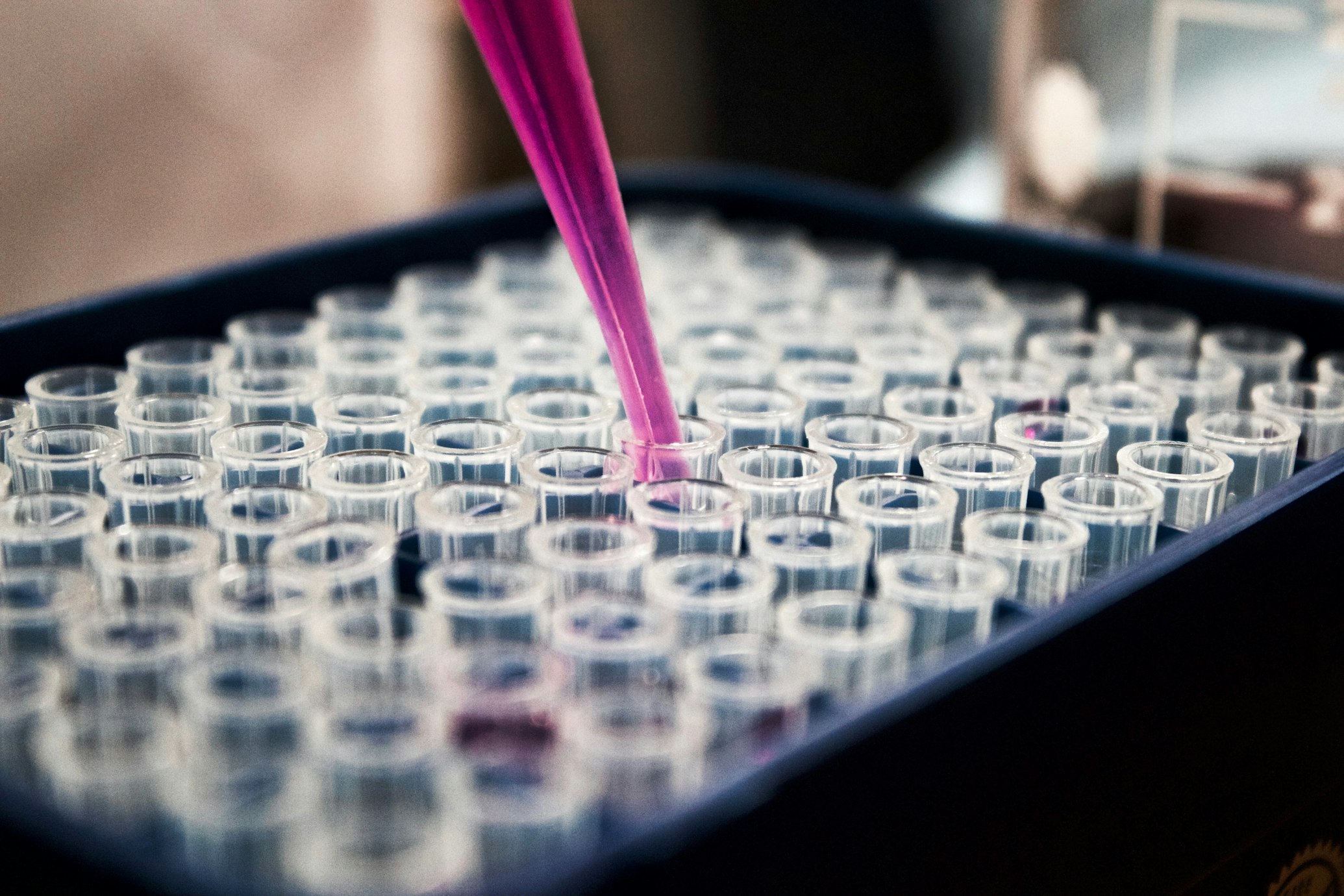
Metabolic pathways in cells can be engineered to produce valuable chemicals
A Deep Dive: The Succinic Acid Breakthrough
Let's examine a landmark experiment that successfully engineered E. coli to overproduce succinic acid. The goal was to turn the TCA cycle from an energy-generating loop into a one-way street leading to succinic acid.
The Experimental Blueprint
The researchers followed a logical, step-by-step process:
Choosing the Chassis
They started with a well-understood laboratory strain of E. coli.
Shutting Down Competition
To prevent the bacterium from using succinic acid for its own growth, they deleted genes for enzymes that consume it in the TCA cycle. This was like blocking off all the exit ramps after the succinic acid stop.
Opening Export Route
E. coli isn't naturally great at shuttling succinic acid out of the cell. The scientists inserted a gene from a different bacterium that codes for a highly efficient succinate transporter protein. This acts like installing a dedicated conveyor belt to pump the product out.
Supercharging Supply
They added extra copies of the genes for the enzymes that produce succinic acid, effectively adding more lanes to the highway leading to their desired product.
Fermentation and Analysis: The engineered bacteria were grown in large vats (fermenters) with a controlled supply of glucose (sugar) as their food. Over time, they regularly sampled the broth to measure how much succinic acid was being produced.
Results and Analysis: A Resounding Success
The results were dramatic. The engineered strain showed a massive increase in succinic acid production compared to the normal, unengineered E. coli.
| Strain Type | Succinic Acid Produced (grams per liter) | Glucose Consumed (grams) |
|---|---|---|
| Wild-type (Normal) E. coli | 0.5 g/L | 10 g |
| Engineered E. coli Strain | 45.2 g/L | 50 g |
The engineered strain produced over 90 times more succinic acid, demonstrating the profound impact of the genetic modifications.
Furthermore, the process was highly efficient, converting a large portion of the sugar into the desired product.
| Metric | Engineered Strain Performance |
|---|---|
| Yield (g succinate / g glucose) | 0.9 g/g |
| Productivity (g/L per hour) | 1.2 g/L/h |
A yield of 0.9 g/g is exceptionally high, indicating that very little sugar was wasted on byproducts or cell growth.
Scientific Importance:
This experiment proved that it's possible to fundamentally rewire a bacterium's central metabolism for industrial production. It wasn't just a slight improvement; it was a paradigm shift, paving the way for commercially viable bio-based succinic acid plants .
Production Comparison
Efficiency Metrics
The Scientist's Toolkit: Essential Gear for Metabolic Engineers
Creating these microbial factories requires a sophisticated set of biological tools. Here are the key research reagents and materials used in experiments like the one described.
Plasmids
DNA delivery vehicles
Restriction Enzymes
Molecular scissors
CRISPR-Cas9
Gene editing system
A Greener Chemical Future, Brewed in a Vat
The journey to produce C4 chemicals in E. coli is a shining example of synthetic biology's potential. By learning the language of life and rewriting its code, we are not just observing nature—we are collaborating with it.
The success in engineering microbes to produce succinic acid and its cousins marks a critical step away from our petroleum-based past and toward a sustainable, bio-based future. The next time you see a plastic product, imagine a day soon where its origin wasn't a smoky refinery, but a bubbling vat of trillion microscopic factories, quietly working to build a cleaner world .