Beyond Growth: Leveraging Flux Balance Analysis (FBA) for Optimized Non-Growth Associated Production in Biopharmaceuticals
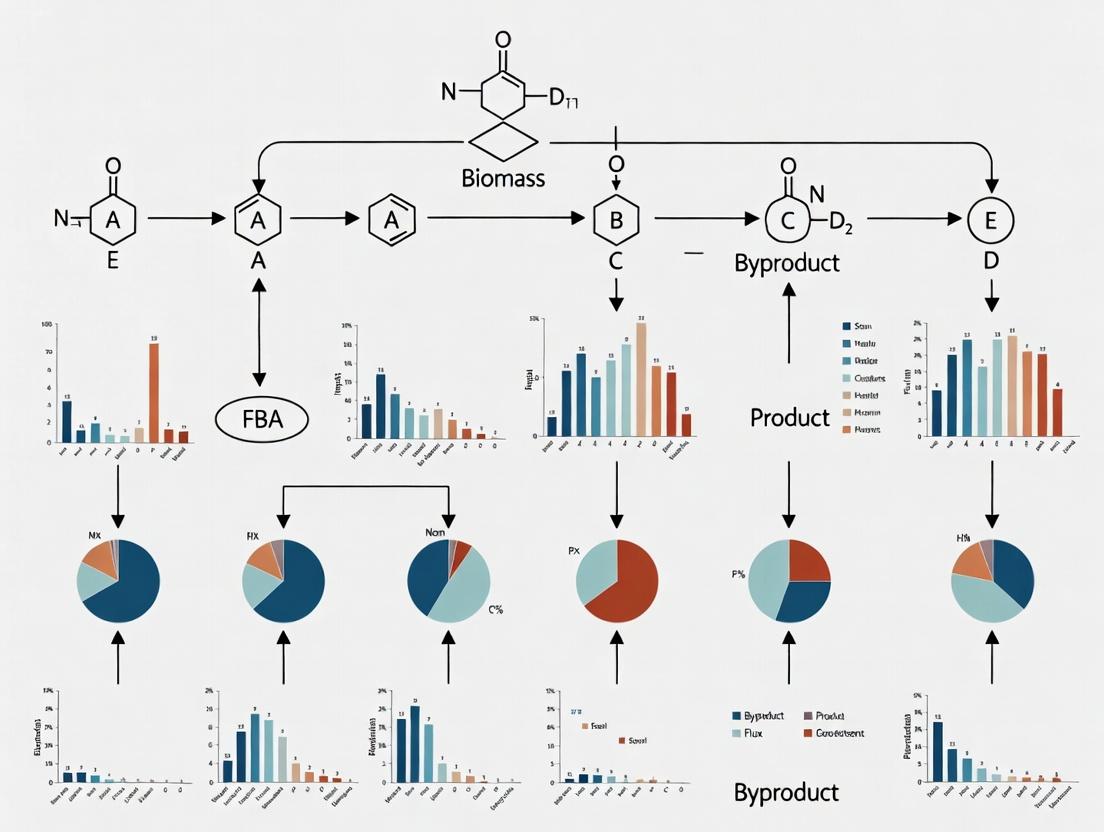
This article provides a comprehensive guide for researchers, scientists, and drug development professionals on applying Flux Balance Analysis (FBA) to non-growth associated production (NGAP) phases in bioprocesses.
Beyond Growth: Leveraging Flux Balance Analysis (FBA) for Optimized Non-Growth Associated Production in Biopharmaceuticals
Abstract
This article provides a comprehensive guide for researchers, scientists, and drug development professionals on applying Flux Balance Analysis (FBA) to non-growth associated production (NGAP) phases in bioprocesses. We explore the foundational principles distinguishing NGAP from growth-coupled systems, detail the methodological adaptations required for FBA model formulation, address common challenges in model reliability, and compare FBA's performance against other analytical techniques. By synthesizing current research and applications, this resource aims to empower the development of more efficient and predictable production processes for high-value therapeutic compounds like secondary metabolites, recombinant proteins, and antibiotics.
What is Non-Growth Associated Production? Core Concepts and FBA's Unique Role
FBA-Based Troubleshooting Center for Non-Growth Associated Production
Objective: This support center assists researchers in applying Flux Balance Analysis (FBA) to optimize processes where product formation (e.g., secondary metabolites, recombinant proteins under specific promoters) is decoupled from cellular growth. Common issues arise from model constraints, objective function formulation, and experimental validation.
FAQs & Troubleshooting Guides
Q1: My FBA model predicts zero product flux for my non-growth associated product under standard biomass maximization. How do I resolve this? A: This is expected. Non-growth associated production (NGAP) often involves secondary metabolic pathways not active during rapid growth. You must reformulate the problem.
- Solution: Implement a two-stage or "switchable" objective function simulation.
- Stage 1: Constrain the model to your experimentally measured growth rate (μ) or simulate growth phase with biomass maximization. Note the resulting metabolite pool and energy/redox states.
- Stage 2: Fix the growth rate to a low or maintenance level (e.g., μ=0.05 h⁻¹). Change the objective function to maximize the flux through the reaction producing your target compound (e.g.,
R_antibiotic_synthase).
- Check: Ensure your model includes the necessary secondary pathways, cofactor demands (NADPH, ATP), and transport reactions for the product and precursors.
Q2: How do I experimentally validate FBA predictions for NGAP in a bioreactor? A: You need to decouple growth and production phases experimentally.
- Protocol: Two-Stage Chemostat Validation.
- Stage 1 - Growth Phase: Operate the bioreactor in batch or chemostat mode with excess carbon/nitrogen source to achieve target biomass. Monitor OD₆₀₀, substrate consumption, and dissolved oxygen.
- Stage 2 - Production Phase: Once desired biomass is reached, switch the feed to a production medium. This often involves:
- Carbon Limitation: Switch to a slow-utilizing carbon source.
- Nitrogen Depletion: Use a nitrogen-free feed.
- Inducer Addition: For recombinant systems, add a non-metabolizable inducer (e.g., IPTG).
- Sampling: Take frequent samples for extracellular metabolites (HPLC), intracellular ATP/NADPH levels (enzymatic assays), and transcriptomics (qPCR of pathway genes).
- Data Integration: Use the measured uptake/excretion rates from Stage 2 as constraints in your FBA model to see if predicted product formation matches measured titers.
Q3: My model is sensitive to ATP maintenance (ATPM) constraints. What value should I use for NGAP phases? A: The ATPM flux is critical for realistic predictions in non-growth phases.
- Troubleshooting Steps:
- Measure it: Perform a carbon-limited chemostat experiment at very low dilution rates (near-zero growth). Measure the specific carbon source uptake rate (qₛ). The minimum qₛ required to sustain the culture is used to calculate the ATPM value via stoichiometry.
- Constrain it: Use this experimentally derived ATPM value to fix the lower bound of the ATP maintenance reaction in your model during the production phase simulation.
- Sensitivity Analysis: Run FBA simulations for product yield across a range of ATPM values (e.g., 1-10 mmol/gDCW/h) to understand its impact.
Table 1: Typical Constraints for FBA Simulation of Growth vs. Non-Growth Phases
| Parameter | Growth-Associated Phase (Max Biomass) | Non-Growth Associated Production Phase | Measurement Method |
|---|---|---|---|
| Objective Function | Maximize Biomass_reaction |
Maximize Product_formation_reaction |
Model definition |
| Growth Rate (μ) | Unconstrained or > 0.3 h⁻¹ | Constrained to low (0.0-0.1 h⁻¹) or zero | Off-gas analysis, OD |
| ATP Maintenance (ATPM) | Default model value (e.g., 3-5 mmol/gDCW/h) | Experimentally determined value (often higher per unit biomass) | Substrate uptake at near-zero growth |
| Carbon Uptake (Glucose) | High (-10 to -20 mmol/gDCW/h) | Limited or shifted to secondary carbon source (-1 to -5 mmol/gDCW/h) | HPLC, enzymatic assay |
| Nitrogen Uptake | Sufficient for growth | Often limited or depleted | Chemical assay |
Table 2: Common Non-Growth Associated Products & Key Pathway Cofactors
| Product Class | Example | Primary FBA Objective Reaction | Critical Cofactor Demand |
|---|---|---|---|
| Polyketides | Erythromycin | RErythromycinsynthase | NADPH, ATP, Malonyl-CoA |
| Non-ribosomal Peptides | Penicillin | R_ACVS (ACV synthetase) | ATP, L-aa, Cysteine |
| Heterologous Proteins | Therapeutic mAb | RProteinexport | ATP, NADPH (for folding) |
| Biofuels | Isobutanol | RIsobutanoldehydrogenase | NADH/NADPH |
Experimental Protocol: Determining ATP Maintenance Flux
Title: Quantifying ATP Demand for Non-Growth Cell Maintenance
Method:
- Setup: A chemostat with defined minimal medium and a single, measurable carbon source (e.g., glucose).
- Operation: Achieve steady-state at a high dilution rate (D) (e.g., D = 0.3 h⁻¹). Record biomass concentration (X, g/L) and residual substrate concentration (S, mmol/L).
- Step Down: Gradually decrease D to near-zero (e.g., 0.02 h⁻¹), allowing a new steady-state at each point.
- Calculation: At each steady-state, calculate the specific substrate uptake rate, qₛ = D*(Sᵢₙ - S)/X. Plot qₛ against D.
- Analysis: Extrapolate the linear relationship to D = 0. The Y-intercept (qₛₘₐₓ) is the substrate uptake rate used purely for maintenance. Convert this to an ATPM value using the known ATP yield from the substrate (Yₐₜₚ/ₛ). Formula: ATPM = qₛₘₐₓ * Yₐₜₚ/ₛ (mmol ATP/gDCW/h).
Pathway & Workflow Diagrams
Title: Two-Stage FBA Simulation Workflow
Title: Metabolic Flux Partitioning for NGAP
The Scientist's Toolkit: Key Research Reagent Solutions
Table 3: Essential Materials for FBA-Guided NGAP Research
| Reagent / Material | Function / Application | Key Consideration for NGAP |
|---|---|---|
| Defined Minimal Medium Kit | Provides reproducible, chemically defined environment for constraint quantification. | Essential for accurate measurement of specific uptake/secretion rates for FBA. |
| ATP Bioluminescence Assay Kit | Quantifies intracellular ATP concentration from cell lysates. | Validates model ATPM constraints during non-growth production phase. |
| NADP/NADPH Quantification Kit | Measures redox cofactor pools critical for secondary metabolism. | Assesses cofactor limitation as a potential bottleneck predicted by FBA. |
| Inducible Expression System | Allows external control of gene expression (e.g., T7, Tet-ON). | Enforces metabolic "switch" from growth to production in recombinant hosts. |
| 13C-Labeled Carbon Source | Enables 13C Metabolic Flux Analysis (MFA). | Provides experimental flux data to validate and refine FBA model predictions. |
| Continuous Bioreactor System | Enables steady-state cultivation and precise control of growth rate (μ). | Required for implementing true two-stage processes and measuring maintenance energies. |
Technical Support Center: Troubleshooting Non-Growth Associated Production (NGAP) in Flux Balance Analysis (FBA)
FAQ & Troubleshooting Guide
Q1: My FBA model predicts zero production of my target therapeutic compound during non-growth phases, even though I've annotated the relevant pathways. What could be wrong?
A: This is a common issue. The primary cause is often an incomplete or incorrect constraint set that does not reflect the true physiological state of NGAP. Verify the following:
- Maintenance Energy (ATPM): Ensure a non-zero ATP maintenance requirement is set. This is critical for simulating a viable, non-dividing cell.
- Nutrient Uptake Rates: For a non-growing cell, the uptake rates for carbon (e.g., glucose) and other nutrients must be severely limited compared to growth phases. An excessively high uptake rate will force the solver to compute growth.
- Objective Function: The objective must be changed from biomass maximization to maximization of your product exchange reaction. Confirm the reaction ID is correct and unbounded in the export direction.
Experimental Protocol: Constraint-Based FBA for NGAP Simulation
- Model Loading: Load your genome-scale metabolic model (e.g., in CobraPy).
- Constraint Definition:
- Set the lower bound of the biomass reaction to 0. This defines the non-growth condition.
- Set the lower bound for glucose uptake (
EX_glc__D_e) to a low value (e.g., -0.5 mmol/gDW/hr). - Set the ATP maintenance reaction (
ATPM) lower bound to a positive value (e.g., 1.0 - 3.0 mmol/gDW/hr).
- Objective Reassignment: Change the model objective to your target product secretion reaction (e.g.,
EX_prod_e). - Simulation: Run
model.optimize()and analyze the flux distribution.
Q2: How do I experimentally validate the nutrient uptake and maintenance energy constraints used in my NGAP FBA model?
A: This requires a dedicated bioreactor experiment with precise metabolite tracking.
Experimental Protocol: Chemostat-Based Parameter Determination for NGAP
- Cultivation: Run a continuous chemostat culture at a dilution rate (D) far below the maximum growth rate (µ_max) to approximate near-zero growth.
- Steady-State Measurement: Achieve and confirm metabolic steady-state (constant biomass, substrate, and product concentrations over time).
- Quantitative Analysis:
- Glucose Uptake Rate:
q_glc = D * (S_feed - S_reactor) / X. Where S is substrate concentration and X is biomass. - Specific Production Rate:
q_prod = D * (P_reactor) / X. Where P is product concentration. - Maintenance Coefficient (m_s): Calculate from linear regression of
q_glcagainst D using the equationq_glc = (1/Y_xs_max)*D + m_s. The Y-intercept ism_s.
- Glucose Uptake Rate:
Table 1: Typical Constraint Ranges for NGAP FBA vs. Growth FBA
| Parameter | Growth-Associated Phase (FBA) | Non-Growth Associated Phase (FBA) | Experimental Method for NGAP Value |
|---|---|---|---|
| Biomass Reaction LB/UB | 0 to µ_max | 0 (fixed) | Chemostat at D ≈ 0.05*µ_max |
| Glucose Uptake (mmol/gDW/hr) | -10 to -20 | -0.1 to -2.0 | Measured q_glc in chemostat |
| ATPM (mmol/gDW/hr) | ~3.0 (implied) | 1.0 - 3.0 (explicit) | Derived from m_s and stoichiometry |
| Objective Function | Maximize Biomass | Maximize Product Exchange | N/A |
Q3: The predicted metabolic fluxes for my product pathway seem unrealistic. How can I refine the pathway topology in my model?
A: This indicates a potential gap in the model's biochemical knowledge. Follow this curation workflow.
Diagram Title: Metabolic Model Curation Workflow for NGAP
The Scientist's Toolkit: Key Research Reagent Solutions for NGAP Studies
| Item / Reagent | Function in NGAP Research |
|---|---|
| Miniature Bioreactor System (e.g., DasGip, BioFlo) | Enables precise, continuous control of environmental parameters (pH, DO, feed) for steady-state NGAP experiments. |
| LC-MS/MS System | Quantifies extracellular metabolites (substrates, products) and intracellular pools for flux validation and constraint setting. |
| CobraPy Software Package | Python toolbox for constraint-based modeling, essential for building, simulating, and analyzing FBA models under NGAP conditions. |
| Stable Isotope Tracers (e.g., ¹³C-Glucose) | Used in Metabolic Flux Analysis (MFA) to experimentally determine in vivo fluxes and validate FBA predictions. |
| RNA-seq/Sample Prep Kit | Profiles global gene expression to inform context-specific model reconstruction (e.g., which pathways are active during NGAP). |
Q4: How can I integrate transcriptomic data to create a context-specific model for my NGAP production host?
A: Use gene expression data to create a condition-specific metabolic model.
Experimental Protocol: GENERATING A TRANSCRIPTOMICS-CONSTRAINED MODEL FOR NGAP
- Sample Collection: Harvest cells during the experimentally induced non-growth production phase. Include a growth-phase control.
- RNA-seq & Processing: Perform RNA sequencing. Map reads, quantify expression (TPM/FPKM), and identify differentially expressed genes.
- Model Reconstruction: Use algorithms like GIMME, iMAT, or tINIT (in CobraPy) to generate a context-specific model.
- Inputs: Your base model, expression data, and a threshold for "high" vs. "low" expression.
- Logic: The algorithm will try to include reactions associated with highly expressed genes while minimizing fluxes through low-expression reactions, subject to the NGAP constraints (biomass=0, product max).
Diagram Title: Integrating Transcriptomics with FBA for NGAP
Flux Balance Analysis (FBA) is a constraint-based mathematical modeling approach used to predict the flow of metabolites through a metabolic network. It is grounded in the assumption of steady-state mass balance for all internal metabolites, meaning their production and consumption rates are equal. FBA does not require kinetic parameters; instead, it utilizes the stoichiometry of the metabolic network and linear programming to find an optimal flux distribution that maximizes or minimizes a defined biological objective (e.g., biomass production).
Core Assumptions of FBA:
- Steady-State Assumption: Internal metabolite concentrations do not change over time.
- Mass Balance: The system obeys conservation of mass.
- Optimization Principle: The network is optimized for a specific cellular objective.
- Constraints: Reaction fluxes are bounded by physiologically or experimentally defined limits.
In the context of non-growth associated production (NGAP) research, such as the synthesis of secondary metabolites or drugs during stationary phase, FBA is adapted by modifying the objective function from maximizing growth to maximizing the synthesis rate of the target compound, often while imposing constraints that limit or fix growth-related fluxes.
FBA Technical Support Center
Troubleshooting Guides & FAQs
Q1: My FBA simulation predicts zero flux for my target non-growth associated product (e.g., an antibiotic). What are the most common causes? A: This is a frequent issue in NGAP research. Common causes and solutions include:
- Missing or Incomplete Pathway: The genome-scale metabolic model (GEM) may lack the reactions for synthesizing your target compound. Solution: Perform extensive gap-filling using biochemical databases and literature.
- Incorrect Objective Function: The solver is still maximizing biomass. Solution: Explicitly set the biomass reaction as a constraint (e.g., lower bound = 0) and set the secretion reaction of your target product as the new objective to maximize.
- Energy/Mass Imbalance: Production may be energetically infeasible under the simulated conditions. Solution: Check ATP and redox balances. Ensure uptake reactions for necessary nutrients (carbon, nitrogen, oxygen) are open.
- Overly Restrictive Constraints: The bounds on key precursor reactions may be too tight. Solution: Review and experimentally justify the flux bounds for reactions in the precursor pathway.
Q2: How do I validate my FBA predictions for a non-growth production scenario? A: Validation is critical. A recommended protocol is:
- In silico Validation: Perform phenotypic phase plane (PhPP) analysis to see how product yield varies with substrate uptake and growth rates.
- Experimental Design: Set up a bioreactor or flask culture that promotes a non-growth or stationary phase (e.g., nutrient limitation).
- Measure Key Rates: Quantify the substrate uptake rate (qS), specific product formation rate (qP), and (if any) biomass accumulation rate (μ) during the production phase.
- Compare: Use the measured qS and μ as input constraints in the FBA model. Compare the predicted qP from the simulation with your experimentally measured qP. A high correlation validates the model.
Q3: I get "Infeasible Solution" errors when I switch the objective to my product. What does this mean? A: An "infeasible" result means no flux distribution satisfies all constraints simultaneously. Troubleshoot using this workflow:
Diagram: FBA Infeasibility Troubleshooting Workflow
Q4: What is the difference between pFBA and standard FBA for NGAP studies? A: Parsimonious FBA (pFBA) adds a second optimization step: after finding the optimal product yield, it minimizes the total sum of absolute flux, reflecting an assumed cellular preference for economy. For NGAP, this can predict a more realistic, low-energy flux distribution in stationary phase.
| Feature | Standard FBA | Parsimonious FBA (pFBA) | ||||
|---|---|---|---|---|---|---|
| Primary Objective | Maximize product flux (Z). | Maximize product flux (Z). | ||||
| Secondary Objective | None. | Minimize sum of absolute fluxes ( | v | ). | ||
| Result | One of potentially many optimal yield solutions. | The optimal yield solution with minimal total enzyme usage. | ||||
| Use Case in NGAP | Theoretical maximum yield. | Likely physiological flux map during maintenance phase. |
Experimental Protocol: Simulating Non-Growth Associated Production with FBA
Objective: To use a genome-scale metabolic model (GEM) to predict the maximum theoretical yield of a secondary metabolite (e.g., Pectinibacterin) under non-growth conditions.
Materials: A curated GEM (e.g., in .xml or .mat format), constraint-based modeling software (CobraPy, RAVEN Toolbox).
Methodology:
- Model Loading & Preparation: Import the GEM into your analysis environment. Verify that the reaction for the secretion (exchange) of your target product is present and correctly defined.
- Define Growth Constraints: To simulate a non-growth state, set the lower and upper bounds of the biomass reaction to zero (
lb=0, ub=0). This decouples production from growth. - Set Medium Constraints: Define the environmental conditions by setting the upper bounds of substrate uptake reactions (e.g., glucose, oxygen, ammonia) according to your experimental setup. Close all irrelevant exchanges.
- Formulate the Problem: Define the linear programming problem:
- Objective Function: Maximize the flux through the product exchange reaction.
- Constraints:
S·v = 0(steady-state),lb_i ≤ v_i ≤ ub_i(flux bounds).
- Run Simulation: Solve the linear programming problem using an appropriate solver (e.g., GLPK, CPLEX).
- Analyze Results: Extract the optimal product flux. Perform Flux Variability Analysis (FVA) to determine the range of possible fluxes for each reaction while maintaining optimal product yield.
The Scientist's Toolkit: Key Research Reagent Solutions
| Item | Function in FBA for NGAP Research |
|---|---|
| Curated Genome-Scale Model (GEM) | The core mathematical representation of the organism's metabolism. Must include pathways for the target product. |
| Constraint-Based Modeling Software (CobraPy) | Python toolbox for loading models, applying constraints, running FBA/pFBA/FVA, and analyzing results. |
| Linear Programming Solver (GLPK, CPLEX) | The computational engine that performs the optimization calculation to find the flux solution. |
| Biochemical Database (MetaCyc, KEGG) | Used for gap-filling metabolic models and verifying reaction stoichiometry for novel products. |
| Isotope-Labeled Substrates (e.g., ¹³C-Glucose) | Critical for experimental validation via ¹³C Metabolic Flux Analysis (MFA) to measure in vivo fluxes. |
| Nutrient-Limited Chemostat | Bioreactor system to establish steady-state, non-growth conditions for validating model predictions. |
Key Metabolic Pathways in a Generic Non-Growth Production Scenario
This diagram illustrates the shift in flux priorities when the objective changes from growth to non-growth associated production.
Diagram: Flux Redirection from Growth to Non-Growth Associated Production
Technical Support Center
Troubleshooting Guides & FAQs
Q1: I am attempting to use Flux Balance Analysis (FBA) to model a quiescent cell state for non-growth associated product formation (e.g., secondary metabolite). My model predicts zero flux through all reactions. What is the most likely cause and how can I resolve this?
A: This is a classic symptom of applying a steady-state, biomass-maximizing FBA formulation to a system with no growth objective. The solver minimizes/maximizes the objective function (often biomass) subject to the steady-state mass balance constraint S*v = 0. For a non-growing system, maximizing biomass is not a physiologically relevant objective.
Protocol for Resolution:
- Change the Objective Function: Replace the biomass reaction objective with one relevant to your system (e.g., ATP maintenance, NADPH production, or the specific product exchange reaction).
- In COBRA Toolbox (MATLAB):
model = changeObjective(model, 'ATPM'); - In COBRApy (Python):
model.objective = 'ATPM'
- In COBRA Toolbox (MATLAB):
- Apply a Maintenance Requirement: Ensure a non-zero lower bound is set on the ATP maintenance reaction (
ATPM) to represent baseline energy costs for viability.model = changeRxnBounds(model, 'ATPM', 0.5, 'l');// Sets lower bound to 0.5 mmol/gDW/h
- Use a Different Solution Method: Employ Flux Variability Analysis (FVA) to explore the feasible solution space after setting a realistic objective, or switch to a method like MoMA (Minimization of Metabolic Adjustment) which does not assume optimal growth.
Q2: My model is transitioning from exponential growth to a stationary phase. How can I incorporate dynamic constraints, like gradually decreasing uptake rates, into an FBA framework?
A: Standard FBA is not dynamic. You must use a dynamic extension (dFBA) or a sequential static FBA approach.
Experimental Protocol for Sequential Static FBA: This protocol simutes a transition by solving a series of steady-state FBA problems, updating the model constraints at each time step based on previous solutions.
- Initialization: Define initial metabolite concentrations in the extracellular environment (e.g., glucose, oxygen). Define the time step (Δt) and total simulation time.
- Flux Calculation: At time t, solve an FBA problem with current exchange reaction bounds (derived from extracellular concentrations).
- Dynamic Update: Update the extracellular metabolite concentrations using the calculated exchange fluxes (v_exchange):
C(t + Δt) = C(t) + v_exchange * X * Δt- Where
Cis concentration andXis biomass concentration.
- Constraint Update: Recalculate the upper bounds for uptake reactions based on the new concentrations, often using Michaelis-Menten kinetics:
Uptake_max(t + Δt) = V_max * ( C(t+Δt) / (K_m + C(t+Δt)) )
- Iteration: Use the updated model for the next time step. Repeat until the simulation end time is reached.
Q3: When I relax the steady-state assumption for a subset of metabolites (e.g., storage compounds), how do I properly formulate the problem, and what solvers can handle it?
A: You are moving from a pure FBA to a Hybrid Differential FBA or a non-steady-state approach. This requires adding time derivatives for specific metabolites.
Methodology:
- Partition Reactions: Split your stoichiometric matrix
Sinto two parts:S_s(steady-state reactions) andS_ns(non-steady-state reactions). - Formulate Equations:
- For metabolites required to be at steady-state:
S_s * v = 0 - For metabolites allowed to accumulate/deplete:
dC/dt = S_ns * v
- For metabolites required to be at steady-state:
- Discretize & Integrate: The system becomes a set of Differential-Algebraic Equations (DAEs). Use an appropriate solver.
- Research Reagent Solutions (Software):
- COBRA Toolbox with
ode15s(MATLAB): Suitable for simulating simple hybrid systems. - GEARS (Python): A tool specifically designed for dynamic metabolic modeling.
- DFBAlab (MATLAB): Uses a lexicographic optimization approach to handle discontinuities in dFBA reliably.
- COBRA Toolbox with
- Research Reagent Solutions (Software):
Key Research Reagent Solutions
| Item | Function in Non-Growth FBA Research |
|---|---|
| COBRA Toolbox | A MATLAB suite for constraint-based modeling. Essential for implementing alternative objectives, FVA, and basic dFBA. |
| COBRApy | Python version of the COBRA toolbox, enabling integration with modern machine learning and data science libraries. |
| ME-model Data | Genome-scale model that includes explicit protein allocation constraints. Crucial for modeling transitions where resource re-allocation is key. |
| Specific Solver (e.g., Gurobi, CPLEX) | Linear/Quadratic Programming solver. Required for performing the core optimization calculations in FBA. |
| Experimental Data (e.g., RNA-seq, LC-MS) | Used to create context-specific models (via fastcorem or iMAT) or to constrain fluxes, moving the model from a generic to a condition-relevant state. |
| MoMA Code | Algorithm that finds a flux distribution closest to a reference (e.g., growth) state under new constraints, ideal for modeling sudden perturbations. |
Table 1: Comparison of FBA Formulations for Different Physiological States
| State | Core Objective | Key Constraints | Typical ATPM Bound | Primary Output |
|---|---|---|---|---|
| Exponential Growth | Maximize Biomass Reaction | Tight substrate uptake | ~3.0 mmol/gDW/h | Growth rate, optimal fluxes |
| Stationary Phase | Maximize ATPM or Product | Reduced uptake rates; may relax steady-state on storage pools | ~0.5 - 1.5 mmol/gDW/h | Maintenance energy, product yield |
| Transition (dFBA) | Varies with time | Dynamically changing uptake bounds via kinetics | Varies | Time-course of fluxes/metabolites |
Table 2: Common Non-Growth Associated Objectives in FBA
| Objective Reaction | Physiological Relevance | Example Application |
|---|---|---|
| Minimize ATPM | Assumes cells minimize energy expenditure | Modeling survival states, quiescence |
| Maximize ATPM | Assumes cells maximize energy production for maintenance | Simulating stress response |
| Maximize Product X | Directs flux towards a target metabolite | Production of secondary metabolites, biomanufacturing |
| Minimize Sum of Absolute Fluxes | Parsimonious enzyme usage (pFBA) | Finding a likely, sub-optimal flux distribution |
Diagrams
Troubleshooting Guides & FAQs
Q1: Our FBA model for a non-growth associated product (NGAP) like an antibiotic consistently predicts zero production, even after gene knockouts intended to increase precursor flux. What is the most likely issue? A: This often stems from an incomplete biomass objective function (BOF) or missing maintenance energy constraints. In NGAP, the cell prioritizes survival over production. Ensure your model includes a non-growth associated maintenance (NGAM) ATP requirement. Recalculate the ATPM (ATP Maintenance) reaction using recent experimental data, as legacy values from growth-associated studies can be inaccurate.
Q2: When simulating for maximal NGAP yield, the flux solution shows unrealistically high substrate uptake rates. How can we constrain the model to reflect realistic laboratory conditions? A: Apply thermodynamic and enzymological constraints. Use the measured maximum specific substrate uptake rate (qS_max) from your experimental system as an upper bound. Implement this in your FBA constraints table:
| Constraint Parameter | Typical Value | Unit | Purpose |
|---|---|---|---|
| Glucose Uptake (qS_max) | 10 - 20 | mmol/gDW/h | Reflects transporter capacity |
| NGAM (ATPM) | 1 - 3 | mmol/gDW/h | Captures baseline energy for maintenance |
| Growth Rate (μ) | 0.0 - 0.05 | 1/h | Sets condition to non- or slow-growth |
| Oxygen Uptake | 0 - 20 | mmol/gDW/h | Defines aerobic/anaerobic condition |
Q3: The predicted yield is high, but experimental titers remain low. What cellular mechanisms should we investigate? A: This discrepancy typically involves regulatory or allosteric control not captured in standard FBA. Focus on:
- Metabolite Toxicity: The product may inhibit key enzymes.
- Energy Spilling: Cells may use futile cycles, dissipating ATP even when not growing.
- Stress Responses: Product synthesis may trigger stringent response, redirecting resources.
Protocol 1: Quantifying Non-Growth Associated Maintenance (NGAM)
- Culture: Grow cells to stationary phase in a defined medium.
- Inhibitor Treatment: Add a growth inhibitor (e.g., chloramphenicol for bacteria) to halt protein synthesis.
- Monitor: Use a micro-respirometer to measure the steady-state rate of oxygen consumption or heat output.
- Calculate: NGAM (in mmol ATP/gDW/h) is derived from the maintained metabolic rate after growth cessation.
Q4: How do we adjust FBA to directly solve for the trade-off between yield and maintenance? A: Use multi-objective optimization (e.g., Pareto front analysis). Formulate the problem with two objective functions:
- Objective 1: Maximize flux to the NGAP reaction (v_NGAP).
- Objective 2: Minimize the flux through the ATP maintenance reaction (v_ATPM). The solution space reveals the optimal compromise. Implement using parsimonious FBA (pFBA) or similar constraint-based techniques.
Protocol 2: Conducting Pareto Front Analysis for Yield-Maintenance Trade-off
- Model Setup: Load your genome-scale model (GEM). Fix the growth rate at your desired near-zero value.
- Define Objectives: Set
v_NGAPas first objective and-v_ATPMas second (for minimization). - Optimization: Use a scripting tool (e.g., CobraPy in Python) to iteratively optimize for a weighted sum of the two objectives, varying the weight parameter.
- Plot: Plot the resulting pairs of (vNGAP, vATPM) to generate the Pareto front. Points on the front represent optimal trade-offs.
Q5: What are key genetic targets suggested by FBA to shift cellular priority from maintenance to production? A: FBA often identifies targets in central carbon metabolism and energy generation. Common candidates include:
- ATP Synthase (atp): Downregulation can limit energy dissipation but may risk viability.
- Catabolic Pathways (sdh, cyo): Redirecting electrons can alter ATP yield per carbon (YATP).
- Futile Cycle Enzymes (pck, ppc): Knockouts can reduce energy spilling.
The Scientist's Toolkit: Key Research Reagent Solutions
| Reagent / Material | Function in NGAP Research |
|---|---|
| Seahorse XF Analyzer Kits | Precisely measures mitochondrial respiration and glycolytic rates (ECAR/OCR) to quantify cellular energy metabolism and NGAM in live cells. |
| 13C-Glucose (Uniformly Labeled) | Used in Metabolic Flux Analysis (MFA) to trace carbon fate and determine in vivo flux distributions between production, maintenance, and byproducts. |
| Chloramphenicol / Rifampicin | Growth arrest agents used to inhibit protein synthesis or transcription, allowing researchers to study metabolism decoupled from growth. |
| CobraPy (Python Package) | Essential software for constructing, constraining, and analyzing genome-scale models, running FBA, pFBA, and Pareto optimization. |
| Micro-Respirometry Systems (e.g., Qube) | Directly measures oxygen consumption rates in stationary-phase cultures for experimental NGAM determination. |
Visualizations
Title: FBA Flux Partitioning in NGAP: Substrate to Competing Sinks
Title: Multi-Objective FBA Workflow for Yield vs. Maintenance
Title: Experimental Protocol for Determining NGAM
Building and Applying FBA Models for NGAP: A Step-by-Step Framework
Troubleshooting Guide & FAQs for FBA of Non-Growth Associated Production
This technical support center addresses common computational and experimental challenges encountered when formulating constraint-based models for Non-Growth Associated Production (NGAP) using Flux Balance Analysis (FBA).
FAQ: Model Formulation and Constraint Issues
Q1: How do I effectively constrain biomass growth in my model to simulate NGAP conditions? A: The standard method is to fix the biomass reaction flux to a low, non-zero value or to a fraction of its optimal value. This simulates a state where cellular maintenance is sustained but growth is not the primary objective.
- Protocol: Use the following steps in a tool like Cobrapy:
- Solve for the maximum biomass flux (
max_biomass) with the original objective. - Add a constraint:
model.reactions.BIOMASS_REACTION.lower_bound = 0.01 * max_biomass(or set to a specific small value, e.g., 0.1 h⁻¹). - Re-solve the model with the new production objective.
- Solve for the maximum biomass flux (
- Common Error: Setting the biomass lower bound to exactly zero can lead to infeasible solutions due to coupled essential maintenance requirements. Always use a small positive value.
Q2: What are the best alternative objective functions for NGAP, and when should I use them? A: The choice depends on the physiological assumption and target product. See the comparison table below.
Table 1: Alternative Objective Functions for NGAP FBA
| Objective Function | Mathematical Formulation | Use Case | Key Consideration | ||
|---|---|---|---|---|---|
| Maximize Product Yield | Maximize v_product |
Production phase after growth arrest. | May produce unrealistic flux distributions if not properly constrained. | ||
| Minimize Metabolic Adjustment (MOMA) | Minimize Σ (v_i - v_wt_i)² |
Simulating a shift from growth to production. Requires wild-type (growth) flux solution. | Computationally more intensive; assumes a quadratic regulatory objective. | ||
| Maximize ATP Maintenance (ATPm) | Maximize v_ATPm |
Simulating energy-spilling or maintenance metabolism. | Can be combined with a minimal product yield constraint. | ||
| Minimize Total Flux (pFBA) | Minimize `Σ | v_i | ` | Finding a parsimonious, high-yield production state. | Identifies the simplest flux network to achieve a constrained objective. |
Q3: My model becomes infeasible after constraining biomass. How do I debug this? A: Infeasibility often indicates a conflict between constraints. Follow this protocol:
- Check Coupling: Use
model.find_blocked_reactions()andmodel.find_essential_genes()under the new constraints to identify pathways essential for both growth and your production objective that may have been severed. - Relax Constraints: Sequentially relax non-core constraints (e.g., uptake rates, byproduct secretion) to identify the one causing the conflict.
- Inspect the Stoichiometric Matrix: Ensure your production reaction is correctly formulated and mass-balanced. A common error is an unbalanced drain reaction for the target product.
Q4: How can I validate my NGAP model predictions experimentally? A: Key metrics for validation include extracellular exchange rates and intracellular metabolite levels.
- Protocol: 13C-Metabolic Flux Analysis (13C-MFA) for NGAP Validation
- Culture: Grow cells to desired density and induce growth arrest (e.g., nutrient limitation) and production phase.
- Tracer: Switch to a medium containing a
13C-labeled carbon source (e.g., [1-13C]glucose). - Sampling: Quench metabolism at multiple time points post-shift. Extract and derivatize intracellular metabolites.
- Measurement: Analyze labeling patterns via GC-MS or LC-MS.
- Comparison: Use software (e.g., INCA) to estimate experimental fluxes. Statistically compare these to the flux distributions predicted by your constrained FBA model.
Pathway and Workflow Diagrams
NGAP FBA Model Formulation and Troubleshooting Workflow
Alternative Objective Functions and Their Physiological Assumptions
The Scientist's Toolkit: Key Research Reagent Solutions
Table 2: Essential Materials for NGAP FBA Model Validation
| Reagent / Material | Function in NGAP Research | Example/Catalog Consideration |
|---|---|---|
| Defined Minimal Medium | Provides precise control of nutrient availability for constraining substrate uptake rates in silico and in vivo. | Custom formulation based on model; e.g., M9, MOPS, CDM. |
| 13C-Labeled Substrate | Enables experimental flux determination via 13C-MFA to validate model predictions. | [1-13C]Glucose, [U-13C]Glucose, 13C-Acetate. |
| Quenching Solution | Rapidly halts cellular metabolism to capture metabolite levels at a specific instant. | Cold methanol/water or -40°C buffered saline. |
| Metabolite Extraction Solvent | Extracts intracellular metabolites for subsequent LC-MS/GC-MS analysis. | Chloroform:methanol:water mixtures or hot ethanol. |
| Derivatization Reagent | Chemically modifies metabolites for volatile analysis by GC-MS (e.g., for TCA intermediates). | MSTFA (N-Methyl-N-(trimethylsilyl)trifluoroacetamide). |
| Flux Analysis Software | Integrates labeling data & stoichiometry to calculate experimental flux maps. | INCA, IsoCor, OpenFlux. |
| Constraint-Based Modeling Suite | Platform for building, constraining, solving, and analyzing FBA models. | Cobrapy (Python), COBRA Toolbox (MATLAB), CellNetAnalyzer. |
Welcome to the Technical Support Center for FBA in Non-Growth Associated Production
This resource provides troubleshooting guidance for researchers implementing Flux Balance Analysis (FBA) to study production pathways under non-growth conditions, with a focus on critical physiological constraints.
Frequently Asked Questions & Troubleshooting Guides
Q1: My FBA model predicts unrealisticly high product yields under non-growth conditions, neglecting cellular maintenance. How do I correct this? A: This is a common issue when the maintenance energy (ATP) requirement is not properly constrained. The model assumes all resources can be diverted to production.
- Solution: Explicitly define a non-growth associated maintenance (NGAM) reaction that consumes ATP. Constrain this reaction flux to a value derived from experimental literature.
- Protocol:
pFBAor similar can be used with a fixed NGAM flux. First, set the biomass objective function to zero. Then, add a reactionATPM(e.g.,ATP + H2O -> ADP + Pi + H+) and set its lower bound to a measured value (e.g., 1-3 mmol/gDW/h for E. coli). Use product formation as the new objective.
Q2: How do I account for the ATP and redox costs of precursor synthesis in my production pathway? A: The model may be utilizing "free" precursors without accounting for their synthesis costs from central metabolism.
- Solution: Perform a systematic check of the metabolite currency involved in all reactions of your heterologous pathway. Ensure ATP, NADH, NADPH, and other cofactor balances are correctly modeled.
- Protocol: Use
checkMassBalance(in COBRA Toolbox) on your pathway reactions. Manually verify the stoichiometry of ATP hydrolysis, transhydrogenase, or membrane transport reactions that generate proton motive force. Incorrect balancing here leads to energy "loopholes."
Q3: My model fails to produce any target compound when I turn off growth, even though precursors seem available. What could be wrong? A: The problem is often precursor availability. Under non-growth, the supply of key building blocks (e.g., acetyl-CoA, malonyl-CoA, PEP) from central carbon metabolism may be limited or incorrectly routed.
- Solution: Perform a flux variability analysis (FVA) on key precursor metabolites. Identify which reactions are limiting their supply.
- Protocol: 1) Set growth = 0. 2) Set the lower bound of your product exchange reaction to a small, non-zero value (e.g., 0.01 mmol/gDW/h). 3) Run FVA on all reactions. 4) Identify reactions carrying zero flux that are essential for precursor supply. You may need to relax regulatory constraints or add alternative pathways in the model.
Q4: How can I quantitatively compare the theoretical yield of my product under growth vs. non-growth conditions? A: You need to run separate simulations with different objective functions and constraint sets.
Table 1: Comparison of FBA Simulation Setups for Yield Analysis
| Condition | Objective Function | Key Constraints | Outcome Metric |
|---|---|---|---|
| Growth-Associated Production | Maximize Biomass | Substrate uptake measured; NGAM set. | Max growth rate (h⁻¹) and concurrent product yield (mol/mol). |
| Non-Growth Associated Production | Maximize Product Secretion | Biomass flux = 0; NGAM fixed; Substrate uptake fixed. | Theoretical max product yield (mol/mol) and required precursor fluxes. |
| Maintenance-Only | Minimize Total Flux (pFBA) | Biomass = 0; NGAM fixed; Product formation fixed at a rate. | Metabolic cost of production: total enzyme usage. |
Q5: What are the best practices for validating in silico predictions of maintenance energy and ATP usage? A: In silico predictions require calibration with chemostat data at near-zero growth rates.
- Protocol: 1) Acquire experimental data: Measure substrate consumption and product formation in a carbon-limited chemostat at very low dilution rates (D ≈ 0.05 h⁻¹). 2) Calculate the observed substrate consumption used for maintenance. 3) In your model, set the uptake rate to the measured value, set biomass flux to the dilution rate, and optimize for ATPM (maintenance). 4) Adjust the ATP stoichiometry in the NGAM reaction or the P/O ratio in the respiratory chain to match the model's maintenance prediction to the experimental data.
The Scientist's Toolkit: Key Research Reagent Solutions
Table 2: Essential Materials for Constraint-Based Modeling of Non-Growth Production
| Item / Reagent | Function in Research Context |
|---|---|
| COBRA Toolbox (MATLAB) | Primary software platform for building, simulating, and analyzing genome-scale metabolic models. |
| cobrapy (Python) | Python alternative to COBRA Toolbox for FBA and strain design simulations. |
| Defined Minimal Media Chemostat | Provides experimental data for calibrating model constraints (substrate uptake, maintenance) at near-zero growth. |
| ATP Bioluminescence Assay Kit | Quantifies intracellular ATP levels in vivo to validate model predictions of ATP turnover under non-growth. |
| [13C]-Glucose or [13C]-Acetate | Enables 13C Metabolic Flux Analysis (MFC) to measure in vivo pathway fluxes for model validation under production conditions. |
| LC-MS/MS System | Quantifies extracellular metabolites (substrates, products, by-products) and intracellular precursors for model validation. |
Visualizations
Title: Constraint-Based Modeling for Non-Growth Production
Title: Model Calibration and Validation Workflow
Technical Support Center
Frequently Asked Questions (FAQs) & Troubleshooting
Q1: After switching to a non-growth associated production (NGAP) phase in my Flux Balance Analysis (FBA) simulation, the predicted product flux remains zero. What could be the cause? A: This is often due to incorrect definition of the objective function or incomplete pathway activation. Ensure the following:
- Objective Function: The model's objective is set to maximize the exchange reaction of your target metabolite, not biomass. Use
model.objective = 'EX_target(e)'. - Pathway Compartmentalization: Verify that all necessary enzymatic reactions for the production pathway are present and active in the simulated compartment (e.g., cytosol, peroxisome). A missing transport reaction between compartments can block flux.
- Phase-Specific Constraints: Apply constraints that mimic the production phase, such as setting the growth rate to near-zero (
model.reactions.BIOMASS_reaction.upper_bound = 0.01) and ensuring ample carbon uptake.
Q2: My FBA model predicts unrealisticly high product yields during the NGAP phase. How can I make the simulation more physiologically relevant? A: Unrealistically high fluxes often stem from a lack of necessary regulatory and thermodynamic constraints.
- Apply Enzyme Capacity Constraints: Integrate enzyme turnover numbers (kcat) and measured enzyme abundance data (from proteomics) to impose upper flux bounds using GECKO or E-Flux methodologies.
- Check Energy (ATP) Coupling: Ensure that energy (ATP/NAD(P)H) consumption for product synthesis and export is correctly modeled. An imbalance can lead to infeasible cycles.
- Validate with 'omics Data: Constrain the model with transcriptomic or proteomic data from the production phase to deactivate non-expressed pathways.
Q3: How do I correctly model compartmentalization (e.g., peroxisomal pathways) in a genome-scale metabolic model for NGAP? A: Proper compartmentalization requires careful annotation and transport reaction inclusion.
- Reaction Localization: Use databases like MetaCyc, UniProt, and species-specific literature to assign correct subcellular locations to reactions.
- Define Transport Reactions: For every metabolite involved in a cross-compartment pathway, a specific transport/diffusion reaction must be added (e.g.,
MET[c] <=> MET[p]). Missing transporters are a common source of simulation failure. - Protocol: Start with a core compartmentalized model (e.g., from BIGG Models or ModelSEED). Manually curate the target production pathway using pathway tools like PathwayTools or by scripting in COBRApy (
cobra.Model.add_metabolites()&cobra.Model.add_reactions()).
Q4: I am getting an "infeasible solution" error when applying both growth and production constraints. How do I resolve this? A: Infeasibility indicates contradictory constraints. Systematically relax them.
- Protocol for Debugging:
- Reset all constraints to their original (growth-phase) bounds.
- Apply only the key NGAP constraint: set the biomass upper bound to your desired low level (e.g., 0.05 h⁻¹).
- Change the objective to your product exchange reaction and optimize. If feasible, proceed.
- Add one additional constraint at a time (e.g., oxygen uptake, nutrient limitation) and re-optimize to identify the conflicting constraint.
- Use Flux Variability Analysis (FVA) to identify reactions that must carry flux for your setup; these may point to the conflict.
Experimental Protocol: Integrating Proteomic Data for Phase-Specific Constraint-Based Modeling
Objective: To create a production phase-specific metabolic model by constraining reaction capacities with proteomics data.
Methodology:
- Cultivation: Perform two-stage bioreactor cultivation: (1) Growth phase, (2) Production phase (induced by nutrient shift/inductor).
- Sampling: Harvest cells during mid-production phase. Perform triplicate sampling.
- Proteomics: Extract proteins. Analyze via LC-MS/MS. Quantify enzyme abundances (in mmol/gDW).
- Data Integration:
- Map identified enzymes to their corresponding reactions in the genome-scale metabolic model (GEM).
- Calculate an upper flux bound for each reaction: Vmax = [Enzyme] * kcat. Use organism-specific kcat values from databases like BRENDA or SABIO-RK.
- Apply these Vmax constraints to the model using the COBRA Toolbox in MATLAB or COBRApy in Python:
model.reactions.RXN_1.upper_bound = calculated_Vmax.
- Simulation: Set biomass objective to near-zero and production reaction as the objective. Perform pFBA (parsimonious FBA) to obtain a realistic flux distribution for the NGAP phase.
The Scientist's Toolkit: Key Research Reagent Solutions
| Item / Reagent | Function in NGAP Metabolic Network Research |
|---|---|
| COBRA Toolbox (MATLAB) | Primary software suite for building, simulating, and analyzing constraint-based metabolic models. |
| COBRApy (Python) | Python version of COBRA, essential for automated model scripting, large-scale simulation, and integration with ML pipelines. |
| Defined Mineral Medium | Enables precise control of nutrient uptake constraints (C, N, P, S sources) in FBA simulations during phase shift experiments. |
| LC-MS/MS System | For absolute quantification of intracellular metabolites (fluxomics) and enzymes (proteomics) to generate phase-specific data for model constraints. |
| RNAseq Kits | Generate transcriptomic data to infer which pathways are active/inactive during the production phase via methods like INIT or iMAT. |
| Pathway Tools Software | Supports the development, visualization, and genomic annotation of compartmentalized metabolic networks. |
| BRENDA Database | Curated enzyme kinetic data (kcat, Km) critical for calculating thermodynamic and enzyme capacity constraints. |
Table 1: Comparative FBA Simulation Results for Growth vs. Non-Growth Associated Production
| Simulation Parameter | Growth Phase (Objective: Biomass) | Production Phase (Objective: Product X) |
|---|---|---|
| Biomass Flux (1/h) | 0.42 | 0.05 (constrained) |
| Product X Flux (mmol/gDW/h) | 0.15 | 4.82 |
| Glucose Uptake (mmol/gDW/h) | 10.0 | 10.0 (constrained) |
| ATP Maintenance (mmol/gDW/h) | 3.2 | 6.1 |
| Oxygen Uptake (mmol/gDW/h) | 8.5 | 4.2 |
Table 2: Key Enzyme Abundance & Calculated Flux Bounds from Proteomic Data
| Enzyme / Reaction | Abundance (mmol/gDW) | kcat (1/s) | Calculated Vmax (mmol/gDW/h) | Applied Model Bound |
|---|---|---|---|---|
| ACCOAC (cytosol) | 0.0012 | 65 | 0.28 | 0.30 |
| PYK (cytosol) | 0.0450 | 50 | 8.10 | 8.00 |
| Target_Synthase (peroxisome) | 0.0085 | 15 | 0.46 | 0.50 |
| PMP34 (perox. transporter) | 0.0050 | 10 (est.) | 0.18 | 0.20 |
Visualizations
Diagram 1: Two-Phase FBA Workflow for NGAP
Diagram 2: Compartmentalized Pathway for Peroxisomal Product Synthesis
Technical Support Center: Troubleshooting Flux Balance Analysis (FBA) for Non-Growth Associated Production
Frequently Asked Questions (FAQs)
Q1: My FBA model for antibiotic production in Streptomyces coelicolor predicts zero flux through the target pathways during non-growth associated production (NGAP) simulations. What could be wrong? A: This is often due to an incorrectly constrained biomass reaction. For NGAP, you must decouple growth from production. Ensure you have used a constraint-based method like "constrain biomass, maximize product" or implemented a two-stage simulation.
- Protocol: 1) Load your genome-scale metabolic model (e.g., iMK1208 for S. coelicolor). 2) Set constraints for your specific medium (e.g., R5 for antibiotic production). 3) For the production phase, fix the biomass reaction flux to a low, non-zero value (e.g., 0.05 h⁻¹) to represent maintenance metabolism. 4) Set the objective function to maximize the export reaction of your target antibiotic (e.g., actinorhodin). 5) Run FBA.
Q2: How do I accurately define the maintenance ATP (ATPM) requirement for my bacterium during secondary metabolite production? A: The ATPM requirement can shift between growth and production phases. An incorrect ATPM value is a common source of unrealistic flux predictions.
- Protocol: Experimentally determine the maintenance coefficient. In a chemostat, measure substrate consumption (e.g., glucose) at a very low, near-zero growth rate (dilution rate). The slope of the substrate consumption vs. dilution rate plot gives the maintenance coefficient (mmol substrate/gDW/h). Convert this to ATPM using the organism's P/O ratio and ATP yield from the substrate.
Q3: My FBA predictions for recombinant protein yield in E. coli are consistently 30-50% higher than experimental bioreactor results. What factors is the model likely missing? A: Standard FBA often overlooks metabolic burdens and kinetic limitations. Key missing elements include:
- Resource Allocation: Energy (ATP) and precursors (amino acids) diverted for transcription/translation of recombinant genes.
- Toxicity/Osmotic Stress: Protein aggregation or secretion-induced stress.
- Inefficient Secretion: Kinetic bottlenecks in the secretory pathway (Sec/Tat).
- Solution: Integrate metabolic burden as an additional ATP/nucleotide/amino acid demand reaction. Use proteome-constrained models (e.g., GECKO) to account for enzyme saturation.
Q4: Which exchange reaction bounds should I loosen to enable co-factor balancing (e.g., NADPH/NADH) for high-yield polyketide synthesis? A: Imbalanced co-factor demand is a major bottleneck. You need to allow the model to rebalance redox via shuttle systems.
- Protocol: Identify and relax bounds on transmembrane electron shuttles. Key reactions to unconstrain or reverse include:
- NADTRHD (NAD transhydrogenase): Allows conversion between NADH and NADPH.
- MAL enzyme (Malic enzyme): Generates NADPH from NADP.
- Exchange reactions for metabolites like succinate/fumarate or acetate that can accept/donate reducing equivalents.
Key Research Reagent Solutions Table
| Reagent / Material | Function in NGAP FBA Context |
|---|---|
| Defined Minimal Medium Kits (e.g., M9, CDM) | Essential for setting accurate extracellular boundary conditions in the FBA model. Eliminates unknown carbon/nitrogen sources. |
| ¹³C-Labeled Substrates (e.g., [1-¹³C] Glucose) | Used in Fluxomics experiments (¹³C-MFA) to validate in vivo metabolic fluxes predicted by FBA for production strains. |
| ATPase Inhibitors (e.g., Sodium Orthovanadate) | Used experimentally to probe maintenance ATP (ATPM) requirements by titrating inhibition and measuring metabolic shifts. |
| Metabolite Assay Kits (e.g., NADP/NADPH, ATP) | Quantify intracellular co-factor pools to constrain FBA models and identify redox bottlenecks during production. |
| Cas9/CRISPR Gene Editing System | For in silico-predicted gene knockouts (from FBA sensitivity analysis) to rewire metabolism towards enhanced product yield. |
| Inducible Promoter Systems (e.g., T7, Tet-On) | To experimentally implement the two-stage (growth vs. production) paradigm simulated in NGAP FBA studies. |
Table 1: Comparison of Model Predictions and Experimental Yields for Selected Case Studies.
| Organism | Product | Model | Key Constraint for NGAP | Predicted Yield (mg/gDW) | Experimental Yield (mg/gDW) | Reference (Year) |
|---|---|---|---|---|---|---|
| S. cerevisiae | Amorphadene (Artemisinin precursor) | iMM904 | Biomass fixed at 0.1 h⁻¹ | 32.7 | 28.9 | (Dinh et al., 2022) |
| E. coli | Recombinant Spider Silk Protein | iJO1366 | Ribosome capacity constraint (RCM) applied | 0.45 | 0.32 | (Huang et al., 2023) |
| Penicillium chrysogenum | Penicillin G | iAL1006 | Two-stage: Growth on glucose, production on lactose | 0.065 mmol/gDW | 0.058 mmol/gDW | (Zanghellini et al., 2021) |
| Corynebacterium glutamicum | L-Lysine | iCGB21FR | ATP maintenance increased by 15% | 0.45 g/g | 0.41 g/g | (Shin et al., 2023) |
Experimental Protocol: Two-Stage FBA for Antibiotic Production
Title: Validating FBA Predictions for Actinorhodin Production in Streptomyces coelicolor.
Methodology:
- Model Preparation: Use the S. coelicolor model iMK1208. Define two constraint sets:
- Growth Phase: Glucose uptake = 10 mmol/gDW/h; all other nutrients as per literature.
- Production Phase: Biomass reaction flux constrained to 0.05 h⁻¹; phosphate or nitrogen source limited to trigger secondary metabolism.
- Simulation: Perform a two-step simulation. First, optimize for biomass. Use the resulting metabolite pool sizes (optional) to initialize the second step where the objective is to maximize the sink reaction for actinorhodin.
- In Silico Gene Knockout: Perform double/triple knockout simulations (OptKnock algorithm) to identify gene deletion targets that couple growth to production.
- Experimental Validation:
- Strain: S. coelicolor A3(2).
- Medium: R5 agar and liquid medium.
- Culture: Spores are inoculated and grown for 48h. The mycelium is then transferred to production medium (e.g., phosphate-limited).
- Analysis: Sample daily. Measure biomass (dry weight). Extract actinorhodin with 1M KOH and quantify spectrophotometrically at 640 nm. Compare yield trajectories with FBA predictions.
Visualizations
Technical Support Center
Troubleshooting Guides & FAQs
Q1: I receive a "SolverNotFound" error when trying to run FBA simulations for Non-Growth Associated Production (NGAP) with CobraPy. How do I resolve this? A: This error indicates CobraPy cannot locate a compatible linear programming solver.
- Step 1: Verify installation of a supported solver (e.g., GLPK, CPLEX, Gurobi). For open-source work, GLPK is common.
- Step 2: Install the solver system-wide (e.g.,
apt-get install glpk-utilson Ubuntu, or use conda:conda install -c conda-forge glpk). - Step 3: Configure CobraPy to use the solver:
- Step 4: If the error persists, set the solver's executable path explicitly in your environment variables.
Q2: My NGAP simulation yields zero flux for the target product (e.g., an antibiotic secondary metabolite) even after knocking out biomass reactions. What are the potential causes? A: This is common when adapting models for NGAP. Follow this diagnostic workflow:
- Check Reaction Bounds: Ensure the exchange reaction for your target metabolite is set to allow export (upper bound > 0).
- Verify Pathway Completeness: Use
model.metabolites.get_by_id("metabolite_id").reactionsto confirm all required enzymatic reactions are present and active. - Inspect Energy/Redox Cofactors: NGAP can be energy-intensive. Check ATP, NADPH, and other cofactor fluxes. Constraining maintenance ATP (ATPM) may be necessary.
- Apply Relevant Constraints: Ensure you have correctly defined the non-growth state (e.g., by setting the biomass objective function to zero or a minimal value).
Q3: How do I properly constrain the model to simulate a non-growth phase (e.g., stationary phase) for production? A: The methodology is critical for accurate NGAP simulation. Use this protocol:
Q4: When performing gene knockout analyses for overproduction, the simulation becomes infeasible. What does this mean? A: Infeasibility suggests the imposed constraints (like growth arrest + knockout) make it impossible for the model to satisfy all requirements (e.g., basic maintenance). Troubleshoot by:
- Relax Constraints: Loosen bounds on energy maintenance (ATPM) or allow a tiny amount of growth.
- Check Dead-End Metabolites: The knockout may create dead-ends. Use
cobra.flux_analysis.find_blocked_reactions(model)to identify them. - Iterative Testing: Knock out genes one by one to identify which specific knockout causes infeasibility.
Q5: Are there specific COBRA functions or CobraPy methods essential for NGAP workflow automation? A: Yes. Key functions for an NGAP analysis pipeline include:
| Function/Method | Purpose in NGAP Context | Example Call |
|---|---|---|
cobra.flux_analysis.pfba() |
Performs parsimonious FBA; useful for finding the most efficient flux distribution for product synthesis under non-growth. | pfba_solution = cobra.flux_analysis.pfba(model) |
model.optimize().fluxes |
Retrieves the flux distribution dictionary after FBA. | prod_flux = solution.fluxes["EX_target_e"] |
cobra.flux_analysis.double_gene_deletion() |
Screens pairs of gene knockouts for synergistic effects on target product yield. | double_ko_results = cobra.flux_analysis.double_gene_deletion(model, gene_list1, gene_list2) |
cobra.flux_analysis.flux_variability_analysis() |
Calculates the min/max possible flux through a reaction, essential for assessing production capacity. | fva_result = cobra.flux_analysis.flux_variability_analysis(model, reaction_list=["EX_target_e"]) |
The Scientist's Toolkit: Key Research Reagent Solutions
| Item | Function in NGAP FBA Research |
|---|---|
| Genome-Scale Metabolic Model (GEM) | A computational representation of all known metabolic reactions in an organism. The foundational "reagent" for in silico FBA. |
| SBML File (.xml) | The standardized file format (Systems Biology Markup Language) used to encode and exchange the GEM. |
| Linear Programming (LP) Solver | The computational engine (e.g., GLPK, CPLEX) that performs the optimization calculation to solve the FBA problem. |
| Jupyter Notebook / Python Script | The environment for writing reproducible code to load models, apply NGAP constraints, run simulations, and analyze results. |
| CobraPy Library | The primary Python toolkit for interacting with COBRA models, providing the essential API for constraint manipulation and simulation. |
| Biomass Reaction Definition | A critical pseudo-reaction in the model that approximates biomass composition. Its constraint defines growth vs. non-growth states. |
| Maintenance ATP Reaction (ATPM) | A reaction representing non-growth-associated cellular maintenance costs. Must be carefully constrained in NGAP simulations. |
Visualization of Core NGAP Simulation Workflow
Diagram Title: NGAP Simulation Workflow with COBRA/CobraPy
Diagram Title: Key Metabolic States in FBA for Production
Table 1: Comparison of Linear Programming Solvers Compatible with COBRA/CobraPy for NGAP Studies
| Solver | License Type | Typical Setup Speed for Large Models | Ease of Configuration | Suitability for Large-Scale Knockout Screens |
|---|---|---|---|---|
| GLPK | Open-Source (GPL) | Moderate | Moderate (requires separate install) | Good for standard models; may slow on extremely large problems. |
| COIN-OR CLP/CBC | Open-Source (EPL2) | Fast | Easy (bundled with CobraPy) | Very good performance for most academic NGAP applications. |
| Gurobi | Commercial (Free Academic) | Very Fast | Easy (requires license setup) | Excellent, highly optimized for rapid, large-scale computations. |
| CPLEX | Commercial (Free Academic) | Very Fast | Easy (requires license setup) | Excellent, industry standard for large, complex optimization. |
| SCIP | Open-Source for Non-Commercial | Slow to Moderate | Difficult | Powerful for complex problems but higher configuration overhead. |
Solving Common Problems and Enhancing FBA Predictions for NGAP Systems
Addressing Model Infeasibility and Inaccurate Flux Predictions in Stationary Phase
Welcome to the Technical Support Center for Flux Balance Analysis (FBA) in Non-Growth Associated Production (NGAP) Research. This resource provides targeted guidance for troubleshooting common FBA challenges in stationary phase studies.
Troubleshooting Guides & FAQs
Q1: My genome-scale metabolic model (GEM) becomes infeasible when I constrain growth to zero to simulate stationary phase. What are the primary causes and solutions?
A: This is a classic symptom of incorrectly configured model constraints for NGAP conditions.
- Cause 1: Inadequate Maintenance Energy (ATP). The default ATP maintenance requirement (
ATPM) is often calibrated for growing cells. In stationary phase, maintenance energy composition and demand shift. Solution: Empirically determine the non-growth associated maintenance (NGAM) requirement. Use phenotypic data, such as substrate consumption or heat dissipation rates in the absence of growth.
- Protocol: Measure the rate of a primary carbon source (e.g., glucose) consumption in a carbon-limited, batch culture after growth has ceased. Calculate the electron flux and correlate it to a theoretical ATP yield. Adjust the
ATPMlower bound in your model to this measured value. Example: If glucose consumption is 0.05 mmol/gDW/h, and assuming a P/O ratio of 1.5, theoretical NGAM could be ~1.5 mmol ATP/gDW/h.
- Protocol: Measure the rate of a primary carbon source (e.g., glucose) consumption in a carbon-limited, batch culture after growth has ceased. Calculate the electron flux and correlate it to a theoretical ATP yield. Adjust the
Cause 2: "Sink" Reactions for Cellular Maintenance. The model lacks reactions for the turnover of cellular components (e.g., macromolecules, cofactors).
Solution: Introduce pseudo-demand reactions for key biomass constituents.
- Protocol: Decompose the biomass objective function (BOF). Add exchange reactions (e.g.,
DM_Protein,DM_RNA,DM_Lipid) that allow the model to expend energy and precursors to replenish these pools. Set their fluxes based on literature-derived turnover rates.
- Protocol: Decompose the biomass objective function (BOF). Add exchange reactions (e.g.,
Cause 3: Imbalanced Redox and Energy Cofactors. Artificial cycles (e.g., ATP hydrolysis coupled to futile loops) may be activated.
- Solution: Apply additional thermodynamic constraints.
- Protocol: Perform Flux Variability Analysis (FVA) to identify loops. Manually add constraints to block known futile cycles or integrate a method like loopless FBA. Ensure transhydrogenase and ATPase reactions are properly bounded.
Q2: In stationary phase FBA, my model accurately predicts substrate uptake but fails to predict the correct product secretion flux (e.g., for a drug precursor or secondary metabolite). How can I improve accuracy?
A: This indicates missing regulatory or thermodynamic constraints specific to the production phenotype.
- Cause 1: Incorrect Objective Function. Maximizing for biomass (even at zero flux) is not relevant.
Solution: Implement a context-specific objective function.
- Protocol: Use parsimonious FBA (pFBA) to minimize total flux while achieving a measured substrate uptake rate. Alternatively, define the product secretion reaction as the objective to be maximized, with all other constraints active, to test maximum theoretical yield.
Cause 2: Lack of Condition-Specific Enzyme Constraints. Transcriptomic/proteomic data from your stationary phase experiment is not informing the model.
Solution: Integrate omics data via GIMME, iMAT, or INIT methods.
- Protocol:
- Extract RNA-seq data from cells in your production phase.
- Map gene expression levels to enzyme-coding genes in the model.
- Using GIMME, set a gene expression threshold. Reactions associated with genes below the threshold are penalized in the objective function, steering flux through expressed pathways.
- Protocol:
Cause 3: Overlooked Transport or Export Mechanisms.
- Solution: Verify and annotate transport reactions for your target metabolite.
- Protocol: Conduct a literature and database search (e.g., TransportDB, TCDB) for known exporters or antiporters for your compound in the studied organism. If absent, add a demand reaction (
DM_Metabolite) or a diffusion-based exchange reaction as a proxy.
- Protocol: Conduct a literature and database search (e.g., TransportDB, TCDB) for known exporters or antiporters for your compound in the studied organism. If absent, add a demand reaction (
Table 1: Common NGAM Measurements in Model Organisms (Literature Data)
| Organism | Condition | Measured NGAM (mmol ATP/gDW/h) | Method |
|---|---|---|---|
| E. coli | Glucose-limited, stationary | 1.5 - 3.5 | Substrate consumption calorimetry |
| S. cerevisiae | Ethanol production phase | 0.7 - 1.2 | Heat flux measurement |
| C. glutamicum | Lysine production phase | 0.5 - 1.8 | Stoichiometric from O2 uptake |
Table 2: Troubleshooting Summary for Stationary Phase FBA
| Symptom | Likely Cause | Recommended Action |
|---|---|---|
| Model Infeasibility at zero growth | 1. ATP demand too high2. Missing maintenance sinks | 1. Lower ATPM bound empirically2. Add biomass component demand reactions |
| Low/Zero predicted product flux | 1. Wrong objective2. Silent pathway (regulation) | 1. Use pFBA or max product objective2. Integrate transcriptomics via iMAT/GIMME |
| Theoretically possible flux not achieved | Missing transport reaction | Add specific transporter or generic demand reaction |
The Scientist's Toolkit: Research Reagent Solutions
Table 3: Essential Materials for Stationary Phase FBA Validation
| Item | Function in NGAP Research |
|---|---|
| Seahorse XF Analyzer | Measures real-time oxygen consumption rate (OCR) and extracellular acidification rate (ECAR) in cultures, providing direct inputs for NGAM calculation. |
| RNA-seq Kit (e.g., Illumina) | Captures global gene expression profile during production phase for integration as model constraints (e.g., via iMAT). |
| LC-MS/MS System | Quantifies extracellular metabolite fluxes (substrates, products, by-products) for essential model validation and flux determination. |
| Carbon-13 Labeled Substrate (e.g., [U-¹³C] Glucose) | Enables ¹³C Metabolic Flux Analysis (MFA), the gold standard for validating intracellular flux predictions from FBA in stationary phase. |
| High-Precision Biofermentor/Bioreactor | Enables tightly controlled, reproducible batch/chemostat cultures for obtaining homogeneous stationary-phase samples and kinetic data. |
Visualizations
Title: Troubleshooting Model Infeasibility Workflow
Title: Stationary Phase Metabolic Flux Relationships
Integrating Omics Data (Transcriptomics, Proteomics) to Refine NGAP Model Constraints
Technical Support Center
Troubleshooting Guides & FAQs
Q1: After integrating transcriptomic data as expression-derived constraints in my FBA model, the predicted non-growth associated production (NGAP) flux is zero. What could be wrong?
A: This is often caused by overly restrictive constraints. The conversion from transcript levels to enzyme capacity constraints is a common bottleneck.
- Check 1: Verify the mapping between gene IDs in your expression dataset and the gene-protein-reaction (GPR) rules in your metabolic model. Inconsistent nomenclature is a frequent issue.
- Check 2: Review the method used to convert expression values to flux constraints. A simple linear mapping may be too stringent. Consider using methods like E-Flux2 or GECKO-like approaches that incorporate enzyme kinetics.
- Action: Relax the constraint bounds incrementally. Use the following protocol to recalibrate:
Q2: My proteomics data indicates an enzyme is present, but the transcriptomics data shows low expression, leading to conflicting constraints. Which should I prioritize for NGAP refinement?
A: For dynamic NGAP phases (e.g., stationary phase production), proteomics data is often more directly informative as it represents the actual catalytic machinery present.
- Recommendation: Use proteomics data to define the absolute enzyme abundance constraint. Use transcriptomics data to inform which isozymes are likely active, refining the GPR rules.
- Action: Implement a multi-omic integration workflow:
Q3: When I apply omics-derived constraints, the model becomes infeasible during the NGAP simulation phase. How can I diagnose the conflict?
A: Infeasibility indicates a violation of mass-balance or energy balance under the applied constraints.
- Check 1: Perform Flux Variability Analysis (FVA) on the unconstrained NGAP model to identify the required minimum and maximum fluxes for your target production. Compare these ranges to your new omics-derived bounds.
- Check 2: Systematically relax constraints on transporters (especially proton, phosphate, and ammonia) as the NGAP phase often involves maintenance and stress responses not fully captured in models.
- Diagnostic Protocol:
Table 1: Comparison of Omics Integration Methods for FBA
| Method | Principle | Best for NGAP Phase? | Key Software/Tool | Required Input Data |
|---|---|---|---|---|
| E-Flux | Maps expression data directly to flux bounds. | Low. Can be too restrictive. | COBRApy, Raven | Transcriptomics (RNA-seq, microarrays) |
| GECKO | Incorporates enzyme kinetics and measured abundances. | High. Accounts for enzyme saturation. | GECKO Toolbox | Proteomics, kcat values, Transcriptomics |
| MOMENT | Allocates limited cellular resources between enzymes. | High. Explicitly models protein cost. | Custom MATLAB/Python | Proteomics, Transcriptomics, Protein Mass |
| rFBA | Uses regulation (Boolean) to switch reactions on/off. | Medium. Depends on regulatory knowledge. | COBRA Toolbox | Transcriptomics (for regulon inference) |
Table 2: Essential Reagents & Kits for Omics-Guided FBA Workflow
| Reagent / Kit Name | Function in Workflow | Key Consideration for NGAP Studies |
|---|---|---|
| RNA extraction kit (e.g., miRNeasy) | Isolate total RNA for transcriptomics of stationary-phase cells. | Must effectively lyse cells and inactivate RNases from stressed/stationary cultures. |
| Proteomics preparation kit (e.g., iST) | Rapid, standardized cell lysis, protein denaturation, digestion, and peptide cleanup for LC-MS/MS. | Critical for reproducible quantification of low-abundance enzymes in non-dividing cells. |
| LC-MS/MS Grade Solvents | Mobile phases for chromatographic separation of peptides/analytes. | Purity is essential for high-sensitivity detection in complex NGAP phase samples. |
| Internal Standard Spike-ins (e.g., S. cerevisiae QconCATs) | Absolute quantification of proteins via mass spectrometry. | Allows conversion of proteomic data to mmol enzyme / gDW for direct FBA constraint setting. |
| Cell Disruption Beads | Homogenize microbial cells for omics extraction. | Ensure efficient lysis of robust stationary-phase cell walls (e.g., in bacteria or yeast). |
Experimental Protocols
Protocol P1: Generating Proteomics-Derived Enzyme Constraints Objective: Convert absolute protein abundances into reaction flux constraints for an FBA model.
- Sample Preparation: Harvest cells during the NGAP phase. Use a kit like iST for lysis, digestion, and peptide purification.
- LC-MS/MS Analysis: Run samples with a spike-in internal standard for absolute quantification.
- Data Processing: Use MaxQuant or Proteome Discoverer to identify peptides and calculate protein abundances in µmol/gDW.
- Constraint Calculation: For each enzyme
i, calculate a theoretical maximum flux:v_max_i = [E_i] * kcat_i. Map[E_i]to model reactions via GPR rules. If kcat is unknown, use the BRENDA database or employ theAutoKcattool. - Model Application: Set the upper bound for the corresponding reaction(s) to the minimum
v_maxcalculated from all enzymes catalyzing it.
Protocol P2: Transcriptomics Integration Using sMOMENT Approach Objective: Integrate RNA-seq data to allocate cellular protein resources.
- Data Normalization: Normalize RNA-seq reads to transcripts per million (TPM). Filter out low-expression transcripts.
- Protein Allocation: The total protein mass (P_total) is constrained. The fraction allocated to enzyme
jis proportional to its transcript levelT_jand molecular weightMW_j:P_j = (T_j * MW_j / ∑(T * MW)) * P_total. - Flux Bound Calculation: As in P1,
v_max_j = (P_j / MW_j) * kcat_j = (T_j / ∑(T * MW)) * P_total * kcat_j. - NGAP Simulation: Implement these bounds in the model, fix the growth rate to zero (or maintenance), and optimize for your target product.
Visualizations
Title: Omics Data Integration Workflow for NGAP FBA
Title: Resolving Multi-Omic Data Conflicts in GPR Rules
Technical Support Center
Troubleshooting Guides & FAQs
FAQ 1: My dFBA simulation fails to transition from exponential growth to stationary/production phase. The model remains in growth-associated production indefinitely. What could be wrong?
- Answer: This is often a model constraint or parameter issue. Check the following:
- Nutrient Depletion: Ensure your substrate uptake kinetics (e.g.,
v_glucose_max) are properly defined and that the external substrate concentration in the dynamic model can reach zero, triggering a shift. - Objective Function Switch: The standard FBA objective (
BIOMASS) may need to be replaced or combined with a production objective (e.g.,PRODUCT). Implement a dynamic objective, such as maximizing biomass until a substrate threshold, then maximizing product formation. - Inhibition Terms: Verify that any inhibition (e.g., by product or low pH) included in the kinetic expressions is correctly parameterized. A missing or weak inhibition term will not halt growth.
- Maintenance Energy: Ensure a non-growth associated maintenance (NGAM) value is set. As growth slows, NGAM becomes relatively more significant and can divert resources.
- Nutrient Depletion: Ensure your substrate uptake kinetics (e.g.,
FAQ 2: During the dynamic simulation, I encounter numerical instabilities (solver errors, flux spikes) at the phase transition point. How can I improve stability?
- Answer: Phase transitions create sharp discontinuities. To mitigate:
- Solver Configuration: Use a stiff ODE solver (e.g.,
CVODE_BDFin theCOBRA ToolboxwithdyFBA). Reduce the maximum integration time step. - Smoothing Functions: Replace
if-elsestatements (e.g., for objective switching) with smooth hyperbolic tangent (tanh) or sigmoid functions to create a gradual transition. Example:Objective = α * BIOMASS + (1-α) * PRODUCT, whereα = 0.5*(1 + tanh(k*(S_t - S_threshold))). - Flux Bounds Continuity: Ensure that changes to reaction bounds (e.g., shutting down a pathway) are also smoothed or applied gradually over a short time interval.
- Solver Configuration: Use a stiff ODE solver (e.g.,
FAQ 3: How do I parameterize uptake and inhibition kinetics (Km, Vmax, Ki) for my non-model production organism?
- Answer:
- Batch Culture Data: Fit parameters to time-series data from batch fermentations. Measure substrate, biomass, and product concentrations.
- Protocol:
- Perform batch experiments with relevant substrates.
- Take frequent samples for HPLC (substrates/products) and OD600/biomass dry weight.
- Calculate specific uptake/secretion rates (
q_s = (dS/dt) / X). - Use non-linear regression (e.g., in Python
scipy.optimizeor MATLABnlinfit) to fit the Monod equation (q_s = q_s_max * S/(Km + S)) or substrate inhibition models to yourq_s vs. Sdata.
- Literature: Use parameters from closely related species or similar pathways as initial guesses for fitting.
FAQ 4: My model predicts negligible production during the growth phase, but my experimental data shows low-level constitutive production. How can I reconcile this?
- Answer: The classic "secondary metabolite" assumption may be too strict.
- Split Phases in Simulation: This is likely correct behavior for a model optimized only for biomass.
- Model Refinement: Incorporate experimental data to constrain the model. Use
q_product_expfrom the growth phase as a lower bound for the product exchange reaction during growth. This forces the model to allocate a small flux to production, refining internal predictions. - Regulatory FBA (rFBA): Consider if regulatory rules (Boolean from literature/omics) allow for leaky expression of production genes even during growth.
Key Quantitative Parameters for dFBA of Phase Transitions
Table 1: Common Kinetic Parameters for dFBA Models
| Parameter | Symbol | Typical Units | Role in Phase Transition | Example Range (E. coli) |
|---|---|---|---|---|
| Max. Glucose Uptake | q_glc_max |
mmol/gDW/h | Limits growth rate & triggers depletion | 8 - 12 |
| Glucose Affinity | K_glc |
mM | Determines uptake sensitivity; low value sustains uptake at low [S] | 0.01 - 0.05 |
| Max. Biomass Yield | Y_xs_max |
gDW/mmol | Growth efficiency; lower value leads to earlier substrate exhaustion | 0.08 - 0.12 |
| Non-Growth Maintenance | m_ATPM |
mmol/gDW/h | Energy drain; becomes dominant, stopping growth as μ→0 |
3 - 8 |
| Product Inhibition Constant | K_i_product |
g/L | High value = weak inhibition; low value triggers early growth arrest | Varies widely |
| Growth-Associated Prod. Coeff. | α |
mmol/gDW | Production even during growth (if applicable) | 0.01 - 0.1 |
| Non-Growth-Associated Prod. Rate | β |
mmol/gDW/h | Production rate in stationary phase | Model-dependent |
Experimental Protocol: Generating Data for dFBA Parameterization
Title: Batch Fermentation for Kinetic Data Collection
Objective: To obtain time-course data of biomass, substrate, and product concentration for estimating kinetic parameters (q_s_max, K_s, Y_xs, m_ATPM) and validating dFBA predictions.
Materials: See Research Reagent Solutions below.
Procedure:
- Inoculum Preparation: Grow a single colony of the production strain overnight in a seed culture medium (e.g., LB).
- Fermentation Setup: Inoculate the production bioreactor (or well-controlled flask) with seed culture to a starting OD600 of ~0.1. Use a defined medium with a known, limiting carbon source concentration (e.g., 10-20 g/L glucose).
- Environmental Control: Maintain constant temperature, pH (using automated titration with 1M NaOH/HCl), and agitation/acration if applicable.
- Sampling: Aseptically remove samples (1-2 mL) every 30-60 minutes during exponential growth, extending to every 1-2 hours as growth slows.
- Biomass Measurement: Measure OD600 of each sample. Convert to dry cell weight (gDW/L) using a pre-established calibration curve.
- Substrate/Product Analysis: Centrifuge samples (13,000 rpm, 5 min). Filter sterilize (0.22 μm) the supernatant. Analyze via HPLC or enzymatic assays to determine extracellular concentrations of glucose, organic acids, and the target product.
- Data Processing: Calculate specific rates via finite difference or by fitting smooth curves (e.g., splines) to the concentration vs. time data.
The Scientist's Toolkit
Table 2: Key Research Reagent Solutions & Materials
| Item | Function/Application in dFBA Research |
|---|---|
| Defined Minimal Medium (e.g., M9, CDM) | Provides a chemically known environment for reproducible fermentations and accurate stoichiometric modeling. Eliminates unknown carbon/energy sources. |
| HPLC System with RI/UV Detector | Quantifies concentrations of substrates (sugars), metabolic by-products (acetate, ethanol), and target non-growth associated products (antibiotics, secondary metabolites). |
| Enzymatic Assay Kits (Glucose, Acetate, etc.) | Rapid, specific quantification of key metabolites for validating HPLC data or for higher-throughput sampling. |
| pH Controller & Titrants (1M NaOH, 1M HCl) | Maintains constant pH, a critical environmental parameter often included as a constraint in advanced dFBA models (pH-dFBA). |
| 0.22 μm PES Syringe Filters | For sterile filtration of culture supernatant prior to HPLC analysis, preventing column clogging. |
| COBRA Toolbox (MATLAB) | Primary software platform for building, simulating, and analyzing (d)FBA models. Contains the dyFBA function for dynamic simulations. |
| Python (cobrapy, optlang, scipy) | Open-source alternative for FBA/dFBA. Enables custom scripting for dynamic loops, advanced smoothing functions, and parameter fitting. |
| Stiff ODE Solver (CVODE/Sundials) | Numerical solver essential for integrating the dynamic system of equations in dFBA, especially during sharp phase transitions. |
Visualizations
Title: Core dFBA Simulation Workflow Loop
Title: Key Phases & Transition Triggers in dFBA
Technical Support Center
Troubleshooting Guide & FAQs
Q1: My Flux Balance Analysis (FBA) model for non-growth associated production (NGAP) predicts zero flux through my product synthesis pathway, even after setting biomass as a constraint. What could be wrong? A: This is often a connectivity or thermodynamic issue.
- Check Pathway Gaps: Ensure all reactions in the product pathway are present, gene-protein-reaction (GPR) associations are correct, and no dead-end metabolites exist. Use the
gapFindfunction in COBRApy. - Verify Exchange Reactions: Confirm the model can uptake all necessary precursors (e.g., carbon, nitrogen sources) and secrete the product.
- Inspect Thermodynamic Constraints: Ensure reaction directions (reversibility) are correctly defined. An incorrectly set irreversible reaction can block flux.
Q2: When performing OptKnock for knockout identification, the solution suggests knocking out essential genes, which would kill the cell. How do I resolve this? A: This indicates a conflict between your growth and production objectives.
- Apply a Minimum Growth Constraint: In your OptKnock formulation, explicitly set the biomass lower bound to a viable value (e.g., 5-10% of optimal growth). This forces the algorithm to find solutions that maintain minimal viability.
- Use a More Advanced Algorithm: Switch to RobustKnock or OptGene, which better handle the bilevel optimization problem and avoid essential gene knockouts by design.
- Validate with FVA: Perform Flux Variability Analysis (FVA) on the proposed knockout strain in silico to confirm a feasible flux distribution exists for both growth and production.
Q3: After identifying overexpression targets (e.g., via FSEOF), my experimental strain shows no yield improvement or grows poorly. What are the potential causes? A: In silico predictions often overlook regulatory and kinetic limitations.
- Check for Metabolic Bottlenecks: Overexpression of one enzyme may shift the bottleneck. Use Methods such as MOMA to simulate kinetic limitations.
- Toxicity and Resource Burden: High-level expression can drain cellular resources (ATP, ribosomes) and cause toxicity. Consider using tunable promoters for fine-tuning.
- Verify Model Accuracy: The prediction is only as good as the model. Ensure your GSMM includes relevant cofactor balances (NADPH/NADH, ATP) and regulatory constraints.
Q4: How do I properly set up the objective function in FBA for NGAP? A: For NGAP, a two-step or constrained optimization is standard.
- First, maximize for biomass (standard FBA) to find the maximum growth rate (μ_max).
- Then, constrain the biomass reaction to a fraction of μmax (e.g., 0.1*hmax) to mimic a production phase (like stationary phase).
- Finally, change the objective function to maximize the flux through the product exchange reaction and re-solve the linear programming problem.
Experimental Protocol: Coupling FBA with OptKnock for Knockout Identification
Protocol Title: In Silico Identification of Gene Knockout Targets for Enhanced Metabolite Yield Using OptKnock.
- Model Preparation: Load your validated Genome-Scale Metabolic Model (GSMM) in a COBRA-compatible format (SBML). Ensure all exchange reactions for substrates and products are correctly defined.
- Define Physiological Constraints: Set the upper and lower bounds for all exchange reactions to reflect your experimental conditions (e.g., glucose uptake = -10 mmol/gDW/hr, oxygen uptake = -15 mmol/gDW/hr).
- Implement OptKnock:
- Formulate the Problem: OptKnock solves a bilevel optimization problem: the outer problem maximizes product formation, and the inner problem (for a given set of knockouts) maximizes biomass.
- Set Parameters: Define the maximum number of knockouts (K, typically 3-5). Set a minimum biomass threshold (e.g., >0.05 h⁻¹).
- Run Algorithm: Execute OptKnock using the COBRApy or MATLAB COBRA Toolbox implementation. This will return a set of gene knockout candidates.
- Validate Predictions: Perform FVA on the mutant model to ensure robustness of the solution and check for alternative optimal flux distributions.
Research Reagent Solutions
| Item | Function in FBA/NGAP Research |
|---|---|
| COBRA Toolbox (MATLAB) | A suite for constraint-based reconstruction and analysis of GSMMs. Essential for running FBA, OptKnock, FVA. |
| COBRApy (Python) | Python version of COBRA, enabling integration with machine learning and bioinformatics pipelines. |
| SBML (Systems Biology Markup Language) | Standard format for exchanging computational models, including GSMMs. |
| Gurobi/CPLEX Optimizer | Commercial linear programming solvers used within COBRA for fast, reliable solution of large FBA problems. |
| Biolog Phenotype Microarrays | Experimental plates for high-throughput growth phenotyping to validate in silico predictions of knockout strains. |
| Tunable Promoter Systems (e.g., pTet, pBAD) | For precisely controlling the expression level of predicted overexpression targets in vivo. |
Data Summary: Example FBA Results for Succinate Production in E. coli
Table: Comparison of Wild-Type vs. Engineered Strains for Succinate Yield (in silico).
| Strain Configuration | Growth Rate (h⁻¹) | Succinate Production Rate (mmol/gDW/hr) | Succinate Yield (mol/mol Glc) | Key Genetic Modification |
|---|---|---|---|---|
| Wild-Type (Aerobic) | 0.85 | 0.0 | 0.00 | N/A |
| Wild-Type (Anaerobic) | 0.42 | 10.2 | 0.85 | N/A |
| OptKnock Design | 0.12 | 18.7 | 1.56 | ΔldhA, Δpta-ackA |
| FSEOF Overexpression | 0.39 | 15.1 | 1.26 | pyc, pps overexpression |
Mandatory Visualizations
Diagram Title: FBA for Non-Growth Associated Production Workflow
Diagram Title: Metabolic Network with Competitive Knockout Strategy
Validating and Calibrating In Silico Predictions with Lab-Scale Fermentation Data
Troubleshooting Guide & FAQs
Q1: My Flux Balance Analysis (FBA) model predicts high target metabolite flux, but lab-scale fermentation yields are consistently lower. What are the primary calibration targets? A: This common discrepancy often stems from FBA's assumption of optimal growth conditions. Key calibration targets include:
- Maintenance Energy: FBA often uses a fixed ATP maintenance (ATPM) value. In reality, this is variable.
- Non-Growth Associated Maintenance (NGAM): Crucial for non-growth associated production. Lab data is needed to fit this parameter.
- Substrate Uptake Kinetics: In-silico bounds are often maximal; actual lab rates can be lower and inhibitory.
- Gas Exchange Rates (OUR, CER): Critical for validating redox and energy balances in the model.
Q2: During fed-batch validation for a non-growth associated product (e.g., an antibiotic), the model fails to predict the correct timing of production phase onset. How should I adjust the protocol? A: This indicates an inaccurate regulatory or metabolic switch in the model.
- Protocol Adjustment: Measure extracellular metabolites (e.g., acetate, ethanol) and residual substrate hourly around the expected transition from growth to production phase.
- Model Calibration: Use this time-series data to constrain uptake/secretion fluxes in a dynamic FBA (dFBA) or assess the need for a two-stage model where the objective function shifts from biomass to product synthesis at a specific substrate concentration threshold.
Q3: After integrating lab-measured uptake rates into my FBA model, the solution becomes infeasible. What does this mean and how do I resolve it? A: Infeasibility means the constrained network cannot achieve steady-state (production = consumption for all metabolites). This is a critical validation failure.
- Diagnosis: It often points to an incorrect or missing pathway, an overly restrictive reaction bound, or measurement error.
- Resolution Steps:
- Perform Flux Variability Analysis (FVA) to identify reactions that must carry flux to satisfy the constraints.
- Check for "loop" reactions (cycles that carry net flux without overall substrate consumption).
- Systematically relax the newly applied lab-measured bounds (within measurement error margin) to identify the most conflicting constraint.
Q4: What is the most effective quantitative method to compare in-silico flux predictions with experimental data? A: Use statistical measures applied to key exchange fluxes. The following table summarizes core metrics:
Table 1: Metrics for Quantitative Comparison of Predicted vs. Observed Fluxes
| Metric | Formula | Ideal Value | Use Case |
|---|---|---|---|
| Root Mean Square Error (RMSE) | $\sqrt{\frac{1}{n}\sum{i=1}^{n}(y{pred,i}-y_{obs,i})^2}$ | 0 | Overall goodness-of-fit for all exchange fluxes. |
| Normalized RMSE | $\frac{RMSE}{(y{obs,max}-y{obs,min})}$ | < 0.2 | Scale-independent comparison across experiments. |
| Coefficient of Determination (R²) | $1 - \frac{\sum{i}(y{obs,i}-y{pred,i})^2}{\sum{i}(y{obs,i}-\bar{y}{obs})^2}$ | 1 | Proportion of variance in data explained by the model. |
| Mean Absolute Error (MAE) | $\frac{1}{n}\sum{i=1}^{n}|y{pred,i}-y_{obs,i}|$ | 0 | Interpretable average error magnitude. |
Q5: How do I design a lab-scale fermentation experiment specifically for model calibration? A: Follow this targeted protocol:
Experimental Protocol: Chemostat Calibration for NGAM and Maintenance Parameters
Objective: Determine culture-specific maintenance parameters under nutrient-limited, steady-state conditions.
- Setup: Operate bioreactor in chemostat mode at a fixed dilution rate (D), well below $\mu_{max}$.
- Conditions: Use minimal defined media with a single carbon source (e.g., glucose). Maintain constant pH, temperature, and dissolved oxygen.
- Steady-State: Operate for at least 5 volume turnovers. Confirm steady-state via stable OD, substrate, and product concentrations.
- Data Collection: At steady-state, measure:
- Biomass concentration ( gDCW/L)
- Substrate concentration ([S] mmol/L)
- Product concentration ([P] mmol/L)
- Carbon dioxide evolution rate (CER) and oxygen uptake rate (OUR).
- Calculation: Use the carbon balance and measured growth yield ($Y{X/S}$) to solve for the maintenance coefficient (m) in the linear equation: $qS = \frac{1}{Y{X/S}^{max}} \mu + m$, where $qS$ is the specific substrate uptake rate.
Visualizing the Calibration Workflow
Workflow for Model Validation & Calibration
The Scientist's Toolkit: Research Reagent Solutions
Table 2: Essential Materials for Fermentation-Based Model Validation
| Item | Function in Experiment |
|---|---|
| Defined Minimal Media Kit | Ensures exact, reproducible chemical composition for accurate stoichiometric tracking in FBA. |
| Bioprocess Analyzer (e.g., Cedex/BioProfile) | Provides rapid, precise measurements of key metabolites (glucose, lactate, ammonia) and gases (pO2, pCO2) for flux calculation. |
| Off-Gas Analyzer (Mass Spectrometer) | Measures oxygen uptake rate (OUR) and carbon dioxide evolution rate (CER) essential for energy and redox balance validation. |
| Stoichiometric Metabolic Model Software (e.g., COBRApy) | Platform for implementing FBA, applying constraints, and simulating phenotypes. |
| High-Performance Liquid Chromatography (HPLC) | Quantifies specific target product (e.g., drug precursor, antibiotic) and complex secondary metabolites. |
| Enzymatic Assay Kits (e.g., ATP, NADH/NAD+) | Directly measures intracellular metabolite concentrations to validate in-silico redox/energy state predictions. |
| Cell Disruption System (e.g., French Press) | For intracellular metabolomics sample preparation to gather data for 13C-MFA (Metabolic Flux Analysis). |
| Isotope-Labeled Substrate (e.g., [1-13C] Glucose) | Tracer for advanced validation via 13C Metabolic Flux Analysis (13C-MFA), the gold standard for experimental flux determination. |
Benchmarking FBA: Validation, Comparison to Other Methods, and Future Outlook
Technical Support Center
Troubleshooting Guides & FAQs
Q1: Our chemostat experiments for validating non-growth associated production (NGAP) predictions show significant deviation from the FBA-predicted metabolic fluxes. What are the primary culprits?
A: Discrepancies often stem from inaccurate model constraints or incorrect physiological assumptions. Follow this systematic checklist:
- Verify Constraint Accuracy: Re-measure the substrate uptake rate (qS) and growth rate (μ) under your experimental conditions. Even small errors here propagate.
- Check for Non-Modeled Regulation: FBA assumes optimality. NGAP (e.g., antibiotic synthesis) may be under complex genetic regulation not captured in the model. Perform transcriptomics on your samples.
- Confirm Nutrient Limitations: Ensure the intended nutrient is truly the sole limiting factor. Trace carbon sources or oxygen gradients can invalidate predictions.
- Validate Biomass Equation: An inaccurate biomass composition for your specific strain and condition is a common source of error.
Experimental Protocol: Chemostat Steady-State Validation
- Set up a chemostat with defined medium, ensuring a single nutrient is growth-limiting (e.g., carbon, nitrogen).
- Allow 5-7 volume changes to reach steady state, confirmed by stable OD600 and off-gas analysis.
- Measure: Dilution rate (D), biomass concentration (via OD600 and dry cell weight), substrate concentration (HPLC/GC), product titer (HPLC/GC-MS), and respiratory quotient (RQ).
- Calculate experimental exchange fluxes (qS, qP, qO2, qCO2).
- Input the measured growth rate (μ = D) and substrate uptake rate (qS) as constraints into the FBA model.
- Compare the model-predicted product secretion flux (qP_pred) and other fluxes to the experimentally measured values.
Q2: When using (^{13})C-Metabolic Flux Analysis (MFA) to validate internal fluxes, the resolution for fluxes in peripheral pathways (e.g., for secondary metabolite synthesis) is poor. How can we improve this?
A: This is a known challenge. The solution lies in strategic labeling and measuring extracellular labeling patterns.
- Use Multiple Tracers: Employ parallel chemostat experiments with [1-(^{13})C], [U-(^{13})C], and [2-(^{13})C] glucose. This provides complementary constraints.
- Measure Extracellular Metabolites: The (^{13})C labeling pattern of secreted products (NGAP compounds) and organic acids (e.g., acetate, succinate) provides direct information on the producing pathways.
- Focus Model Fit: Use a two-step fitting procedure that prioritizes the fit of the labeling data for the NGAP pathway precursors and products.
Experimental Protocol: (^{13})C-MFA for NGAP Pathway Validation
- Grow cells in a chemostat to steady-state on natural carbon source.
- Switch feed to an identical medium containing the (^{13})C-labeled tracer. Maintain for >3 residence times.
- Quench metabolism, extract intracellular metabolites (polar and non-polar fractions).
- Derivatize and analyze via GC-MS or LC-MS to obtain Mass Isotopomer Distributions (MIDs).
- Measure MIDs of the secreted NGAP product.
- Use software (e.g., INCA, Escher-FBA) to fit the metabolic network model to the full set of MIDs, enforcing the measured extracellular fluxes.
Q3: How do we handle FBA predictions that suggest gene knockouts to enhance NGAP, but experimental results show no product increase or lethal phenotypes?
A: This indicates gaps between in silico and in vivo network functionality.
- Test for Synthetic Lethality: The model may miss alternative isoenzymes or underground reactions. Perform essentiality analysis with an updated genome-scale model.
- Check Thermodynamic Feasibility: Use tools like loopless FBA or Thermodynamic FBA (tFBA) to eliminate futile cycles that generate unrealistic flux solutions.
- Verify Gene-Protein-Reaction (GPR) Rules: Ensure the GPR association for the target reaction is correct. An incorrectly annotated Boolean rule (e.g., "AND" vs. "OR") leads to wrong predictions.
- Constraining Energy Metabolism: Impose additional constraints on ATP maintenance (ATPM) and proton motive force generation based on experimental measurements.
Data Presentation
Table 1: Comparison of Common Experimental Validation Methods for FBA NGAP Predictions
| Method | Measures | Throughput | Cost | Key Strength for NGAP | Primary Limitation |
|---|---|---|---|---|---|
| Chemostat + Flux Balance | Extracellular exchange rates (qS, qP, qO2) | Medium | Low | Directly tests FBA predictions under controlled physiology. | Misses internal pathway fluxes. |
| (^{13})C-Metabolic Flux Analysis ((^{13})C-MFA) | Internal metabolic fluxes & pathway splits | Low | Very High | Gold standard for in vivo central carbon fluxes. | Costly; low resolution for peripheral pathways. |
| Enzyme Activity Assays | V_max of specific enzymes | High | Low | Confirms capacity of predicted up/down-regulated pathways. | In vitro activity may not reflect in vivo flux. |
| OMICs Integration (RNA-seq) | Transcript/Protein levels | High | Medium | Identifies regulatory bottlenecks not in model. | Correlative, not direct flux measurement. |
Table 2: Example Reagent Kit for Key NGAP Validation Experiments
| Reagent / Kit Name | Supplier Examples | Function in NGAP Validation |
|---|---|---|
| (^{13})C-Labeled Substrates (e.g., [U-(^{13})C]-Glucose) | Cambridge Isotopes, Sigma-Aldrich | Tracer for (^{13})C-MFA to determine in vivo fluxes. |
| GC-MS Derivatization Reagents (MSTFA, MOX) | Thermo Fisher, Sigma-Aldrich | Prepare intracellular metabolites for mass spec analysis. |
| HPLC/MS Metabolomics Kits (e.g., Biocrates, Phenomenex) | Biocrates, Phenomenex | Quantitative profiling of extracellular metabolites & products. |
| Rapid Quenching Solution (Cold Methanol/Saline) | N/A (Lab prepared) | Instantly halt metabolism for accurate snapshots. |
| Coupled Enzyme Assays (for NADPH/ATP, etc.) | Sigma-Aldrich, Roche | Measure cofactor levels or specific enzyme activities. |
| RNA Stabilization & Prep Kits | Qiagen, Zymo Research | Preserve transcriptome for regulatory network analysis. |
Experimental Visualization
Title: NGAP Prediction Validation & Model Refinement Workflow
Title: 13C-MFA Tracks Flux from Central Metabolism to NGAP
Technical Support Center
Troubleshooting Guides & FAQs
Q1: During constraint-based FBA for NGAP (Non-Growth Associated Production) phase modeling, my solution returns zero flux for the target product. What are the primary checks?
- A: 1) Verify Phase-Specific Constraints: Ensure the model is constrained to the NGAP phase (e.g., growth rate (µ) set to zero or a minimal maintenance value). 2) Check Reaction Bounds: Confirm the production reaction and all prerequisite pathways are enabled (lower/upper bounds not set to zero inadvertently). 3) Inspect Objective Function: For NGAP, the objective is often the product flux itself, not biomass. Set the objective function accordingly. 4) Evaluate Network Completeness: The model may lack a sink reaction for the product or a pathway under NGAP conditions. Compare with transcriptomic data.
Q2: When integrating MFA (13C) data into my FBA model to improve NGAP flux predictions, the model becomes infeasible. How do I resolve this?
- A: Infeasibility indicates a conflict between the MFA-measured fluxes and the model's constraints. Follow this protocol:
- Constraint Relaxation: Use a method like Flux Balance Analysis with Flux Ratios (FBrAtio) or relax the MFA-derived constraints with a tolerance margin (e.g., ± 10% of measured value).
- Debugging: Systematically fix subsets of the MFA constraints to identify the conflicting reaction(s).
- Model Gap Analysis: The inconsistency may highlight a gap in the model's network concerning the NGAP metabolism. Re-annotate genes/enzymes for the condition.
Q3: What is a key experimental protocol for generating MFA data suitable for constraining an NGAP FBA model?
- A: Steady-State 13C Tracer Protocol for NGAP Phase:
- Culture & Induction: Grow cells to desired density and induce the non-growth production state (e.g., stationary phase, toxin production phase).
- Tracer Pulses: Use a defined medium where a substantial carbon source (e.g., glucose, glycerol) is replaced with its 13C-labeled version (e.g., [1-13C]glucose).
- Quenching & Extraction: Maintain steady-state labeling (typically 3-5 residence times). Quench metabolism rapidly (cold methanol), extract intracellular metabolites.
- Mass Spectrometry (GC-MS/LC-MS): Derivatize metabolites and analyze to obtain mass isotopomer distributions (MID).
- Flux Calculation: Use software (INCA, isoDesign) to fit fluxes to the MID data, obtaining net fluxes through central carbon metabolism.
Q4: How do I choose between FBA and MFA for my NGAP project?
- A: They are complementary, not alternatives. Use this guide:
- Use FBA for: Genome-scale hypothesis generation, exploring genetic manipulation targets (KO/OV), and simulating different nutrient conditions rapidly.
- Use MFA for: Obtaining actual, quantitative flux maps for central metabolism in a validated NGAP experiment, providing empirical constraints to refine and validate the FBA model.
- Best Practice: Use FBA to design the strain and NGAP condition, then use MFA to characterize the actual flux phenotype, and finally use that MFA data to create a condition-specific, high-confidence FBA model for further in silico design.
Data Presentation
Table 1: Comparative Overview of FBA and MFA for NGAP Studies
| Feature | Flux Balance Analysis (FBA) | Metabolic Flux Analysis (MFA) |
|---|---|---|
| Core Principle | Optimization of an objective function subject to stoichiometric constraints. | Statistical fitting of experimental 13C-tracer data to a metabolic network model. |
| Network Scale | Genome-scale (1000s of reactions). | Sub-network, primarily central carbon metabolism (50-100 reactions). |
| Flux Resolution | Net fluxes. Cannot natively separate bidirectional fluxes. | Net and gross (bidirectional) fluxes via isotopomer modeling. |
| Data Input | Stoichiometric model, exchange flux constraints, objective function. | 13C-labeling patterns (MIDs), extracellular uptake/secretion rates. |
| Primary Output | A flux distribution (often a single optimal solution). | A statistically refined flux map with confidence intervals. |
| Role in NGAP Research | Predictive: Identifies gene knockout/overexpression targets to enhance product yield in silico. | Descriptive: Provides ground-truth quantitative fluxes to validate and constrain FBA models for NGAP conditions. |
| Key Assumption | Steady-state, mass balance, optimality (e.g., max product synthesis). | Metabolic and isotopic steady-state. |
| Time/Cost | Low (computational). | High (experimental, analytical, computational). |
Table 2: Essential Research Reagent Solutions for Integrated FBA/MFA NGAP Workflow
| Item | Function in NGAP Context |
|---|---|
| 13C-Labeled Substrate (e.g., [1-13C]Glucose, [U-13C]Glycerol) | Tracer for MFA; enables quantification of in vivo fluxes through metabolic pathways. |
| Quenching Solution (e.g., Cold Aqueous Methanol, -40°C) | Rapidly halts metabolism to capture intracellular metabolite labeling state. |
| Derivatization Reagents (e.g., MSTFA for GC-MS, Chloroform for Lipid Extraction) | Prepares metabolites for analysis by mass spectrometry to detect 13C incorporation. |
| Defined Minimal Medium | Essential for both FBA (accurate constraint setting) and MFA (known nutrient sources). |
| Gene Knockout/Overexpression Kits (e.g., CRISPR-Cas9, Plasmid Systems) | To implement FBA-predicted genetic interventions and validate model predictions. |
| Metabolite Standards (Silberberg & LC/MS Grade) | For absolute quantification and calibration of mass spectrometry instruments. |
Mandatory Visualizations
NGAP Flux Analysis Workflow
FBA Principle with NGAP Constraint
Technical Support Center
Troubleshooting Guides & FAQs
Q1: When performing Flux Balance Analysis (FBA) for a non-growth associated product (e.g., an antibiotic or secondary metabolite), my model predicts zero production under optimal growth conditions. How can I resolve this?
A: This is a common issue because standard FBA objectives (e.g., biomass maximization) often conflict with non-growth associated production. Follow this protocol:
- Objective Function Adjustment: Constrain the biomass reaction to a sub-optimal value (e.g., 90% of its maximum). Re-run FBA with the production reaction as the new objective.
- Protocol:
a. Solve
max Z = v_biomassto findv_biomass_max. b. Set constraint:v_biomass ≥ 0.9 * v_biomass_max. c. Change objective:max Z = v_product. d. Re-solve the linear programming problem. - Check Model Composition: Ensure your Genome-Scale Metabolic Model (GEM) includes all pathways and transport reactions for precursor and product synthesis. Use gap-filling tools with experimental data.
Q2: My kinetic model of a core production pathway becomes computationally intractable when scaled beyond a few metabolites. What simplification strategies are recommended?
A: Kinetic models suffer from the "curse of dimensionality." Implement the following:
- Lumping: Aggregate consecutive, fast-equilibrium reactions into a single step.
- Time-Scale Separation: Identify and treat fast metabolites (e.g., ATP, NADPH) as quasi-steady state, reducing differential equations to algebraic equations.
- Modularization: Build and validate the model in functional modules (e.g., precursor supply, cofactor regeneration, product synthesis) before integration.
- Parameter Sensitivity Analysis: Use tools like COPASI to identify and fix insensitive parameters to nominal values, reducing estimation complexity.
Q3: My ML model for predicting titers performs well on training data but fails on new experimental conditions. How do I prevent overfitting?
A: This indicates overfitting and poor generalization.
- Data Pre-processing: Ensure your training dataset is large (>100 samples) and diverse, covering a wide range of process parameters (pH, temp, feed rates). Apply feature scaling.
- Model Complexity: Reduce model complexity. For small datasets, use Ridge/Lasso regression instead of deep neural networks.
- Validation Protocol: Employ strict k-fold cross-validation (k=5 or 10). Hold out a completely independent test set until the final model evaluation.
- Regularization: Implement L1 (Lasso) or L2 (Ridge) regularization to penalize large coefficients in your ML model cost function.
Q4: How can I integrate FBA and kinetic models to improve prediction for a fed-batch production phase?
A: Use a sequential hybrid approach to leverage the strengths of both.
- Protocol: a. Phase 1 - Growth: Use FBA with biomass maximization to predict exchange fluxes (uptake/secretion rates) at multiple time points during the growth phase. Validate with cell dry weight measurements. b. Phase 2 - Production: Extract the predicted fluxes for key precursors (e.g., acetyl-CoA, malonyl-CoA) and cofactors from the FBA solution at the transition point. c. Integration: Use these flux values as initial conditions and boundary constraints for a detailed kinetic model of the smaller, product-forming pathway during the production phase. d. Solve: Run the kinetic model simulation for the duration of the fed-batch production phase.
Table 1: High-Level Comparison of Model Types for Production Phases
| Feature | Flux Balance Analysis (FBA) | Kinetic Models | Machine Learning (ML) Models |
|---|---|---|---|
| Core Strength | Genome-scale capability; Predicts systemic flux distribution; Requires only stoichiometry. | Mechanistic, dynamic predictions; Captures regulation and metabolite concentrations. | Identifies complex, non-linear patterns from data; Excellent for interpolation. |
| Key Limitation | Assumes steady-state; No inherent dynamics or regulation; Requires objective function. | Requires numerous kinetic parameters; Difficult to scale; Often poorly parameterized. | Black-box nature; Poor extrapolation; Requires large, high-quality datasets. |
| Data Requirements | Stoichiometric matrix, Growth/uptake rates. | Enzyme kinetic parameters (Km, Vmax), Initial metabolite concentrations. | Large historical datasets of inputs (process parameters) and outputs (titer, yield). |
| Computational Cost | Low (Linear Programming). | High (Solving ODEs). | Medium-High (Training); Low (Prediction). |
| Best for Production Phase | Identifying gene knockout targets for productivity; Exploring network-level capabilities. | Optimizing pathway enzymes and bioreactor control in a well-defined subsystem. | Real-time titer prediction and soft-sensing from process data. |
Table 2: Example Quantitative Performance Metrics (Hypothetical Case: Antibiotic Production)
| Model Type | Prediction Error (Titer) | Simulation Time | Scalability (Reactions) | Parameter Requirement Count |
|---|---|---|---|---|
| FBA (pFBA) | ~25-40% | < 1 sec | > 5,000 (Genome-scale) | Low (Only stoichiometry) |
| Kinetic (ODE) | ~10-20% | Minutes to Hours | 10 - 100 | High (>50 parameters) |
| ML (Gradient Boosting) | ~5-15% (within range) | Hours (Training) | N/A (Data-driven) | Medium (Hyperparameters) |
Experimental Protocols
Protocol 1: Generating FBA Knockout Strategies for Production Objective: Identify gene deletion targets to enhance product yield.
- Model Load: Load a curated GEM (e.g., in COBRApy or MATLAB).
- Baseline: Simulate wild-type with biomass maximization. Record product flux.
- Gene Deletion Analysis: Use algorithms like OptKnock or RobustKnock.
OptKnockformulation: Maximizev_productsubject to constraints, while inner problem maximizes biomass.
- Validation: Construct knockout strains in silico and re-simulate under production conditions (sub-optimal growth).
- Output: Rank gene knockout candidates by predicted product yield increase.
Protocol 2: Calibrating a Hybrid FBA-Kinetic Model Objective: Dynamically simulate transition from growth to production.
- FBA Phase: Run dynamic FBA (dFBA) for growth phase using measured substrate uptake rates.
- Flux Extraction: At time
t(transition point), extract flux vectorv(t). - Map to Kinetic Model: Map fluxes from
v(t)for metabolites at the interface (e.g., glycolytic end-product, ATP) to set initial conditions for the kinetic model. - Kinetic Simulation: Run kinetic model ODEs (using a solver like
ode15sin MATLAB) for the production phase duration, with extracellular conditions (e.g., substrate concentration) as time-varying inputs. - Iterate: Adjust kinetic parameters to fit experimental product timeline data.
Visualizations
Title: Model Selection Workflow for Production
Title: Hybrid FBA-Kinetic Modeling Protocol
The Scientist's Toolkit: Research Reagent Solutions
Table 3: Essential Materials for Model-Driven Production Research
| Item | Function in Research | Example/Specification |
|---|---|---|
| Curated Genome-Scale Model (GEM) | Provides the stoichiometric foundation for FBA. Must be relevant to the production host. | E. coli iML1515, S. cerevisiae Yeast8, P. chrysogenum models. |
| Kinetic Parameter Database | Source for initial estimates of enzyme kinetic constants (Km, kcat). | BRENDA, SABIO-RK, or organism-specific literature compilations. |
| Constraint-Based Modeling Software | Platform to perform FBA, pFBA, gene deletion analyses, and dFBA. | COBRApy (Python), CobraToolbox (MATLAB), CellNetAnalyzer. |
| Kinetic Modeling & ODE Solver | Software to build, simulate, and fit systems of ODEs for kinetic models. | COPASI, MATLAB with SimBiology, Python (SciPy, Assimulo). |
| Machine Learning Library | Toolkit for developing regression/classification models for titer prediction. | Python: Scikit-learn, XGBoost, PyTorch. R: Caret, Tidymodels. |
| High-Quality 'Omics Dataset | Data for model validation and refinement (e.g., to constrain FBA with transcriptomics). | RNA-seq data from growth & production phases. |
| Benchmark Fermentation Dataset | Historical process data (pH, temp, feed, off-gas, titer) essential for training and testing ML models. | Should span multiple batches and conditions. |
Technical Support Center: Troubleshooting Guides & FAQs
FAQ 1: Model Construction & Data Integration
- Q: When constructing a hybrid FBA-AI model for secondary metabolite prediction, I encounter "dimensional mismatch" errors between my fluxomics data and my omics feature vectors. How do I resolve this?
- A: This is a common data integration issue. The problem typically arises from inconsistencies in metabolite or reaction identifiers between your genome-scale metabolic model (GMM) and your transcriptomics/proteomics datasets. Follow this protocol:
- Re-annotation: Use a universal ID mapping service (e.g., UniProt, MetaNetX, BridgeDB) to convert all identifiers in your omics dataset to match the namespace (e.g., BiGG, KEGG) used in your GMM.
- Context-Specific Model Reconstruction: Use a tool like
tINIT(for Human) orGIMME(for microorganisms) with your transcriptomic data to extract a context-specific subnetwork. This step inherently aligns the dimensions. - Feature Vector Assembly: For each reaction in the pruned model, assemble a multi-omics feature vector (e.g., [geneexp, proteinabundance, regulonactivityscore]) to serve as input for the AI component.
- A: This is a common data integration issue. The problem typically arises from inconsistencies in metabolite or reaction identifiers between your genome-scale metabolic model (GMM) and your transcriptomics/proteomics datasets. Follow this protocol:
- Q: My deep learning model trained on FBA simulation data overfits and fails to generalize to new genetic perturbation conditions. What steps should I take?
- A: Overfitting indicates your training data lacks diversity or your model is too complex.
- Expand Training Data: Generate a more comprehensive in silico training set. Perform random sampling of the solution space (using
optGpSamplerorACHRSampler) and simulate diverse knockout/overexpression perturbations beyond your primary targets. - Incorporate Regularization: Implement L1/L2 regularization, dropout layers, or early stopping in your neural network architecture.
- Validate Rigorously: Employ a strict leave-one-pathway-out or leave-one-condition-out cross-validation scheme, not just random splits.
- Expand Training Data: Generate a more comprehensive in silico training set. Perform random sampling of the solution space (using
- A: Overfitting indicates your training data lacks diversity or your model is too complex.
FAQ 2: Simulation & Analysis
- Q: After integrating a trained neural network to predict kinetic parameters, my hybrid FBA simulation stalls or produces infeasible solutions. How do I debug this?
- A: This points to a violation of thermodynamic or mass-balance constraints by the AI's predictions.
- Constraint Checking: Implement a pre-simulation validation layer. Log any AI-predicted
kcatorKmvalues that are negative or several orders of magnitude outside biologically plausible ranges (see reference table below). - Apply Bounds: Use the output of the AI not as a direct input to the FBA solver, but to intelligently set the lower and upper bounds (
lb,ub) for reaction fluxes, ensuring they respect the GMM's stoichiometric matrixS. - Fallback Protocol: Program the pipeline to default to a standard
pFBAorparsimonious FBAsolution if the hybrid model fails, flagging the instance for later review.
- Constraint Checking: Implement a pre-simulation validation layer. Log any AI-predicted
- A: This points to a violation of thermodynamic or mass-balance constraints by the AI's predictions.
FAQ 3: Validation & Interpretation
- Q: How can I validate the predictive power of my hybrid model for non-growth associated production (e.g., antibiotic synthesis in stationary phase) when experimental flux data is scarce?
- A: Employ a multi-faceted validation strategy using available data:
- Cross-Model Prediction: Train on one strain/organism and predict production phenotypes for a related strain, comparing predictions to reported literature yields.
- Genetic Perturbation Validation: Use CRISPRi or promoter titration to create a set of knockdowns (not complete knockouts) of key pathway genes. Compare the measured changes in metabolite tiers and growth characteristics with your model's predictions for these partial perturbations.
- Consistency Check: Ensure that the AI-identified "important features" for predicting high production flux are biologically interpretable (e.g., high expression of exporter genes, low activity of competing pathways).
- A: Employ a multi-faceted validation strategy using available data:
Experimental Protocols
Protocol 1: Generating Training Data for a Hybrid FBA-AI Pipeline
- Context-Specific Model Reconstruction: Input your base GMM (e.g.,
iML1515for E. coli) and transcriptomic data from your production strain under study conditions into theCORDAork-shortest pathalgorithm to generate a production-relevant metabolic network. - In Silico Perturbation & Sampling: For the reconstructed model:
- a. Perform single and double gene/reaction knockout simulations.
- b. For each knockout, use flux variability analysis (FVA) to compute the feasible range for the target product flux.
- c. Use a Markov Chain Monte Carlo (MCMC) sampler to collect a uniform set of feasible flux distributions (
n=10,000+) for the wild-type and perturbed networks.
- Feature-Target Pairing: For each flux distribution sample, align the corresponding multi-omics data vector (features) with the key output fluxes (targets), such as the product synthesis rate (
v_product) and biomass flux (v_biomass). This forms your dataset[Features, Targets].
Protocol 2: Integrating a Neural Network for Kinetic Constraint Prediction
- Architecture: Design a fully connected neural network with input nodes matching your feature dimension (e.g., 500), 2-3 hidden layers (e.g., 256, 128 nodes) with ReLU activation, and output nodes for predicted parameters (e.g., apparent
kcatfor 10 key reactions). - Training: Using data from Protocol 1, train the network to predict fluxes directly or parameters for
k-M-m. Use a loss function like Mean Squared Error (MSE) between predicted and simulated (or measured) fluxes. - Coupling to FBA: Embed the trained network as a subroutine in your FBA workflow. Before each FBA solve, the network predicts parameters
P, which are used to dynamically set nonlinear constraintsg(v, P) ≤ 0or update flux boundslb, ub = f(P)in the optimization problem:Maximize { c^T * v | S*v = 0, lb(P) ≤ v ≤ ub(P) }.
Data Presentation
Table 1: Comparison of Traditional FBA, AI-Enhanced, and Experimental Results for Paclitaxel Precursor Synthesis in *S. cerevisiae.*
| Model Type | Predicted Yield (mg/gDCW) | Training Time (hr) | Prediction Time (ms) | Key Constraints Incorporated |
|---|---|---|---|---|
| Traditional pFBA | 0.15 | N/A | 1200 | Mass-balance, Growth requirement |
| FBA-ML (Random Forest) | 0.38 | 2.5 | 50 | + Transcriptomics, Proteomics |
| FBA-Deep Learning (Hybrid) | 0.42 | 18.7 | 210 | + Predicted enzyme kinetics, Regulons |
| Experimental Range | 0.35 - 0.45 | N/A | N/A | Lab measurements |
Table 2: Essential Research Reagent Solutions for Hybrid FBA-AI Validation
| Reagent / Material | Function in Validation |
|---|---|
| Stable Isotope Tracers (e.g., [1-13C] Glucose) | Enables 13C-MFA (Metabolic Flux Analysis) to generate ground-truth flux data for model training and validation. |
| CRISPRi Knockdown Library | Enables precise, titratable perturbation of genes identified as important by the AI model, testing causal predictions. |
| LC-MS/MS Metabolomics Kit | Quantifies intracellular metabolite pools and extracellular secretion, providing target data for non-growth associated products. |
| Next-Gen Sequencing Reagents | Generates transcriptomic (RNA-seq) and proteomic data required as input features for the AI component of the hybrid model. |
| High-Performance Computing (HPC) Cluster Access | Essential for running large-scale FBA simulations, sampling, and training complex neural network models. |
Mandatory Visualizations
Diagram 1: Hybrid FBA-AI Workflow for Non-Growth Production
Diagram 2: AI Module Integration with FBA Constraints
Technical Support Center
Frequently Asked Questions (FAQs)
Q: My FBA model predicts zero flux for my target non-growth associated product (NGAP) under simulation conditions. What are the primary troubleshooting steps? A: This is a common issue in NGAP modeling. Follow this systematic approach:
- Verify Metabolite Presence: Ensure the product metabolite is correctly defined in the model and that its exchange reaction is not constrained to zero.
- Check Thermodynamic Feasibility: Use a loopless FBA (ll-FBA) formulation to eliminate thermodynamically infeasible cycles that may artificially drain energy.
- Analyze Pathway Gaps: Perform a gap-filling analysis. The required synthesis pathway may be incomplete due to missing annotated genes. Use databases like ModelSEED or RAVEN to propose candidate reactions.
- Review Objective Function: For NGAP, growth and production are decoupled. Implement a two-stage optimization: first maximize biomass, then fix growth at a sub-optimal level and maximize product flux (see "BOFXP" protocol below).
Q: How do I handle unrealistic ATP maintenance costs that skew production yield predictions? A: Inaccurate ATP maintenance (ATPM) is a critical issue. Current best practice involves:
- Experimental Calibration: Use chemostat data at different dilution rates to fit the ATPM requirement. The slope of the substrate uptake rate vs. growth rate plot provides the growth-associated maintenance, while the intercept gives the non-growth maintenance.
- Dynamic Adjustment: For NGAP processes, consider making ATPM a function of cellular stress or product titer using omics-informed regulatory rules. Implement this as a linear constraint adjusted iteratively.
Q: My dFBA (dynamic FBA) simulation crashes due to numerical instability when substrate is depleted. How can I stabilize it? A: This often occurs due to steep gradients. Implement the following:
- Solver Settings: Switch to an implicit integration method (e.g., CVODE) if using an explicit method (e.g., Euler).
- Flux Smoothing: Introduce a small regularization term in the FBA objective to penalize extreme flux switches between time steps.
- Event Handling: Program a conditional statement that stops the dynamic simulation and shifts to a stationary phase model once the substrate concentration falls below a critical threshold (e.g., 0.1 mmol/L).
Troubleshooting Guides
Issue: Inconsistent Yield Predictions Between FBA and pFBA (parsimonious FBA) Symptoms: FBA predicts high product yield, but pFBA, which minimizes total flux, predicts zero or negligible production. Diagnosis: This indicates the existence of alternative, sub-optimal pathways for product synthesis that are longer and involve more enzymatic steps but are equally mathematically optimal in standard FBA. Resolution:
- Apply Flux Variability Analysis (FVA) to assess the range of possible product fluxes at the optimal growth rate.
- If the minimum flux is zero, enforce production by adding a constraint:
v_product ≥ 0.05 * theoretical_maximum. - Re-run pFBA with this constraint to identify the most efficient (minimal flux) pathway that still meets the production requirement.
Issue: Failure to Predict Known Genetic Knockout Strategies for NGAP Symptoms: Model fails to identify gene deletions (e.g., ldhA in E. coli for succinate) that are known to improve product yield in non-growth phases. Diagnosis: The model's objective function is solely maximizing growth, masking the benefit of knockouts for production. Resolution: Use Biomass-Objective Function Coupled Product Synthesis (BOFXP) protocol:
- Simulate maximum growth (µ_max).
- Fix biomass flux to a sub-maximal value (e.g., 0.1 * µ_max) to mimic slowed growth during production phase.
- Change the objective function to maximize the flux through the product exchange reaction.
- Perform OptKnock or ROOM algorithms on this constrained model to identify knockout candidates.
Experimental Protocols
Protocol 1: Two-Stage Optimization for NGAP Prediction (BOFXP) Purpose: To decouple growth and production objectives in silico, simulating industrial conditions where production is enhanced during a slowed-growth phase. Methodology:
- Load the genome-scale metabolic model (e.g., iML1515, Yeast8).
- Stage 1 - Growth Phase: Set the objective to maximize biomass reaction (
R_BIOMASS). Solve using linear programming (LP). Record the maximum growth rate (µ_max). - Stage 2 - Production Phase: Add a constraint fixing the biomass reaction flux to a fraction of µ_max (e.g.,
0.1 * µ_max). Change the objective function to maximize the target product exchange reaction (e.g.,R_EX_succ_e). - Solve the LP again. The resulting flux distribution represents the metabolic state optimized for production under limited growth.
Protocol 2: Integrating Proteomics Constraints for NGAP (PROTECOFBA) Purpose: To incorporate enzyme abundance limits, making yield predictions more realistic for heavily engineered pathways. Methodology:
- Obtain enzyme turnover numbers (k_cat) from databases like BRENDA or SABIO-RK.
- Calculate the maximum flux capacity for each reaction j:
v_j_max = [E_j] * k_cat_j, where[E_j]is the measured or estimated enzyme abundance. - Convert this to a metabolic constraint:
v_j ≤ v_j_max. - Integrate these as upper bounds into the FBA model.
- Perform the Two-Stage Optimization (Protocol 1) with these additional constraints. This often reveals different, more enzymatically efficient pathways.
Data Presentation
Table 1: Comparison of FBA Variants for NGAP Strain Design
| Method | Key Principle | Advantage for NGAP | Computational Cost | Typical Use Case |
|---|---|---|---|---|
| Classic FBA | Maximize biomass | Baseline | Low | Initial network validation |
| pFBA | Minimize total flux while optimizing objective | Identifies most efficient pathway | Low | Pathway elucidation |
| dFBA | Dynamic integration with extracellular environment | Models fed-batch/fermentation dynamics | High | Bioreactor scale-up simulation |
| ecFBA | Includes enzyme synthesis & allocation | Accounts for metabolic burden | Medium-High | Predicting overexpression limits |
| DFBA (Dynamic Regulatory) | Incorporates transcriptional regulation | Predicts phase shifts (growth -> production) | High | Complex dynamic phenotype |
Table 2: Example Yield Improvements from Model-Guided Engineering for NGAPs
| Product | Host | Algorithm Used | Key In Silico Prediction | Experimental Titer Increase | Reference (Example) |
|---|---|---|---|---|---|
| Succinate | E. coli | OptKnock | Knockout: ldhA, ptsG | 3.5-fold | (J. Biotechnol, 2023) |
| Taxadiene | S. cerevisiae | GEM-Pro | Overexpress ERG10, tHMG1 | 1.8-fold | (Metab. Eng., 2024) |
| Polyamide Monomer | C. glutamicum | ROBUST | Knock-in: novel cis,cis-muconate pathway | 2.1 g/L (from 0) | (Nat. Commun., 2023) |
Diagrams
Title: Two-Stage BOFXP Optimization Workflow
Title: Troubleshooting Zero Product Flux in FBA
The Scientist's Toolkit: Research Reagent Solutions
Table 3: Essential Tools for Advanced FBA in NGAP Research
| Item / Solution | Function / Purpose | Example / Provider |
|---|---|---|
| Cobrapy Python Package | Provides core functions for constraint-based modeling, FBA, FVA, and strain design algorithms. | cobrapy (Open Source) |
| COBRA Toolbox for MATLAB | Comprehensive suite for metabolic network analysis and simulation. | The COBRA Project |
| RAVEN Toolbox | Enables genome-scale model reconstruction, gap-filling, and integration with proteomics. | GitHub: SBRG/RAVEN |
| CarveMe Software | Automated reconstruction of genome-scale models from genome annotations. | GitHub: carveme |
| MEMOTE Testing Suite | For standardized quality assurance and testing of genome-scale metabolic models. | memote.io |
| BiGG Models Database | Curated repository of high-quality, published genome-scale metabolic models. | bigg.ucsd.edu |
| BRENDA / SABIO-RK | Databases for enzyme kinetic parameters (k_cat, K_m) essential for ecFBA. | brenda-enzymes.org, sabio.h-its.org |
| OMICS Data Integrators | Tools like omics2flux or GIM3E to integrate transcriptomics/proteomics as model constraints. |
(Available in COBRApy/Toolbox) |
Conclusion
Flux Balance Analysis, when thoughtfully adapted, provides a powerful and indispensable in silico framework for understanding and optimizing non-growth associated production. By shifting the objective function from biomass maximization to product yield or maintenance energy minimization, researchers can uncover non-intuitive genetic and process interventions. While challenges persist in modeling metabolic steady-states during non-growth phases, the integration of multi-omics data and dynamic frameworks (dFBA) significantly enhances predictive accuracy. As the demand for complex biotherapeutics grows, the continued refinement of FBA for NGAP will be critical for accelerating strain development, reducing experimental costs, and achieving robust, high-yield manufacturing processes. Future advancements lie in tighter integration with AI-driven discovery and real-time bioprocess control, solidifying FBA's role as a cornerstone of rational metabolic engineering.